Pancreatic Enzyme Supplements: A Guide for GLP-1 Medication Users






Pancreatic Enzyme Supplements: A Guide for GLP-1 Medication Users
The pancreas plays a central role in digestion, releasing a complex mixture of enzymes into the small intestine that break down fats, proteins, and carbohydrates in every meal. For GLP-1 medication users, understanding the role of pancreatic enzyme supplements in supporting digestive wellness can provide meaningful guidance for managing the GI side effects common to this medication class. This comprehensive guide explains what pancreatic enzymes are, how GLP-1 medication affects their function, and when supplementation may be beneficial.
What Pancreatic Enzymes Do in the Digestive System
The pancreas produces and secretes three main categories of digestive enzymes that are critical for complete nutrient breakdown: Lipase enzymes break down dietary fats (triglycerides) into fatty acids and monoglycerides that can be absorbed through the intestinal lining. Protease enzymes (including trypsin, chymotrypsin, and elastase) break down proteins into amino acids and peptides for absorption and use throughout the body. Amylase enzymes break down complex carbohydrates (starches and glycogen) into simpler sugars that can be absorbed by the small intestine. These enzymes are released in response to the presence of food in the small intestine — triggered by hormonal signals, including signals from GLP-1 receptors themselves.
How GLP-1 Medication Affects Pancreatic Enzyme Function
GLP-1 medication and its effects on gastric emptying and digestive motility can alter the timing and coordination of pancreatic enzyme release. When food enters the small intestine more slowly (due to slowed gastric emptying from GLP-1 medication), the hormonal signals that trigger pancreatic enzyme secretion are also delayed and modified. This can result in enzymes being released at suboptimal times relative to food arrival, potentially reducing overall digestive efficiency. The result for some GLP-1 users is incomplete breakdown of fats, proteins, or carbohydrates — contributing to bloating, gas, loose stools, and nutrient malabsorption.
OTC Pancreatic Enzyme Supplements vs. Prescription Options
There are two main categories of pancreatic enzyme products: Over-the-counter (OTC) digestive enzyme supplements containing amylase, protease, and lipase derived from plant, fungal, or animal sources. These are widely available and appropriate for most GLP-1 users with mild to moderate digestive symptoms. Prescription pancreatic enzyme products (pancrelipase, sold under brand names like Creon and Zenpep) contain precisely standardized amounts of pancreatic enzymes derived from porcine pancreas. These are approved for pancreatic exocrine insufficiency (a medical condition where the pancreas cannot produce adequate enzymes) and are significantly more potent than OTC supplements. Most GLP-1 users experiencing general digestive discomfort do not require prescription-strength pancreatic enzymes — but those with confirmed pancreatic insufficiency or severe malabsorption should work with their healthcare provider to determine whether prescription enzymes are appropriate.
Choosing the Right Pancreatic Enzyme Supplement for GLP-1 Users
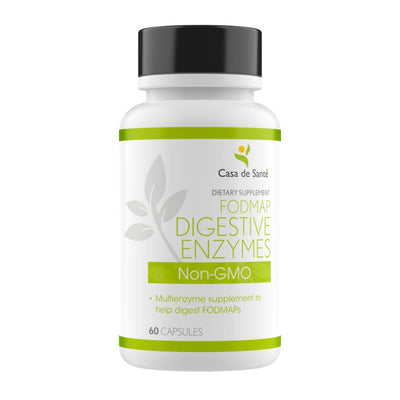
For GLP-1 users considering OTC pancreatic enzyme supplementation, the key quality criteria include: Broad-spectrum enzyme activity covering amylase, multiple protease types (protease I, protease II, peptidase), and lipase with meaningful activity units. Potency measured in activity units (USP units or FIP units) rather than just milligrams — activity units indicate actual enzymatic function, not just weight. Third-party testing for potency and purity to ensure the formula contains what the label claims. Low FODMAP certification to ensure the supplement itself doesn't introduce high-FODMAP ingredients that could worsen digestive symptoms. Clean formulation without fillers, excipients, artificial sweeteners, or sugar alcohols that could irritate a sensitive digestive system.
Ready to Feel Better on GLP-1?
Casa de Sante supplements are low FODMAP certified and MD formulated for GLP-1 medication users.
Shop GLP-1 Digestive Enzyme Companion →When to Consult Your Doctor About Pancreatic Enzymes on GLP-1
While OTC digestive enzyme supplements are safe for general use, there are situations where discussing pancreatic enzyme supplementation with your healthcare provider is important. These include: persistent or worsening loose, greasy, or foul-smelling stools (which may indicate significant fat malabsorption); unintended weight loss beyond what is expected from GLP-1 medication; vitamin deficiencies despite supplementation (fat-soluble vitamins A, D, E, K require fat absorption); or previous diagnosis of chronic pancreatitis, pancreatic insufficiency, or cystic fibrosis. Your provider can perform tests including fecal elastase to assess pancreatic enzyme output directly and determine whether prescription-strength therapy is warranted.
For more information on digestive enzyme support on GLP-1, see our related articles on digestive enzymes for GLP-1 users and signs you need digestive enzymes.
Frequently Asked Questions
Do GLP-1 medications cause pancreatitis?
Early reports raised questions about GLP-1 medications and pancreatitis risk, but extensive post-market research and regulatory reviews have not established a confirmed causal link. If you experience severe abdominal pain, nausea, or vomiting while on GLP-1 medication, seek medical evaluation promptly rather than self-treating with enzyme supplements.
Can I take OTC digestive enzyme supplements with prescription medications?
OTC digestive enzyme supplements are generally safe to take alongside prescription medications. They work locally in the digestive tract and are not systemically absorbed. However, always discuss new supplements with your healthcare provider if you're on multiple medications to rule out any potential interactions.
How do I know if I have pancreatic insufficiency?
Common signs of pancreatic insufficiency include oily or greasy stools, significant gas and bloating after eating, unintended weight loss, and symptoms of fat-soluble vitamin deficiency. A fecal elastase test is the standard non-invasive diagnostic tool — a stool sample is analyzed for elastase enzyme levels, which reflects pancreatic output.
Are pancreatic enzyme supplements safe to take every day?
Yes, OTC digestive enzyme supplements are safe for daily use at mealtimes. They work locally in the digestive tract and there is no established risk from long-term daily use at normal supplemental doses.
Understanding the role of pancreatic enzyme supplements in supporting digestive health on a GLP-1 protocol empowers you to make informed decisions about your digestive wellness strategy. Whether you opt for an OTC broad-spectrum enzyme formula or require prescription-strength support, targeted enzyme supplementation can meaningfully improve your digestive comfort, nutritional absorption, and overall quality of life on GLP-1 medication.