Gallbladder Health During Weight Loss: What You Need to Know

Gallbladder Health During Weight Loss: What You Need to Know
Rapid weight loss is one of the most well-established risk factors for gallstone formation, yet this connection is rarely discussed during weight loss journeys. For people on GLP-1 medications or other calorie-restricted approaches, understanding how to protect gallbladder health during weight loss can help prevent painful complications and maintain optimal digestive function.
The Gallbladder-Weight Loss Connection
The gallbladder is a small organ beneath the liver that stores and concentrates bile — a digestive fluid produced by the liver to emulsify fats. Gallstones form when bile becomes supersaturated with cholesterol, leading to crystal formation and stone development.
During rapid weight loss, several changes increase gallstone risk:
- Cholesterol mobilization: As fat is broken down, cholesterol is released into the bile, making it more lithogenic (stone-forming).
- Reduced gallbladder motility: Eating less food (especially fat) means the gallbladder contracts less often, allowing bile to stagnate and concentrate.
- Hormonal changes: Rapid weight loss affects hormone levels that regulate gallbladder function.
Studies suggest that people losing more than 1.5 kg (3.3 lbs) per week have significantly elevated gallstone risk. GLP-1 medications, which can accelerate weight loss, may carry this risk if fat and calorie intake becomes too low.
Dietary Strategies for Gallbladder Health During Weight Loss
- Don't eliminate dietary fat: Regular fat intake stimulates gallbladder contraction, preventing bile stagnation. Aim for at least 10–15g of healthy fat per meal to keep the gallbladder regularly contracting.
- Avoid very low calorie diets: Extreme caloric restriction (below 600–800 kcal/day) significantly increases gallstone risk. Moderate calorie deficits are safer for gallbladder health.
- Maintain adequate fiber intake: Fiber reduces bile cholesterol saturation and supports regular digestion, both protective against gallstone formation.
- Stay hydrated: Adequate water intake dilutes bile and reduces the concentration of gallstone-forming compounds.
Ready to Feel Better on GLP-1?
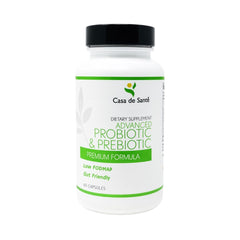
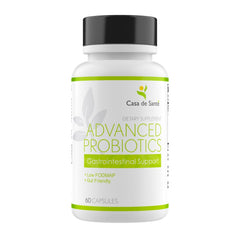
Casa de Sante supplements are low FODMAP certified and MD formulated for GLP-1 medication users.
Shop Digestive Support →Supplements and Compounds That Support Gallbladder Function
- Milk thistle (silymarin): Supports liver and bile production; may help maintain healthy bile composition during weight loss.
- Phosphatidylcholine: A phospholipid that helps keep cholesterol in bile soluble, reducing crystallization tendency.
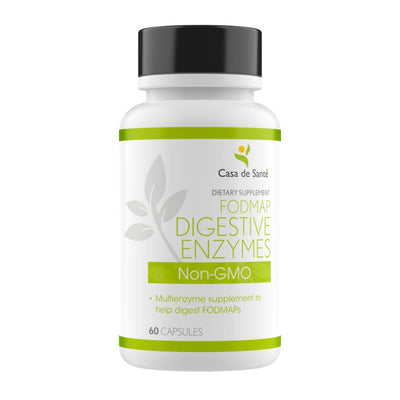
- Digestive enzymes with lipase: Support fat digestion, which stimulates gallbladder activity and bile flow.
- Curcumin: Stimulates bile production and cholesterol-to-bile-acid conversion, supporting healthy bile composition.
- Vitamin C: Plays a role in converting cholesterol to bile acids; deficiency has been associated with increased gallstone risk.
Learn more in our article on GLP-1 and gallbladder health.
Warning Signs of Gallbladder Issues
Consult a healthcare provider promptly if you experience:
- Upper right abdominal pain, especially after eating fatty foods
- Pain radiating to the right shoulder or back
- Nausea or vomiting associated with abdominal pain
- Jaundice (yellowing of skin or eyes)
- Fever with abdominal pain (possible cholecystitis/infection)
Frequently Asked Questions
Can GLP-1 medications cause gallstones?
Rapid weight loss associated with GLP-1 medications can increase gallstone risk. GLP-1 receptors are also found in the gallbladder and may affect its motility. Monitoring for symptoms and maintaining adequate fat intake are the primary protective strategies.
How can I prevent gallstones while losing weight?
Key strategies include losing weight at a moderate pace (0.5–1 kg/week), maintaining adequate dietary fat, staying hydrated, exercising regularly, and ensuring adequate fiber intake. Discuss additional risk factors with your healthcare provider.
Is bile important for nutrient absorption?
Yes — bile is essential for digesting and absorbing fat-soluble vitamins (A, D, E, K) and dietary fats. Poor bile function can lead to fat malabsorption and nutrient deficiencies.
What foods are best for gallbladder health?
Healthy fats (olive oil, avocado, fatty fish), high-fiber vegetables, adequate protein, and staying well-hydrated all support gallbladder health. Limit highly refined, high-fat processed foods and excessive sugar.