Bloating After Eating: 12 Causes and Evidence-Based Solutions From a GI Physician






Bloating After Eating: 12 Causes and Evidence-Based Solutions From a GI Physician
By Dr. Onikepe Adegbola, MD PhD — Johns Hopkins-trained physician-scientist and founder of Casa de Sante
Key Takeaways
- Bloating after eating affects up to 30% of adults and is the most reported GI symptom worldwide
- The most common causes are FODMAP intolerance, inadequate digestive enzymes, eating too fast, and gut dysbiosis
- Bloating is not always about gas — abdominal distension, visceral hypersensitivity, and impaired gas transit all play roles
- A systematic elimination approach identifies your personal triggers faster than random restriction
- Most bloating is treatable without prescription medication
Why We Bloat: The Physiology
Bloating is the subjective sensation of abdominal fullness, tightness, or pressure after eating. It may or may not be accompanied by visible distension (actual measurable increase in abdominal circumference). Understanding this distinction matters because the causes and treatments differ.
Gas-related bloating: Excess gas production from bacterial fermentation of undigested carbohydrates. This is the most common cause and is directly related to what you eat.
Distension without excess gas: Some patients have normal amounts of intestinal gas but impaired ability to move it through and expel it. Altered gut motility, particularly in IBS, causes gas to pool in certain segments, creating localized distension.
Visceral hypersensitivity: The gut nerves overreact to normal amounts of gas and distension, creating bloating sensations at gas volumes that a healthy gut would not even notice. This is a hallmark of IBS and functional dyspepsia.
The 12 Most Common Causes of Bloating After Eating
1. FODMAP Intolerance
FODMAPs (Fermentable Oligosaccharides, Disaccharides, Monosaccharides, and Polyols) are short-chain carbohydrates that are poorly absorbed in the small intestine. They pass into the colon where bacteria rapidly ferment them, producing hydrogen, methane, and CO2 gas. Common high FODMAP foods: onion, garlic, wheat, apples, pears, milk, legumes, honey, and sugar-free products.
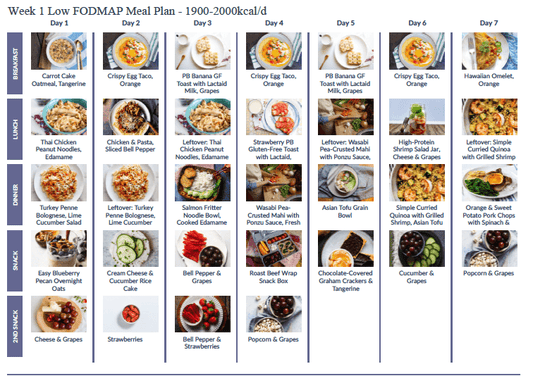
Solution: A structured low FODMAP elimination diet for 2-6 weeks followed by systematic reintroduction identifies your specific triggers.
2. Insufficient Digestive Enzymes
If your body does not produce adequate enzymes (lipase, protease, amylase, lactase), food is incompletely digested in the small intestine. These undigested particles reach the colon and are fermented by bacteria, producing gas. Enzyme insufficiency can be caused by aging, chronic stress, pancreatic conditions, and GLP-1 medications.
Solution: Casa de Sante Digestive Enzymes taken at the beginning of meals provide the enzyme support needed to fully break down proteins, fats, and carbohydrates before they reach the colon.
3. Eating Too Fast
Rapid eating leads to aerophagia (swallowing air) and inadequate chewing (larger food particles that are harder to digest). Both increase bloating. The average meal should take at least 15-20 minutes.
Solution: Chew each bite 20-30 times. Put your fork down between bites. Eat without screens to maintain awareness of eating speed.
4. SIBO (Small Intestinal Bacterial Overgrowth)
When bacteria that should be confined to the colon colonize the small intestine, they ferment food prematurely, producing gas in a location where it causes more distension and discomfort. SIBO is present in up to 78% of IBS patients in some studies.
Solution: Diagnosis via lactulose or glucose breath test. Treatment with rifaximin (for hydrogen-dominant SIBO) or rifaximin + neomycin/metronidazole (for methane-dominant SIBO/IMO).
5. Lactose Intolerance
Approximately 68% of the world's adult population has reduced lactase production (lactose malabsorption). Undigested lactose in the colon is rapidly fermented, producing gas, bloating, and diarrhea within 30 minutes to 2 hours of dairy consumption.
Solution: Eliminate or reduce dairy, switch to lactose-free products, or take lactase enzyme supplements before dairy-containing meals.
6. Gut Dysbiosis
An imbalanced gut microbiome — with overrepresentation of gas-producing species and underrepresentation of beneficial bacteria — produces more gas from the same amount of food. Antibiotic use, poor diet, stress, and infections can cause dysbiosis.
Solution: Targeted probiotics — Casa de Sante FODMAP Digestive Enzymes with Pre/Pro/Postbiotics provide beneficial bacteria alongside prebiotics to restore microbial balance.
7. Constipation
Retained stool slows overall colonic transit, providing more time for bacterial fermentation. Stool sitting in the colon acts as a reservoir for ongoing gas production. Many patients who think they have a bloating problem actually have an undiagnosed constipation problem.
Solution: Adequate water (64oz+), soluble fiber (psyllium), magnesium citrate, and regular physical activity.
8. Food Sensitivities (Non-FODMAP)
Gluten sensitivity (non-celiac), histamine intolerance, and reactions to food additives (sulfites, MSG, artificial sweeteners) can cause bloating through inflammatory or immune-mediated mechanisms distinct from FODMAP fermentation.
Solution: Systematic elimination and reintroduction beyond FODMAPs for persistent symptoms.
9. Carbonated Beverages
CO2 in carbonated water, soda, and sparkling wine directly introduces gas into the GI tract. For people with impaired gas transit (common in IBS), this trapped gas causes significant distension.
Solution: Switch to still water. If you miss the fizz, try it for 2 weeks as a trial — many patients are surprised by how much improvement this single change produces.
10. Sugar Alcohols
Sorbitol, mannitol, xylitol, erythritol, and maltitol are used as sugar substitutes in "sugar-free" products, protein bars, gums, and mints. Most are poorly absorbed and rapidly fermented — they are literally classified as polyols, the P in FODMAP.
Solution: Read labels. Switch to products sweetened with stevia, monk fruit, or small amounts of real sugar.
11. Functional Dyspepsia
Bloating primarily in the upper abdomen (epigastric area), often with early fullness and post-meal discomfort, may indicate functional dyspepsia rather than IBS. The stomach fails to relax and accommodate food properly (impaired accommodation).
Solution: Smaller meals, peppermint oil (enteric-coated), and digestive enzymes. Acid-suppression therapy if reflux-like symptoms coexist.
12. Medications
Multiple medications cause bloating: GLP-1 agonists, metformin, opioids, anticholinergics, calcium channel blockers, NSAIDs, and antibiotics. If bloating started after a medication change, this is likely contributory.
Solution: Discuss alternatives with your prescriber. Do not stop medications without guidance.
A Step-by-Step Approach to Solving Bloating
- Week 1-2: Food diary — record everything you eat and bloating severity (0-10 scale). Look for patterns.
- Week 2-6: Low FODMAP elimination diet. Add digestive enzymes with meals.
- Week 6-10: Systematic FODMAP reintroduction — one group at a time for 3 days each.
- Ongoing: Personalized diet based on your specific triggers + probiotic support + digestive enzymes for meals that contain known triggers.
Frequently Asked Questions
Is some bloating after eating normal?
A mild sense of fullness after a meal is normal — your stomach has expanded to accommodate food. Pathological bloating is characterized by significant discomfort, visible distension, the need to unbutton pants, and interference with daily activities. If bloating occurs most days and affects your quality of life, it warrants investigation.
Does drinking water with meals cause bloating?
Small amounts of water with meals are fine and may aid digestion. However, large volumes of liquid during meals can distend the stomach and dilute digestive enzymes. Sip rather than gulp, and drink most of your water between meals.
Can stress cause bloating?
Yes. Stress activates the sympathetic nervous system, which slows gastric emptying and alters gut motility and sensitivity. The gut-brain axis directly connects emotional stress to GI dysfunction. Chronic stress also reduces digestive enzyme production and alters the microbiome.
Should I see a doctor about bloating?
See a physician if bloating is accompanied by: unintentional weight loss, blood in stool, persistent vomiting, fever, progressively worsening symptoms, or new onset after age 50. These can indicate more serious conditions requiring evaluation.
Medical Disclaimer: This article is for educational purposes only. Chronic bloating can be a symptom of serious conditions including ovarian cancer, inflammatory bowel disease, and celiac disease. Consult your healthcare provider for persistent symptoms. Dr. Adegbola is the founder of Casa de Sante.