The Surprising Fix: Best Probiotic for IBS-D Diarrhea Control (And Why Most Supplements Disappoint)


If you're tired of unpredictable gut issues turning each day into a gamble, you're not alone. Managing IBS-D can feel impossible at times, especially when diarrhea throws your plans off track. But here's the good news: the right probiotic can change the game for your gut, easing symptoms and giving you back control fast.
Understanding IBS-D and Its Challenges
Irritable Bowel Syndrome with Diarrhea (IBS-D) isn't just inconvenient, it's unpredictable and can be genuinely disruptive to your life. For many, it means dashing to the bathroom after the slightest trigger, second-guessing every meal, and coping with abdominal pain, bloating, or embarrassing urgency.
Why IBS-D Is So Tough to Tame
Unlike simple occasional diarrhea, IBS-D involves ongoing symptoms driven by a hypersensitive gut, motility issues, stress, and possibly changes in your intestinal bacteria (microbiome). Stress, certain foods, hormones, and even just the anxiety of having IBS-D can trigger flare-ups, making it tricky to manage day-in and day-out.
You've probably tried eliminating foods or tracking triggers, maybe even prescription meds. But if your gut's underlying balance is off, those solutions can only go so far. That's where probiotics, supplements of helpful, live bacteria, offer promise in restoring a healthier, calmer gut environment.
How Probiotics Help Manage IBS-D Symptoms
Probiotics are beneficial microorganisms that support your digestive tract by balancing out troublemaker bacteria and boosting your gut's natural defenses. When you introduce the right strains and amounts, these friendly microbes can help regulate digestion and reduce some of the worst IBS-D symptoms.
How They Work
- Restoring Balance: IBS-D often comes with an imbalance in your gut flora, too many harmful bacteria and not enough good guys. Probiotics tilt the scales in favor of the "good" bacteria, helping stabilize gut function.
- Calming Inflammation: Certain probiotic strains reduce gut inflammation and strengthen your intestinal lining, making it less reactive to triggers.
- Slowing Things Down: Some strains (including Bacillus subtilis DE111® and Saccharomyces boulardii) have been shown in studies to help normalize how quickly food moves through your gut, less urgent trips to the bathroom for you.
- Improving Comfort: Probiotics may reduce bloating, gas, or the crampy pain that often flares up with diarrhea.
Backed by clinical research, probiotics are now recommended by many gastroenterologists as part of a holistic approach to IBS-D.
Key Factors When Choosing a Probiotic for IBS-D
Not all probiotics are created equal, especially if you have IBS-D and sensitivity to gut issues. Here's what you need to keep in mind before you pick a bottle off the shelf:
1. Strain Specificity
Scientific research shows probiotic effects are strain-specific. In other words, which probiotic you pick is just as important as whether you take one at all. Look for strains like Bacillus subtilis DE111®, Lactobacillus plantarum, and Saccharomyces boulardii, all of which have evidence in stubborn diarrhea control.
2. Colony Forming Units (CFU) Count
More isn't always better. Extremely high CFU counts can sometimes overwhelm sensitive guts and trigger side effects. A clinically effective range, like 2 to 5 billion CFU, often works well for IBS-D without causing extra bloating or discomfort.
3. Additives, Prebiotics, and Formulation
Many probiotic products add fiber-heavy prebiotics, which can worsen bloating if you have IBS-D, especially if you're sensitive to FODMAPs. Look for a formula with gentle, low-dose or non-fiber prebiotics (like PreforPro®) that's compatible with low-FODMAP, keto, or paleo eating plans.
4. Quality and Transparency
Shelf-stability is crucial, refrigeration shouldn't matter if a probiotic is high-quality. Go for products that are third-party tested, ideally developed or endorsed by medical professionals, and with a clearly labeled ingredient list.
Top Probiotic Strains for IBS-D Diarrhea Control
Some strains stand out for their impact on IBS-D symptoms, especially chronic diarrhea. Here's what the research says:
- Bacillus subtilis DE111®: This spore-forming probiotic is tough enough to survive stomach acid and reach your intestines alive. Several studies show DE111® may regulate transit time and reduce diarrhea episodes. It's gentle, rarely causes bloating, and helps boost digestion and absorption.
- Saccharomyces boulardii: A beneficial probiotic yeast (not bacteria.), S. boulardii is effective in reducing frequency and duration of diarrhea, including in IBS-D. Research supports its use for calming inflammation and restoring gut balance.
- Lactobacillus plantarum & Lactobacillus rhamnosus GG: These strains help reinforce your gut lining and reduce both pain and urgency, with additional relief on cramping and bloating.
Not all probiotics combine these strains, and some brands focus more on high-fiber prebiotics or generic blends that miss IBS-D-specific targets. Look for clinical evidence backing the exact strains in your supplement, not just vague promises on the label.
How to Incorporate Probiotics Into an IBS-D Management Plan
Adding a probiotic to your IBS-D routine isn't complicated, but consistency is key:
- Start Low and Go Slow: Even the gentlest probiotics can cause minor digestive changes at first. Begin with the recommended daily dose and give your body a week or two to adjust.
- Pick Your Timing: Some find taking probiotics shortly before breakfast works best, while others prefer evenings. The key? Make it a daily habit for lasting results.
- Pair with a Supportive Diet: Probiotics work best alongside a gut-friendly diet. Low-FODMAP, dairy-limited, and low-sugar meals all help create a better environment for your new gut friends.
- Track Your Symptoms: Keep a food and bathroom diary to notice whether the probiotic is making a difference. Most see steady improvement after 2–4 weeks, sometimes sooner.
- Consult with Your Doctor: Especially if you're already on medications (like GLP-1 agonists for diabetes or weight loss) or have other gut conditions, talk to your healthcare provider before making major changes.
If fiber-heavy prebiotics kept you bloated or supplements left you underwhelmed in the past, there are new options crafted just for sensitive folks, so don't give up hope.
Potential Risks and Considerations
For most people, probiotics are safe and side effects, if any, are mild and short-lived (think minor digestive changes as your gut adjusts). But there are a few risks and caveats to keep on your radar:
- Immune Compromise: If you're immunocompromised or very frail, some probiotic strains aren't recommended. Always check with your doctor.
- Prebiotic Triggers: Traditional prebiotics can worsen gas, bloating, or diarrhea in sensitive people, especially if you're FODMAP-intolerant. Opt for formulas that use non-fiber, targeted prebiotics for greater comfort.
- Label Clarity: Avoid products with proprietary blends that don't list strains or full ingredient panels. The more transparent the label, the more you know what you're putting in your body.
- Regulation: Supplement standards vary, so stick to brands that do third-party testing and maintain high quality controls, your gut deserves nothing less.
Conclusion
You already know the challenge of living with IBS-D, and just how much it can steal from daily life. The right probiotic can reset your gut's balance, lower urgency, and restore a sense of comfort and freedom.
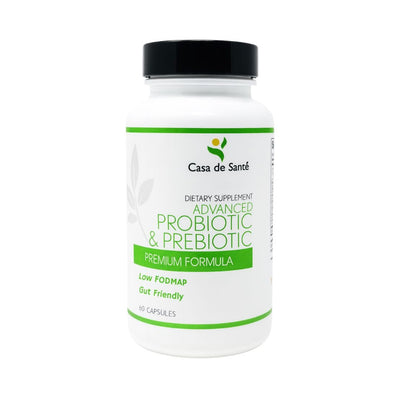
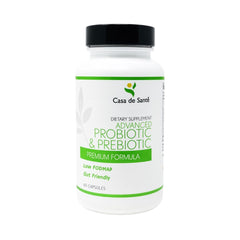
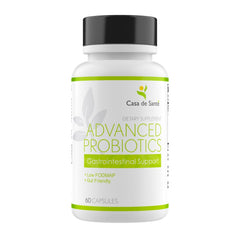
Ready for gentler gut support that actually feels good? Try our Advanced Probiotic & Prebiotic Synbiotic, clinically crafted by Dr Onyx MD PhD with 4.4B CFU including DE111® plus PreforPro® at an ultra-low 15 mg dose for comfort without the bloat. It's Low-FODMAP, Keto- and Paleo-compatible, shelf-stable, and third-party tested, so you can trust every capsule to support balanced digestion, better nutrient absorption, and a resilient gut-brain connection. If fiber-heavy prebiotics have let you down or GLP-1 meds, IBS, or menopause bloat make your days unpredictable, this is your gentle daily reset. Tap to add it to your routine and feel the difference where it matters most: your comfort, your energy, your meals.
Key Takeaways
- Choosing the best probiotic for IBS-D diarrhea control requires focusing on specific strains like Bacillus subtilis DE111® and Saccharomyces boulardii that are shown to reduce symptoms.
- A probiotic with clinically recommended CFU levels (2–5 billion) is often most effective and less likely to cause bloating or discomfort for IBS-D sufferers.
- Avoid probiotics with fiber-heavy prebiotics if you have IBS-D, and opt for gentle, low-FODMAP compatible formulations.
- Consistency is key—take your probiotic daily and combine with a gut-friendly diet for optimal results in managing IBS-D.
- Ensure your probiotic is third-party tested, clearly labeled, and designed for sensitive digestive systems to maximize both safety and efficacy.