Low FODMAP Diet and B12 Deficiency: What Your Gut Doctor Wants You to Know






When you live with irritable bowel syndrome, finding foods that do not trigger bloating, cramping, and unpredictable bathroom trips becomes a daily preoccupation. For many of my patients, elimination eating offers profound relief from distressing gastrointestinal symptoms. Yet, long-term dietary restriction carries hidden biological tolls. One of the most overlooked risks in clinical gastroenterology is the intersection of the low fodmap diet and b12 deficiency. Restricting wheat, dairy, and various fruits and vegetables can inadvertently starve your body of essential micronutrients. If you are managing your gut symptoms without proper nutritional oversight, you might be setting yourself up for a systemic deficiency that affects far more than your digestion.
Key Takeaways
- Neurological Warning: Nerve damage can occur before anaemia shows up on standard blood tests. A normal blood count does not rule out a B12 problem.
- Dietary Restrictions: Cutting dairy, wheat, and fortified foods on an elimination protocol drops your B12 intake. Plant-based foods and seaweed are not reliable sources.
- Underlying Gut Conditions: Coeliac disease, Crohn's disease, and SIBO impair B12 absorption at the terminal ileum.
- Hidden Excipients: Many over-the-counter B12 supplements contain sorbitol, xylitol, or inulin, which trigger IBS symptoms.
- Temporary Phase: The low FODMAP protocol is designed for short-term elimination, followed by structured reintroduction.
What Vitamin B12 Does Inside Your Body
Vitamin B12, or cobalamin, is a water-soluble vitamin that plays a foundational role in human physiology. Unlike other vitamins that your body can manufacture or store in massive quantities, B12 must be obtained directly from your diet. Once absorbed, it acts as an essential coenzyme in two major biochemical pathways:
- DNA Synthesis: B12 works alongside folate to produce cellular DNA. This is particularly critical for rapidly dividing cells, such as the bone marrow cells that produce your red blood cells.
- Neurological Function: B12 is vital for maintaining the myelin sheath—the protective insulation surrounding your nerve fibres. Without adequate myelin, nerve signal transmission slows down, leading to neurological degradation.
Because B12 is stored in the liver in relatively large amounts, deficiency does not happen overnight. It typically takes years of depleted intake or impaired absorption for deficiency symptoms to manifest. However, when you restrict major food groups on an elimination diet, that timeline can accelerate significantly.
The Silent Warning Signs: Symptoms of Deficiency
When patients think of vitamin B12 deficiency, they usually picture classic anaemia: pale skin, persistent fatigue, and general weakness. In clinical practice, I see a much wider array of symptoms that often get misattributed to stress, aging, or worsening irritable bowel syndrome. Symptoms of a developing deficiency include:
- Unrelenting fatigue and breathlessness upon minimal exertion
- A sore, smooth, red tongue (glossitis) and recurrent mouth ulcers
- Pins and needles, tingling, or burning sensations in the hands and feet
- Numbness and loss of proprioception (difficulty sensing where your limbs are in space, leading to balance problems)
- Cognitive changes, including brain fog, memory lapses, irritability, and low mood
Here is the most critical clinical point I want you to remember: neurological damage can occur before anaemia appears. Too many patients are told by well-meaning physicians that their blood count is normal, so their B12 levels do not matter. A normal haemoglobin level provides zero reassurance regarding the health of your nervous system. If you want to explore how red blood cell production connects to gut health, read our guide on the low fodmap diet and anemia.
Why Gut Patients Face the Risk of a Low FODMAP Diet and B12 Deficiency Cycle
Why are individuals with chronic digestive disorders uniquely vulnerable to this issue? The answer lies in how B12 is ingested, transported, and absorbed throughout the gastrointestinal tract. Several distinct factors place gut patients at high risk:
1. Restrictive Elimination and Vegan Eating
Natural dietary sources of B12 are almost exclusively found in animal products. When patients adopt a strict low FODMAP diet, they often cut out dairy milk, yogurt, and certain fortified grains. If a patient simultaneously adopts a plant-based or vegan lifestyle to manage gut issues, their dietary B12 intake drops to virtually zero unless they are meticulously supplementing.
2. Malabsorption and Terminal Ileum Disease
Absorbing B12 is a complex relay race. Stomach acid releases B12 from food proteins, where it binds to intrinsic factor produced by parietal cells. This complex travels down the small intestine until it reaches the terminal ileum—the final section of the small bowel—where it is finally absorbed. Conditions like coeliac disease and Crohn's disease frequently damage this exact region. For more on managing overlapping conditions, read about the low fodmap celiac overlap.
3. Small Intestinal Bacterial Overgrowth (SIBO)
In SIBO, excess bacteria colonise the small intestine where they do not belong. These uninvited bacterial guests consume ingested nutrients before your body can absorb them—and they are particularly fond of vitamin B12. Classically, SIBO presents with low serum B12 alongside normal or even elevated folate levels, because certain gut bacteria actually synthesise folate. If you suspect bacterial overgrowth, clinical diagnostics like a sibo breath test labcorp protocol can clarify the root cause of your malabsorption.
4. Medications and Atrophic Gastritis
Long-term use of proton pump inhibitors (PPIs) and H2 blockers suppresses stomach acid, which prevents B12 from being cleaved from food proteins. Similarly, diabetes medication like metformin impairs ileal absorption over time. Autoimmune conditions like atrophic gastritis and pernicious anaemia destroy the parietal cells that make intrinsic factor entirely.
Keep in mind the intricate interaction between B12 and folate: if you consume high amounts of folate while your B12 is depleted, the folate can correct the macrocytic anaemia, masking the deficiency while irreversible neurological damage continues to progress silently.
Diagnostic Challenges and Testing Pitfalls
Testing for B12 status is rarely as simple as ordering a basic blood draw. Standard serum B12 tests measure total circulating B12, but a significant portion of that measured vitamin is bound to transport proteins and is biologically inactive.
To get an accurate clinical picture, your physician may look beyond standard panels:
- Active B12 (Holotranscobalamin): Measures the fraction of B12 actually available for cellular uptake.
- Methylmalonic Acid (MMA) and Homocysteine: Functional metabolites. When B12 is low, MMA and homocysteine back up in the bloodstream. Elevated MMA is a sensitive marker of intracellular B12 deficiency.
- Intrinsic Factor Antibodies: Used to diagnose pernicious anaemia.
Crucially, if you start taking high-dose supplements before getting tested, you will artificially skew your lab results, making a true deficiency hard to spot. All interpretation of these labs belongs firmly in the hands of a qualified clinician who understands your medical history.
Low FODMAP Food Sources and Plant-Based Realities
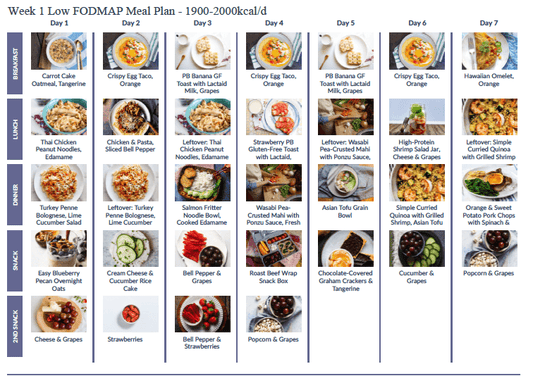
If your B12 levels are borderline and you are navigating the elimination phase of your diet, you need to deliberately incorporate low FODMAP, B12-dense foods:
- Fish: Salmon, sardines, trout, and tuna are naturally low in FODMAPs and exceptionally rich in B12.
- Meat and Poultry: Beef, pork, lamb, and chicken provide reliable amounts of bioavailable B12.
- Eggs: Whole eggs offer a gentle, highly digestible source of B12 for most IBS sufferers.
- Dairy Alternatives: Lactose-free milk, hard aged cheeses (which are naturally low in lactose), and lactose-free yogurts.
For my vegan and vegetarian patients, the landscape requires strict vigilance. Plant foods, unwashed organic vegetables, seaweed, spirulina, and fermented foods do not contain active, reliable human-use B12—they often contain pseudo-vitamin B12 analogues that can actually block true B12 receptors on laboratory assays. Every single person following a plant-based low FODMAP diet requires a reliable B12 supplement.
In my clinical practice, patients following a plant-based elimination protocol often struggle to meet their macro and micronutrient goals. When looking for a clean, gut-friendly protein source that respects your digestive sensitivities, I frequently recommend Low FODMAP Vegan Protein Powder to support daily nutrition without triggering bloating (learn more about low fodmap vegan protein options).
Supplementation Practicalities and IBS Traps
Once a deficiency is identified or preventive supplementation is indicated, choosing the right delivery method matters. Depending on the root cause—whether it is dietary restriction or severe ileal malabsorption—treatment ranges from high-dose oral supplementation (cyanocobalamin or methylcobalamin) and sublingual lozenges to intramuscular injections.
However, IBS patients face an unexpected trap in the supplement aisle: excipients.
Many liquid drops, chewable tablets, and gummy B12 supplements are sweetened with sugar alcohols like sorbitol, xylitol, mannitol, or prebiotics like inulin and chicory root. For someone with irritable bowel syndrome, these ingredients are osmotic laxatives and potent fermentable substrates that will trigger severe gas, cramping, and diarrhoea. Always read the inactive ingredient list meticulously.
Managing gut health while repairing nutritional gaps requires a multi-pronged approach. To support a balanced microbiome and ease digestive distress alongside your dietary adjustments, incorporating physician-formulated options like Advanced Probiotics GI Support can help nurture your intestinal lining. Additionally, when breaking down complex meals during the reintroduction phase, a targeted enzyme supplement such as FODMAP Digestive Enzymes assists normal digestive function.
Moving Beyond Restriction: Reintroduction and Long-Term Gut Health
The low FODMAP diet was never designed to be a permanent way of eating. It is a short-term diagnostic and therapeutic tool meant to calm an irritable bowel so that you can identify your specific personal triggers.
Staying on a strict, highly restrictive elimination diet for months or years without professional guidance almost always results in nutritional deficiencies, weight loss, and a narrowing of your gut microbiome diversity. Working with a registered dietitian is invaluable to guide you through a structured reintroduction phase guide so you can safely expand your diet.
Never write off persistent fatigue, unexplained numbness, or cognitive fog as "just IBS." If you experience neurological symptoms or lab-confirmed anaemia, treat them as red flags that require immediate medical investigation.
Frequently Asked Questions
Can the low FODMAP diet cause B12 deficiency?
Yes, indirectly. While the low FODMAP diet itself does not alter your body's physiological ability to absorb B12, cutting out dairy products, fortified grains, and restricting food variety often leads to an accidental drop in daily B12 intake over time.
Does IBS cause low B12?
Irritable bowel syndrome alone does not directly cause B12 deficiency. However, many people diagnosed with IBS actually have overlapping conditions—such as coeliac disease, atrophic gastritis, or SIBO—that impair absorption and lead to low B12.
Can SIBO cause B12 deficiency?
Absolutely. The bacteria overgrowing in the small intestine consume ingested vitamin B12 before your body's enterocytes can absorb it. SIBO-related B12 deficiency is a well-documented clinical phenomenon.
Does metformin lower B12 levels?
Yes. Long-term use of metformin for blood sugar management interferes with calcium-dependent B12 absorption in the terminal ileum. Patients taking metformin long-term should have their B12 checked regularly.
What are the best low FODMAP B12-rich foods?
High-B12, low FODMAP options include salmon, sardines, trout, eggs, lean beef, poultry, lactose-free milk, and hard aged cheeses like cheddar and parmesan.
Do I need injections or tablets, and how long to feel better?
This depends entirely on the underlying cause. If you have severe malabsorption, pernicious anaemia, or ileal resection, intramuscular injections are typically required. If the issue is purely dietary, high-dose oral or sublingual supplementation works well. Energy levels often improve within weeks, but neurological recovery can take several months.
Medical Disclaimer: This article is for educational and informational purposes only and does not constitute medical advice, diagnosis, or treatment. Dr. Onikepe Adegbola, MD PhD, and Casa de Sante disclaim any liability for decisions made based on this content. Always consult a qualified physician or healthcare provider regarding any medical condition or dietary changes.