Zepbound Bloating: Why It Happens & How a Doctor Fixes It






Understanding Zepbound Bloating: Why It Happens and How to Find Relief
If you recently started taking tirzepatide for weight management, you probably noticed some incredible shifts in your appetite. But you might also feel like your upper abdomen is permanently inflated like a spare tire. Zepbound bloating is one of the most common complaints I hear from patients in my clinic, yet it is rarely discussed in depth during a standard prescription visit.
As a physician-scientist trained at Johns Hopkins, I look at how modern medications interact with our complex gastrointestinal ecosystem. Zepbound is a remarkable tool for metabolic health, but its mechanism of action profoundly alters how your gut moves, digests, and processes gas. Clinical trials like SURMOUNT report gastrointestinal side effects in a significant percentage of users, but real-world experiences suggest that upper abdominal distension and stubborn bloating affect even more patients than the initial data shows.
If your clothes feel tight hours after eating a tiny meal and passing gas offers no real relief, you are not imagining things. Let us break down why this happens and what you can do to reclaim your digestive comfort.
- Dual Action: Zepbound is a dual GIP and GLP-1 receptor agonist, creating unique motility patterns that can trap gas in the upper GI tract.
- Delayed Emptying: Food stays in the stomach much longer, increasing fermentation and bacterial gas production.
- Targeted Support: Combining digestive enzymes, low FODMAP eating principles, and gentle prokinetics can dramatically reduce symptoms.
What Makes Zepbound Bloating Unique?
To understand why Zepbound causes such persistent abdominal fullness, we have to look at what makes this specific medication different. Unlike older GLP-1 receptor agonists that target a single hormonal pathway, Zepbound (tirzepatide) targets both GLP-1 (glucagon-like peptide-1) and GIP (glucose-dependent insulinotropic polypeptide) receptors.
This dual-agonist design is a triumph for blood sugar regulation and weight loss, but it introduces a complex cascade of effects throughout your digestive tract. GIP receptors are found extensively in fat tissue and the gut, influencing motility, secretion, and nutrient absorption. When you stimulate both pathways simultaneously, the normal wave-like contractions of your digestive tract—known as peristalsis—can become uncoordinated or "segmented."
Instead of moving contents smoothly from top to bottom, your gut creates distinct pockets where gas and partially digested food get trapped. This is why patients often describe a heavy, distended feeling concentrated right under their ribs that refuses to budge, no matter how much they try to burp or pass gas.
The Top 5 Causes of Zepbound Bloating
When patients ask me why their stomach feels like a balloon on tirzepatide, I point to five primary physiological mechanisms at play:
1. Delayed Gastric Emptying
The primary job of a GLP-1 medication is to slow down how fast your stomach empties its contents into the small intestine. This is great for satiety because it keeps you feeling full longer. However, when food sits in the acidic environment of the stomach and upper small intestine for hours past its normal schedule, it becomes prime real estate for resident bacteria to feast on, producing excess hydrogen and methane gas.
2. Altered Bile Flow and Fat Maldigestion
Both GIP and GLP-1 receptors influence gallbladder contraction and bile secretion. If your gallbladder fails to release adequate bile when you eat, your body struggles to break down dietary fats properly. Undigested fats pass into the colon, where colonic bacteria ferment them, generating significant amounts of gas and often causing loose, fatty stools alongside your bloating.
3. Shifts in the Gut Microbiome
Your gut microbiome adapts quickly to changes in food transit time and dietary intake. When food lingers longer in the digestive tract, the microbial balance shifts. Opportunistic, gas-producing bacteria thrive in this sluggish environment, outcompeting beneficial strains and increasing overall gas production.
4. Increased SIBO Risk
Small Intestinal Bacterial Overgrowth (SIBO) occurs when bacteria that normally belong in the large intestine migrate upward into the small intestine. Because Zepbound significantly reduces the sweeping housekeeper waves of motility that normally clean out the small bowel between meals, bacteria have an open invitation to set up camp where they do not belong, fermenting carbohydrates prematurely.
5. Dose Escalation Vulnerability
Zepbound bloating is profoundly dose-dependent. When you step up your dose—moving from 2.5 mg to 5 mg, or climbing toward the 10 mg and 15 mg maintenance levels—your gut experiences a fresh shock to its motility. Patients consistently report that the first two weeks following a dose increase are the most brutal for abdominal distension.
Practical Strategies to Manage Zepbound Bloating
You do not have to abandon your weight loss goals or live in discomfort. Managing Zepbound-induced bloating requires a multi-pronged approach that supports your gut through every phase of treatment.
1. Targeted Digestive Enzymes
Because your stomach and pancreas are sluggish in releasing digestive juices on tirzepatide, supplementing with targeted enzymes can bridge the gap. Lipase helps break down fats to prevent maldigestion, while alpha-galactosidase breaks down complex carbohydrates found in beans and vegetables before bacteria can ferment them.
In my clinical practice, I often recommend a specialized supplement like Casa de Sante GLP-1 Digestive Enzyme Companion to help patients break down stubborn proteins and fats while minimizing upper GI distress.
2. Adopt Low FODMAP Principles
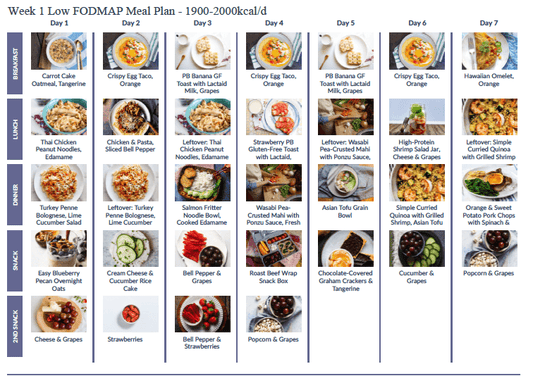
FODMAPs (Fermentable Oligosaccharides, Disaccharides, Monosaccharides, and Polyols) are short-chain carbohydrates that draw water into the gut and ferment rapidly. When your transit time is slowed by Zepbound, high-FODMAP foods like garlic, onions, wheat, and certain fruits become gas factories. Temporarily reducing high-FODMAP foods can cut your gut gas production by 40 to 60 percent.
For comprehensive digestive support tailored to sensitive GI tracts, many of my patients benefit from incorporating Casa de Sante FODMAP Digestive Enzymes into their daily routine.
3. Shift to Micro-Meals
Large meals are a recipe for disaster on Zepbound. Your stomach simply cannot handle the volume. Switch from three standard meals to five or six tiny, nutrient-dense micro-meals throughout the day. Think of your stomach as a slow-drip coffee maker: it works best when you feed it a little bit at a time.
4. Rebalance Your Microbiome
Supporting beneficial bacterial strains can crowd out gas-producing microbes. Specific strains like Lactobacillus plantarum and Bifidobacterium infantis have clinical data supporting their ability to reduce visceral hypersensitivity and gas production.
Adding a gut-gentle probiotic such as Casa de Sante Advanced Probiotics helps stabilize the gut microbiome and maintain mucosal barrier integrity during metabolic therapy.
5. Movement and Mechanical Aids
- Walk After Eating: A 10 to 15-minute walk post-meal uses gravity and mechanical movement to stimulate gastric motility and prevent food stagnation.
- Drop Carbonation: Sparkling water, diet sodas, and seltzers introduce literal compressed gas directly into an already distended stomach. Skip them entirely.
- Slow Down: Chew every bite 20 to 30 times. Swallowing air (aerophagia) combined with unchewed food worsens upper abdominal pressure.
- Sip Peppermint Tea: Natural menthol acts as a smooth muscle relaxant in the GI tract, helping trapped gas escape.
When to See Your Doctor Immediately
While mild to moderate bloating is an expected side effect of dual GIP/GLP-1 receptor agonists, certain red flags require prompt medical evaluation. Contact your prescribing physician or a gastroenterologist if you experience:
- Severe, unrelenting abdominal pain that radiates to your back
- Inability to keep any food or liquids down
- Vomiting food that you ate many hours or days prior (a sign of severe gastroparesis)
- Progressive, painful abdominal distension that is visibly asymmetrical or rock-hard
- Unexplained fever alongside GI symptoms
Frequently Asked Questions
Does Zepbound bloating get better over time?
Yes, for most patients, bloating improves significantly after your body adapts to a specific dose. However, every time you titrate your dose upward (e.g., jumping from 5 mg to 7.5 mg), you may experience a temporary resurgence of symptoms that typically settles within two to four weeks.
Can I take over-the-counter gas relievers like simethicone?
Simethicone helps coalesce small gas bubbles into larger ones that are easier to pass. While it can offer mild relief for lower intestinal gas, it often does little for the stubborn upper abdominal fullness caused by delayed gastric emptying on Zepbound. Addressing the root cause with digestive enzymes and smaller meals is usually more effective.
Is Zepbound bloating the same as IBS bloating?
They share similar mechanisms—such as visceral hypersensitivity and bacterial fermentation—but Zepbound bloating is directly induced by pharmacological slowing of gastrointestinal motility. If you have pre-existing Irritable Bowel Syndrome (IBS), your baseline sensitivity may make Zepbound side effects feel much more intense.
Why does my bloating feel worse at night?
Throughout the day, your cumulative food intake and swallowed air add up. Combined with horizontal positioning when you lie down to sleep—which can worsen reflux and slow transit further—your evening bloating often reaches its peak. Try to finish your last small meal at least three hours before bedtime.
Conclusion
Zepbound is transforming metabolic health, but navigating its side effects requires patience and strategy. Zepbound bloating is rooted in real physiological shifts—delayed gastric emptying, altered bile flow, and uncoordinated motility. By modifying how, when, and what you eat, and supporting your digestive tract with targeted enzymes and probiotics, you can successfully manage this side effect and focus on your health journey with confidence.