Wegovy Diarrhea: Causes and Physician-Backed Solutions






If you are one of the millions of people using semaglutide for weight management, you likely expected the suppressed appetite and the steady progress on the scale. What you might not have expected was the sudden, urgent need to find a bathroom. While nausea is the most talked-about side effect of this medication, Wegovy diarrhea is a significant reality for about 30% of patients, according to the STEP 1 clinical trials. As a physician-scientist, I see patients who find this symptom even more disruptive than nausea because it creates anxiety about leaving the house, attending social events, or simply getting through a workday.
Key Takeaways
- Diarrhea affects nearly 1 in 3 Wegovy users, particularly during dose increases.
- The causes range from bile acid malabsorption to "dumping syndrome" and fat malabsorption.
- Dietary adjustments, such as reducing fat and avoiding sugar alcohols, are the first line of defense.
- Targeted supplements like digestive enzymes and low FODMAP fiber can help stabilize the gut.
- Persistent diarrhea requires medical consultation to prevent dehydration and electrolyte imbalance.
Why Wegovy Diarrhea Happens: The Biological Mechanisms
It seems counterintuitive. Wegovy is designed to slow down your gastric emptying—meaning food stays in your stomach longer. So why does it sometimes cause rapid, watery stools? The answer lies in how the GLP-1 receptor agonist affects the entire length of your gastrointestinal tract, not just your stomach.
1. The Paradox of Disrupted Motility
While the upper GI tract slows down, the lower GI tract can become disorganized. Your small intestine and colon receive altered signals. For some, this results in a "stop-and-go" pattern. You might experience days of constipation followed by a sudden "clear out" of diarrhea as the gut tries to compensate for the changed motility patterns. This dysmotility is often the primary driver of the cramping and urgency patients report.
2. Bile Acid Malabsorption (BAM)
This is a mechanism I frequently discuss with patients who describe their diarrhea as "explosive" or "watery." Semaglutide alters how your gallbladder functions and how bile acids cycle through your system. Normally, bile acids are reabsorbed in the last part of the small intestine (the ileum). If Wegovy disrupts this process, those bile acids enter the colon. In the colon, bile acids act as potent natural laxatives. They pull water into the bowel and stimulate rapid contractions, leading to what we call secretory diarrhea.
3. Fat Malabsorption and Steatorrhea
Because Wegovy changes bile secretion, your ability to break down fats can be impaired. When undigested fat reaches the lower GI tract, it creates osmotic pressure, drawing water into the lumen. This results in stools that are loose, greasy, and particularly foul-smelling—a condition known as steatorrhea. Many patients find that a high-fat meal, like a burger or fried chicken, triggers an episode within hours.
4. The "Dumping Syndrome" Effect
Even though Wegovy slows the emptying of solids, liquids and simple carbohydrates can sometimes "dump" into the small intestine too quickly. This rapid entry of hyperosmolar food (food with high sugar or salt content) causes a massive shift of fluid into the gut. This leads to the classic symptoms of dumping syndrome: abdominal cramps, heart palpitations, and urgent, watery diarrhea occurring 30 to 60 minutes after eating.
Managing Wegovy Diarrhea Through Nutrition and Lifestyle
Managing these symptoms requires a multi-pronged approach. We want to support your body's ability to digest food while minimizing the triggers that irritate the colonic lining.
Modify Your Fat Intake
Since fat malabsorption is a major contributor to Wegovy diarrhea, the most immediate change you can make is reducing dietary fat. This doesn't mean eliminating healthy fats entirely, but rather spreading them out. Instead of one meal with 30 grams of fat, aim for several small snacks or meals with 5-10 grams of fat. Focus on lean proteins like skinless chicken breast, white fish, and egg whites.
The Role of Digestive Support
In my clinical experience, supporting the breakdown of macronutrients can significantly reduce the osmotic load in the colon. For those on GLP-1 medications experiencing digestive discomfort, a gut-gentle supplement such as GLP-1 Digestive Enzyme Companion can provide meaningful relief. The lipase in these enzymes helps process fats that would otherwise cause irritation, while protease and amylase ensure proteins and carbs are fully broken down before they reach the lower gut.
Avoid "Hidden" Laxatives
Many people on Wegovy switch to sugar-free products to manage calories. However, many of these products contain sugar alcohols like sorbitol, maltitol, and xylitol. These are osmotic laxatives. They are not fully absorbed and pull water into your colon. If you are struggling with loose stools, check the labels of your protein bars, "keto" snacks, and sugar-free gums. Even erythritol, which is generally better tolerated, can cause issues in the high doses found in some processed diet foods.
The Low FODMAP Approach
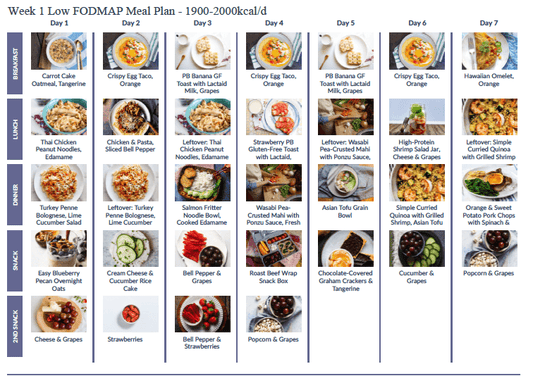
FODMAPs are fermentable carbohydrates that can draw water into the gut and produce gas when fermented by bacteria. When your gut is already sensitive due to Wegovy, high FODMAP foods like garlic, onions, beans, and certain fruits can exacerbate diarrhea. Shifting to a low FODMAP diet temporarily can calm the "irritable" nature of the gut during the titration phase of your medication.
Evidence-Based Supplementation for Bowel Stability
When diet alone isn't enough, we look to targeted supplements that can "bulk" the stool or restore the microbiome.
Psyllium Fiber: The Great Regulator
Most people think of fiber only for constipation, but psyllium is unique. It is a soluble, gel-forming fiber. In the case of diarrhea, it absorbs excess water in the colon, adding structure and bulk to liquid stools. I recommend a low FODMAP version to avoid gas. A physician-formulated option like Psyllium Fiber Supplement can be very effective. Start with one teaspoon in a full glass of water and increase slowly. It is vital to take this at least two hours away from your other medications, as fiber can interfere with absorption.
Restoring the Microbiome
The change in transit time caused by Wegovy inevitably changes your gut microbiome. A slower stomach but potentially faster colonic transit can lead to an imbalance of bacteria. Certain strains, like Saccharomyces boulardii (a beneficial yeast) and Lactobacillus rhamnosus GG, have strong clinical evidence for reducing medication-associated diarrhea. To support your gut flora, consider a high-quality probiotic. In my practice, I often suggest Advanced Probiotics GI Support to help maintain microbial diversity and strengthen the intestinal barrier.
The Impact of Dose Escalation
It is common to see Wegovy diarrhea worsen every time you increase your dose. The jump to the 2.4mg maintenance dose is often the most challenging. If you find that your symptoms are unmanageable at a higher dose, talk to your doctor. Sometimes staying at a lower dose (like 1.7mg) for an extra month allows your GI tract more time to adapt to the GLP-1 signaling before moving up.
Hydration and Electrolytes: The Safety Priority
Diarrhea isn't just an inconvenience; it's a hydration risk. When you lose fluid rapidly, you also lose sodium, potassium, and magnesium. Dehydration can lead to kidney strain, which is a known risk for patients on GLP-1s. If you are having active flares, aim for at least 80 ounces of fluid daily. Plain water is often not enough; you need electrolytes. An oral rehydration solution or a zero-sugar electrolyte powder can prevent the dizziness and fatigue that often accompany chronic loose stools.
The BRAT Diet for Acute Flares
If you are having a particularly bad day, revert to the BRAT diet for 24-48 hours:
- Bananas: Provide potassium and pectin to firm stools.
- Rice: White rice is a low-fiber binder.
- Applesauce: Contains pectin, which is soothing to the gut.
- Toast: Plain, white toast provides bland energy without irritation.
When to Call Your Doctor
While most cases of Wegovy diarrhea can be managed with the strategies above, some situations require medical intervention. Contact your healthcare provider if you experience:
- Diarrhea lasting more than three days despite dietary changes.
- Blood or mucus in your stool.
- Signs of severe dehydration: dark urine, extreme thirst, or dizziness.
- Severe abdominal pain or cramping that doesn't resolve.
- Fever or chills.
- More than six watery stools in a 24-hour period.
Your doctor may prescribe medications like loperamide (Imodium) to slow transit, or a bile acid sequestrant like cholestyramine if they suspect bile acid malabsorption is the primary cause. In some cases, they may test for Small Intestinal Bacterial Overgrowth (SIBO), which can occur when gut motility is significantly altered.
Conclusion
Living with Wegovy diarrhea can be exhausting, but it doesn't have to be a permanent part of your weight loss journey. By understanding the mechanisms—from bile acid shifts to fat malabsorption—you can take proactive steps to stabilize your digestion. Focus on lean proteins, manage your fiber intake with psyllium, and support your enzymes. Most importantly, listen to your body and give it the time it needs to adjust to this powerful medication.
Frequently Asked Questions
How long does diarrhea last on Wegovy?
For most patients, diarrhea is most intense during the first week of a new dose. As the body acclimates to the medication, symptoms usually subside. However, for a subset of patients, it can persist at the maintenance dose (2.4mg) unless dietary changes are made.
Can I take Imodium with Wegovy?
Generally, yes, loperamide (Imodium) is safe to use occasionally for acute diarrhea. However, because Wegovy already slows down parts of your gut, you should use it sparingly to avoid swinging into severe constipation. Always consult your prescribing physician before starting new over-the-counter medications.
Why is my diarrhea worse after a high-fat meal?
Wegovy interferes with how your body processes fats and bile. Undigested fats reach the colon and act as an osmotic agent, pulling in water and causing loose, greasy stools. Reducing fat intake is one of the most effective ways to control Wegovy-related diarrhea.
Does Wegovy cause permanent gut changes?
There is currently no evidence that Wegovy causes permanent changes to the structure of the gut. The effects on motility and secretion are typically related to the presence of the medication in your system and resolve once the medication is discontinued.
Is diarrhea a sign that Wegovy is working?
Not necessarily. While GI side effects are common, they are not a requirement for the medication to be effective for weight loss. Many people lose significant weight without ever experiencing diarrhea.
Disclaimer: This information is for educational purposes only and does not constitute medical advice. Always consult with your healthcare provider before starting any new supplement or making significant changes to your treatment plan.