Wegovy Constipation Remedies: A Doctor’s Practical Protocol






Key Takeaways
- Constipation impacts roughly 24% of patients taking Wegovy (semaglutide 2.4mg) due to slowed gastrointestinal motility and reduced food intake.
- Effective wegovy constipation remedies rely on a systematic approach combining soluble fiber, targeted hydration, and motility support rather than harsh chemical laxatives.
- Gentle, gut-friendly interventions like Psyllium Fiber Supplement and magnesium can restore regularity without triggering uncomfortable gas or bloating.
- Knowing when to pause dose escalation or seek medical evaluation protects your long-term gastrointestinal health while meeting your wellness goals.
If you woke up this morning wondering why your digestive system has come to a grinding halt, you are far from alone. When patients sit across from me in my clinic complaining of sluggish bowels after starting semaglutide, I remind them of the numbers: in the STEP clinical trial program, approximately 24 percent of patients experienced constipation on Wegovy. Because Wegovy utilizes the highest approved dosing tier for weight management, these side effects often show up more intensely than they do at lower doses.
You are not looking for a lengthy physiology lecture today. You want an action plan. When searching for reliable wegovy constipation remedies, you need direct steps that work. Let us bypass the theory and build a protocol that restores your digestive flow safely and predictably.
Why Wegovy Slows Down Your Bowels
Before jumping straight into the remedies, understanding the root cause helps you target the right fix. Semaglutide creates a backup for a few specific reasons:
- Slowed gastric emptying and intestinal transit: Your entire GI tract moves at a reduced speed. Stool sits in the colon longer, allowing your body to reabsorb too much water and leaving behind hard, dry stools.
- Reduced food volume: Eating 30 to 50 percent less food means significantly less bulk. Low stool volume fails to trigger the colonic stretch reflex that prompts a bowel movement.
- Blunted thirst cues: Appetite suppression often mutes your drive to drink. Most patients on Wegovy drink far less water than their bodies require.
- Lower fiber intake: Naturally shifting away from bulky carbohydrates toward high-protein foods cuts down on your daily soluble and insoluble fiber intake.
- Dose escalation: Constipation frequently spikes when you step up to 1.7mg and 2.4mg doses.
The 12-Step Wegovy Constipation Remedies Protocol
This physician-designed protocol addresses every single bottleneck along your GI tract. Work through these steps methodically.
1. Start with Low-FODMAP Soluble Fiber
Fiber is non-negotiable, but the type matters enormously. Inulin or chicory root fiber—found in many commercial bars and powders—ferments rapidly in a slowed gut, creating severe gas and bloating. Instead, use a clean psyllium husk supplement.
Psyllium absorbs water, forming a gel that softens stool and adds bulk without painful gas. I routinely recommend Psyllium Fiber Supplement for my patients because it is formulated to be gentle on sensitive digestive tracts.
How to take it: Mix half a teaspoon into eight to ten ounces of water once daily. Increase by half a teaspoon every three to four days until you reach one to two teaspoons twice daily. Crucial rule: Every dose must be followed by a full glass of water. Fiber without fluid acts like cement.
2. Hit a Strict Water Target
Aim for 80 to 100 ounces of water daily. Set hourly phone reminders. Because semaglutide blunts your natural thirst signals, you cannot rely on feeling thirsty to tell you when to drink.
3. Add Targeted Magnesium at Bedtime
Magnesium is an exceptional osmotic agent, drawing water safely into your colon. Take 200 to 400 milligrams of magnesium glycinate or magnesium citrate right before bed. Glycinate is exceptionally gentle on the stomach lining, while citrate packs a bit more drawing power if your system is exceptionally stubborn.
4. Support Protein Breakdown with Digestive Enzymes
Eating more protein while your stomach processes food at a snail's pace often leads to upper GI fullness, nausea, and premature meal stopping. To prevent downstream constipation, support your upper digestion.
For patients experiencing stubborn post-meal heaviness on GLP-1 medications, a specialized supplement like the GLP-1 Digestive Enzyme Companion helps break down proteins and fats efficiently, keeping your digestive pipeline clear from start to finish.
5. Cultivate a Resilient Microbiome with Probiotics
Slow transit changes your gut flora. Restoring balance helps normalize colonic contractions. Look for strains with clinical backing for motility, such as Bifidobacterium lactis. A quality daily formula like Advanced Probiotics GI Support provides targeted support for gut motility and regularity. Give any new probiotic at least four weeks to show measurable changes.
6. Swap Your Fiber Food Sources
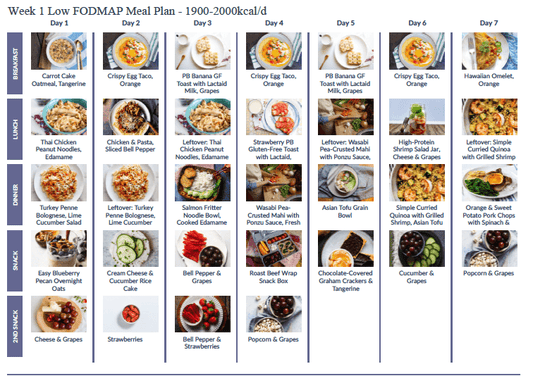
Dietary fiber counts. Focus on low FODMAP options that keep things moving without triggering irritable bowel symptoms:
- Two green kiwis daily (randomized trials show this fruit significantly improves bowel frequency)
- Rolled oats or overnight chia seed pudding (one tablespoon of chia seeds soaked overnight)
- Spinach, carrots, zucchini, and cucumbers
- Quinoa and brown rice
Note of caution: If you struggle with IBS alongside your weight management goals, avoid dried fruit, apples, and pears. Their high sorbitol content will trap gas and cause painful cramping.
7. Move Your Body After Meals
Take a 10 to 15-minute walk immediately following your largest meal of the day. Physical movement mechanically stimulates the gastrocolic reflex, telling your colon it is time to work. Aim for 30 minutes of total daily movement.
8. Master Your Toilet Mechanics
Your bathroom posture matters. Place a small stool under your feet to elevate your knees above your hips. Lean your torso slightly forward, rest your elbows on your thighs, and breathe out through pursed lips. Never strain or hold your breath. Allot five to ten minutes right after breakfast every single day—this is when your colon's natural rhythm peaks—whether you feel an urgent urge or not.
9. Use a Morning Thermal Trigger
Drinking a warm mug of black coffee, herbal tea, or warm lemon water first thing in the morning acts as a natural physical trigger, setting off peristaltic contractions in your large intestine.
10. The Medical Escalation Ladder
If you have implemented the steps above for five to seven days with zero results, introduce polyethylene glycol 3350 (MiraLAX). Take 17 grams dissolved in water daily; it is safe for longer-term use and works osmotically. If you need immediate rescue, consider a short, temporary course of a stimulant laxative like senna or bisacodyl. Do not use stimulant laxatives daily for extended periods.
11. Talk to Your Prescriber About Dose Timing
If constipation remains unmanageable despite aggressive lifestyle and supplement modifications, speak with your prescribing physician. Ask about holding your current dose for an extra four weeks instead of stepping up to the next titration tier. Giving your gut time to adapt to a stable drug concentration is a valid clinical strategy.
12. Know Your Red Flags
While standard constipation is manageable, GLP-1 medications carry rare reports of severe complications. Seek same-day medical evaluation if you experience:
- No bowel movement for more than five consecutive days
- Severe abdominal pain accompanied by vomiting
- Significant abdominal distension with an inability to pass gas
- Blood in your stool
Frequently Asked Questions
Why does Wegovy cause constipation while other medications cause diarrhea?
Semaglutide activates GLP-1 receptors in both the brain and the enteric nervous system, profoundly slowing down gastric emptying and the rhythmic muscular contractions (peristalsis) of the intestines. Because food and waste linger longer in the colon, excess water is stripped out, turning stool hard and dry.
Can I take daily laxatives while on semaglutide?
Daily use of osmotic laxatives like polyethylene glycol 3350 or gentle natural helpers like psyllium and magnesium is generally considered safe under medical guidance. However, stimulant laxatives like senna should be reserved for occasional rescue rather than everyday use to prevent your bowel from becoming dependent on them.
Are high-fiber diets enough to fix Wegovy constipation?
Usually, diet alone falls short because the slowed motility drug effect outpaces what food can achieve. Furthermore, eating large amounts of fiber when your stomach is full can worsen early satiety and bloating. A balanced protocol combining targeted psyllium, magnesium, hydration, and movement works much better than dietary changes alone.
When should I worry and call my doctor about my bowel habits?
Call your doctor if you go longer than five days without a bowel movement, or if your constipation comes hand-in-hand with severe abdominal pain, persistent vomiting, or visible blood in your stool. These symptoms require prompt clinical assessment.
Final Thoughts
Managing side effects should never get in the way of achieving your health goals. Constipation on Wegovy is common, predictable, and entirely manageable when you use a systematic approach. By combining proper hydration, targeted gentle supplements like Psyllium Fiber Supplement, and supportive daily habits, you can keep your digestive tract moving smoothly while you focus on your wellness journey.
Medical Disclaimer: This article is for informational purposes only and does not constitute medical advice. Dr. Onikepe Adegbola, MD PhD, and Casa de Sante recommend consulting your primary care physician or gastroenterologist before making changes to your medication schedule, supplements, or diet.