The Low FODMAP Diet for Kidney Stones: A Doctor's Guide






As a physician-scientist who has spent years studying the intricacies of gastrointestinal health, I often see patients grappling with overlapping clinical conditions that seem to pull their diet in opposite directions. Managing irritable bowel syndrome (IBS) requires restricting fermentable carbohydrates, while preventing kidney stones often demands a completely different set of dietary adjustments. If you have been diagnosed with both, figuring out how to apply a low fodmap diet for kidney stones can feel like solving a puzzle with missing pieces. Let us break down the physiology, correct some common dietary myths, and build a safe, sustainable plan that protects both your gut and your kidneys.
Key Takeaways
- Know your stone type: Dietary advice depends entirely on whether your stones are calcium oxalate, calcium phosphate, uric acid, struvite, or cystine.
- Calcium is your friend: Restricting dietary calcium increases calcium oxalate stone formation because calcium binds oxalate in the gut. Eat normal calcium amounts with meals.
- Watch out for low FODMAP traps: Many standard low FODMAP substitutes (like almonds, almond milk, spinach, and sweet potatoes) are high in oxalates.
- Address gut health: Conditions like IBD, fat malabsorption, and chronic diarrhoea raise oxalate absorption, making intestinal management vital for stone prevention.
Understanding Your Stone Type and Why It Dictates Your Diet
Before making any sweeping dietary changes, you need definitive data from your urologist or nephrologist. Kidney stones are not a monolith. The treatment for one chemical composition can actively worsen another.
Here are the primary stone types:
- Calcium Oxalate: Representing roughly 80% of all kidney stones, these form when calcium binds to oxalate in the urinary tract. Management focuses on urine volume, moderate oxalate intake, and normal dietary calcium.
- Calcium Phosphate: These stones form in alkaline urine. Management often involves addressing urinary pH and underlying metabolic factors rather than strict oxalate restriction.
- Uric Acid: Linked to acidic urine and high purine intake (red meat, shellfish, alcohol), these stones require urine alkalinization (often via potassium citrate) and purine reduction, not low FODMAP or low oxalate diets.
- Struvite: Typically triggered by chronic urinary tract infections caused by urease-producing bacteria. Treatment centers on infection eradication and surgical removal.
- Cystine: A rare, genetic metabolic disorder causing excess amino acid excretion. Treatment involves high fluid volumes, urine alkalinization, and targeted medications.
If you have calcium oxalate stones—by far the most common variety—your strategy requires balancing gut health needs with specific renal parameters derived from your 24-hour urine collection results. Do not guess your stone type; ask your specialist for the lab breakdown.
The Counter-Intuitive Truth About Dietary Calcium and Oxalates
One of the most persistent misconceptions in clinical medicine is that people with kidney stones must avoid calcium. Patients often eliminate dairy products entirely, believing this will keep calcium out of their urine.
Biologically, the opposite happens.
Dietary calcium binds to oxalate in your gut lumen. When calcium and oxalate bind in the digestive tract, they form an insoluble compound that passes safely out of your body in your stool. If you starve your gut of calcium by eliminating dairy and calcium-rich foods, unbound oxalate is left free to cross the intestinal wall, enter your bloodstream, travel to your kidneys, and precipitate into crystals.
Therefore, normal dietary calcium intake taken with your meals is protective against calcium oxalate stones.
Instead of fearing calcium, focus on the true physiological levers of stone prevention:
- Urine Volume: Aim for a daily urine output that translates to drinking enough fluids to produce at least 2 to 2.5 litres of urine daily. Target urine volume rather than counting glasses of water.
- Sodium Reduction: High sodium intake increases calcium excretion in the kidneys. Lowering your salt intake is one of the fastest ways to drop urinary calcium levels.
- Moderate Animal Protein: Excessive animal protein increases urinary acid and calcium while lowering citrate, raising stone risk. Keep portions moderate.
- Citrate Intake: Citrate binds to calcium in the urine, preventing it from forming crystals. Fresh lemon juice or lime juice in water provides a natural dietary boost of citrate.
- Oxalate Moderation: If you are a calcium oxalate former with elevated urinary oxalate (hyperoxaluria), limit very high-oxalate foods such as spinach, rhubarb, beetroot, almonds, nuts, wheat bran, chocolate, black tea, and sweet potato. Also avoid vitamin C megadoses, as ascorbic acid metabolizes into oxalate.
Applying the Low FODMAP Diet for Kidney Stones: Overlaps and Conflicts
When you layer a low fodmap diet for beginners onto a stone-prevention protocol, you enter an area requiring careful clinical navigation. The two diets share common ground in some areas while conflicting directly in others.
Where the Diets Agree
Both dietary frameworks encourage minimizing high-fructose corn syrup, excessive free fructose, and sugar-sweetened beverages. Both advocate for whole, unprocessed foods and moderate portion sizes of items that might otherwise trigger gut distress or metabolic imbalances.
Where the Diets Conflict
Conflicts arise when treating IBS requires restrictions that inadvertently harm your kidneys:
- Lactose Restriction and Calcium: Eliminating dairy to manage lactose intolerance can plummet your calcium intake right when you need it most to bind gut oxalate. The clinical solution involves using lactose-free milk, hard aged cheeses (naturally low in lactose), calcium-set tofu, and calcium-fortified low FODMAP plant milks. Ensure you consume your calcium sources at meals. Read more about alternatives in our guide to low fodmap dairy alternatives.
- The Oxalate Trap in Low FODMAP Swaps: When patients eliminate wheat, onions, and garlic, they often pivot to alternative grains and plant milks. Unfortunately, many popular low FODMAP substitutes are surprisingly high in oxalates. Almonds, almond milk, spinach, sweet potatoes, and rice bran are staple swaps in various low FODMAP meal plans, yet they can spike your oxalate load if you are vulnerable to calcium oxalate stones.
- Constipation and Gut Transit: A restrictive low FODMAP elimination phase can reduce dietary fibre intake, worsening constipation. Slow gut transit time increases the window for colonocytes to absorb dietary oxalate. Maintaining healthy bowel regularity is an under-appreciated pillar of kidney stone prevention.
Enteric Hyperoxaluria and Gut Conditions
Your gut and kidneys are tightly coupled. When the gastrointestinal tract is inflamed or functioning poorly, systemic stone risk rises significantly.
Enteric hyperoxaluria occurs when conditions like inflammatory bowel disease (IBD), coeliac disease, chronic fat malabsorption, bile acid diarrhoea, or post-bariatric surgery anatomy alter the intestinal environment. In fat malabsorption, unabsorbed fatty acids bind to calcium in the gut lumen. Normally, that calcium would bind to oxalate. Instead, the calcium is trapped by fat, leaving free oxalate unbound, highly soluble, and readily absorbed through the colon wall.
Furthermore, chronic diarrhoea causes significant fluid losses, concentrating your urine and creating an ideal environment for crystal formation. This means treating your underlying gut disorder is an essential part of stone prevention. If you manage IBD or malabsorptive issues, coordinating with your gastroenterologist is just as important as talking to your urologist.
For those navigating inflammatory conditions, reviewing specialized protocols such as FODMAP for IBD and managing bile acid diarrhoea helps protect both gut lining integrity and urinary parameters.
You may also wonder about gut microbes. Bacteria such as Oxalobacter formigenes naturally degrade oxalate in the human colon. While researchers find this biologically fascinating, clinical trials using probiotic strains for stone prevention have shown mixed, limited evidence. In clinical practice, I recommend focusing primarily on dietary oxalate control and fluid dynamics rather than relying on specific stone-targeting probiotics.
However, supporting overall microbiome health during dietary restrictions remains valuable. For general gut support, I often recommend a practitioner-formulated option like Advanced Probiotics GI Support to help maintain microbial balance without disrupting renal protocols.
A Practical Blueprint for Implementing a Low FODMAP Diet for Kidney Stones
Balancing these nutritional requirements does not mean eating bland, restrictive meals. Below is a practical guide to structuring your daily routine, reading your lab reports, and managing digestive comfort.
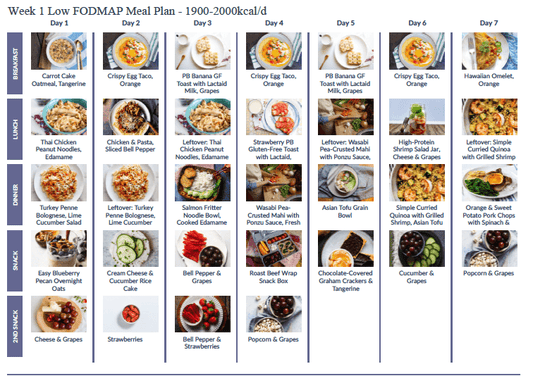
A Sample Day of Eating
- Breakfast: Scrambled eggs cooked with a splash of lactose-free milk, served with a side of sliced strawberries and a cup of green tea (or black tea in moderation, keeping total oxalate in check). Enjoy with a glass of water infused with fresh lemon juice.
- Lunch: Grilled chicken breast over a bed of baby kale (lower in oxalate than spinach) and cucumbers, dressed with extra virgin olive oil and fresh lime juice. Quinoa as a low FODMAP, low-oxalate grain base.
- Snack: Lactose-free plain Greek yoghurt with a small handful of macadamia nuts or pumpkin seeds (lower oxalate nut/seed options compared to almonds).
- Dinner: Baked salmon seasoned with herbs, served alongside roasted carrots and white rice. A side of firm, calcium-set tofu cooked in garlic-infused olive oil.
- Hydration: Continuous water intake distributed throughout the day, aiming for light-coloured, dilute urine.
How to Read Your 24-Hour Urine Report
When your urologist hands you a 24-hour urine collection report, look for these key clinical markers:
- Urine Volume: Look for a total volume above 2.0 to 2.5 litres. If yours is low, fluid intake is your primary lever.
- Calcium: High urinary calcium (hypercalciuria) points toward excessive sodium intake, high animal protein, or genetic factors.
- Oxalate: Elevated urinary oxalate (hyperoxaluria) requires reviewing dietary oxalate intake and assessing for fat malabsorption or enteric issues.
- Citrate: Low urinary citrate (hypocitraturia) indicates a lack of stone inhibitors. This is easily addressed with citrus fruits, lemonade, or potassium citrate supplements.
- Uric Acid: High uric acid levels point to purine metabolism or dietary factors.
When Dietary Levers Need Medical Support
Dietary modifications form the foundation of stone prevention, but they are not always sufficient on their own. If your metabolic labs remain out of range despite diligent eating habits, your physician may introduce targeted medications:
- Thiazide Diuretics: Reduce calcium excretion through the kidneys.
- Potassium Citrate: Alkalinizes the urine and raises citrate levels to inhibit crystal formation.
- Allopurinol: Lowers systemic uric acid production for uric acid stone formers.
Supporting Gut Comfort Safely
Navigating food restrictions while protecting your kidneys can sometimes lead to digestive sluggishness or enzyme sensitivities. When patients experience post-meal bloating or difficulty breaking down complex carbohydrates during dietary transitions, I often recommend a targeted digestive enzyme supplement like Casa de Sante FODMAP Digestive Enzymes to ease gastrointestinal distress.
Additionally, maintaining regular bowel movements is essential for proper gut transit and minimizing oxalate absorption. For patients needing gentle support with regularity, a practitioner-formulated option such as the Psyllium Fiber Supplement can be integrated into your routine—utilised strictly for stool regularity and gut comfort, rather than as a treatment for kidney stones. You can read more about managing bowel health in our resource on psyllium for IBS.
Red Flag Symptoms — When to Seek Urgent Care
Kidney stones can occasionally cause acute medical emergencies. Seek immediate medical attention or visit an emergency department if you experience severe flank or lower back pain accompanied by fever, chills, persistent vomiting, an inability to pass urine, or visible blood in your urine.
Frequently Asked Questions
Can I safely follow a low FODMAP diet if I have kidney stones?
Yes, but you must plan carefully. The main risk is accidentally replacing high-FODMAP foods with high-oxalate items like almonds, almond milk, spinach, and sweet potatoes. Work with your clinical team to choose low-oxalate, low-FODMAP alternatives.
Should I avoid calcium to prevent calcium oxalate stones?
No. Eliminating calcium actually increases your risk of kidney stones. Calcium binds to oxalate in your gut, preventing oxalate from entering your bloodstream and kidneys. Always consume normal amounts of calcium with your meals.
Is almond milk bad for kidney stones?
Almond milk is high in oxalates because it is made from almonds. If you form calcium oxalate stones and have high urinary oxalate, swap almond milk for macadamia milk, oat milk, or lactose-free dairy milk.
Does lemon water actually help prevent kidney stones?
Yes. Lemons and limes are rich in citrate. Citrate binds to calcium in the urine, inhibiting it from forming crystals. Adding fresh lemon juice to your daily water intake is an effective, evidence-based habit.
Can IBS or chronic diarrhoea cause kidney stones?
Yes. Chronic diarrhoea leads to significant fluid losses, concentrating your urine. Furthermore, conditions involving fat malabsorption cause unabsorbed fats to bind calcium, leaving free oxalate to be absorbed into the bloodstream, raising stone risk.
Are probiotics useful for kidney stone prevention?
While gut bacteria like Oxalobacter formigenes can degrade oxalate, clinical trial evidence supporting specific probiotics for stone prevention remains limited. Focus primarily on hydration, dietary oxalate management, and normal calcium intake.
Medical Disclaimer: This article is for informational and educational purposes only and does not constitute medical advice, diagnosis, or treatment. Dr. Onikepe Adegbola, MD PhD, and Casa de Sante do not provide individual medical diagnoses or treatment plans online. Always consult your urologist, nephrologist, or primary healthcare provider before making major changes to your diet, supplements, or medication regimen.