The Low FODMAP Diet for Diverticulitis: Recovery & Fibre Guide






Key Takeaways
- Acute vs. Chronic: A low FODMAP diet does not treat acute diverticulitis. It is designed for persistent bloating, pain, and bowel irregularity after infection clearance.
- Myth Busted: Outdated advice to avoid nuts, seeds, and popcorn is unsupported by modern cohort studies; higher long-term dietary fibre intake actually reduces diverticular complications.
- Short-Term Tool: Restrict fermentable carbs for only 2 to 6 weeks, then systematically reintroduce them to prevent long-term fibre deficits.
- Fibre Workhorse: Gradually increase soluble fibre intake, particularly using gentle agents like psyllium, paired with proper hydration.
- Red Flags: Severe left lower quadrant pain, fevers, vomiting, or rectal bleeding require immediate medical evaluation, not dietary adjustments.
If you have recently recovered from a painful flare of diverticular inflammation, you might be wondering whether a low fodmap diet for diverticulitis is the right next step for your gut. In my clinical practice as a physician-scientist, patients often arrive in my office exhausted, confused, and terrified of food. They have been told conflicting things about what to eat, what to avoid, and how to prevent another agonizing hospital visit.
Let us clear the air right away. Diverticular disease is complex, but managing your post-recovery symptoms does not have to be an exercise in starvation. By understanding the anatomy of your colon, separating dangerous acute infections from post-infectious irritable bowel symptoms, and carefully timing your dietary interventions, you can regain control of your digestion.
Understanding Diverticulosis and the Low FODMAP Diet for Diverticulitis
To understand why dietary choices matter, we have to look at the physical architecture of your colon. As we age, the muscular walls of the large intestine can develop small, balloon-like pouches called diverticula. This condition is known as diverticulosis. It is remarkably common—affecting over half of adults over the age of sixty—and for most people, it remains entirely silent and asymptomatic.
Trouble begins when one of these pouches becomes inflamed or infected. This acute event is acute diverticulitis. It is a serious medical illness characterized by severe abdominal pain, fever, and leukocytosis. Historically, clinicians managed acute attacks with strict bowel rest, clear liquids, and broad-spectrum antibiotics, followed by a very slow, stepwise return to solid food.
However, many patients find that even after the acute infection clears and the antibiotics are finished, their gut refuses to settle down. They experience persistent cramping, unpredictable bowel habits, excessive gas, and stubborn bloating. This clinical picture is often referred to as symptomatic uncomplicated diverticular disease (SUDD) or post-diverticulitis irritable bowel syndrome (IBS). This is where the low fodmap diet for diverticulitis actually belongs.
If you are new to this therapeutic framework, I recommend reviewing our guide on the low fodmap diet for beginners to understand how fermentable oligosaccharides, disaccharides, monosaccharides, and polyols affect gut water balance and gas production.
The Role of the Low FODMAP Diet for Diverticulitis (And When Not to Use It)
One of the most critical distinctions I make with my patients is this: A low FODMAP diet does not treat acute diverticulitis. If you are running a fever, doubled over in severe left lower quadrant pain, or unable to keep fluids down, do not attempt to self-treat with dietary restriction. You need immediate medical evaluation.
Once an acute attack has completely resolved, however, functional overlap takes over. The inflammation damages the delicate enteric nervous system lining your colon, altering motility and visceral sensitivity. High-FODMAP foods—such as onions, garlic, wheat, legumes, and certain fruits—produce excess gas and draw extra water into the lumen of a healing, hypersensitive colon. This triggers severe distension and discomfort that mimics active infection.
By temporarily restricting these fermentable carbohydrates, we starve the gas-producing bacteria of excess fuel and calm colonic hypersensitivity. In my clinical practice, I often recommend incorporating targeted digestive enzymes like Casa de Sante FODMAP Digestive Enzymes during meals to help break down potentially troublesome components and ease the transition back to normal eating.
Busted: The Truth About Nuts, Seeds, and Dietary Fibre
For decades, medical textbooks handed down a strict, fear-inducing edict: patients with diverticular disease must avoid nuts, seeds, popcorn, and corn at all costs. The medical theory was that these hard particles would wedge themselves inside a diverticular pouch and trigger inflammation.
Extensive prospective cohort studies—including data from the Health Professionals Follow-up Study—have thoroughly dismantled this dogma. Researchers followed tens of thousands of men over decades and found absolutely no correlation between consuming nuts, corn, or popcorn and the development of acute diverticulitis or its complications. In fact, individuals who consumed higher amounts of dietary fibre had a significantly lower risk of developing diverticular disease in the first place.
Why does this matter for your recovery? Because the ultimate long-term goal of colon health is more fibre and more plant diversity, not less. This brings us to a crucial clinical tension.
The Central Tension: Balancing Low FODMAP Restriction with Long-Term Fibre Goals
Here lies the paradox of using a low FODMAP protocol for diverticular symptoms: many of the best natural sources of dietary fibre—such as onions, garlic, legumes, apples, and pears—are also high in FODMAPs. If you maintain a strict low FODMAP elimination phase indefinitely, your fibre intake will plummet.
A low-fibre diet is the exact opposite of what your colon needs for long-term health. Therefore, you must view the low FODMAP framework as a short-term therapeutic tool, typically lasting 2 to 6 weeks. It should always be followed by a structured fodmap reintroduction phase. The goal is to identify your specific triggers while systematically working your way back up to a diverse, high-fibre diet rich in low fodmap high fibre foods.
Step-by-Step Dietary Recovery After an Acute Attack
Progressing from an acute inflammatory flare back to normal eating requires patience and a structured, phased approach:
- The Acute Phase (Hospital or Home Rest): Clear liquids, broth, electrolyte solutions, and strained gelatin. Bowel rest allows the inflamed mucosal tissue to heal.
- The Low-Residue Transition: As pain and nausea subside, advance to low-fibre, easily digestible foods. Think white rice, refined pasta, well-cooked skinless chicken, eggs, and white toast. This minimizes mechanical stool volume while your colon recovers.
- The Low FODMAP Symptom-Management Phase: If bloating, irregular bowel movements, and cramping persist after healing, adopt a structured low FODMAP eating pattern to control functional symptoms.
- The Long-Term High-Fibre Maintenance Phase: Gradually reintroduce FODMAPs to your personal tolerance threshold while aggressively scaling up your daily fibre intake through tolerated plant foods and gentle supplements.
How to Add Fibre Back Safely: The Workhorse Role of Psyllium
Reintroducing fibre after an episode of diverticulitis can feel daunting. If you increase your fibre intake too quickly, you will experience severe cramping, flatulence, and bloating. The golden rule of colon rehabilitation is simple: go low, go slow, and hydrate.
When rebuilding your stool bulk and supporting normal colonic transit, soluble, viscous fibres are vastly superior to harsh insoluble fibres in the early stages. Soluble fibre dissolves in water to form a gentle gel, smoothing out stool consistency and preventing both constipation (which raises intraluminal pressure in the colon) and loose stools.
This is where psyllium husk shines. Psyllium has a robust evidence base for improving overall bowel regularity and managing functional gut symptoms, as detailed in our guide on psyllium for IBS. In my clinical protocols, I regularly utilize Casa de Sante Psyllium Fiber Supplement as a foundational workhorse. It is formulated specifically to be gut-friendly, non-GMO, and low FODMAP, allowing patients to increase their daily fibre intake without triggering excess gas production.
When starting psyllium, begin with half a teaspoon daily mixed in a full glass of water, increasing by a half teaspoon each week until you reach your target dose. Always drink adequate fluids throughout the day to ensure proper transit.
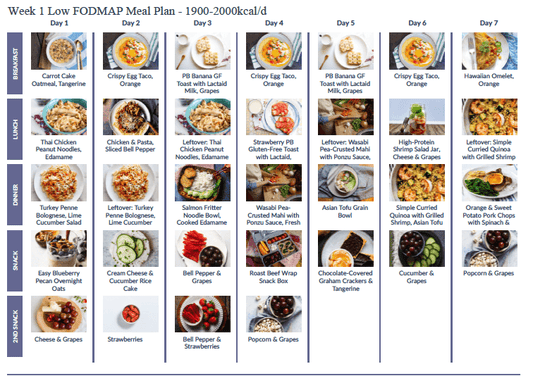
A Sample Low FODMAP, Fibre-Minded Day of Eating
To visualize how you can maintain a gut-friendly, fibre-conscious diet while managing symptoms, consider this sample daily menu:
- Breakfast: Overnight oats made with certified gluten-free rolled oats, almond milk, a scoop of Casa de Sante Psyllium Fiber Supplement, chia seeds (within tolerance), and fresh blueberries.
- Lunch: Quinoa bowl with roasted firm tofu, baby spinach, sliced cucumbers, carrots, and a dressing made from extra virgin olive oil, lemon juice, and fresh herbs (chives and garlic-infused oil).
- Snack: Lactose-free Greek yogurt topped with a small handful of pumpkin seeds and strawberries.
- Dinner: Grilled wild-caught salmon served alongside roasted sweet potatoes (in small, tested portions) and steamed green beans (under 15 beans per serving).
Medical Interventions and Lifestyle Risk Factors Worth Knowing
Dietary changes are only one pillar of comprehensive diverticular management. In clinical practice, we also evaluate medical therapies and lifestyle factors that influence your risk of future flares.
The evidence regarding pharmacological therapies is mixed. Agents like mesalazine (an anti-inflammatory drug) and rifaximin (a non-absorbable antibiotic) have been studied extensively for symptomatic uncomplicated diverticular disease. While some trials show modest symptom relief, guidelines remain guarded, and their use is decided on a case-by-case basis by your gastroenterologist.
Probiotics are another frequent topic of discussion. While specific multi-strain formulations can help restore microbial diversity, strain selection is critical. For a deeper dive into evidence-based strains, read our review on the best probiotics for IBS. To support overall microbiome resilience during or after recovery, many of my patients benefit from incorporating Casa de Sante Advanced Probiotics GI Support, keeping in mind that individual responses vary based on baseline microbial composition.
Beyond diet and supplements, robust epidemiological data highlights several lifestyle risk factors that dramatically increase the likelihood of diverticular complications:
- Smoking: Nicotine impairs mucosal blood flow and immune function in the colon, raising the risk of severe diverticulitis.
- Obesity: Visceral adiposity increases intra-abdominal pressure and systemic low-grade inflammation.
- Physical Inactivity: Sedentary lifestyles slow colonic motility, promoting constipation and high intracolonic pressures.
- Regular NSAID Use: Non-steroidal anti-inflammatory drugs (like ibuprofen and naproxen) compromise the mucosal barrier of the gastrointestinal tract.
- High Red Meat Intake: Diets heavy in processed and red meats correlate with higher rates of diverticular disease.
Red Flag Symptoms: When to Seek Emergency Medical Attention
Because diverticular disease can progress rapidly from mild discomfort to a surgical emergency, you must be vigilant about red flag symptoms. If you experience any of the following, bypass dietary adjustments and seek immediate medical evaluation at an emergency department:
- Severe, worsening pain in the left lower quadrant of your abdomen that does not resolve with rest or bowel movements
- Persistent fevers, chills, or rigors
- Repeated vomiting accompanied by significant abdominal distension
- Inability to pass gas or stool (signs of mechanical obstruction)
- Rectal bleeding or passage of maroon stools
- Pain or burning during urination, or the passage of air in your urine (suggesting a fistula between the colon and bladder)
Frequently Asked Questions
Can I follow a low FODMAP diet if I have diverticular disease?
Yes, but with an important caveat. A low FODMAP diet does not treat acute diverticulitis or prevent diverticula from forming. It is specifically useful during the post-recovery phase when you are dealing with lingering bloating, cramping, and irregular bowel habits caused by post-infectious functional gut overlap.
Should I continue to avoid nuts, seeds, and popcorn?
Current clinical research shows no evidence that eating nuts, seeds, popcorn, or corn increases your risk of developing diverticulitis or suffering recurrent flares. You do not need to eliminate these foods unless you have a specific personal intolerance.
What should I eat immediately after an acute diverticulitis flare?
Your physician will typically recommend starting with clear liquids, progressing slowly to a low-residue diet (refined grains, well-cooked lean meats, eggs, and cooked low-fibre vegetables), and gradually advancing toward a normal, high-fibre diet as healing permits.
How long should I stay on a low FODMAP diet?
The elimination phase of a low FODMAP diet is designed to be short-term—typically 2 to 6 weeks. Remaining on a strict low FODMAP diet long-term starves beneficial gut microbes and reduces your overall fibre intake, which is counterproductive for long-term colon health. Always follow elimination with a systematic reintroduction phase.
Does fibre help or hurt diverticular disease?
High dietary fibre is your best long-term defense against diverticular complications. Fibre bulks your stool, reduces colonic pressure, and promotes regular motility. However, you must increase fibre slowly and hydrate adequately to avoid triggering gas and cramping.
Why do I still have bloating even after my infection cleared?
An acute bout of diverticulitis causes localized inflammation that temporarily damages the nerves and muscles of the intestinal wall, leading to visceral hypersensitivity and altered motility—a condition very similar to post-infectious irritable bowel syndrome. Targeted dietary adjustments, soluble fibre supplementation, and digestive enzymes can help manage these residual symptoms.