Mounjaro Bloating: A Physician's Guide to Why It Happens & How to Fix It






If you are one of the millions of people using tirzepatide to manage your weight or blood sugar, you likely know the "Mounjaro belly" feeling all too well. While the weight loss results can be life-changing, the mounjaro bloating that often accompanies it can be incredibly uncomfortable. You might feel like your stomach is a balloon ready to pop, or perhaps you feel "stuffed" for eight hours after eating just a small salad.
As a physician-scientist, I see this daily. In clinical trials, bloating was reported by about 5% to 9% of participants. However, in real-world patient communities and my own clinical observations, that number is much higher—likely closer to 20% or 30%. This isn't just "in your head." There are specific biological reasons why this medication affects your gut so profoundly. Understanding the "why" is the first step toward finding relief.
Key Takeaways
- Dual Action: Mounjaro targets both GLP-1 and GIP receptors, which can slow digestion more significantly than older medications.
- Delayed Emptying: Food stays in your stomach up to four times longer than normal, leading to fermentation and gas.
- Dose Jumps: Bloating often peaks during dose increases, particularly the move to 7.5mg or 12.5mg.
- Enzymes are Essential: Using a targeted supplement like GLP-1 Digestive Enzyme Companion helps break down food before it causes gas.
- Small Changes Matter: Walking after meals and avoiding carbonation can significantly reduce abdominal pressure.
The Science Behind Mounjaro Bloating: Why It Happens
Mounjaro (tirzepatide) is a dual agonist. This means it mimics two different hormones in your body: Glucagon-like peptide-1 (GLP-1) and Glucose-dependent insulinotropic polypeptide (GIP). While this dual action makes it highly effective for weight loss, it also creates a "double whammy" effect on your digestive system.
1. Dual Receptor Slowing
Most people are familiar with GLP-1, which tells your brain you're full and slows down your stomach. But Mounjaro also activates GIP receptors. GIP influences how your gut moves (motility) and how you absorb nutrients. When both pathways are activated, the digestive slowdown is more pronounced than what we see with single-agonist drugs like semaglutide. Your gut essentially goes into a low-power mode.
2. Profoundly Delayed Gastric Emptying
This is the primary driver of mounjaro bloating. Research shows that these medications can increase gastric transit time by up to 400%. If food that normally leaves your stomach in two hours is now sitting there for eight, it begins to ferment. This fermentation produces gas right in the upper GI tract, leading to that distinct feeling of upper abdominal distension and "sulfur burps."
3. The Risk of SIBO-like Symptoms
When transit slows down this much, it creates an environment where bacteria can thrive in the wrong places. Small Intestinal Bacterial Overgrowth (SIBO) occurs when bacteria from the colon migrate up into the small intestine. Even if you don't have clinical SIBO, the "stagnant" food in your gut acts as a feast for gas-producing bacteria. This results in excessive gas and visible bloating, especially after you eat fermentable carbohydrates like onions, garlic, or beans.
4. Bile Acid and Gallbladder Changes
GIP signaling plays a role in how your gallbladder functions and how bile is secreted. Bile is necessary for breaking down fats. If bile flow is altered, you may experience fat malabsorption. Undigested fats reaching the later parts of the digestive tract cause significant bloating, urgency, and discomfort.
Managing Mounjaro Bloating: A Physician's Protocol
You do not have to choose between your weight loss goals and digestive comfort. In my practice, I recommend a multi-layered approach to manage these side effects. We want to support your gut's ability to process food even while the medication is slowing things down.
The Role of Digestive Enzymes
The most impactful intervention I have found for my patients is the use of targeted digestive enzymes. Because food sits in the stomach longer, we need to "pre-digest" it as much as possible. By breaking down proteins, fats, and complex carbs early, there is less "fuel" for the bacteria in your gut to turn into gas.
For those on GLP-1 medications experiencing digestive discomfort, a gut-gentle supplement such as GLP-1 Digestive Enzyme Companion can provide meaningful relief. I suggest taking these with every single meal, not just when you feel bloated. Prevention is much easier than trying to deflate a bloated abdomen after the fact.
Microbiome Stability
The shift in how fast food moves through you inevitably changes your microbiome. Some beneficial bacteria might decrease, while gas-producing strains increase. Supporting your gut with specific strains of Bifidobacterium and Lactobacillus can help maintain balance. I often recommend Advanced Probiotics GI Support to help stabilize the gut environment during the first few months of treatment or during dose escalations.
Fiber: The Right Kind Matters
Many people try to fix bloating by adding more fiber, but the wrong kind of fiber can make mounjaro bloating much worse. High-insoluble fiber (like wheat bran) can feel like "sandpaper" in a slow gut. Instead, I recommend a soluble, low-FODMAP fiber. A physician-formulated option like Psyllium Fiber Supplement provides gentle bulk that helps regulate transit time without causing extra gas.
Practical Lifestyle Adjustments for Relief
Beyond supplements, how and when you eat makes a massive difference. When you are on Mounjaro, your old eating habits usually need an overhaul.
- Eat Small, Frequent Meals: Instead of three large meals, aim for 4 to 6 small snacks throughout the day. This prevents your stomach from becoming overwhelmed. A "large" meal on Mounjaro is often the size of a side dish.
- The "Stop Before Full" Rule: Because of the delay in signaling, by the time you feel "full," you have already overeaten for your current stomach capacity. Stop eating when you no longer feel hungry, rather than waiting for a fullness cue.
- Chew Thoroughly: Your stomach's mechanical ability to grind food is reduced. You must do that work in your mouth. Aim for 20-30 chews per bite. It sounds tedious, but it significantly reduces the workload on your GI tract.
- Post-Meal Movement: A 10-15 minute light walk after eating is one of the best ways to stimulate gastric motility. Gravity and movement help nudge food through the digestive system.
- Avoid Carbonation: If you are already struggling with gas, do not add more. Sparkling water, sodas, and even "diet" carbonated drinks trap air in the stomach that has nowhere to go.
Dietary Triggers to Watch For
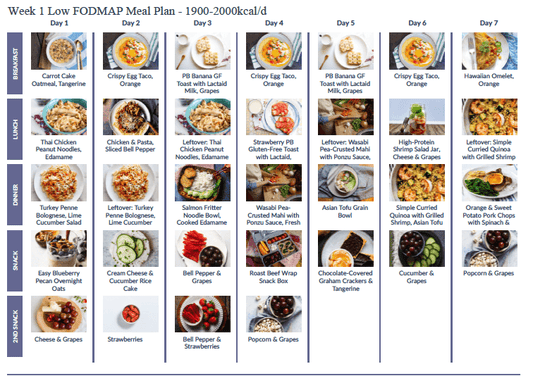
While Mounjaro reduces your appetite, it can also make you more sensitive to certain foods. During the first few weeks of a new dose, I often suggest a temporary low-FODMAP approach. FODMAPs are fermentable carbohydrates that are notorious for causing gas.
Try limiting these common triggers if your bloating is severe:
- Cruciferous Vegetables: Broccoli, cauliflower, and cabbage.
- Alliums: Heavy use of garlic and onions.
- Legumes: Beans and lentils.
- Dairy: Many patients develop a temporary lactose sensitivity while on GLP-1s.
- Sugar Alcohols: Erythritol and sorbitol (often found in "keto" or "sugar-free" snacks) are major bloating triggers.
The Impact of Dose Escalation
It is very common for mounjaro bloating to flare up when you increase your dose. The jumps from 5mg to 7.5mg and 10mg to 12.5mg are often the hardest on the gut. It takes the body about 4 to 6 weeks to adapt to the new level of hormone signaling. If you are planning a dose increase, start your digestive enzyme and probiotic regimen a week before to prepare your system.
When to See Your Doctor
While bloating is common, it is not always benign. You should contact your healthcare provider if you experience:
- Severe abdominal pain that radiates to your back.
- Persistent vomiting or the inability to keep liquids down.
- A total inability to pass gas or have a bowel movement for several days.
- Bloating that starts suddenly after you have been on the same dose for months without issues.
- Vomiting food that you ate 12 or 24 hours ago (a sign of gastroparesis).
Conclusion
Managing mounjaro bloating is about working with your body's new rhythm rather than fighting against it. By using targeted tools like digestive enzymes, choosing the right types of fiber, and adjusting your eating patterns, you can enjoy the benefits of tirzepatide without the constant discomfort. Remember, your gut is undergoing a significant transition; give it the support it needs to succeed.
Frequently Asked Questions
1. How long does Mounjaro bloating last?
For most people, bloating is most intense during the first 2-3 weeks of a new dose. As your body adjusts to the medication, the symptoms usually diminish. However, if your eating habits don't change, some level of bloating may persist.
2. Can I take Gas-X (simethicone) with Mounjaro?
Yes, simethicone is generally safe to use and can help break up large gas bubbles. However, it doesn't address the root cause (slowed digestion), which is why I recommend enzymes as a more proactive solution.
3. Why do I get "sulfur burps" on Mounjaro?
Sulfur burps are caused by food sitting in the stomach for too long and beginning to decay. The hydrogen sulfide gas produced during this process has a distinct "rotten egg" smell. Digestive enzymes and smaller meals are the best ways to prevent this.
4. Does the bloating mean the medication is working?
In a way, yes. Bloating is a side effect of the delayed gastric emptying, which is one of the ways the drug helps you feel full and lose weight. The goal is to find the "sweet spot" where the drug is effective but the side effects are manageable.
5. Should I stop eating fiber if I'm bloated?
No, stopping fiber entirely can lead to constipation, which makes bloating even worse. The key is to switch to a gentle, soluble fiber like psyllium husk and stay well-hydrated.
Disclaimer: This information is for educational purposes only and does not constitute medical advice. Always consult with your prescribing physician before starting new supplements or making significant changes to your treatment plan.