Managing GLP 1 and Antibiotics Safely: What to Know






You just picked up a prescription for a stubborn sinus infection or a dental abscess, and your mind races back to your weekly injection. If you are taking semaglutide, tirzepatide, or another incretin mimetic, managing glp 1 and antibiotics at the same time brings up very real clinical questions. Patients frequently ask me whether these medications cancel each other out, or why their stomach suddenly feels like a war zone after swallowing a single pill. As a physician-scientist trained at Johns Hopkins, I see this intersection frequently in clinical practice. Let us break down what is actually happening inside your digestive tract, separating clinical fact from internet guesswork.
- Most systemic antibiotics do not have direct hepatic enzyme drug interactions with GLP-1 receptor agonists.
- Delayed gastric emptying caused by GLP-1 medications alters how oral drugs are absorbed, changing peak concentration and timing.
- Combining antibiotic-induced gastrointestinal distress with GLP-1 side effects can cause severe nausea, vomiting, and dehydration.
- Strategic timing, electrolyte replenishment, and targeted gut support can make a major difference in your comfort and recovery.
Understanding the Pharmacokinetics of GLP 1 and Antibiotics
When patients ask if an antibiotic will interfere with their GLP-1 medication, they are usually worried about liver metabolism. In pharmacology, many drugs interact because they compete for the same cytochrome P450 (CYP) enzymes in the liver.
Here is the reassuring news: GLP-1 receptor agonists are peptide-based medications. They are degraded by endogenous enzymes like dipeptidyl peptidase-4 (DPP-4) and neutral endopeptidases. They do not rely on hepatic CYP450 pathways for clearance. Because of this, traditional metabolic drug-drug interactions between systemic antibiotics and GLP-1 receptor agonists are exceedingly rare.
The true interaction mechanism is mechanical, not metabolic: delayed gastric emptying.
GLP-1 receptor agonists slow down the rate at which food and pills leave your stomach. When you swallow an oral antibiotic while on a GLP-1, that pill sits in your gastric juices significantly longer than it would otherwise. For most standard antibiotics, this simply delays the time it takes to reach peak concentration in your bloodstream. However, for medications with a very narrow therapeutic window or those requiring rapid absorption, this delay can reduce overall effectiveness.
This is particularly critical for oral semaglutide tablets (Rybelsus), which carry strict morning fasting and water-volume requirements to ensure absorption across the gastric mucosa. Adding other oral medicines into that specific dosing window disrupts the chemical environment required for the peptide to absorb properly. If you take multiple oral medications alongside a GLP-1, do not guess your schedule—ask your pharmacist to map out precise spacing intervals.
The Reality of Additive GI Misery When Mixing GLP 1 and Antibiotics
While pharmacokinetic interactions might be minimal on paper, the physical experience in your gut tells a completely different story. This is where patients feel the true impact of taking glp 1 and antibiotics simultaneously.
Both drug classes are notorious for upsetting the gastrointestinal tract, but they do so through entirely different mechanisms:
- Antibiotics: Frequently trigger nausea, vomiting, cramping, appetite loss, and acid reflux by irritating the gastric mucosa and disrupting the resident microbiome.
- GLP-1s: Slow gastric motility, stimulate central nervous system nausea pathways, and alter gut hormone signaling.
When you stack these effects together, your stomach effectively goes on strike. Nausea intensifies, early satiety becomes outright food aversion, and reflux flares because stomach contents linger longer. This combination quickly spirals into inadequate fluid intake. If your appetite is already suppressed by your weekly injection and an antibiotic makes you nauseous, you stop drinking water. That is the exact recipe for acute dehydration, dizziness, and worsening fatigue.
Managing this requires proactive symptom control. If nausea is hitting you hard, review proven ozempic nausea remedies to keep your day manageable. Furthermore, because fluid losses mount quickly when your stomach rejects liquids, keeping cellular hydration stable is essential. I frequently direct patients to utilize the best electrolytes for GLP-1 support to maintain fluid balance without triggering additional bloating.
Antibiotic-Associated Diarrhea and C. Difficile Risks
Beyond simple nausea, we must talk about the large intestine. Broad-spectrum antibiotics—such as amoxicillin-clavulanate, clindamycin, and fluoroquinolones—do not discriminate between harmful bacteria and your beneficial gut microbes. They wipe out substantial portions of your microbiome diversity.
This microbial destruction leads directly to antibiotic-associated diarrhea (AAD). In more serious cases, the overgrowth of opportunistic pathogens like Clostridioides difficile (C. diff) becomes a genuine clinical concern. C. diff causes severe, watery diarrhea, distinct foul-smelling stools, and deep abdominal cramping.
When you combine antibiotic-induced diarrhea with a slowed-down GI tract from a GLP-1, the clinical picture requires close observation. Dehydration happens much faster when bowel motility is altered and fluid output increases.
Red Flags Requiring Same-Day Medical Assessment:
- Watery diarrhea occurring six to ten times a day
- Fever or chills accompanying gastrointestinal distress
- Visible blood, mucus, or dark specs in your stool
- Severe, unrelenting lower abdominal pain or localized tenderness
- Dizziness upon standing, dark urine, or signs of acute dehydration
If you experience these symptoms, contact your prescribing physician immediately. Do not attempt to manage severe C. diff risk at home with over-the-counter anti-diarrheal medications without professional clearance.
Specific Antibiotic Considerations in Clinical Practice
Different classes of antibiotics interact with your body and your GLP-1 regimen in unique ways. Here is what you need to know about specific medications:
1. Metronidazole (Flagyl)
Metronidazole is commonly prescribed for anaerobic infections, dental abscesses, and bacterial vaginosis. It carries a notoriously harsh side effect profile, including a persistent metallic taste, severe nausea, and intense abdominal cramping. When combined with a GLP-1, the baseline nausea can feel unbearable. Additionally, alcohol must be strictly avoided due to a severe disulfiram-like reaction (flushing, vomiting, tachycardia).
2. Macrolides (Azithromycin, Clarithromycin)
Macrolides are structural relatives of motilin, a hormone that stimulates gut muscle contractions. Ironically, while GLP-1s slow the stomach down, macrolides can cause intense, spasmodic cramping as they stimulate gut motility. Furthermore, both macrolides and certain metabolic conditions can impact the heart's QT interval, a factor your physician evaluates when prescribing.
3. Doxycycline
Doxycycline is a tetracycline antibiotic frequently used for skin conditions and respiratory infections. It carries a well-known risk of pill-induced esophagitis—meaning the pill can stick to the esophageal lining and cause chemical burns if it does not wash down completely. Because GLP-1 medications slow down esophageal and gastric clearance, this risk increases. Always take doxycycline with a full glass of water and remain upright for at least 30 minutes afterward.
4. Fluoroquinolones (Ciprofloxacin, Levofloxacin)
While powerful for systemic infections, fluoroquinolones frequently cause upper GI distress, nausea, and central nervous system effects like dizziness. Combined with GLP-1 fatigue and nausea, patients often feel profoundly washed out.
5. Rifaximin
Rifaximin is a non-systemic antibiotic that stays entirely within the gut lumen, making it a unique tool for conditions like Small Intestinal Bacterial Overgrowth (SIBO) and irritable bowel syndrome (IBS) with diarrhea. If you suspect underlying bacterial overgrowth is driving your chronic bloating, ask your healthcare provider about confirming it with a SIBO breath test Labcorp service rather than guessing with broad-spectrum agents.
The Microbiome Recovery and Probiotic Support
Once you finish your course of antibiotics, your gut looks like a forest after a wildfire. The loss of microbial diversity leaves room for post-antibiotic bloating, altered bowel movements, and heightened food sensitivities that can linger for weeks.
Patients often ask whether they should take probiotics during this time. The clinical evidence supports targeted probiotic use for reducing the incidence of antibiotic-associated diarrhea, provided they are chosen wisely.
How to approach probiotics safely:
- Separate your probiotic dose from your antibiotic dose by at least two hours so the antibiotic does not kill the beneficial probiotic strains.
- Continue the probiotic for several weeks after finishing the antibiotic to help rebuild microbial resilience.
- Exercise caution if you are severely immunocompromised or critically ill, as live microbes can occasionally pose risks in vulnerable hosts.
In my clinical practice, I often recommend a targeted, high-potency formula for patients rebuilding their gut ecosystem after medication disruption. For comprehensive microbial support, I suggest Advanced Probiotics GI Support to help restore microbial balance and protect against post-antibiotic shifts.
The Practical Playbook for Patients Taking GLP 1 and Antibiotics
Navigating this combination successfully requires a practical, structured approach. Here is your clinical playbook for protecting your gut while treating an infection:
- Never stop antibiotics early: Always complete the full prescribed course, even if your symptoms improve, to prevent antibiotic resistance.
- Protect your esophagus: If taking capsules like doxycycline, use a full 8 ounces of water and stay upright.
- Adjust your meals: Keep meals small, low in fat, and protein-forward. High-fat meals delay gastric emptying even further, compounding GLP-1 and antibiotic nausea.
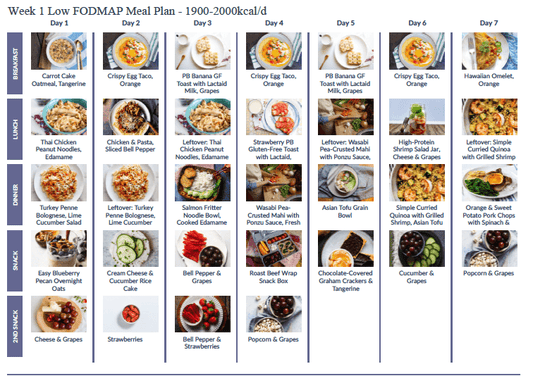
- Ease up on fiber temporarily: If active antibiotic bloating flares up, adopt a gentle, low FODMAP approach to minimize gas production while your gut heals.
- Support digestion gently: For those on GLP-1 medications experiencing persistent heaviness and sluggish digestion, a gut-gentle supplement such as the GLP-1 Digestive Enzyme Companion can provide meaningful relief by supporting nutrient breakdown.
- Maintain nutrition without heaviness: When solid food feels impossible due to stacked nausea, obtaining clean, easily digestible nutrition is vital. I often recommend incorporating the Low FODMAP Vegan Protein Powder to ensure you meet your daily protein requirements without triggering further digestive distress.
- Manage related motility issues: If slowed transit continues to cause discomfort long after your infection clears, review clinical strategies for GLP-1 constipation relief to keep your bowels regular.
Frequently Asked Questions
Do antibiotics interfere with Ozempic or Mounjaro?
Direct metabolic interference is unlikely because GLP-1 medications are not metabolized by liver enzymes that process most antibiotics. However, delayed gastric emptying can alter the absorption rate of oral antibiotics, and the combined side effects can significantly worsen gastrointestinal discomfort.
Will taking a course of antibiotics stop my weight loss?
Short-term antibiotic use will not permanently halt your metabolic progress. While temporary water retention, bloating, or changes in dietary intake due to nausea may cause minor scale fluctuations, your long-term metabolic trajectory on a GLP-1 remains intact.
Should I take probiotics with antibiotics?
Yes, clinical studies show that specific probiotic strains help prevent antibiotic-associated diarrhea. Be sure to separate your probiotic dose from your antibiotic dose by at least two hours so the medication does not neutralize the beneficial bacteria.
What should I do if I vomit after taking my medication?
If you vomit shortly after swallowing an oral medication, do not automatically take a second dose, as some of the active ingredient may have already absorbed. Contact your pharmacist or prescribing doctor for specific guidance based on the exact drug.
Why is my stomach so much worse on both drugs?
You are experiencing additive side effects. Antibiotics irritate the gut lining and disrupt your microbiome, while GLP-1s slow stomach motility and trigger nausea pathways. Stacking them multiplies your digestive symptoms.
Can I drink alcohol while taking metronidazole?
No. Combining metronidazole with alcohol triggers a severe disulfiram-like reaction characterized by violent vomiting, flushing, headaches, and rapid heart rate. Avoid alcohol entirely during treatment and for 48 hours after your final dose.
Conclusion
Navigating **glp 1 and antibiotics** at the same time can feel like steering through choppy waters, but understanding the underlying mechanics removes the guesswork. While direct drug-drug interactions are minimal, the combined impact on your digestive tract requires respect, careful hydration, and smart nutritional choices. Always consult your pharmacist for precise timing schedules, listen closely to what your gut is telling you, and reach out to your physician immediately if red-flag symptoms arise.
Medical Disclaimer: This article is for informational and educational purposes only. It does not constitute formal medical advice, diagnosis, or treatment. Always consult your physician, gastroenterologist, or clinical pharmacist before altering any medication schedule, starting new supplements, or if you experience severe gastrointestinal symptoms.