Can a low FODMAP protein powder cause diarrhea at first?





Yes, a low FODMAP protein powder can cause diarrhea when you first start taking it, but diarrhea is not a necessary adjustment phase. Low FODMAP status does not rule out reactions to other ingredients, the liquid you mix it with, medications, or an unrelated illness, so pause the new powder rather than pushing through repeated symptoms.
- Can low FODMAP protein powder cause diarrhea? Yes; low FODMAP does not mean symptom-free or suitable for every person.
- Pause a new powder after diarrhea; review the serving, ingredients, mixing liquid, and medication changes.
- Casa de Sante offers low FODMAP protein powders; individual tolerance still determines whether a formula suits you.
- Seek medical care for blood, severe pain, dehydration, or persistent diarrhea rather than assuming an adjustment phase.
Can a low FODMAP protein powder cause diarrhea at first?
Yes. A low FODMAP powder limits a particular group of fermentable carbohydrates; it does not prevent every cause of loose stools. The timing of diarrhea after your first shake is a useful clue, but timing alone does not prove the powder caused it.
Use this sequence to separate a possible food reaction from a problem that needs medical assessment:
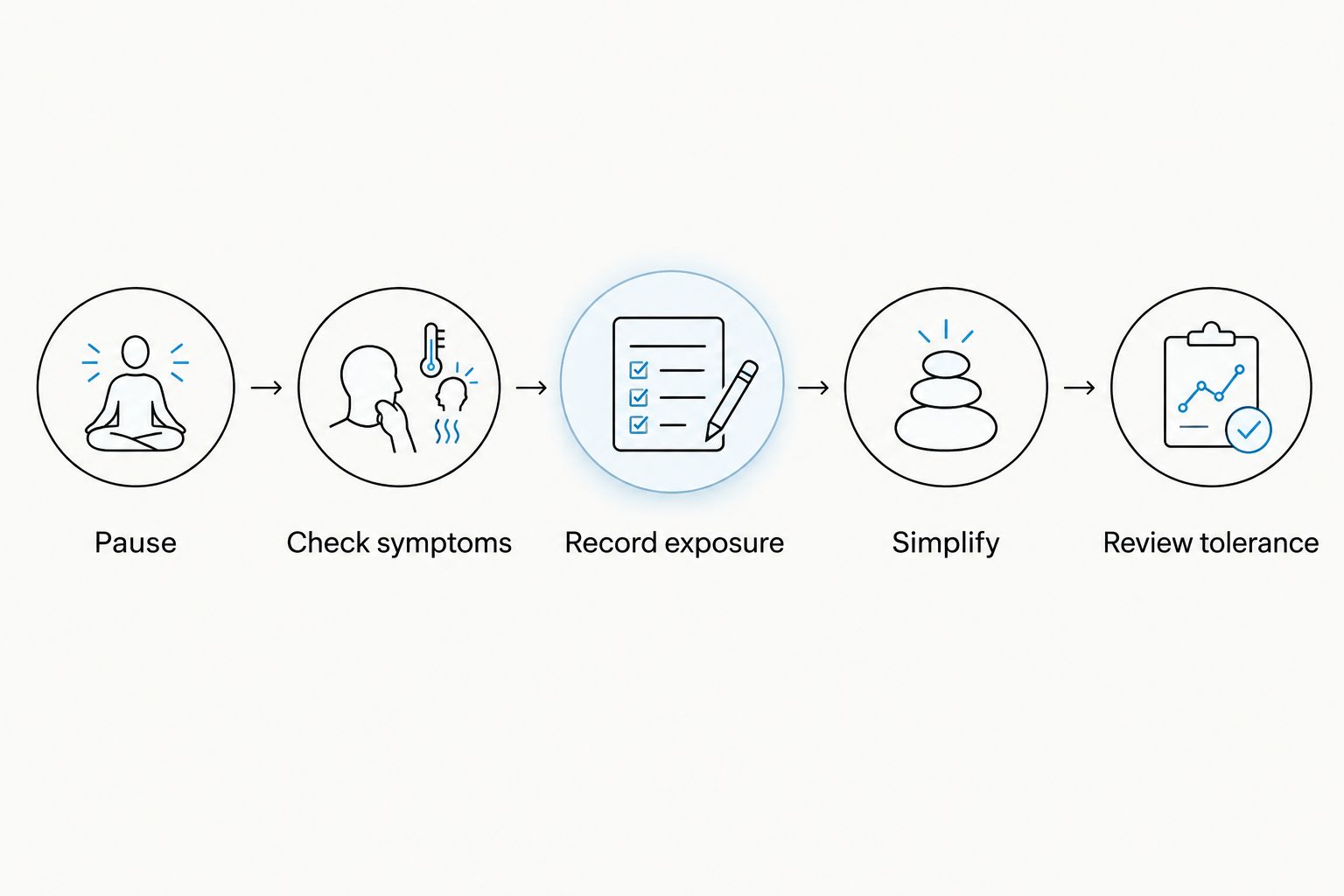
- Pause the new powder. Do not take another full serving to test whether your gut will adapt.
- Check for warning signs. Blood, severe abdominal pain, dehydration, or an allergic reaction takes priority over ingredient troubleshooting.
- Review the whole shake. Record the powder amount, mixing liquid, fruit, sweeteners, and any other additions.
- Review other changes. Include medicines, supplements, recent illness, and unusual meals.
- Consider a cautious retry only after symptoms resolve. Do not retry after a suspected allergic reaction or while diarrhea continues.
The mixing liquid deserves attention. A powder used with water is a different exposure from the same powder blended with milk, fruit, and a fiber supplement. The guide to making low FODMAP protein smoothies addresses the wider recipe rather than the powder alone.
Why this matters
Diarrhea is not evidence that a protein powder is working, cleansing your gut, or treating SIBO. Continuing a poorly tolerated shake adds discomfort and makes the cause harder to identify. Repeated watery stools also increase the risk of dehydration.
For your 2026 supplement routine, judge tolerance by what happens when you use the product—not by the front-label claim alone. A low FODMAP formula is a selection criterion, not a medical diagnosis or a promise of symptom relief.
IBS does not explain every new episode of diarrhea. A sudden change from your usual bowel pattern still needs attention, especially when symptoms persist without the shake.
Why diarrhea varies between people and shakes
Several factors explain why the same category of powder does not produce the same experience for everyone:
- Serving size: FODMAP tolerance depends on the amount consumed. Taking more than the specified portion changes the exposure.
- Lactose exposure: Dairy-based powders differ in lactose content, and regular milk adds lactose independently of the powder.
- Added carbohydrates: Inulin, chicory root fiber, and certain sugar alcohols deserve review because they can trigger digestive symptoms.
- The complete recipe: Fruit portions, milk, fiber additions, and other ingredients affect the finished drink.
- Individual conditions: IBS, lactose intolerance, food allergy, and other digestive disorders require different decisions.
- Medicines and illness: GLP-1 medicines, antibiotics, magnesium-containing products, and infections are other possible contributors to diarrhea.
These are investigation points, not proof that a particular ingredient caused your symptoms. Avoid removing several food groups at once; broad restriction makes it harder to identify a trigger and maintain adequate nutrition.
Does low FODMAP mean lactose-free or allergy-safe?
No. Low FODMAP, lactose-free, and milk-allergen-free describe different properties. Lactose is a carbohydrate; milk allergy involves a reaction to milk proteins.
Whey is a milk protein, including whey isolate. Do not use whey if you have a milk allergy, even when the product is low FODMAP or low in lactose. Hives, swelling, wheezing, or breathing difficulty after a shake require urgent assessment, not a smaller test serving.
What should you do after the first episode?
Start with a pause, not another supplement. If you develop diarrhea after introducing a powder, leave it out while you assess symptoms and maintain fluids. An oral rehydration solution helps replace fluid and electrolytes during ongoing losses; follow its directions and seek advice if you have fluid restrictions.
Keep the rest of your eating pattern familiar. Adding a probiotic, digestive enzyme, new fiber, and replacement powder together makes it impossible to tell which change helped or worsened the problem.
Record the exposure
Write down the product name, flavor, amount used, mixing liquid, and time you drank it. Include when diarrhea started, how often you passed loose stools, and whether pain, fever, vomiting, or blood accompanied it.
Keep the package or a photograph of its ingredient and allergen panels. This gives your clinician or dietitian something specific to review instead of relying on the phrase “protein shake.”
Simplify before considering a retry
After symptoms have resolved, a clinician or dietitian can help decide whether a retry is appropriate. If it is, use a smaller amount consistent with the product directions and a familiar, tolerated mixing liquid. Change only the powder exposure, not the entire recipe.
There is no universal waiting period that makes a retry safe. Do not reintroduce a suspected allergen, and do not keep testing a powder that repeatedly brings symptoms back.
Review tolerance
If diarrhea returns when the powder returns, stop using it and discuss the pattern with a healthcare professional. A repeat association strengthens suspicion but does not identify the exact ingredient or establish a diagnosis.
If symptoms continue while you are not using the powder, broaden the assessment. Do not assume that switching flavors will address an infection, medication side effect, or digestive condition.
How should you compare whey and plant-based formulas?
Choose by allergen requirements, ingredients, and serving directions—not by the assumption that plant-based always means gentler. Casa de Sante low FODMAP protein powders are best suited to people seeking a low FODMAP supplement, not a treatment for unexplained diarrhea.
The following comparison uses the supplied product details for this 2026 guide. Neither option earns an automatic recommendation during active diarrhea.
| Formula | Best for | Relevant advantage | Limitation |
|---|---|---|---|
| Elemental Whey WPI Protein Powder + Digestive Enzymes (Vanilla) | People seeking whey protein who do not have a milk allergy | The supplied description lists 26 g protein per 32 g scoop and includes digestive enzymes | Whey remains a milk protein; added enzymes do not guarantee tolerance |
| Elemental Vegan Protein Powder | People seeking a dairy-free, plant-based formula | The supplied description states it is made without pea or soy isolates, inulin, or chicory root | Those exclusions do not rule out individual intolerance or reactions to other ingredients |
The vanilla whey description also lists 130 calories per scoop. These figures describe its serving, not a dose you should take while symptomatic. Use the current package directions when measuring rather than assuming every scoop or flavor has the same weight.
For a 2026 label check, read the ingredient list and allergen statement together. Do not infer that a product is free of every form of an ingredient because its description excludes a particular isolate or fiber.
When should you get medical help?
Get prompt medical advice for blood or black stools, severe abdominal or rectal pain, high fever, frequent vomiting, or signs of dehydration. Reduced urination, marked dizziness, and difficulty keeping fluids down are reasons to act rather than continue experimenting with shakes.
For adults, the National Institute of Diabetes and Digestive and Kidney Diseases advises contacting a doctor for diarrhea lasting more than 2 days or 6 or more loose stools in a day. Its guidance concerns diarrhea generally, not protein-powder reactions; do not wait for those thresholds when warning signs are present.
Pregnancy, older age, a weakened immune system, and current antibiotic use warrant earlier contact. Children need age-specific medical advice rather than an adult supplement troubleshooting plan.
If you take Ozempic, Wegovy, or Mounjaro, tell your prescriber about new or worsening diarrhea. Record any recent dose change, but do not change a prescribed medication without instructions. Persistent severe abdominal pain, with or without vomiting, requires urgent assessment.
How long should diarrhea last after starting protein powder?
There is no established “normal adjustment period” for diarrhea from a low FODMAP protein powder. The cause determines the duration, and ongoing symptoms should not be dismissed as your gut getting used to protein.
For adults, diarrhea lasting more than 2 days warrants medical contact under NIDDK guidance. Seek help sooner for warning signs or substantial fluid loss.
Should you switch to a different powder immediately?
No. Pause first so you can assess whether symptoms settle without the new product. Switching immediately introduces another formula while the original problem is still active.
Once symptoms resolve, compare the full ingredient lists and allergen requirements. A different formula is useful only when the change addresses a relevant concern; a new label alone does not establish better tolerance.
Can digestive enzymes prevent protein-shake diarrhea?
Digestive enzymes do not prevent every cause of diarrhea. Lactase targets lactose, for example, but it does not make whey safe for someone with a milk allergy or treat an intestinal infection.
Avoid adding enzymes simply to keep using a powder that repeatedly causes symptoms. Identify the suspected problem first; treatment depends on the cause.
FAQ
Can low FODMAP protein powder cause diarrhea even when I mix it with water?
Yes, diarrhea can occur even when a low FODMAP protein powder is mixed with water. Water removes milk and smoothie additions from the recipe, but it does not rule out a reaction to the powder or an unrelated cause.
Is diarrhea after protein powder a sign of SIBO die-off?
No, diarrhea after protein powder does not establish SIBO die-off. Do not interpret worsening symptoms as proof that a supplement is treating bacterial overgrowth.
Should I take another scoop to help my stomach adjust?
No, do not take another scoop to push through diarrhea. Pause the new powder, maintain fluids, and assess warning signs before considering any retry.
Is vegan protein always better than whey for IBS?
No, vegan protein is not automatically better than whey for IBS. The ingredient list, portion, mixing liquid, and your individual tolerance matter; whey is unsuitable for people with milk allergy.
Can Casa de Sante protein powder guarantee I will not get diarrhea?
No, Casa de Sante low FODMAP protein powders do not guarantee freedom from diarrhea. Low FODMAP status does not exclude every intolerance, allergic reaction, medication effect, or illness.
What if diarrhea continues after I stop the powder?
Diarrhea that continues after stopping the powder needs assessment beyond the shake. Adults should contact a doctor when diarrhea lasts more than 2 days, and sooner for blood, severe pain, dehydration, or other warning signs.
Can I keep taking my GLP-1 medication if I have diarrhea?
Contact your prescriber about new or worsening diarrhea while taking a GLP-1 medication. Do not change the prescribed dose on your own; seek urgent care for severe persistent abdominal pain or significant dehydration.
One last thing
The trigger can be the blender recipe rather than the protein powder. Mixing a tolerated powder with regular milk introduces lactose; adding a new fiber supplement introduces another variable. Neither change is covered by the powder's low FODMAP description.
Make your next 2026 label review practical: compare the portion you actually used with the stated serving, then list everything else in the glass. Before choosing another Casa de Sante formula, resolve the current episode and identify what the next choice needs to exclude.