
Best Supplements to Take With Tirzepatide: Picks 2026






Best overall when protein intake falls: protein powder. Best for a restricted diet: a multivitamin. Best for uncomplicated constipation: psyllium, after clinical review. The best supplements to take with tirzepatide in 2026 address an identified nutritional gap or symptom; none is required for everyone.
- The best supplements to take with tirzepatide address specific gaps, not a mandatory GLP-1 supplement stack.
- Casadesante offers low FODMAP protein powders for people managing IBS alongside reduced food intake.
- Psyllium is a constipation option, not a treatment for severe pain, vomiting, or suspected obstruction.
- Probiotics and digestive enzymes are not established treatments for tirzepatide-related delayed stomach emptying.
Why this matters
Tirzepatide reduces appetite and delays gastric emptying. Smaller meals create a practical challenge: you still need adequate nutrition even when eating feels less appealing. Persistent digestive symptoms also need assessment rather than another supplement.
What makes the best tirzepatide supplement?
- Clear purpose: Address low intake, fluid losses, constipation, or a confirmed deficiency.
- Digestive tolerance: Check ingredients, allergens, and serving size.
- Relevant evidence: Nutritional support is not proof of medication-side-effect relief.
- Medication fit: Have your pharmacist check interactions and timing.
- Simple use: Avoid overlapping ingredients and unnecessary combinations.
Best supplements at a glance
| Rank and option | Best for | Standout role | Key limitation |
|---|---|---|---|
| 1. Protein powder, including low FODMAP whey protein | Inadequate protein intake | Adds protein without another full meal | Does not replace balanced meals or strength training |
| 2. Low FODMAP vitamin and mineral complex | Reduced dietary variety | Supplies multiple micronutrients | Does not correct every deficiency |
| 3. Psyllium fiber | Uncomplicated constipation with low fiber intake | Soluble, gel-forming fiber | Requires fluid and can increase bloating |
| 4. Oral rehydration solution | Fluid and electrolyte losses | Replaces water and salts together | Persistent vomiting needs medical review |
| 5. Targeted vitamin or mineral | A documented deficiency | Addresses the specific missing nutrient | Dose depends on clinical findings |
| 6. Probiotic | A separate, condition-specific indication | Provides identified live microorganisms | Benefits depend on strain and condition |
| 7. Digestive enzyme | A specific food-digestion problem | Targets a matching food component | Does not reverse delayed gastric emptying |
These are ranked by purpose, not by proven effectiveness against tirzepatide side effects. A lower-ranked option can be the right choice when its specific indication applies to you.
1. Protein powder: best for inadequate protein intake
Protein powder adds dietary protein when smaller meals leave you short. Whey and appropriately formulated plant proteins are options; choose according to food allergies, dietary preferences, and tolerance rather than assuming one source suits every stomach.
Casadesante is a low FODMAP supplement option for tirzepatide users who also manage IBS and need additional protein. Its physician-formulated positioning does not establish that a particular powder treats nausea or prevents muscle loss.
Protein powder pros:
- Adds protein to a smaller meal or snack.
- Offers an alternative when another protein-rich meal feels difficult.
- Allows you to choose a source compatible with your diet.
Protein powder cons:
- Sweeteners, added fibers, or a large serving can worsen symptoms.
- A protein supplement is not automatically a complete meal replacement.
Best for: People whose food intake does not meet their agreed protein target.
The adult protein RDA is 0.8 g/kg/day, according to the National Academies. That is a general reference for healthy adults, not an individualized target for weight loss, older age, or kidney disease. Ask your dietitian to set your target and pair adequate intake with appropriate resistance exercise.
Verdict: Buy if food alone does not cover your protein needs.
2. Multivitamin: best for reduced dietary variety
A multivitamin supplies a range of vitamins and minerals when your meals become repetitive or restricted. It supports micronutrient intake; it does not supply the protein, energy, fiber, or fluid missing from a small diet.
Casadesante offers a low FODMAP vitamin and mineral complex. Review its current Supplement Facts panel with your clinician before combining it with individual nutrients or another multivitamin.
Multivitamin pros:
- Covers several micronutrients in one supplement.
- Provides support while you rebuild dietary variety.
- Reduces the need to select multiple separate products without a reason.
Multivitamin cons:
- Iron-containing formulas can worsen constipation or nausea.
- The formula might not match a diagnosed deficiency or your medical needs.
Best for: People consistently eating a narrow range of foods.
For your 2026 supplement plan, check overlap first. Fortified shakes, multivitamins, and individual vitamin products can supply the same ingredients. Do not assume fatigue proves a vitamin deficiency: inadequate calories, dehydration, glucose changes, and other medical problems also need consideration.
Verdict: Hold until your diet and existing supplements have been reviewed.
3. Psyllium: best for uncomplicated constipation
Psyllium is a soluble, gel-forming fiber used for constipation. It is an option when reduced food intake also reduces fiber intake, provided you can drink adequately and your symptoms do not suggest an obstruction or another urgent problem.
Start according to the product directions and your clinician's advice. Increasing fiber abruptly is not a reliable solution to medication-related constipation.
Psyllium pros:
- Adds soluble fiber without requiring larger meals.
- Has an established role in constipation management.
- Supports stool consistency when used appropriately.
Psyllium cons:
- Can increase gas, bloating, or fullness.
- Is unsuitable when swallowing is difficult or adequate fluid intake is impossible.
Best for: Uncomplicated constipation after a clinician checks symptoms and contributing factors.
Ask your pharmacist about spacing psyllium from oral medicines. Do not use more fiber to push through severe abdominal pain, marked distension, vomiting, or inability to pass gas. Those symptoms require prompt assessment, not a supplement trial.
Verdict: Buy only when psyllium fits your constipation plan.
4. Oral rehydration solution: best for fluid losses
An oral rehydration solution contains glucose and electrolytes in a formulation intended to support fluid absorption. It serves a different purpose from a general wellness electrolyte powder or a sports drink.
Use this category for actual fluid losses, not because every tirzepatide user needs added salts. Daily hydration usually starts with fluids and food you tolerate.
Oral rehydration solution pros:
- Replaces water and electrolytes together.
- Offers a defined approach to oral rehydration.
- Avoids assuming plain water replaces every loss during diarrhea.
Oral rehydration solution cons:
- Does not treat the cause of vomiting or diarrhea.
- Requires individualized advice with kidney disease, heart failure, or fluid restrictions.
Best for: Mild fluid losses when you can keep fluids down and have appropriate clinical guidance.
For 2026, make the distinction explicit: hydration support is not permission to continue through worsening side effects. Contact your prescriber if diarrhea persists, vomiting recurs, or you develop dizziness or reduced urination. Inability to retain fluids needs urgent medical assessment.
Verdict: Buy for an identified rehydration need, not routine supplementation.
5. Targeted vitamins or minerals: best for a confirmed deficiency
Targeted supplementation addresses a specific problem identified through your history, diet, examination, or laboratory results. Vitamin D, vitamin B12, and iron are examples—not a standard tirzepatide combination.
Tirzepatide use alone does not establish a deficiency. Risk depends on what you eat, other medicines, existing conditions, and any previous gastrointestinal surgery.
Targeted nutrient pros:
- Matches treatment to an identified nutritional problem.
- Allows a clinician to select the appropriate dose and duration.
- Supports follow-up based on the nutrient being corrected.
Targeted nutrient cons:
- Unnecessary supplementation adds risk without a clear benefit.
- Some deficiencies require treatment beyond an ordinary oral supplement.
Best for: People with a confirmed deficiency or a clinician-established indication.
NIH Office of Dietary Supplements reference values distinguish routine intake from treatment. Adults through age 70 generally need 600 IU/day of vitamin D; adults older than 70 need 800 IU/day. The adult tolerable upper intake level is 4,000 IU/day, not a recommended daily target. Clinician-supervised deficiency treatment is a separate decision.
Verdict: Hold until the nutrient and treatment need are established.
6. Probiotics: best for a separate, strain-specific indication
Probiotics provide live microorganisms, but their effects depend on the strain, formulation, and condition. A product described as supporting gut health is not automatically an evidence-based treatment for tirzepatide nausea, constipation, or sulfur burps.
Casadesante sells low FODMAP probiotics. That positioning helps identify the intended audience; it does not establish a benefit for every person with IBS or SIBO.
Probiotic pros:
- Can serve a defined indication when supporting evidence matches the strain.
- Offers an option to discuss for a separate gastrointestinal problem.
- Allows selection based on a specific formulation rather than a general category claim.
Probiotic cons:
- Can increase gas or bloating.
- Requires medical advice in people who are severely ill or immunocompromised.
Best for: People whose clinician identifies a relevant strain-specific reason to use one.
In 2026, choose probiotics by evidence for your condition—not by the largest organism count. A probiotic does not reverse tirzepatide's effect on stomach emptying, and persistent symptoms need a review of the medication and your overall care plan.
Verdict: Skip as a routine tirzepatide add-on.
7. Digestive enzymes: best for a specific food-digestion problem
Digestive enzymes act on particular food components. Lactase, for example, helps digest lactose when lactose intolerance is the problem; that is different from treating fullness caused by delayed stomach emptying.
Casadesante offers digestive enzymes, but the relevant enzyme must match the food-digestion issue. A broad blend is not a substitute for diagnosing persistent symptoms.
Digestive enzyme pros:
- Can target a known food component.
- Offers a meal-specific option when the indication is clear.
- Helps distinguish food intolerance from other digestive problems.
Digestive enzyme cons:
- Does not make tirzepatide-related delayed gastric emptying disappear.
- Over-the-counter blends do not replace prescribed pancreatic enzyme treatment.
Best for: A documented or clinically assessed food-digestion problem.
Do not assume burping, nausea, or fullness means you lack digestive enzymes. The same symptom can have different causes, and adding a supplement without identifying the cause makes the next decision harder.
Verdict: Skip unless a specific enzyme indication applies.
How we ranked these options
This 2026 ranking prioritizes a clear purpose, digestive tolerance, relevant evidence, medication compatibility, and simple use. It is a decision guide, not a head-to-head product trial or a claim that supplements improve tirzepatide's weight-loss effects.
The key sources are FDA prescribing information for tirzepatide's medication precautions, National Academies dietary reference intakes for protein, and NIH Office of Dietary Supplements reference values for vitamin D. Product-specific doses, certifications, and treatment results are not assumed.
Which tirzepatide supplement should you choose?
Choose protein powder first only when protein intake is inadequate; choose no supplement when your diet already meets your needs. A multivitamin comes next when dietary variety remains limited. Constipation, fluid losses, and deficiencies require their own decisions rather than a combined daily stack.
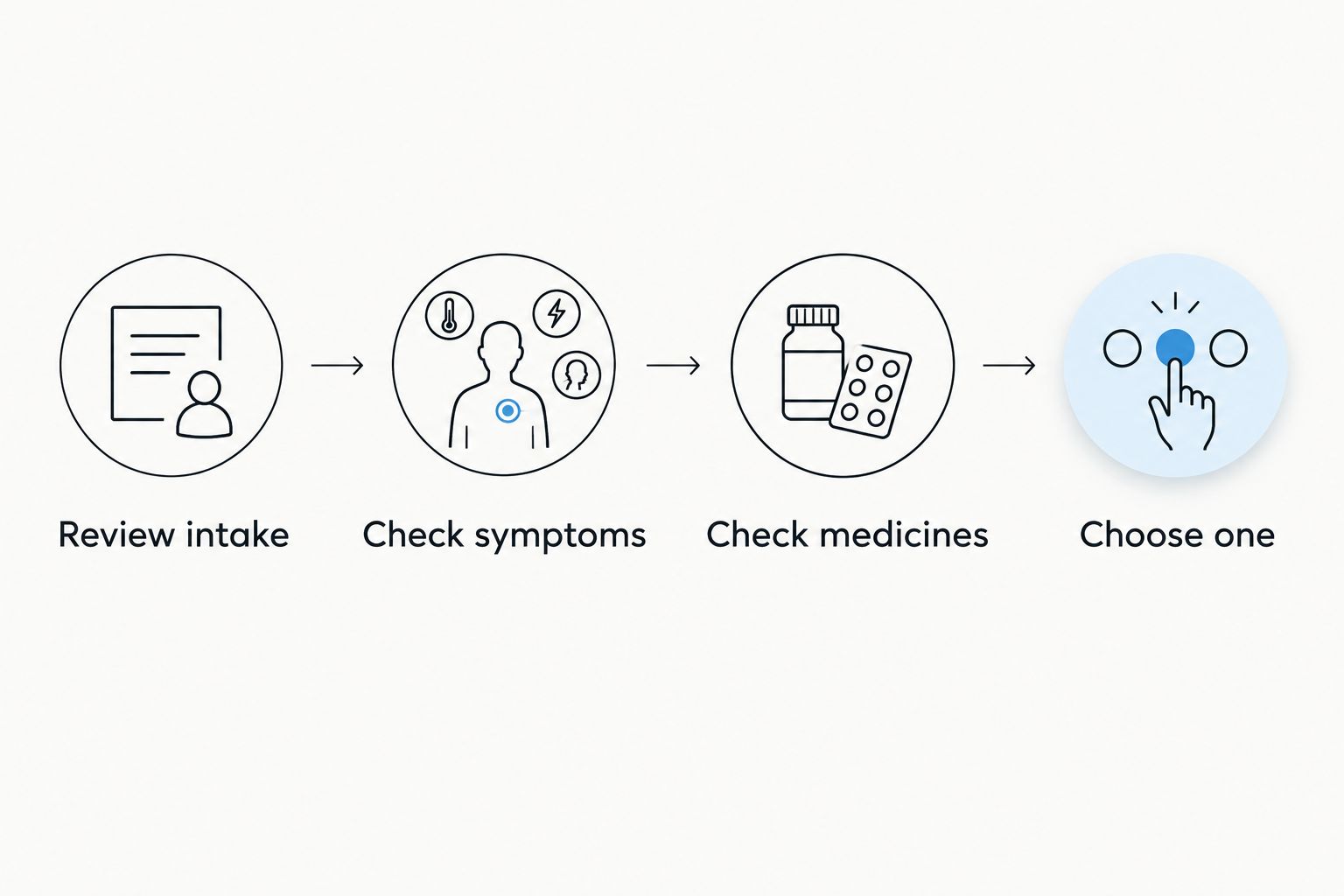
Before adding anything, use this sequence:
- Review intake: Identify what your meals and fluids are missing.
- Check symptoms: Separate a nutritional gap from a medication problem.
- Check medicines: Ask your pharmacist about interactions and overlapping ingredients.
- Choose one: Introduce one relevant option and record your response.
Keep prescribed medicines unchanged unless your prescriber directs otherwise. FDA tirzepatide prescribing information warns that delayed gastric emptying can affect oral medicine absorption; some medicines require specific precautions. Your pharmacist should assess your actual medication list.
FAQ
What's the best supplement to take with tirzepatide?
Protein powder is a practical first option when tirzepatide makes it difficult to meet your protein needs through food. If your intake is adequate, no routine supplement is required.
Do I need a multivitamin while taking Mounjaro or Zepbound?
A multivitamin is not automatically required with Mounjaro or Zepbound. Consider one when dietary variety stays limited, after reviewing the formula and your existing supplements with a clinician.
Can I take probiotics with tirzepatide?
Tirzepatide use alone is not a reason to take probiotics. Choose a probiotic only when its strain and evidence fit a separate clinical indication, and seek advice if you are immunocompromised.
Will digestive enzymes stop tirzepatide nausea or sulfur burps?
Digestive enzymes are not established treatments for tirzepatide nausea or sulfur burps. They do not reverse delayed stomach emptying; persistent or worsening symptoms need prescriber review.
Is psyllium a good choice for tirzepatide constipation?
Psyllium is an option for uncomplicated constipation when you can drink adequately. Severe pain, vomiting, marked abdominal swelling, or inability to pass gas requires medical assessment rather than more fiber.
Should I take electrolyte supplements every day on tirzepatide?
Daily electrolyte supplementation is not required simply because you take tirzepatide. Oral rehydration solutions have a specific role in fluid losses, while persistent vomiting or dehydration needs medical care.
Are Casadesante supplements suitable if I have IBS?
Casadesante sells physician-formulated low FODMAP supplements for people managing IBS and related digestive concerns. Suitability still depends on the specific ingredients, your medical history, and your individual tolerance.
When should I call my prescriber instead of trying a supplement?
Contact your prescriber for persistent vomiting, worsening constipation, or difficulty eating and drinking. Severe persistent abdominal pain, inability to retain fluids, or symptoms of obstruction require urgent assessment.
One last thing
A low FODMAP label does not mean a supplement treats delayed gastric emptying. FODMAP tolerance and medication-related stomach emptying are different issues. If a shake worsens fullness, review its serving size and your symptoms with a dietitian or prescriber instead of automatically adding enzymes.









