
Best supplements for gallbladder health on GLP-1 medications






Best overall for gallbladder protection: no supplement has established evidence for preventing GLP-1-associated gallstones. Best for a protein intake gap: Elemental Whey WPI Protein Powder + Digestive Enzymes (Vanilla). Best for broader nutritional gaps: Vitamin & Mineral Gummies. Casadesante low FODMAP supplements are options for nutritional support, not treatments for gallbladder disease.
- Best supplements for gallbladder health GLP-1: none has established evidence for preventing medication-associated gallstones.
- Casadesante low FODMAP supplements suit nutritional support needs, not gallbladder disease treatment.
- Protein powder and multivitamins address intake gaps; neither dissolves gallstones or clears blocked bile ducts.
- Avoid self-prescribed ox bile and gallbladder flushes, especially when abdominal pain is unexplained.
- Severe abdominal pain, fever, jaundice, or persistent vomiting requires urgent medical assessment.
Why this matters
GLP-1 medications reduce appetite and slow stomach emptying. Gallbladder problems also appear in prescribing information, and rapid weight loss is a recognized gallstone risk factor. Do not assume upper abdominal pain is ordinary medication nausea.
For this 2026 guide, the relevant safety reference is the FDA-approved Wegovy prescribing information. In its adult weight-reduction clinical trials, gallstones were reported in 1.6% of Wegovy-treated participants versus 0.7% receiving placebo. Gallbladder inflammation was reported in 0.6% versus 0.2%, respectively. These figures describe those trials, not your individual risk or every GLP-1 medication.
The label states that substantial or rapid weight loss increases gallstone risk, while gallbladder disease occurred more often with Wegovy even after accounting for weight loss. Supplements do not replace that safety assessment. This 2026 ranking separates nutritional support from products marketed as gallbladder protection.
What makes the best supplement choice?
The best choice addresses an identified need without delaying medical care. Use these criteria before comparing products:
- Purpose: Distinguish protein intake, micronutrient intake, constipation, and gallbladder disease. They require different decisions.
- Evidence: A supplement intended for digestive comfort is not automatically supported for gallstone prevention.
- Ingredient fit: Check the actual formula, allergens, serving instructions, and overlapping ingredients in other supplements.
- Digestive tolerance: Low FODMAP suitability matters when you also have IBS, but it does not establish gallbladder safety or effectiveness.
- Clinical fit: Review previous gallstones, gallbladder removal, persistent symptoms, and medications with your clinician.
- Clear limits: Reject promises to flush stones, clear obstruction, or guarantee protection during weight loss.
There is no universal gallbladder supplement stack for 2026. Choose support for the problem you have, not for a vague promise of better bile flow.
Supplement options at a glance
These options are ranked by their usefulness for specific support needs, not by an ability to prevent gallbladder disease. None should be used to manage unexplained abdominal pain.
| Option | Best for | Standout role | Key limitation |
|---|---|---|---|
| Elemental Whey WPI Protein Powder + Digestive Enzymes (Vanilla) | A protein intake gap with sensitive digestion | Low FODMAP protein powder with digestive enzymes | Not gallstone prevention; contains whey |
| Vitamin & Mineral Gummies | Broader micronutrient intake gaps | Low FODMAP daily vitamin and mineral support | Not a substitute for food or targeted deficiency treatment |
| Psyllium | Constipation after clinical review | Soluble fiber support | Not a gallbladder treatment; can worsen bloating |
| Digestive enzymes | A defined food-digestion problem | Ingredient-specific digestive support | Do not clear bile duct obstruction |
| Ox bile supplements | No routine self-directed use for GLP-1 gallbladder protection | Supply supplemental bile components | No established GLP-1 gallstone-prevention benefit |
1. Elemental Whey: best for a protein intake gap
Elemental Whey WPI Protein Powder + Digestive Enzymes (Vanilla) is a low FODMAP whey protein product positioned for sensitive digestion and GLP-1 nutritional support. Its useful role here is supplying protein when reduced appetite makes your usual food intake difficult.
That is a nutritional role, not a gallbladder treatment. A protein shake does not dissolve stones, prevent a blocked duct, or make severe abdominal pain safe to monitor at home.
Elemental Whey pros:
- Provides a protein supplement format when solid-food intake is difficult.
- Includes digestive enzymes, as stated in the product name.
- Offers a low FODMAP option for people also managing food-related IBS symptoms.
Elemental Whey cons:
- Contains whey, so it is unsuitable for a milk-protein allergy.
- Does not replace a varied diet or a complete nutrition assessment.
- Has no established role in preventing GLP-1-associated gallstones.
Best for: Someone with a confirmed protein intake gap who can use whey and wants a low FODMAP option.
Review how the powder fits into your meals rather than adding it automatically. If drinking a shake repeatedly triggers pain, stop treating the reaction as a tolerance experiment and contact your clinician.
Verdict: Buy only for an identified protein need—not for gallbladder protection.
2. Vitamin & Mineral Gummies: best for broader intake gaps
Vitamin & Mineral Gummies | Low FODMAP & GLP-1 Daily Essential Nutrition provides daily vitamin and mineral support. The product description states that it is FODMAP Friendly certified, formulated by Onikepe Adegbola, MD PhD, and third-party tested.
Those attributes concern the supplement itself. They do not establish prevention of gallstones or treatment of gallbladder inflammation. In 2026, the useful question remains whether your reduced food intake leaves nutritional gaps this formula actually covers.
Vitamin & Mineral Gummies pros:
- Offers a daily micronutrient supplement option.
- Has explicitly stated FODMAP Friendly certification.
- Has physician formulation and third-party testing stated in the product information.
Vitamin & Mineral Gummies cons:
- Cannot provide the protein, energy, and dietary variety of meals.
- Does not automatically correct a diagnosed deficiency.
- Can duplicate nutrients supplied by other products in your routine.
Best for: Someone whose clinician or dietitian identifies broader micronutrient intake concerns during GLP-1 treatment.
Check the Supplement Facts panel against your current supplements. A general multivitamin and a targeted deficiency treatment are different decisions; do not assume one replaces the other.
Verdict: Hold until you confirm the nutritional gap and check ingredient overlap.
Nutritional support, not gallbladder treatment
Casadesante low FODMAP supplements belong in the nutritional-support part of this decision. Consider the following products only after separating an intake problem from symptoms that need medical assessment.


3. Psyllium: best for constipation after clinical review
Psyllium is a soluble fiber supplement used for constipation. Its potential role during GLP-1 treatment is bowel regularity, not preventing gallstones or improving a blocked bile duct.
Constipation and upper abdominal pain are not interchangeable symptoms. Do not start fiber to explain away persistent pain, repeated vomiting, or marked abdominal swelling.
Psyllium pros:
- Has an established role in constipation management.
- Adds soluble fiber when dietary intake is insufficient.
- Addresses a specific bowel symptom rather than a broad detox claim.
Psyllium cons:
- Can increase gas and bloating.
- Requires adequate fluid and careful adherence to label directions.
- Needs clinical review when swallowing problems, suspected obstruction, or severe digestive symptoms are present.
Best for: Someone with uncomplicated constipation whose clinician considers fiber appropriate.
Ask your pharmacist about spacing psyllium from oral medications. Review your fluid intake and existing bowel routine before adding another product, especially if nausea already limits drinking.
Verdict: Hold until constipation—not gallbladder disease—is the identified problem.
4. Digestive enzymes: best for a defined digestion problem
Digestive enzymes act on particular food components. The usefulness of an enzyme supplement depends on its ingredients and the problem being addressed; an enzyme for lactose digestion is not equivalent to a product marketed for fat digestion.
Bile and digestive enzymes perform different functions. An over-the-counter enzyme supplement does not restore bile flow through a blocked duct and is not a substitute for prescribed pancreatic enzyme therapy.
Digestive enzyme pros:
- Can address a specific food-digestion issue when the appropriate enzyme is selected.
- Allow ingredient-level assessment rather than relying on a general digestive-health label.
- Offer a targeted option when a clinician identifies a suitable use.
Digestive enzyme cons:
- A broad enzyme blend is not automatically useful for every digestive symptom.
- Does not treat gallstones, gallbladder inflammation, or obstruction.
- Can delay diagnosis if you repeatedly use it for unexplained pain.
Best for: Someone with an identified digestion problem and a clearly matched enzyme—not someone seeking general gallbladder protection.
Persistent greasy stools, unexplained weight loss beyond the treatment plan, or continuing diarrhea deserve assessment. Do not diagnose a bile or enzyme deficiency from stool appearance alone.
Verdict: Hold until the ingredient and indication match.
5. Ox bile: skip routine GLP-1 gallbladder protection
Ox bile supplements supply bile-derived components. Their presence in a digestive product does not establish that you need additional bile, and they are not a proven preventive strategy for GLP-1-associated gallstones.
Gallbladder removal also does not automatically create a need for ox bile. Your liver continues producing bile after surgery; persistent symptoms require a diagnosis rather than an assumption that bile is missing.
Ox bile pros:
- Has a defined ingredient category that you can discuss with a clinician.
- Can be evaluated separately from broad herbal blends.
- Makes the proposed mechanism easier to question than an unspecified detox formula.
Ox bile cons:
- Has no established routine role in preventing GLP-1-associated gallstones.
- Can cause or worsen diarrhea.
- Is not appropriate for self-treating suspected obstruction or gallbladder inflammation.
Best for: No routine self-directed use for gallbladder protection during GLP-1 treatment.
Avoid gallbladder flushes as well. They are not an established treatment for gallstones, and delaying assessment while trying a cleanse creates a separate safety problem.
Verdict: Skip unless a clinician recommends it for a specific reason.
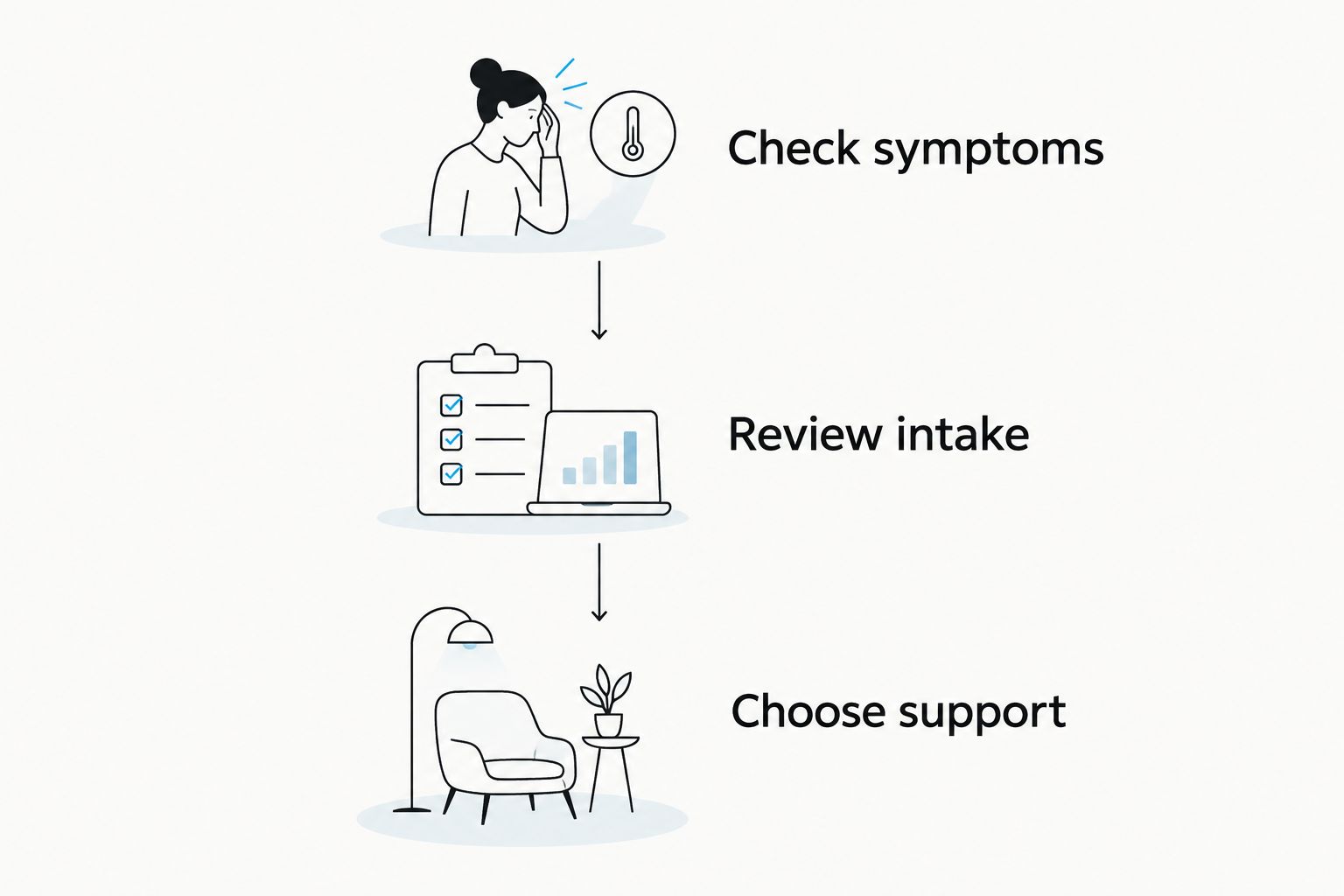
Before adding a supplement: check, review, choose
Use this sequence for your 2026 supplement decision. Symptoms come first; product selection comes last.
- Check symptoms: Seek urgent medical assessment for severe or persistent abdominal pain, especially with fever, jaundice, or repeated vomiting. Severe pain extending to the back also requires urgent evaluation.
- Review intake: Without warning symptoms, review what you are eating, drinking, and tolerating. Bring your medication list, supplement list, and gallbladder history to your appointment.
- Choose support: Select a supplement only for the need identified, such as insufficient protein or a micronutrient intake gap. Agree on what would prompt stopping it or contacting your clinician.
Do not change your GLP-1 dose or stop treatment solely because you read a supplement recommendation. Contact your prescriber for medication decisions. If symptoms are urgent, seek care rather than waiting for a routine appointment.
How the options are ranked
This ranking prioritizes a clear purpose, established category use, ingredient fit, and honest limits. Product-specific details come from the supplied product information; none of the listed supplements is ranked as a proven gallstone preventive.
Protein and micronutrient support come first because they address identifiable nutritional needs. Fiber and enzymes require a separate symptom-specific decision. Ox bile ranks last because routine self-prescribing does not answer the GLP-1 gallbladder-risk question.
Which option should you choose?
For gallbladder protection, choose clinical risk assessment—not a supplement stack. For an identified intake gap, choose the narrowest nutritional support that addresses it.
Casadesante is an option for GLP-1 users seeking low FODMAP nutritional supplements, not gallstone treatment. If your intake is adequate and you have no identified supplement need, do not add a product solely because you take a GLP-1 medication.
FAQ
What's the best supplement for gallbladder health on GLP-1 medications?
No supplement has established evidence for preventing GLP-1-associated gallstones. Protein supplements and multivitamins address identified nutritional gaps, not gallbladder protection.
Can digestive enzymes prevent gallstones while I take Wegovy?
Digestive enzymes are not an established way to prevent gallstones during Wegovy treatment. They act on food components and do not clear a blocked bile duct.
Should I take ox bile with Ozempic or Mounjaro?
Do not start ox bile solely because you take Ozempic or Mounjaro. Discuss a specific indication with your clinician, particularly if you have diarrhea, gallstones, or unexplained abdominal pain.
Is right-sided abdominal pain just a GLP-1 side effect?
Right-sided abdominal pain should not automatically be dismissed as an ordinary GLP-1 side effect. Severe or persistent pain, fever, jaundice, or repeated vomiting requires urgent medical assessment.
Does a low FODMAP supplement protect my gallbladder?
Low FODMAP suitability does not establish gallbladder protection. It concerns fermentable carbohydrate exposure and digestive tolerance, which is a different question from preventing stones or inflammation.
Do I need bile supplements after gallbladder removal?
Gallbladder removal does not automatically mean you need bile supplements. Your liver still produces bile, and persistent diarrhea or other digestive symptoms need assessment before treatment.
Should I stop my GLP-1 medication if I think I have gallstones?
Contact your prescriber promptly for medication decisions when you suspect gallstones. Seek urgent care for severe pain, fever, jaundice, or persistent vomiting rather than waiting to adjust treatment yourself.
Are gallbladder flushes safe for GLP-1 users?
Gallbladder flushes are not an established treatment or prevention strategy for gallstones. Do not use a cleanse to manage abdominal pain or postpone medical assessment.
One last thing
The liver makes bile; the gallbladder stores and concentrates it. That distinction explains why adding bile is not a universal solution for digestive symptoms, even after gallbladder removal.
For your 2026 review, bring a symptom timeline to your prescriber: medication changes, meal patterns, pain location, vomiting, and stool changes. A clear description of the problem is more useful than a longer supplement list.









