The Low FODMAP Diet Neuroendocrine Pancreatic Tumor Guide





Last updated: February 2025 | By Dr. Onikepe Adegbola, MD PhD
When designing a low fodmap diet neuroendocrine pancreatic tumor management plan, my primary clinical goal is to alleviate persistent gastrointestinal distress without compromising your nutritional status. Managing a pancreatic neuroendocrine tumor (pNET) involves balancing complex oncological treatments, hormonal fluctuations, and surgical recoveries. If you live with chronic diarrhea, postprandial bloating, and painful gas, dietary adjustments offer a powerful tool to regain control over your daily life.
Key Takeaways
- Symptom Trigger Reduction: A structured low FODMAP eating pattern minimizes fermentable carbohydrates that draw excess water into the gut and feed gas-producing bacteria.
- Medical Treatment Interactions: Somatostatin analogs frequently cause fat malabsorption and altered bowel habits, requiring careful coordination between diet and prescription therapies.
- Enzyme Distinction: Prescription Pancreatic Enzyme Replacement Therapy (PERT) treats true fat malabsorption, whereas over-the-counter FODMAP enzymes target specific fermentable sugars.
- Individualized Care: Always partner with an oncology dietitian to ensure your nutritional intake remains adequate during cancer treatment.
The Physiology of Pancreatic Neuroendocrine Tumors and Gastrointestinal Distress
To understand why digestive symptoms occur so frequently with pNETs, we must look at the anatomy and function of the pancreas. The pancreas acts as both an endocrine organ—producing hormones like insulin, glucagon, and somatostatin—and an exocrine organ—secreting powerful digestive enzymes into the small intestine.
Pancreatic neuroendocrine tumors originate in the hormone-producing cells of the pancreas. Depending on whether the tumor is functional or non-functional, it may secrete excess hormones that drastically alter gut motility, gastric acid secretion, and intestinal fluid balance. For instance, gastrinomas or VIPomas can provoke severe secretory diarrhea, overwhelming the absorptive capacity of the colon.
Furthermore, surgical interventions such as the Whipple procedure (pancreaticoduodenectomy) or distal pancreatectomies physically alter the gastrointestinal tract. Food bypasses sections of the stomach and duodenum, changing how digestive juices mix with ingested nutrients. Even in patients who do not undergo major surgery, tumor growth can obstruct the pancreatic duct, impairing the normal delivery of lipases, proteases, and amylases.
As a physician-scientist, I often remind patients that gut symptoms in this context are rarely caused by a single factor. They represent an intricate intersection of tumor biology, hormone excess, altered anatomy, and medical therapy side effects.
Why a Low FODMAP Diet Neuroendocrine Pancreatic Tumor Protocol Helps Manage Symptoms
When the exocrine function of the pancreas is compromised or when small bowel transit times accelerate, poorly digested foods reach the large intestine in high quantities. This is where FODMAPs—Fermentable Oligosaccharides, Disaccharides, Monosaccharides, and Polyols—exacerbate your symptoms.
FODMAPs are short-chain carbohydrates and sugar alcohols that resist complete digestion and absorption in the small intestine. When these molecules reach the colon, two physiological events occur:
- Osmotic Effect: FODMAPs are osmotically active, meaning they draw water into the lumen of the intestine. In a patient already experiencing rapid transit or secretory diarrhea from tumor activity, this additional water worsens loose stools.
- Rapid Bacterial Fermentation: Resident colonic bacteria rapidly ferment these unabsorbed carbohydrates. This process produces substantial volumes of hydrogen, methane, and carbon dioxide gases, triggering painful abdominal distension, cramping, and excessive gas.
Implementing a temporary reduction in high-FODMAP foods removes this extra burden from an already stressed digestive tract. Clinical observations show that lowering dietary FODMAP intake can significantly reduce bloating and stool frequency in patients with compromised gastrointestinal function.
If you want to read more about how dietary triggers affect intestinal comfort, you can explore our overview on understanding gut health and digestive physiology.
Navigating Somatostatin Analogs, Fat Malabsorption, and Enzyme Therapy
Many individuals with pNETs receive somatostatin analog (SSA) therapy, such as octreotide or lanreotide, to control tumor growth and hormone hypersecretion. While these medications are lifesaving, they frequently cause significant gastrointestinal side effects.
SSAs suppress the normal secretion of pancreatic enzymes and slow down gallbladder contraction. Consequently, many patients develop fat malabsorption, clinically known as steatorrhea. Unabsorbed dietary fat leads to pale, foul-smelling, floating stools that are difficult to flush, along with urgent fecal urgency.
Managing this requires distinguishing between prescription interventions and targeted dietary supplements:
- Prescription Pancreatic Enzyme Replacement Therapy (PERT): PERT medications contain porcine-derived lipase, protease, and amylase. They must be taken precisely with meals and snacks to break down fats, proteins, and carbohydrates. PERT is a medical necessity for exocrine pancreatic insufficiency and cannot be replaced by over-the-counter options.
- Over-the-Counter FODMAP Enzymes: These targeted enzymes (such as alpha-galactosidase or lactase) help break down specific fermentable carbohydrates like raffinose or lactose. They do not digest dietary fats and do not replace PERT, but they can be helpful adjuncts for reducing gas and bloating from specific foods.
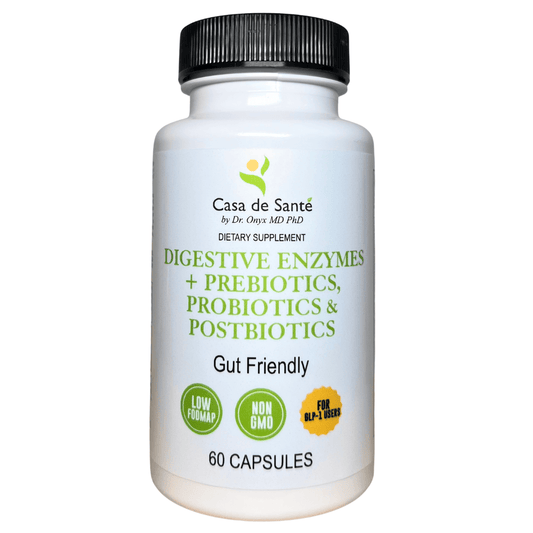
In my clinical practice, I often recommend a targeted digestive enzyme supplement like Casa de Sante FODMAP Digestive Enzymes for patients dealing with post-meal gas and fermentable carbohydrate intolerance. Please note: These enzymes assist with specific carbohydrate breakdown; they do not cure neuroendocrine tumors, nor do they replace prescription PERT for diagnosed fat malabsorption.
| Intervention Type | Primary Target | Clinical Use Case | What It Does NOT Do |
|---|---|---|---|
| Prescription PERT | Dietary fats, proteins, starches | Exocrine pancreatic insufficiency, steatorrhea | Does not restrict fermentable sugars or prevent FODMAP gas. |
| OTC FODMAP Enzymes | Specific carbohydrates (lactose, GOS, fructans) | Reducing gas and bloating from fermentable plant foods | Does not digest fats or treat pancreatic enzyme insufficiency. |
| Low FODMAP Diet | Fermentable short-chain carbohydrates | Minimizing osmotic diarrhea, bloating, and colonic distension | Does not replace PERT or eliminate the need for oncological care. |
Practical Steps for a Low FODMAP Diet Neuroendocrine Pancreatic Tumor Plan Safely
Embarking on dietary changes while undergoing cancer treatment requires precision and caution. You must avoid overly restrictive eating patterns that lead to unintended weight loss or nutrient deficiencies.
1. Adopt Small, Frequent Meals
When the pancreas and small intestine have reduced functional capacity, processing large volumes of food at once overwhelms the system. Consuming five to six smaller meals throughout the day allows your gastrointestinal tract to process nutrients gradually, minimizing postprandial cramping and dumping symptoms.
2. Collaborate Closely with an Oncology Dietitian
Never attempt a strict elimination diet without professional guidance when managing an active malignancy. An oncology dietitian registered in gastrointestinal disorders will help you map out a modified low FODMAP approach that ensures adequate caloric, protein, and micronutrient intake.
3. Focus on Gentle, Nutrient-Dense Foods
Select cooked, easily digestible proteins (such as skinless poultry, fish, and eggs), well-cooked low-FODMAP vegetables (like carrots, zucchini, and spinach), and tolerated grains (such as white rice or quinoa). Avoid raw cruciferous vegetables and heavy, high-fat meals that trigger steatorrhea.
For individuals looking to support overall gut microbiome balance during challenging medical treatments, incorporating a gentle probiotic can be beneficial. A physician-formulated option like Advanced Probiotics GI Support helps maintain microbial diversity. Please note: These probiotics support general intestinal flora balance; they do not treat acute infections or replace targeted cancer therapies.
To streamline your nutritional management, many patients find curated resources helpful. Exploring Casa de Sante Bundles can provide a convenient way to access certified low-FODMAP pantry staples and digestive support tools designed by gut health experts.
Frequently Asked Questions
Can a low FODMAP diet cure a neuroendocrine pancreatic tumor?
No. A low FODMAP diet is a symptom-management tool, not a treatment for the tumor itself. It helps reduce gas, bloating, and osmotic diarrhea by limiting fermentable carbohydrates, but it does not address the underlying neuroendocrine neoplasm.
Do I still need prescription pancreatic enzymes if I follow a low FODMAP diet?
Yes, if you have diagnosed exocrine pancreatic insufficiency or fat malabsorption, you must continue your prescription PERT as directed by your oncologist or gastroenterologist. PERT replaces essential digestive enzymes for fats and proteins, whereas a low FODMAP diet addresses fermentable carbohydrates.
Why do somatostatin analogs cause digestive issues?
Somatostatin analogs (such as octreotide) inhibit the release of various gastrointestinal hormones and pancreatic enzymes while slowing down gallbladder contraction. This reduction in enzyme output and altered transit often leads to fat malabsorption, steatorrhea, and loose stools.
Is the low FODMAP diet meant to be followed indefinitely for pNET patients?
No. The strict elimination phase of a low FODMAP diet is temporary—typically lasting two to six weeks. Afterward, you systematically reintroduce specific food groups to identify your personal trigger thresholds, ensuring long-term dietary variety and nutritional adequacy.
How do I ensure I do not lose weight while eating low FODMAP with a pNET?
Working with an oncology dietitian is essential. They will help you incorporate calorie-dense, low-FODMAP foods—such as lactose-free hard cheeses, olive oil, eggs, and lean proteins—to maintain your weight and muscle mass during cancer therapy.
Conclusion
Living with a pancreatic neuroendocrine tumor presents unique physical and nutritional challenges. By implementing a carefully supervised low fodmap diet neuroendocrine pancreatic tumor strategy, coordinating your enzyme replacement therapy, and eating smaller, frequent meals, you can significantly reduce burdensome gastrointestinal symptoms. Always partner with your oncology team and a registered dietitian to tailor these interventions to your individual clinical needs, ensuring your body receives the nourishment required for strength and healing.
Medical Disclaimer: This article is for informational and educational purposes only and does not constitute medical advice, diagnosis, or treatment. Dr. Onikepe Adegbola, MD PhD, and Casa de Sante do not diagnose or treat medical conditions through these educational posts. Always consult your oncologist, gastroenterologist, or registered dietitian before making significant changes to your diet, supplements, or medical treatment plan.