The Low FODMAP Diet for Breast Cancer Chemo GI Relief





By Dr. Onikepe Adegbola, MD PhD | Last Updated: May 15, 2024
Adopting a low fodmap diet breast cancer chemo strategy can significantly reduce frustrating bloating and chronic diarrhea triggered by cytotoxic regimens like AC-T or capecitabine, as well as the subtle gastrointestinal changes often seen with long-term endocrine therapies. Because maintaining adequate protein and calorie intake is non-negotiable during cancer care, this dietary modification should be implemented as a short-term elimination phase lasting two to six weeks, followed by a structured reintroduction phase. When your intestinal lining takes a hit from antineoplastic drugs, fermentable carbohydrates can ferment rapidly in the colon, drawing excess water and producing gas that intensifies treatment-related discomfort.
As a physician-scientist trained at Johns Hopkins, I treat many patients who feel blindsided by gastrointestinal side effects during cancer treatment. Oncologists focus intensely on tumor response, complete blood counts, and fatigue management. Yet, persistent diarrhea, unpredictable bowel urgency, and severe abdominal distension can severely undermine your quality of life and nutritional status. Let us examine how targeted dietary modifications can protect your gut barrier and make your treatment path much more manageable.
Key Takeaways
- Immediate Symptom Relief: Restricting fermentable oligosaccharides, disaccharides, monosaccharides, and polyols (FODMAPs) helps alleviate chemotherapy-induced diarrhea, cramping, and bloating.
- Temporary Clinical Protocol: The low FODMAP diet is not a lifelong restriction; it is a short-term diagnostic and therapeutic tool (2 to 6 weeks) before systematic reintroduction.
- Nutritional Priority: Caloric and protein intake must remain high during cancer care. Dietary restrictions should never compromise overall nutritional status or lead to involuntary weight loss.
- Cytotoxic and Endocrine Impacts: Both standard chemotherapy infusions and long-term oral endocrine therapies (such as aromatase inhibitors and tamoxifen) alter gut motility and microbiome composition.
Understanding How a Low FODMAP Diet Breast Cancer Chemo Protocol Eases Symptoms
Chemotherapeutic agents are designed to target rapidly dividing cells. Unfortunately, the epithelial cells lining your gastrointestinal tract also divide rapidly. When drugs such as doxorubicin, cyclophosphamide, and paclitaxel (often grouped in the AC-T regimen) or oral capecitabine circulate through your body, they damage these delicate intestinal mucosal cells. This damage leads to villous blunting, impaired nutrient absorption, and altered gut motility.
When you consume foods high in FODMAPs—such as wheat, onions, garlic, apples, and certain dairy products—these poorly absorbed carbohydrates reach the compromised colon. Gut bacteria ferment them rapidly. In a healthy gut, this process causes minor, painless gas. In a chemotherapy-damaged gut, it triggers osmotic fluid shifts and excessive gas production, resulting in severe cramping, urgent diarrhea, and painful abdominal distension.
For more background on how intestinal flora responds to dietary shifts, you can read our guide on understanding the gut microbiome and functional bowel disorders.
The Cellular Impact of AC-T, Capecitabine, and Endocrine Therapies
The AC-T regimen (doxorubicin and cyclophosphamide followed by paclitaxel or docetaxel) is a standard treatment backbone for many breast cancer patients. Doxorubicin generates reactive oxygen species that can disrupt gut barrier integrity, increasing intestinal permeability. Capecitabine, an oral chemotherapy, frequently causes hand-foot syndrome alongside significant diarrhea due to its direct toxicity on the intestinal epithelium. By reducing the osmotic load through a targeted low FODMAP approach, you spare your damaged intestinal lining from processing excess gas and water.
Furthermore, many breast cancer survivors transition to long-term endocrine therapy, such as tamoxifen or aromatase inhibitors (anastrozole, letrozole), which continue for five to ten years. Estrogen receptors are present throughout the enteric nervous system. As estrogen levels drop—either naturally or via medication—patients frequently report new-onset constipation, mild bloating, or altered bowel habits. While endocrine therapy-induced GI changes differ from acute chemotherapy toxicity, managing fermentable carbohydrate intake can still provide meaningful relief for co-existing functional bowel distress.
Comparing Dietary Strategies During Cancer Treatment
Patients often ask me whether they should follow a low FODMAP diet, a low residue diet, or a Mediterranean diet during chemotherapy. Each serves a distinct clinical purpose. The table below outlines how these dietary frameworks compare for someone undergoing breast cancer therapy.
| Dietary Protocol | Primary Clinical Goal | Best Used For | Potential Drawbacks During Chemo |
|---|---|---|---|
| Low FODMAP Diet | Reduce gas, bloating, and osmotic diarrhea by limiting fermentable carbs. | Chemotherapy-induced IBS-like symptoms, chronic bloating, and functional diarrhea. | Restrictive; requires careful planning to prevent unwanted weight loss. |
| Low Residue Diet | Minimize fecal volume and mechanical irritation of the bowel. | Active radiation enteritis, severe acute diarrhea, or partial bowel obstruction. | Low in fiber and micronutrients; can impoverish the gut microbiome if prolonged. |
| Mediterranean Diet | Support long-term immune function, cardiovascular health, and microbial diversity. | Post-treatment survivorship, general wellness, and between-cycle maintenance. | High in beans, onions, and whole grains, which can severely worsen acute chemo diarrhea. |
Implementing a Low FODMAP Diet Breast Cancer Chemo Plan Safely
Executing a therapeutic diet while fighting cancer requires a careful balancing act. You cannot afford unintentional weight loss, lean muscle wasting (sarcopenia), or micronutrient deficiencies during oncological therapy. Therefore, any dietary restriction must be strategic and medically supervised.
Balancing Protein, Calories, and Gut Health
During active treatment, your body requires heightened protein intake to repair healthy tissues and support immune function. Aim for lean proteins such as poultry, eggs, firm tofu, fish, and lactose-free dairy products, all of which are naturally low in FODMAPs. Healthy fats like olive oil and avocado help maintain necessary caloric intake without overworking a sensitive digestive tract.
Short-Term Elimination and Structured Reintroduction
The low FODMAP protocol consists of three clear phases:
- Elimination (2 to 6 weeks): Strictly remove high-FODMAP foods to calm acute gastrointestinal irritation and reduce urgent diarrhea episodes.
- Reintroduction: Systematically test individual FODMAP groups (such as excess fructose, lactose, or fructans) to identify your specific personal triggers.
- Personalization: Adopt a long-term diet that restricts only the specific items that provoke symptoms, maximizing dietary diversity and nutritional intake.
Prolonged elimination can starve beneficial gut bacteria of necessary prebiotic fibers. Always transition back to a diverse diet as soon as your acute treatment side effects subside.
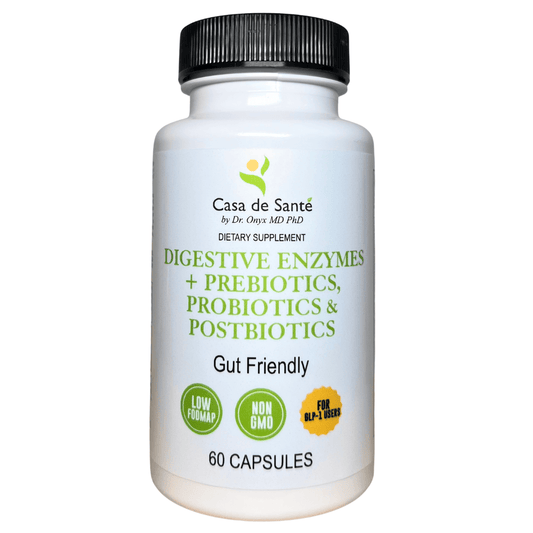
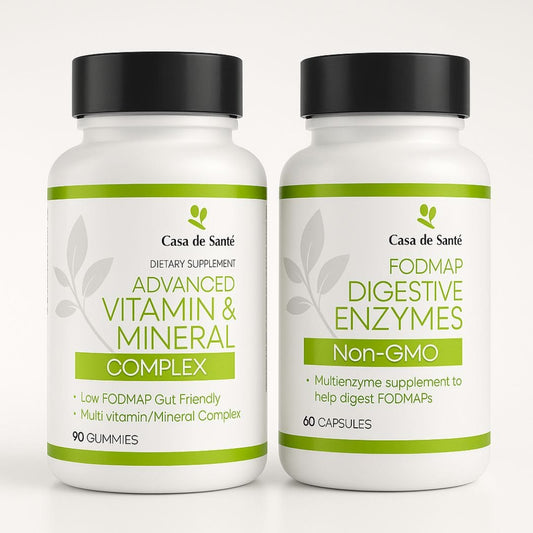
In my clinical practice, patients often find that targeted digestive support makes a noticeable difference during the elimination phase. For individuals struggling to break down certain dietary components while their pancreatic and intestinal enzyme output is suppressed by treatment, I often recommend Casa de Sante FODMAP Digestive Enzymes. This supplement is designed to assist in the breakdown of difficult-to-digest carbohydrates and proteins. Please note: digestive enzymes do not cure underlying cancer or replace medical therapy, but they can provide valuable symptomatic support for daily digestion.
The Soy and Phytoestrogen Question in Breast Cancer Care
Many breast cancer patients worry about consuming soy products because soy contains isoflavones, which are plant-based phytoestrogens with weak estrogenic activity. This concern is especially prevalent among women diagnosed with hormone receptor-positive (ER+/PR+) breast cancer. Let us look at what current clinical data tells us.
Large epidemiological studies, including the Shanghai Women's Health Study and the Carolina Breast Cancer Study, demonstrate that moderate consumption of whole soy foods (such as tofu, tempeh, edamame, and soy milk) is safe and may even be associated with lower mortality and recurrence rates. Whole soy foods are excellent sources of lean protein during a low FODMAP protocol (firm tofu is low FODMAP in standard portions). However, concentrated soy protein isolates or high-dose supplements should be discussed thoroughly with your oncologist or integrative medicine specialist before inclusion.
Maintaining a balanced gut microbiome is another pillar of survivorship care. To support microbial diversity during or after treatment, many patients incorporate a targeted supplement. I frequently suggest Advanced Probiotics GI Support to help nurture beneficial microbial strains. Keep in mind that probiotics are not a treatment for cancer itself, nor do they replace targeted oncological care, but they can assist in maintaining intestinal microbial balance during stressful medical therapies.
If you are looking to streamline your pantry during a busy treatment schedule, exploring curated culinary options can save considerable energy. Many of my patients utilize Casa de Sante Bundles to stock up on certified low FODMAP pantry staples, seasonings, and digestive aids. These bundles provide convenient access to safe foods, though they should always be used alongside individualized dietary counseling from a registered dietitian.
For additional reading on managing digestive symptoms during medical therapies, explore our article on managing treatment-related gastrointestinal side effects.
Frequently Asked Questions
1. Can a low FODMAP diet cure chemotherapy-induced diarrhea?
No diet can cure the cellular damage caused by chemotherapy, but a low FODMAP diet can significantly reduce the severity of osmotic diarrhea, gas, and cramping by limiting the amount of unabsorbed carbohydrates reaching your colon.
2. Is it safe to start a low FODMAP diet during active chemotherapy infusions?
Yes, provided you maintain adequate caloric and protein intake. Because cancer treatment increases nutritional demands, work with a clinical dietitian to ensure you do not experience unintentional weight loss or muscle wasting.
3. How long should I stay in the strict elimination phase while on cancer treatment?
The elimination phase should typically last between 2 to 6 weeks. Staying on a strict low FODMAP diet for too long can negatively impact your gut microbiome diversity. Reintroduction should begin as soon as acute symptoms stabilize.
4. Does soy consumption increase the risk of breast cancer recurrence?
Current clinical research indicates that moderate consumption of whole soy foods (like tofu, tempeh, and edamame) does not increase breast cancer recurrence risk and may even offer protective benefits. Always verify your specific hormone receptor status with your oncology team.
5. Will digestive enzymes or probiotics interfere with my chemotherapy drugs?
Standard digestive enzymes and broad-spectrum probiotics generally do not interfere with cytotoxic chemotherapy. However, because every treatment protocol is unique, you must always clear any new supplement with your medical oncologist before starting.
Conclusion
Navigating breast cancer treatment requires immense physical and emotional strength. You should not have to tolerate debilitating bloating, gas, and diarrhea as an unavoidable inevitability of your protocol. By implementing a targeted, short-term low FODMAP framework, you can protect your vulnerable intestinal lining, reduce osmotic fluid shifts, and maintain the nutritional intake necessary for your recovery. Always coordinate your dietary adjustments with your oncology team and a qualified clinical dietitian to ensure your path forward is both safe and scientifically sound.
Medical Disclaimer: This article is for informational and educational purposes only and does not constitute medical advice, diagnosis, or treatment. Dr. Onikepe Adegbola, MD PhD, and Casa de Sante do not provide formal medical diagnoses or treatment plans through this blog. Always seek the advice of your physician, oncologist, or qualified healthcare provider with any questions regarding a medical condition or cancer treatment regimen.