Skylight Inn vs Sam Jones Low FODMAP Comparison for IBS





Last updated October 24, 2024 | Medically reviewed by Dr. Onikepe Adegbola, MD, PhD
When you perform a skylight inn vs sam jones low fodmap comparison, you will find that both legendary Eastern North Carolina whole-hog barbecue joints serve naturally smoked pork that is inherently zero-FODMAP, but your symptom safety depends heavily on avoiding hidden garlic in the cornbread and cabbage in the coleslaw. As a physician-scientist trained at Johns Hopkins, I see many patients with irritable bowel syndrome (IBS) who assume regional food traditions are entirely off-limits. Fortunately, traditional wood-smoked pork requires very few ingredients—typically just pork, salt, pepper, and cider vinegar—making the core protein exceptionally gentle on an irritable gut.
Key Takeaways
- Pure Protein Safety: Traditional whole-hog barbecue from both Skylight Inn and Sam Jones BBQ contains zero carbohydrates and zero FODMAPs, making the meat itself an ideal choice for IBS patients.
- Sauce Reliability: The classic Eastern NC vinegar and pepper mop sauce is naturally low FODMAP, provided commercial additives, high-fructose corn syrup, or garlic powder are absent.
- Side Dish Traps: Traditional cornbread contains wheat and dairy, while coleslaw introduces cabbage-derived polyols and potential onion or garlic in the mayonnaise base.
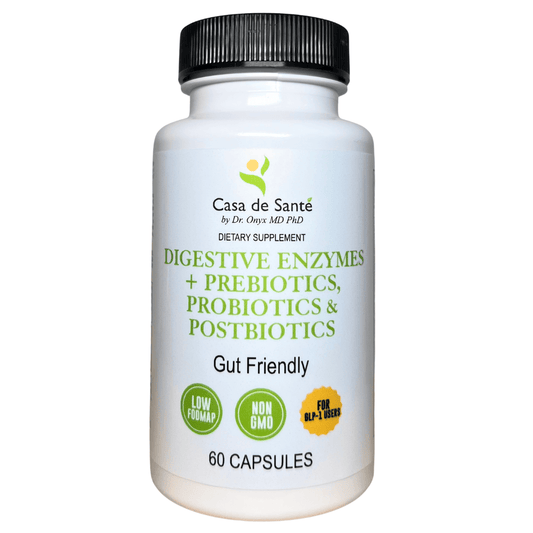
- Targeted Support: Carrying a selective enzyme supplement such as Casa de Sante FODMAP Digestive Enzymes can offer protection against accidental cross-contamination or hidden ingredients.
Understanding Eastern NC Whole-Hog BBQ Through a Gastroenterology Lens
To understand how to enjoy regional barbecue without triggering painful bloating, cramping, or altered bowel habits, we must examine food chemistry through the lens of gastroenterology. FODMAPs—which stands for Fermentable Oligosaccharides, Disaccharides, Monosaccharides, and Polyols—are a group of short-chain carbohydrates that poorly absorb in the small intestine. When these molecules travel into the colon, they rapidly ferment by resident bacteria and draw excess water into the lumen via osmotic action. This process triggers gas production, distention, and visceral hypersensitivity in individuals with IBS.
Meat, poultry, and fish contain zero carbohydrates. Therefore, unadulterated whole-hog pork is completely free of FODMAPs. However, the preparation methods, the smoke fuel, the exterior skin crispness (cracklings), and especially the side dishes introduce variables that require careful navigation. When patients ask me about eating out while managing gastrointestinal distress, I always advise looking past the main protein to analyze how the food is seasoned, bound, and served.
Learning how to parse a menu using principles from our low-FODMAP diet guide allows you to enjoy social gatherings without sacrificing your digestive comfort or nutritional wellbeing.
Skylight Inn vs Sam Jones Low FODMAP Comparison: The Meat and Sauce
Let us look directly at our primary subjects. Skylight Inn, located in Ayden, North Carolina, was established by the legendary Pete Jones and has been smoking whole hogs over oak and hickory coals since the 1940s. Sam Jones BBQ, operated by his grandson Sam Jones in Winterville and Raleigh, carries on this exact lineage with modern touches.
In our skylight inn vs sam jones low fodmap comparison regarding the primary protein, both establishments follow the orthodox Eastern NC technique: the entire pig is cooked over wood coals, chopped together with skin and fat, and seasoned simply with salt, black pepper, cider vinegar, and red pepper flakes.
- The Meat: Both Skylight Inn and Sam Jones serve 100% whole-hog pork. Because the meat is chopped fine and mixed with skin, the fat content is higher than lean chicken breast. For patients with fat-triggered gastrocolic reflexes (where high fat intake stimulates rapid colon contractions), a moderate portion size—around 4 to 6 ounces—is advisable.
- The Sauce: The traditional vinegar-pepper mop at both locations is inherently low FODMAP. Unlike sweet Kansas City or tomato-heavy Texas sauces loaded with high-fructose corn syrup, garlic, and onion, Eastern NC vinegar sauce relies on acetic acid and capsaicin. Acetic acid is entirely FODMAP-free, though individuals with acid reflux or severe gastritis should moderate hot pepper flakes to prevent upper GI irritation.
When dining at either establishment, you can safely order a pork sandwich or a chopped pork plate without the bun or side dishes, confident that the core flavor profile will not trigger osmotic diarrhea or gas.
A Practical Skylight Inn vs Sam Jones Low FODMAP Comparison Table
To help you make immediate, safe decisions at the counter, use this clinical reference guide comparing iconic Eastern NC barbecue stops:
| Restaurant | Safe Menu Choices | Items to Avoid or Modify |
|---|---|---|
| Skylight Inn (Ayden, NC) | Chopped whole-hog pork (plain or with standard vinegar-pepper sauce). | Cornbread (contains wheat and dairy); any commercial sodas with high-fructose corn syrup. |
| Sam Jones BBQ (Winterville/Raleigh) | Whole-hog pork, standard vinegar-pepper sauce, smoked turkey (verify brine ingredients). | Cornbread, baked beans (contain galactooligosaccharides from legumes), coleslaw (cabbage and potential onion/garlic mayo). |
| B's Barbecue (Greenville, NC) | Chopped pork with vinegar sauce, unbreaded fried chicken (if skin is simple flour/salt). | Boiled potatoes with onions, sweet tea (high free fructose/sucrose load), standard slaw. |
| Wilber's Barbecue (Goldsboro, NC) | Whole-hog pork, grilled chicken breasts without marinade. | Hushpuppies (wheat and onion powder), Brunswick stew (lima beans, corn, onions), french fries (potential garlic seasoning). |
| King's Restaurant (Kinston, NC) | Plain grilled meats, steamed shrimp (if available). | Buffet items with hidden sauces, cream-based soups, traditional yeast rolls. |
Managing Accidental Triggers with Clinical Enzyme Support
Even with the best intentions, restaurant dining carries an inherent risk of cross-contamination or hidden ingredients. A batch of cornbread baked nearby might share equipment, or a special mop sauce might contain trace amounts of garlic powder or onion juice. When managing visceral hypersensitivity, these small exposures can be enough to ruin your afternoon.
In my clinical practice, I often recommend a targeted digestive enzyme supplement like Casa de Sante FODMAP Digestive Enzymes for patients navigating restaurant meals or social gatherings. These specialized enzyme formulations are designed to assist the breakdown of complex carbohydrates, lactose, and fructans when dining away from home.
It is important to be clear about what these enzymes do and do not do: they are designed to help degrade specific FODMAP molecules and minor hidden fermentable starches in accidental exposures, but they are not a license to consume large portions of high-FODMAP foods, nor do they treat organic gastrointestinal pathology like celiac disease or inflammatory bowel disease.
Side Dish Hazards: Cornbread, Slaw, and Potatoes
The true danger zone at any Eastern NC barbecue joint lies in the side dishes. In Southern culinary tradition, pork is rarely eaten alone; it is accompanied by starchy, sweet, and allium-heavy side items that present significant challenges for sensitive guts.
1. Cornbread and Hushpuppies
Traditional cornbread is made with cornmeal, but authentic recipes almost universally blend in wheat flour (sources of fructans and gluten) and dairy (lactose). Furthermore, many establishments sweeten their cornbread with sugar or honey (high in excess fructose). Hushpuppies add minced onions and garlic powder directly into the batter. If you have non-celiac gluten sensitivity or fermentative IBS, skipping the cornbread and hushpuppies entirely is your safest clinical choice.
2. Coleslaw
Coleslaw seems innocent—just shredded cabbage and carrots in a dressing. However, white and green cabbage contain moderate amounts of sorbitol and excess fructose in servings exceeding 75 grams. More critically, commercial mayonnaise dressings frequently contain garlic powder and onion powder to enhance savory notes. Eating a large scoop of slaw can trigger rapid bloating and abdominal cramping.
3. Baked Beans and Brunswick Stew
Baked beans are constructed from navy or pinto beans, which are packed with galactooligosaccharides (GOS)—potent fermentable fibers that produce massive amounts of hydrogen and methane gas in the human colon. Brunswick stew, a staple at Sam Jones and other traditional spots, combines chicken, pork, butter beans, corn, and tomatoes. Butter beans (lima beans) and corn are both high-FODMAP items that should be strictly avoided during elimination phases.
If you experience persistent post-meal bloating after navigating restaurant side dishes, reviewing strategies for managing IBS flare-ups can help restore baseline gut comfort.
Supporting Your Microbiome Long-Term
While managing acute dietary choices at Skylight Inn or Sam Jones helps prevent immediate symptoms, true gut resilience requires supporting your overall gastrointestinal ecosystem. The human microbiome relies on a diverse intake of tolerable fibers to maintain a robust mucosal barrier and produce short-chain fatty acids like butyrate.
When dietary restrictions limit your intake of certain prebiotic fibers during travel or social dining, daily microbial support can be exceptionally beneficial. For ongoing maintenance, I frequently recommend Advanced Probiotics GI Support to my patients. This formula is engineered to deliver stable, research-backed bacterial strains that support intestinal barrier function and immune balance.
To be transparent, a probiotic supplement does not instantly digest a heavy meal or replace the fundamental necessity of dietary modification. Instead, think of it as part of an overarching gut health routine. For patients seeking a comprehensive approach that pairs digestive enzymes with microbiome support and gut-friendly pantry staples, exploring Casa de Sante Bundles provides a cohesive, physician-guided toolkit.
Frequently Asked Questions
1. Is Eastern NC barbecue sauce low FODMAP?
Yes, traditional Eastern North Carolina barbecue sauce consists primarily of apple cider vinegar, salt, black pepper, and crushed red pepper flakes. Because it contains no high-fructose corn syrup, garlic, or onion, it is naturally low FODMAP and safe for most individuals with IBS in moderate amounts.
2. Can I eat the cornbread at Skylight Inn or Sam Jones?
Traditional Southern cornbread at these historic locations typically contains wheat flour, dairy (milk or buttermilk), and sometimes sweeteners like sugar or honey. If you are sensitive to fructans, lactose, or excess fructose, it is best to avoid the cornbread or bring a certified low-FODMAP alternative.
3. Are whole-hog barbecue meats completely free of FODMAPs?
Yes. Unprocessed meats, including the wood-smoked whole-hog pork served at Skylight Inn and Sam Jones, contain zero carbohydrates and therefore zero FODMAPs. However, individuals sensitive to high-fat meals should consume moderate portion sizes to avoid triggering gastrocolic reflexes.
4. How does coleslaw affect IBS symptoms?
Coleslaw poses two main risks for IBS sufferers. First, cabbage contains sorbitol and excess fructose in standard restaurant portions. Second, commercial mayonnaise dressings often include hidden garlic and onion powder, which can provoke severe gas and abdominal distention.
5. What should I do if I accidentally consume hidden garlic or onion at a barbecue restaurant?
If you experience accidental exposure to hidden fructans from barbecue rubs or side dishes, taking a targeted enzyme supplement containing alpha-galactosidase and fructan hydrolase can help mitigate symptoms. Staying well-hydrated and allowing your gut time to rest before your next meal will also aid recovery.
6. Are there other low-FODMAP options at traditional NC barbecue restaurants?
Beyond the chopped whole-hog pork, you can often safely enjoy unmarinated smoked turkey or grilled chicken breast, provided no garlic or onion rubs were applied during the smoking process. Always verify preparation methods with your server when possible.
Conclusion
Navigating historic barbecue institutions like Skylight Inn and Sam Jones while managing irritable bowel syndrome does not mean you have to miss out on culinary culture. By focusing on the pure, zero-FODMAP wood-smoked pork and traditional vinegar-pepper sauce while steering clear of wheat-heavy cornbreads, gassy beans, and allium-laced slaws, you can savor authentic Eastern North Carolina flavor without paying for it with digestive distress. Armed with mindful ordering habits and targeted clinical tools, you can successfully balance your love for regional heritage with your personal gut health goals.
Medical Disclaimer: This article is for informational and educational purposes only and does not constitute medical advice, diagnosis, or treatment. Dr. Onikepe Adegbola, MD, PhD, and Casa de Sante do not claim to diagnose, treat, cure, or prevent any disease. Always consult with a qualified gastroenterologist or healthcare provider regarding any dietary changes or gastrointestinal symptoms.