Skylight Inn BBQ Low FODMAP: A Doctor's Guide





Planning a trip to Eastern North Carolina for legendary barbecue while managing irritable bowel syndrome requires careful strategy. Fortunately, navigating a skylight inn bbq low fodmap meal is entirely possible if you stick to their pure whole-hog chopped pork dressed in simple vinegar, salt, and pepper, while avoiding the wheat-based cornbread and high-FODMAP slaw additives. Last Updated: January 2025
- The Core Dish: Skylight Inn's signature chopped whole-hog pork seasoned with vinegar, salt, and pepper is naturally low FODMAP.
- What to Avoid: Skip the cornbread (contains wheat and corn flour portions that can trigger IBS) and evaluate the coleslaw for hidden onion or high-fructose sweeteners.
- Portion Control: High-fat meals can accelerate gut motility through the gastrocolic reflex; moderate your serving size even if the food is low FODMAP.
- Digestive Support: Targeted enzyme supplements can assist with protein and fat digestion, though they do not cure food intolerances.
Understanding Skylight Inn BBQ and the Low FODMAP Diet
As a physician-scientist trained at Johns Hopkins, patients frequently ask me how to maintain dietary restrictions when traveling or eating out. Barbecue culture is a cornerstone of American culinary tradition, particularly in North Carolina. However, traditional barbecue joints often hide high-FODMAP ingredients like garlic, onion, high-fructose corn syrup, and wheat flour in their rubs, sauces, and sides.
Located in Ayden, North Carolina, Skylight Inn BBQ holds a legendary status. Founded by the late Pete Jones in 1947, the establishment is famous for cooking whole hogs over oak and hickory coals, chopping the meat together with skin, and dressing it strictly with cider vinegar, salt, and red pepper flakes. This traditional preparation method makes a skylight inn bbq low fodmap dining experience much more accessible than modern chain restaurants loaded with commercial sweet sauces.
FODMAPs—Fermentable Oligosaccharides, Disaccharides, Monosaccharides, and Polyols—are short-chain carbohydrates that draw water into the small intestine and ferment rapidly in the colon. In patients with irritable bowel syndrome (IBS), this fermentation process generates gas, bloating, abdominal pain, and altered bowel habits. Because Skylight Inn keeps its base meat seasoning remarkably simple, it bypasses many typical barbecue traps.
The Anatomy of a Skylight Inn BBQ Low FODMAP Meal
To safely enjoy a meal at Skylight Inn without triggering a gastrointestinal flare-up, you must examine each component of their limited menu individually. The menu is famously minimalist: chopped pork, cornbread, and coleslaw.
The Chopped Pork and Skin
The star of the show is the whole-hog chopped pork. Pure meat contains zero carbohydrates, which means it contains zero FODMAPs. Skylight Inn chops the skin right into the pork, providing that distinct, rich texture and savory crunch. Pork skin is primarily protein and fat. While fat does not contain FODMAPs, consuming large amounts of dietary fat can stimulate the gastrocolic reflex, leading to rapid intestinal contractions. If you have fat-sensitive IBS or bile acid malabsorption, moderate your portion size to avoid discomfort.
The Vinegar Sauce
Unlike Kansas City or Texas styles that rely on tomato pastes, molasses, and heavy garlic or onion powders, Eastern North Carolina barbecue sauce is remarkably spartan. Skylight Inn dresses its pork with cider vinegar, salt, and red pepper flakes. Vinegar is a fermented product, but standard cider vinegar is low FODMAP in typical serving sizes (up to two tablespoons). Red pepper flakes provide capsaicin, which can occasionally irritate sensitive stomach linings in large quantities, but they do not contain FODMAPs.
The Sides: Cornbread and Coleslaw
This is where you need to exercise strict caution.
- Cornbread: Skylight Inn serves a traditional thin, crispy-edged cornbread. However, authentic Southern cornbread typically contains a blend of cornmeal and wheat flour for structural integrity. Wheat contains fructans, a major FODMAP culprit. Furthermore, standard corn flour can be high in excess fructose if consumed in large portions. I strongly advise skipping the cornbread entirely. For more guidance on managing wheat and grain sensitivities, check out our resource on navigating elimination diets.
- Coleslaw: Traditional coleslaw dressing is made from mayonnaise, vinegar, sugar, salt, and pepper. While basic mayonnaise is low FODMAP, commercial slaws frequently incorporate onion powder or garlic powder for depth of flavor. Unless you can verify that the slaw is prepared without alliums, it is safest to skip it or request a small test portion.
How Skylight Inn Compares to Other Legendary BBQ Spots
When planning a low FODMAP barbecue tour, understanding regional flavor profiles helps you anticipate hidden triggers. Here is how Skylight Inn stacks up against other famous barbecue institutions across the country.
| Restaurant | Style & Location | Low FODMAP Friendliness | Key Triggers to Watch |
|---|---|---|---|
| Skylight Inn | Whole-hog, Ayden NC | High (for the meat) | Cornbread (wheat/fructans), slaw (potential alliums). |
| Sam Jones BBQ | Whole-hog, Winterville/Raleigh NC | High (for the meat) | Similar to Skylight Inn; watch out for proprietary sweet sauces and sides. |
| Rodney Scott's BBQ | Whole-hog, Charleston SC / Birmingham AL | Moderate | His signature mop sauce often contains complex spice blends with garlic and onion powder. |
| Lewis BBQ | Texas-style brisket, Charleston SC | Moderate | Beef brisket is naturally low FODMAP, but Texas rubs frequently rely heavily on garlic and onion granules. |
Clinical Strategies for Eating BBQ with IBS
When patients ask me if they can indulge in authentic barbecue while managing chronic gut symptoms, my answer is always grounded in physiology. A typical restaurant meal contains higher fat concentrations and unusual portions compared to home cooking. To protect your digestive tract, consider these actionable clinical tips:
- Pre-Meal Preparation: Do not starve yourself before arriving at the restaurant. Arriving ravenous often leads to rapid eating, which swallows excess air (aerophagia) and causes immediate gastric distension.
- Portion Moderation: Limit your chopped pork intake to a standard four-to-six-ounce serving. Overloading the stomach with heavy fats can slow gastric emptying, causing bloating and upper abdominal discomfort.
- Hydration Choices: Stick to plain still water. Avoid carbonated beverages, sweet teas, or beers, as carbonation and high-fructose sweeteners exacerbate bloating.
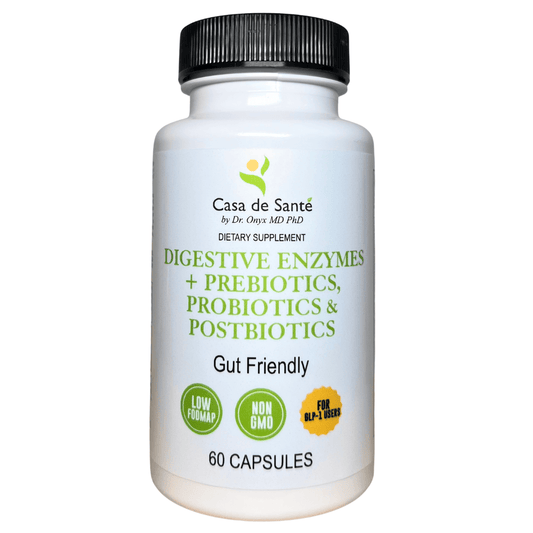
- Enzyme Support: In my clinical practice, I often recommend a targeted digestive enzyme supplement like Casa de Sante FODMAP Digestive Enzymes for patients dealing with unpredictable restaurant meals. These specialized enzymes help break down complex carbohydrates and proteins that might sneak into seasoned foods, though they do not replace strict adherence to your dietary protocol or cure underlying food intolerances.
For more insights on how digestive enzymes function during dining out experiences, you can read our detailed article on managing IBS when dining out.
Supporting Your Gut Microbiome Beyond the Meal
Occasional deviations or rich restaurant meals can disrupt your internal microbial balance. Restoring resilience in your gastrointestinal tract requires long-term maintenance rather than a single quick fix. A thriving microbiome handles occasional dietary stressors far better than a depleted, inflamed ecosystem.
To support daily intestinal barrier function and microbial diversity, many of my patients incorporate clinical-grade probiotics into their wellness routines. For daily support, a specialized formula such as Advanced Probiotics GI Support can help promote a balanced intestinal flora and reinforce the gut lining. Probiotics do not magically erase the effects of a high-fat meal, but they help maintain baseline resilience so your digestive system recovers faster.
If you are looking to build a comprehensive daily regimen that covers both enzymatic support and microbiome health, exploring curated options like Casa de Sante Bundles provides a streamlined way to access physician-formulated supplements designed specifically for sensitive stomachs.
Frequently Asked Questions about Skylight Inn BBQ Low FODMAP Options
Is Skylight Inn BBQ completely low FODMAP?
Not entirely. While the core ingredient—chopped whole-hog pork seasoned only with vinegar, salt, and pepper—is naturally low FODMAP, the traditional cornbread contains wheat and corn flour, and the coleslaw may contain hidden alliums like onion powder.
Can I use barbecue sauces at Skylight Inn?
Skylight Inn uses a very thin, vinegar-and-pepper wash rather than a thick, sugary barbecue sauce. This makes their meat much safer than sweet, tomato-based barbecue styles, but you should always confirm there are no hidden onion or garlic additives in any alternate dipping sauces.
Why is fat content important on a low FODMAP diet?
While fats do not contain FODMAPs, high amounts of dietary fat stimulate the gastrocolic reflex. In individuals with sensitive guts or IBS, this can trigger rapid muscle contractions in the colon, leading to cramping, urgency, and discomfort.
Should I take digestive enzymes before eating barbecue?
Taking a broad-spectrum enzyme product like Casa de Sante FODMAP Digestive Enzymes can assist your body in breaking down hard-to-digest components and trace ingredients. Keep in mind that enzymes support digestion; they do not cure food intolerances or permit unlimited consumption of high-FODMAP foods.
What is the safest way to order at Skylight Inn for IBS?
Order a small or medium portion of chopped whole-hog pork with extra vinegar-and-pepper sauce on the side. Skip the cornbread, and either skip the coleslaw or ask for clarification regarding its ingredients.
Medical Disclaimer: This article is for informational and educational purposes only and does not constitute medical advice. Dr. Onikepe Adegbola, MD PhD, and Casa de Sante do not diagnose, treat, or cure any medical conditions through this content. Always consult your gastroenterologist or physician before making significant changes to your diet, lifestyle, or supplement regimen.