Low FODMAP Diet Uveal Melanoma: Managing GI Side Effects





Adopting a low fodmap diet uveal melanoma strategy can significantly alleviate treatment-induced gastrointestinal distress, such as chronic diarrhea, bloating, and abdominal cramping. Advanced therapies like tebentafusp and liver-directed interventions frequently alter gut motility and microbiome composition, making targeted dietary modifications an essential part of supportive oncology care. When your oncology team administers targeted immunotherapy or bi-specific fusion proteins, your digestive tract often takes the hit. By temporarily restricting fermentable carbohydrates, you reduce osmotic load and colonic gas production, allowing inflamed intestinal mucosa time to recover.
Key Takeaways
- Treatment Impact: Uveal melanoma therapies, including tebentafusp and checkpoint inhibitors, frequently cause severe gastrointestinal side effects like diarrhea, cramping, and nausea.
- Dietary Relief: A structured elimination of fermentable carbohydrates lowers osmotic fluid shifts in the gut and minimizes gas production.
- Protein Preservation: Patients must maintain adequate protein intake to combat cancer-related muscle wasting while following specialized elimination protocols.
- Clinical Coordination: Always partner with your medical oncologist and clinical dietitian before making significant dietary adjustments during active cancer treatment.
Understanding Uveal Melanoma Treatments and Gastrointestinal Side Effects
Uveal melanoma is a rare form of cancer originating in the eye, specifically within the uve tract (the iris, ciliary body, and choroid). Unlike cutaneous melanoma, it has a distinct biological profile and a high propensity for metastasizing to the liver. Managing metastatic or advanced uveal melanoma requires potent systemic and localized interventions that alter normal physiologic functions.
Modern therapeutic regimens for this disease include bi-specific T-cell engagers like tebentafusp, immune checkpoint inhibitors such as pembrolizumab and nivolumab, and liver-directed procedures like transarterial chemoembolization (TACE) or radioembolization with yttrium-90. While these medical advancements save lives, they exact a heavy toll on the gastrointestinal tract. Clinical studies indicate that up to 40% to 50% of patients receiving systemic immunotherapy experience treatment-related diarrhea or immune-mediated colitis.
When T-cells or cytokines target malignant cells, they frequently trigger systemic inflammatory responses. The enteric nervous system and the gut mucosal barrier experience collateral damage. Intestinal permeability increases, tight junctions loosen, and normal transit times are disrupted. Patients often report unpredictable bowel habits, persistent urgency, and painful bloating that severely compromises daily life and nutritional intake.
Implementing a low fodmap diet uveal melanoma protocol for relief
To mitigate these debilitating GI symptoms, many clinicians turn to targeted dietary adjustments. Implementing a low fodmap diet uveal melanoma protocol involves restricting specific short-chain carbohydrates and sugar alcohols that resist enzymatic digestion in the small intestine. These compounds include Fermentable Oligosaccharides, Disaccharides, Monosaccharides, and Polyols (FODMAPs).
In a healthy gut, FODMAPs pass into the large intestine where resident bacteria ferment them. However, when the intestinal mucosa is inflamed by cancer therapies, this process goes awry in two distinct ways:
- Osmotic Draw: Undigested short-chain carbohydrates exert an osmotic effect, pulling excess water into the lumen of the small and large intestines. This leads directly to watery, urgent diarrhea.
- Rapid Fermentation: Colonic bacteria rapidly ferment these available substrates, producing high volumes of hydrogen, methane, and carbon dioxide gases. This gas expansion stretches an already sensitive, inflamed bowel wall, causing sharp cramping and distension.
By temporarily removing high-FODMAP foods—such as specific wheat products, onions, garlic, legumes, stone fruits, and certain dairy items—you remove the fuel source for excessive gas and fluid accumulation. To understand the foundational mechanics of this approach, read more about low FODMAP diet basics and how targeted elimination eases digestive strain.
Comparison of Dietary Approaches During Cancer Treatment
Choosing the right nutritional framework during oncology care requires balancing symptom relief with metabolic preservation. The table below compares standard dietary habits with specialized therapeutic options for patients experiencing gastrointestinal toxicity.
| Dietary Approach | Primary Mechanism | Impact on Uveal Melanoma GI Symptoms | Primary Drawback |
|---|---|---|---|
| Standard Western Diet | High in processed sugars, refined grains, and diverse fermentable fibers. | Often exacerbates gas, bloating, and urgent diarrhea due to high osmotic load. | Triggers acute GI distress during immunotherapy. |
| High-Fiber Health Diet | Focuses on raw vegetables, whole grains, beans, and raw fruits. | Can worsen cramping and loose stools because damaged mucosa cannot handle high fiber. | Too harsh for inflamed oncology patients. |
| Low FODMAP Protocol | Restricts specific fermentable oligosaccharides, disaccharides, monosaccharides, and polyols. | Significantly reduces osmotic diarrhea, gas production, and abdominal distension. | Requires careful planning to avoid unnecessary long-term restriction. |
How a low fodmap diet uveal melanoma approach protects gut integrity
Maintaining metabolic stability is paramount for patients undergoing cancer treatments. When implementing a low fodmap diet uveal melanoma management plan, patients and caregivers sometimes worry about nutritional depletion. However, this diet is not about eating less; it is about eating smart.
Cancer cachexia and sarcopenia (muscle wasting) pose serious threats to treatment tolerance. Patients require robust protein intake to maintain lean body mass. Fortunately, many foundational protein sources are naturally low in FODMAPs. Fresh eggs, poultry, lean beef, fish, firm tofu, and lactose-free dairy products provide the necessary amino acids without triggering the fermentation cascade that leads to bloating and pain.
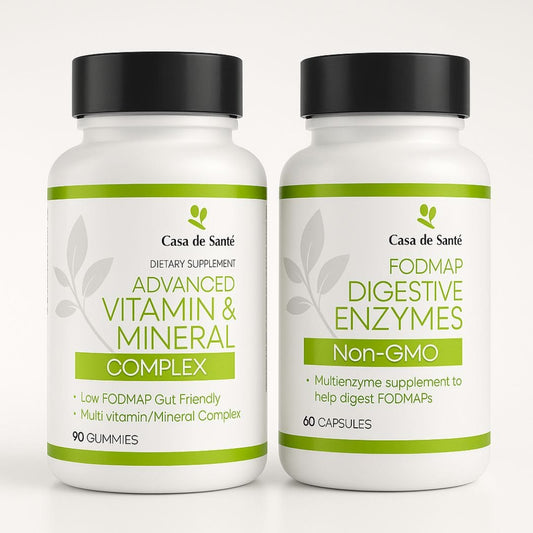
In my clinical practice, I often remind patients that elimination phases should be temporary (typically 2 to 6 weeks) before systematically reintroducing foods to test individual tolerance thresholds. During the initial active phases of targeted therapy or immunotherapy, supporting your digestive system with professional-grade aids can make a tangible difference. For instance, incorporating Casa de Sante FODMAP Digestive Enzymes can assist your body in breaking down complex carbohydrates that occasionally slip into your meal plan. Please note that while these digestive enzymes help support normal gastrointestinal comfort and break down difficult carbohydrates, they do not cure cancer, treat underlying oncologic disease, or replace prescription anti-diarrheal medications.
Practical Integration with Your Oncology Care Team
Dietary modifications should never occur in a vacuum, especially when managing complex malignancies like uveal melanoma. Before altering your nutritional intake, review your plans with your medical oncologist, oncology nurse navigator, and clinical registered dietitian.
Your care team needs to monitor key clinical parameters:
- Hydration Status: Chronic diarrhea can rapidly lead to electrolyte imbalances and dehydration, which compromises kidney function and delays scheduled treatments.
- Weight Stability: Tracking body weight ensures that dietary restrictions are not causing unintended caloric deficits or rapid muscle loss.
- Medication Interactions: Certain supportive care drugs, such as anti-nausea medications or corticosteroids, interact with gut motility and require personalized dietary alignment.
To foster a resilient intestinal environment alongside your medical treatments, supporting your baseline microbiome is equally important. Many patients benefit from gentle, targeted microbial support. A specialized supplement such as Advanced Probiotics GI Support can help maintain a balanced intestinal flora during times of therapeutic stress. It is important to understand that these probiotics support overall gut health and microbial balance; they do not treat acute infections, replace immunosuppressive therapies, or cure oncologic conditions. For patients looking for a comprehensive, curated suite of elimination diet tools, exploring Casa de Sante Bundles provides structured support for daily gut management. For further reading on protecting your digestive system during intensive medical protocols, review our clinical guide on gut health during cancer treatment.
Frequently Asked Questions
Can a low FODMAP diet cure or treat uveal melanoma?
No. A low FODMAP diet is a supportive nutritional strategy designed to manage gastrointestinal symptoms such as diarrhea, bloating, and abdominal discomfort caused by cancer treatments. It has no direct anti-cancer properties and must be used alongside conventional medical oncology treatments.
How long should I stay on a strict low FODMAP elimination diet during immunotherapy?
The strict elimination phase is generally intended to last between 2 to 6 weeks. Once your gastrointestinal symptoms stabilize, you should work with a clinical dietitian to systematically reintroduce FODMAP groups to determine your personal tolerance thresholds and avoid long-term dietary restriction.
Will a low FODMAP diet interfere with my tebentafusp or checkpoint inhibitor treatments?
No. A low FODMAP diet simply swaps out specific fermentable carbohydrates for equally nutritious, lower-FODMAP alternatives. It does not interfere with the pharmacokinetics or therapeutic efficacy of systemic oncology drugs. However, you should always verify your meal plans with your oncology dietitian to ensure adequate caloric and protein intake.
How do I maintain my muscle mass and prevent weight loss while avoiding high-FODMAP foods?
You can easily preserve muscle mass by focusing on protein sources that are naturally free of FODMAPs. Excellent options include eggs, skinless chicken breast, lean beef, fish, firm tofu, and lactose-free dairy or bone broths. Incorporating these foods regularly helps prevent cancer cachexia while keeping your gut calm.
When should I contact my oncology team about diarrhea instead of relying on diet changes alone?
You should contact your oncology team immediately if you experience severe diarrhea (four or more episodes over baseline per day), fever, dizziness, blood in your stool, or severe abdominal pain. These symptoms can indicate immune-mediated colitis or other serious treatment toxicities requiring prompt medical evaluation and prescription intervention.
Medical Disclaimer: This article is for informational and educational purposes only and does not constitute medical advice, diagnosis, or treatment. Dr. Onikepe Adegbola, MD PhD, and Casa de Sante do not provide formal medical diagnoses or personal treatment plans through this content. Always consult your qualified healthcare provider, medical oncologist, or registered dietitian regarding any questions or concerns about a medical condition, cancer treatment side effects, or dietary changes.