Low FODMAP Diet Thymoma Recovery: Managing GI Side Effects





Last Updated: March 2025 | By Dr. Onikepe Adegbola, MD PhD
Implementing a low fodmap diet thymoma protocol does not treat the underlying thymic epithelial tumor, but it can significantly reduce troublesome gastrointestinal symptoms like chronic diarrhea, abdominal cramping, and severe bloating. These persistent gut issues frequently arise as secondary effects from treatments such as surgical thymectomy, chemotherapy, radiation therapy, or medications like pyridostigmine prescribed for associated autoimmune conditions.
As a physician-scientist trained at Johns Hopkins, I frequently care for patients managing complex oncologic and autoimmune diagnoses. When your body is healing from major interventions, dealing with unpredictable bowel habits can drain your physical and emotional reserves. Dietary modifications targeting fermentable carbohydrates offer a reliable, evidence-based method to calm an over-reactive digestive tract.
- Symptom Management, Not Cancer Treatment: A low FODMAP diet addresses functional gastrointestinal distress following thymoma therapy; it has no direct anti-tumor effect.
- Multifactorial Triggers: Post-thymectomy GI distress often stems from surgical shifts, radiation esophagitis, chemotherapy, or myasthenia gravis medications like pyridostigmine.
- Targeted Dietary Relief: Restricting fermentable oligosaccharides, disaccharides, monosaccharides, and polyols reduces osmotic fluid shifts and colonic gas production.
- Structured Reintroduction: Elimination phases should be temporary to preserve long-term gut microbiome diversity.
Why a Low FODMAP Diet Thymoma Protocol Helps Manage GI Distress
Thymomas are rare tumors originating in the epithelial cells of the thymus gland. While relatively uncommon—accounting for a small fraction of all anterior mediastinal masses—they carry significant clinical complexity due to their association with autoimmune disorders, most notably myasthenia gravis. Up to 30 percent to 50 percent of individuals diagnosed with a thymoma also present with myasthenia gravis, an autoimmune neuromuscular condition causing muscle weakness.
The standard treatment trajectory for thymoma typically involves surgical resection (thymectomy), often supplemented by radiation therapy and systemic chemotherapy depending on the staging and histological grade. Every single one of these therapeutic modalities impacts the gastrointestinal tract. Surgery alters intra-abdominal pressure dynamics and triggers systemic inflammatory responses. Radiation to the chest can inadvertently affect the esophagus and upper GI tract. Chemotherapy agents target rapidly dividing cells, which includes the epithelial lining of the intestines, leading to malabsorption, mucosal injury, and severe diarrhea.
When patients approach me complaining of unrelenting gas, post-prandial fullness, and alternating bowel habits during their thymoma recovery, we look closely at how their digestive system processes food. This is where a low fodmap diet thymoma strategy becomes clinically valuable. By temporarily removing short-chain carbohydrates that escape normal enzymatic digestion in the small intestine, we starve the colonic bacteria of excess fuel. This simple physiological shift stops rapid gas production and halts osmotic water influx into the bowel lumen.
Navigating Medication Side Effects: Pyridostigmine, Chemo, and Radiation
To understand why post-thymoma digestive distress is so prevalent, we must examine the pharmacological agents involved in patient care. Many individuals with thymoma take acetylcholinesterase inhibitors, such as pyridostigmine (Mestinon), to manage myasthenia gravis muscle weakness. Pyridostigmine works by preventing the breakdown of acetylcholine, thereby increasing its concentration at neuromuscular junctions.
However, acetylcholine is the primary neurotransmitter of the parasympathetic nervous system—the "rest and digest" system. Enhancing its availability body-wide hyper-stimulates the gastrointestinal tract. Patients often experience cholinergic side effects, including severe abdominal cramps, hyperperistalsis, excessive salivation, and urgent, watery diarrhea. Combining these medication side effects with the mucosal disruption caused by chemotherapy creates a perfect storm for chronic functional gut distress.
Radiation therapy introduces another layer of complexity. Depending on the radiation field used to target residual thymic tissue, patients may develop esophagitis, gastritis, or localized enteritis. Eating becomes painful, and digestion becomes sluggish or erratic. Implementing dietary adjustments tailored to these physiological insults helps protect the mucosal lining while reducing the burden of gas and distension.
Implementing a Low FODMAP Diet Thymoma Plan for Recovery
Transitioning to a specialized dietary framework during cancer recovery requires careful planning. You cannot afford nutritional deficiencies when your body is working hard to heal. A proper low FODMAP protocol is structured in three distinct phases: elimination, reintroduction, and personalization.
During the short-term elimination phase (typically lasting 2 to 6 weeks), high-FODMAP foods are swapped for gentle, gut-friendly alternatives. For example, instead of eating garlic, onions, wheat, and apples—all rich in fermentable carbohydrates—patients consume garlic-infused oils, rice, oats, and bananas. This reduction directly alleviates the luminal distension that causes pain and cramping.
Let us examine how different dietary approaches compare for individuals managing post-treatment symptoms:
| Dietary Approach | Primary Mechanism | Pros for Thymoma Recovery | Potential Drawbacks |
|---|---|---|---|
| Standard Hospital Diet | General nutrition with no restriction on fermentable sugars. | Easy to source; familiar foods. | Often triggers severe bloating, gas, and diarrhea in sensitized patients. |
| High-Fiber Recovery Diet | Focuses on whole grains, raw vegetables, and legumes. | Supports standard bowel regularity in healthy populations. | Exacerbates gas, cramping, and osmotic diarrhea in post-chemo or medication-sensitive guts. |
| Low FODMAP Diet Thymoma Protocol | Systematically restricts fermentable carbohydrates to lower gas and fluid load. | Significantly reduces bloating, urgency, and abdominal pain without affecting tumor pathways. | Requires careful planning to avoid long-term caloric or micronutrient restriction. |
As detailed in our clinical resources on understanding the elimination phase, this step is purely diagnostic and therapeutic for symptoms, not a permanent lifestyle restriction.
Practical Dietary Adjustments and Swallowing Considerations
Surgical access for a thymoma—whether via median sternotomy, minimally invasive thoracoscopic surgery, or robotic-assisted approaches—involves the chest cavity in close proximity to major swallowing structures. Furthermore, anterior mediastinal radiation can occasionally induce temporary esophageal irritation or dysphagia. When planning meals, texture modification is just as important as chemical composition.
If you are experiencing mild post-surgical or post-radiation swallowing fatigue, combine low FODMAP principles with soft, nutrient-dense textures. Avoid dry, scratchy foods that irritate the esophagus. Instead, opt for well-cooked low-FODMAP vegetables, blended soups flavored with chives rather than onions, and easily digestible proteins like broiled chicken, eggs, or firm tofu.
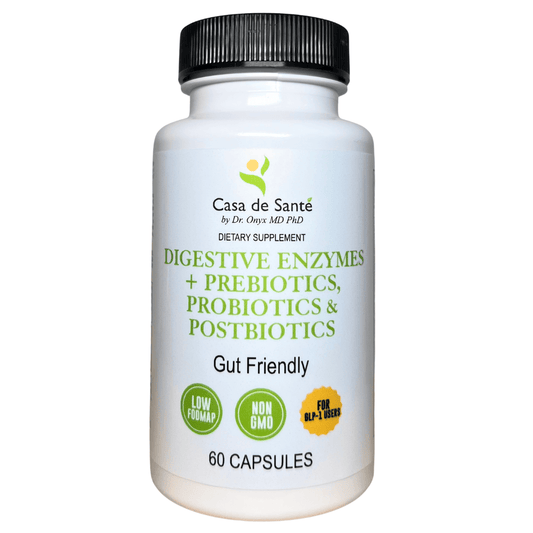
In my clinical practice, I often recommend a targeted digestive enzyme supplement like Casa de Sante FODMAP Digestive Enzymes for patients dealing with post-treatment malabsorption and sensitivity to residual food components. What it does: It provides specialized enzymes that help break down hard-to-digest carbohydrates and dietary components, easing occasional gas and bloating. What it does not do: It is not a cure for thymoma, nor does it replace the structured low FODMAP elimination diet or treat myasthenia gravis.
Rebuilding Gut Health with Targeted Probiotics
Medical treatments such as broad-spectrum antibiotic prophylaxis during surgery, platinum-based chemotherapy regimens, and radiation therapy can decimate the native gut microbiome. This dysbiosis—an imbalance in microbial populations—often perpetuates chronic inflammation, loose stools, and systemic fatigue.
Once acute treatment phases stabilize, supporting the restoration of beneficial bacteria becomes a priority. However, not all probiotics are well-tolerated by a sensitized gut. Many commercial probiotic formulations contain prebiotics like inulin or fructooligosaccharides (FOS) that can instantly trigger severe gas and bloating in individuals sensitive to fermentable carbohydrates.
When selecting a microbiome support supplement, purity and strain specificity are paramount. For patients seeking gentle microbial support, a practitioner-formulated option such as Advanced Probiotics GI Support is frequently utilized. What it does: It introduces researched, gut-friendly bacterial strains designed to support mucosal integrity and a balanced intestinal flora without triggering FODMAP-related fermentation. What it does not do: It does not treat thymic malignancies, replace prescription medications, or act as an immediate overnight fix for complex gastrointestinal disorders.
For a deeper dive into microbiome restoration strategies, read our guide on balancing the gut microbiome after medical therapies.
Building a Sustainable Long-Term Recovery Plan
Recovery from thymoma treatment is rarely a linear process. It requires a coordinated effort between your oncologist, thoracic surgeon, neurologist (if managing myasthenia gravis), and a knowledgeable clinical dietitian or physician specializing in integrative gut health.
Because restrictive eating can become stressful, having access to curated, lab-tested low FODMAP food options and structured guidance streamlines the healing process. Many of my patients find that utilizing coordinated support kits helps remove the guesswork from meal preparation. A comprehensive collection such as Casa de Sante Bundles brings together certified low FODMAP pantry staples, protein powders, and digestive aids. What it does: It provides convenient, certified low-FODMAP foods and supplements that make sticking to a sensitive-gut diet straightforward and stress-free. What it does not do: It does not cure underlying medical conditions or replace individualized medical nutrition therapy.
By respecting your body's physiological limits, pacing your meals, and carefully managing dietary triggers, you can reclaim digestive comfort while your body focuses on systemic healing.
Frequently Asked Questions
Does a low FODMAP diet treat thymoma or thymic carcinoma?
No. A low FODMAP diet is strictly a dietary management tool used to alleviate functional gastrointestinal symptoms such as bloating, gas, cramping, and diarrhea. It has no direct anti-tumor activity against thymoma or thymic carcinoma.
Why do myasthenia gravis medications like pyridostigmine cause diarrhea?
Pyridostigmine increases acetylcholine levels at neuromuscular junctions and autonomic synapses. Because acetylcholine stimulates the parasympathetic nervous system, it accelerates gastrointestinal motility and secretions, frequently resulting in abdominal cramps and loose stools.
How long should I stay on the strict low FODMAP elimination phase?
The strict elimination phase is designed to be temporary, typically lasting between 2 to 6 weeks. Remaining on a strict elimination diet long-term can harm your gut microbiome diversity. Foods should be systematically reintroduced under professional guidance to identify your specific personal triggers.
Can radiation therapy to the chest cause digestive issues?
Yes. While radiation for thymoma is directed at the anterior mediastinum, scattered radiation can affect the esophagus and upper GI tract, leading to esophagitis, altered motility, and temporary digestive sensitivities.
Are probiotics safe to take during chemotherapy or post-thymectomy recovery?
Probiotic safety depends heavily on your immune status, surgical recovery timeline, and specific product formulation. Always consult your oncology team or physician before introducing probiotics, particularly if you are neutropenic or recovering from major thoracic surgery.
How do I ensure I get enough calories on a low FODMAP diet after surgery?
Focus on calorie-dense, low-FODMAP foods such as lactose-free dairy or plant milks, eggs, lean meats, rice, quinoa, potatoes, and healthy fats like olive oil and avocado in tolerated portions. Working with a clinical dietitian ensures your nutritional needs are fully met during recovery.
Medical Disclaimer: This article is for informational and educational purposes only and does not constitute medical advice, diagnosis, or treatment. Dr. Onikepe Adegbola, MD PhD, and Casa de Sante do not provide formal medical diagnoses or treatment plans online. Always consult your oncologist, surgeon, neurologist, or primary care physician regarding any medical condition or before making significant changes to your diet, supplements, or medication regimen.