Low FODMAP Diet Testicular Cancer: Managing GI Symptoms





Last Updated: May 2024 | Written by Dr. Onikepe Adegbola, MD PhD
When you are recovering from testicular cancer, managing chronic bloating, cramping, and unpredictable bowel habits can feel overwhelming. A low fodmap diet testicular cancer recovery protocol significantly reduces these distressing gastrointestinal symptoms by minimizing the fermentation of poorly absorbed short-chain carbohydrates in your digestive tract. As a physician-scientist, I have seen firsthand how aggressive oncology treatments alter the delicate equilibrium of the gut microbiome and mucosal barrier.
If you recently underwent a radical orchiectomy, received platinum-based chemotherapy regimens such as bleomycin, etoposide, and cisplatin (BEP), or faced retroperitoneal lymph node dissection (RPLND), your digestive system has experienced major physiological stress. Let us examine how targeted dietary modifications can help restore comfort and support your long-term survivorship.
Key Takeaways
- Testicular cancer therapies, including BEP chemotherapy and RPLND surgery, frequently trigger persistent gut dysfunction, visceral hypersensitivity, and IBS-like symptoms.
- A low fodmap diet testicular cancer management strategy temporarily restricts fermentable carbohydrates to alleviate bloating, gas, and osmotic diarrhea.
- Maintaining adequate protein intake for lean muscle recovery is vital during survivorship, requiring careful meal planning alongside elimination protocols.
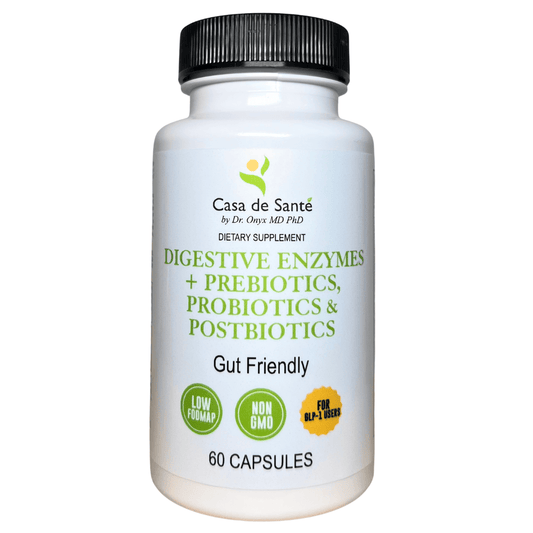
- Targeted digestive support supplements, such as Casa de Sante FODMAP Digestive Enzymes, assist with carbohydrate breakdown, while Advanced Probiotics GI Support aids microflora balance (note: these supplements support digestion but do not treat or cure cancer).
- Always collaborate with your medical oncologist and a registered oncology dietitian before initiating major dietary restrictions.
Why Testicular Cancer Treatments Disrupt the Gut
Testicular cancer is one of the most treatable solid tumors, boasting high multi-year survival rates exceeding 95% when caught early. However, the curative treatments required to achieve this success place an immense burden on the human body. Understanding why your gut reacts so strongly requires looking at the physiological cascades triggered by surgery and chemotherapy.
An initial radical inguinal orchiectomy removes the primary tumor. While this is a localized procedure, the physiological and psychological trauma reverberates through the gut-brain axis. Following surgery, many patients require systemic chemotherapy—most notably the BEP protocol administered over several 21-day cycles. Cisplatin and etoposide are cytotoxic agents that target rapidly dividing cells. Unfortunately, this means they do not discriminate between malignant cells and the healthy epithelial enterocytes lining your small and large intestines.
When these enterocytes sustain damage, your intestinal villi shorten, brush-border enzyme production drops, and mucosal permeability increases. Clinical observations indicate that up to 30% of patients undergoing platinum-based chemotherapy experience acute or chronic gastrointestinal symptoms, ranging from severe nausea to debilitating diarrhea. Furthermore, retroperitoneal lymph node dissection (RPLND) frequently disrupts autonomic nerve fibers that govern intestinal motility. This surgical disruption can slow or accelerate transit times, leading to chronic dysmotility, fat malabsorption, or chylous ascites.
How a Low FODMAP Diet Relieves Testicular Cancer GI Side Effects
Many survivors deal with persistent, post-infectious IBS-like symptoms long after ringing the final chemotherapy bell. Bloating, abdominal discomfort, and urgent bowel movements are classic signs of visceral hypersensitivity—a condition where the nerves in your gut wall become hyper-reactive to normal stretching and gas production. This is where a low fodmap diet testicular cancer protocol proves remarkably effective.
FODMAP is an acronym for Fermentable Oligosaccharides, Disaccharides, Monosaccharides, and Polyols. These are short-chain carbohydrates that escape complete digestion in the small intestine. As they travel into the colon, two physiological events occur:
- Osmotic Effect: They draw excess water into the intestinal lumen, accelerating stool transit and causing watery diarrhea.
- Rapid Fermentation: Resident colonic bacteria rapidly ferment these sugars, producing high volumes of hydrogen, methane, and carbon dioxide gases, which trigger painful distension.
In a healthy individual, mild gas production goes unnoticed. In a healing post-cancer gut characterized by altered microbiome diversity and heightened nerve sensitivity, FODMAP fermentation causes severe cramping and bloating. By temporarily removing high-FODMAP foods—such as wheat, onions, garlic, apples, pears, and dairy products containing lactose—you starve gas-producing bacteria and reduce osmotic load, giving your mucosal lining the quiet environment it requires to repair.
Comparison: Standard Post-Treatment Diet vs. Low FODMAP Recovery Protocol
| Dietary Parameter | Standard Post-Treatment Diet | Low FODMAP Recovery Protocol |
|---|---|---|
| Primary Focus | General caloric intake and weight recovery | Reducing fermentation, gas, and mucosal irritation |
| Carbohydrate Profile | Unrestricted (includes wheat, legumes, high-fructose fruits) | Strict restriction of high-FODMAP sugars for 2 to 6 weeks |
| Impact on Bloating | Often persistent due to rapid bacterial overgrowth and gas | Significantly lowered gas production and abdominal distension |
| Stool Consistency | Unpredictable urgency, alternating diarrhea and constipation | Normalized transit time and improved stool form |
| Protein Sourcing | Any protein source (frequently flavored with garlic or onion) | Clean proteins (eggs, poultry, fish, firm tofu) without high-FODMAP marinades |
Balancing Protein Needs and Gut Health in Survivorship
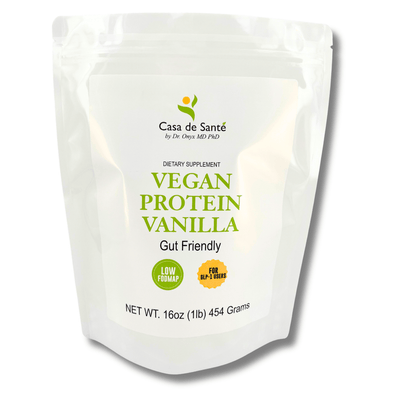
Muscle wasting and profound physical fatigue frequently plague patients undergoing multi-cycle chemotherapy and major abdominal procedures. Rebuilding lean muscle mass requires robust protein intake. However, many common protein options, protein powders, and pre-packaged meal preps contain hidden high-FODMAP additives like garlic powder, onion powder, chicory root (inulin), or high-lactose dairy bases that trigger immediate digestive distress.
When structuring your daily meals, prioritize clean animal proteins and easily digestible plant-based options. Chicken breast, turkey, eggs, firm tofu, and white fish are naturally low in FODMAPs while delivering the essential amino acids required for tissue repair. Pairing these proteins with gut-gentle carbohydrates like white rice, quinoa, and cooked carrots ensures you maintain caloric and nutritional adequacy without overloading your recovering colon.
To support your digestive capacity during this transition, targeted enzyme supplementation can be exceptionally helpful. In my clinical practice, I often recommend a specialized digestive supplement like Casa de Sante FODMAP Digestive Enzymes for patients whose digestive tracts struggle with complex carbohydrates. These enzymes assist in breaking down specific sugars that cause distress, though they are not a cure for underlying medical conditions or cancer. Additionally, incorporating Advanced Probiotics GI Support can help restore beneficial microflora depleted by rounds of antibiotics and chemotherapy. For individuals looking for convenient, gut-friendly pantry staples, exploring Casa de Sante Bundles provides curated options that take the guesswork out of low-FODMAP meal preparation.
Implementing a Low FODMAP Diet Testicular Cancer Protocol Safely
Embarking on a dietary elimination protocol requires discipline and professional oversight. Because restrictive diets can inadvertently reduce caloric intake and fiber diversity if maintained indefinitely, you should approach this process in three distinct phases:
- The Elimination Phase (2 to 6 weeks): Strictly remove high-FODMAP foods while focusing on clean proteins, low-FODMAP grains, and safe produce. Monitor your symptoms daily to gauge improvement in bloating, pain, and stool consistency.
- The Reintroduction Phase: Systematically reintroduce individual FODMAP groups—such as excess fructose, lactose, or fructans—one at a time over a 3-day window. This helps you identify your unique personal triggers rather than avoiding all FODMAPs forever.
- The Personalization Phase: Adopt a long-term eating pattern that strictly limits only your confirmed trigger foods while reincorporating all well-tolerated foods to maximize nutritional diversity and gut microbiome health.
Working with Your Oncology Care Team
Never navigate post-treatment nutrition alone. If you are experiencing persistent gastrointestinal symptoms following testicular cancer therapy, schedule a consultation with your medical oncologist, gastroenterologist, and a registered oncology dietitian. Radiation therapy to the abdomen or pelvis alters your baseline nutritional requirements and digestive enzyme output. An oncology dietitian ensures your low-FODMAP phase remains short-term, safe, and nutritionally complete, protecting your hard-earned physical strength during survivorship.
Frequently Asked Questions
Can chemotherapy permanently damage my gut?
Chemotherapy causes acute mucosal injury, but the intestinal epithelium possesses a remarkable capacity for rapid regeneration, typically turning over every 3 to 5 days. However, persistent dysbiosis, altered enteric nerve signaling, and visceral hypersensitivity can linger for months or years, which is why targeted interventions like a low FODMAP approach provide significant relief.
How long should I stay on a low FODMAP diet after testicular cancer treatment?
The strict elimination phase should last between 2 to 6 weeks. Remaining on a strict low-FODMAP diet long-term can reduce beneficial gut bacteria diversity because many high-FODMAP foods act as prebiotics. Always transition into the reintroduction phase once your acute symptoms stabilize.
Are protein shakes safe for my gut during cancer recovery?
Many commercial protein shakes contain artificial sweeteners—such as sorbitol, xylitol, or mannitol—and dairy derivatives like whey protein concentrate that frequently trigger gas, cramping, and diarrhea. Opt for clean, low-FODMAP protein powders or whole food sources like eggs, poultry, and fish.
Will digestive enzyme supplements cure my post-chemotherapy diarrhea?
Supplements do not cure underlying medical conditions, infections, or cancer. Products like Casa de Sante FODMAP Digestive Enzymes assist in breaking down specific fermentable carbohydrates, helping to reduce gas and discomfort while your digestive tract heals from treatment.
Why does RPLND surgery cause chronic digestive issues?
Retroperitoneal lymph node dissection involves extensive surgical manipulation near major nerve bundles and lymphatic channels in the abdomen. This can disrupt normal autonomic bowel motility and fat absorption, sometimes leading to complications like chylous ascites or chronic malabsorptive diarrhea.
Medical Disclaimer: This article is for informational purposes only and does not constitute medical advice, diagnosis, or treatment. Dr. Onikepe Adegbola, MD PhD, and Casa de Sante do not diagnose or treat medical conditions through this content. Always consult your oncologist, gastroenterologist, or registered dietitian before altering your diet or starting new supplements during or after cancer treatment.