Low FODMAP Diet Penile Cancer: Managing GI Side Effects





When undergoing treatment for penile cancer, pelvic radiation and chemotherapy frequently damage the intestinal lining, triggering chronic diarrhea, gas, and abdominal cramping. Adopting a short-term low fodmap diet penile cancer protocol can significantly reduce these distressing gastrointestinal symptoms while you work alongside an oncology dietitian. As a physician, my goal is to help you maintain your nutritional status and quality of life while your body heals from intensive oncologic therapies.
Key Takeaways
- Pelvic Impact: Radiation and surgery for penile cancer routinely disrupt normal bowel function, causing radiation enteritis and osmotic diarrhea.
- Symptom Control: A low FODMAP diet serves as a powerful short-term tool to manage gas, bloating, and urgent bowel movements.
- Protein Priority: Healing post-surgical tissue requires robust protein intake, which must be carefully balanced against fermentable carbohydrates.
- Multidisciplinary Care: Dietary changes during cancer recovery should always be managed in tandem with your oncologist and a registered oncology dietitian.
Understanding How Treatment and the Low FODMAP Diet Penile Cancer Strategy Intersect
Penile cancer is a rare malignancy, but its treatment protocols are rigorous. Depending on the stage at diagnosis, your medical team may recommend partial or total penectomy, inguinal lymph node dissection, external beam radiation therapy (EBRT) to the pelvis, and systemic chemotherapy regimens such as cisplatin and 5-fluorouracil. While these interventions target cancer cells, they inevitably affect healthy tissues nearby—most notably, the gastrointestinal tract.
When radiation beams pass through the pelvic cavity, portions of the small intestine and colon fall within the treatment field. This induces acute radiation enteritis. The mucosal lining of the gut, which normally regenerates every few days, experiences cellular damage that halts this rapid turnover. Villous blunting occurs, leading to a dramatic reduction in surface area. Consequently, your body struggles to absorb water, electrolytes, and simple nutrients.
At the same time, systemic chemotherapy agents cause mucosal injury throughout the entire digestive tract, altering gut motility and shifting the resident microbiome. Food moves through too quickly, or bacterial overgrowth occurs in compromised segments of the bowel. This is where a targeted dietary intervention becomes valuable. By temporarily restricting Fermentable Oligosaccharides, Disaccharides, Monosaccharides, and Polyols (FODMAPs), we remove the specific sugars that draw excess water into the bowel lumen and feed gas-producing bacteria in an already inflamed colon.
To learn more about foundational gut repair principles, you can review our guide on gut health basics and mucosal recovery.
The Physiological Burden of Pelvic Radiation and Surgery
To understand why digestive distress is so common during penile cancer recovery, we have to look at the anatomy. The pelvis is a crowded space. The rectum, sigmoid colon, and loops of the ileum sit in close anatomical proximity to the prostate, bladder, and inguinal lymphatics involved in surgical staging for penile malignancies.
Following pelvic lymphadenectomy or radiation, patients frequently report:
- Chronic Diarrhea: Driven by bile acid malabsorption when the terminal ileum is exposed to radiation, combined with rapid transit times.
- Abdominal Distension: Caused by impaired gas clearance and dysbiosis within the compromised bowel loops.
- Urgency and Tenesmus: Resulting from radiation proctitis, which inflames the rectal vault and reduces its capacity to store stool.
- Fat Malabsorption (Steatorrhea): Occurring when pancreatic enzyme mixing is suboptimal or bile acid pools are depleted.
In my clinical practice, I emphasize that these symptoms are not "in your head"—they are direct, measurable physiological consequences of cancer therapy. Reducing osmotic load via dietary modification provides immediate relief while your enterocytes regenerate.
Implementing the Low FODMAP Diet Penile Cancer Protocol Safely With Your Oncology Team
It is vital to state clearly: a low FODMAP diet is a symptom-management tool, not a cancer treatment, and it is not meant to be followed indefinitely. Restricting entire food groups for prolonged periods can inadvertently reduce dietary diversity, starve beneficial commensal bacteria, and complicate weight maintenance during cancer recovery.
When implementing this protocol during penile cancer treatment, follow these clinical principles:
- Consult Your Care Team First: Always clear dietary shifts with your medical oncologist and surgical team, especially if you are actively undergoing radiation or recovering from extensive tissue reconstruction.
- Partner With an Oncology Dietitian: An experienced dietitian ensures you maintain adequate caloric intake and avoid unintentional weight loss, which is dangerous during oncologic recovery.
- Keep it Short-Term: Use the elimination phase for 2 to 6 weeks to calm acute bowel symptoms. Once inflammation subsides and bowel habits stabilize, systematically reintroduce FODMAP groups to establish your personal tolerance threshold.
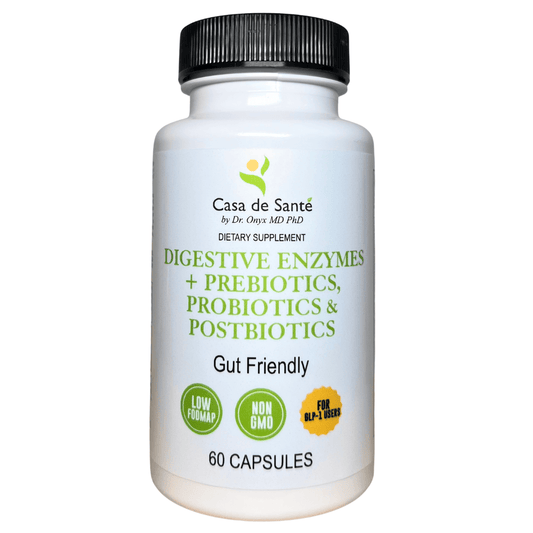
When digestive symptoms flare despite careful dietary choices, targeted supplementation can support your gut. For example, I often recommend taking Casa de Sante FODMAP Digestive Enzymes with meals. These specialized enzymes assist in breaking down difficult-to-digest carbohydrates like lactose and fructans, reducing gas and bloating. Please note: these enzymes do not cure underlying medical conditions or replace prescription medications, but they provide helpful functional support for sensitive digestive tracts.
For more details on enzyme science, read our article on how digestive enzymes support gut comfort.
Balancing Protein Needs and Nutritional Demands During Recovery
One of the greatest challenges in oncology nutrition is balancing gastrointestinal symptom management with the body's heightened demand for macronutrients. Following penile cancer surgery—particularly procedures involving partial or total penectomy and complex groin dissection—wound healing requires a massive influx of amino acids.
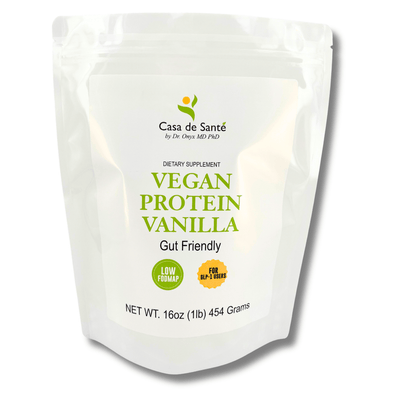
Collagen synthesis, immune function, and the preservation of lean muscle mass depend entirely on adequate protein intake. Unfortunately, many high-protein foods or protein shakes contain hidden additives, artificial sweeteners, or lactose that can trigger severe diarrhea in an irradiated bowel.
| Nutritional Parameter | Standard Post-Treatment Diet | Targeted Low FODMAP Oncology Approach |
|---|---|---|
| Protein Sources | Standard dairy, whey concentrates, legumes, beans | Eggs, skinless poultry, firm tofu, fish, lactose-free bone broth |
| Carbohydrate Load | High-fiber whole grains, onions, garlic, apples | White rice, quinoa, potatoes, oats in moderate portions |
| Hydration Strategy | Standard water intake, sugary sports drinks | Electrolyte solutions low in high-fructose corn syrup and polyols |
| Primary Clinical Goal | General healthy eating guidelines | Minimizing osmotic diarrhea while supplying tissue repair fuel |
Focusing on lean, low-FODMAP proteins ensures that your surgical incisions and radiation-damaged tissues receive the building blocks they need without overloading your colon with fermentable substrates that cause cramping.
Restoring Microbiome Resilience After Oncologic Therapy
Radiation and chemotherapy do not discriminate between pathogenic bacteria and your beneficial gut commensals (such as Bifidobacterium and Lactobacillus species). This collateral damage leads to dysbiosis, which can perpetuate chronic gut inflammation and immune dysregulation.
Once active treatment phases stabilize, supporting microbial diversity becomes an essential step in long-term rehabilitation. Clinical studies indicate that restoring a balanced microbiome can enhance mucosal barrier function and modulate systemic inflammatory markers.
To support this restoration safely, I often recommend incorporating Advanced Probiotics GI Support into a patient's daily routine once cleared by their oncologist. These multi-strain formulations are designed to withstand stomach acid and populate the intestinal tract with resilient, gut-friendly bacteria. Keep in mind: probiotics do not treat cancer or replace medical therapies, but they are effective tools for encouraging a healthy microbial balance during recovery.
For comprehensive nutritional planning, many patients find structured resources helpful. Utilizing curated toolkits like Casa de Sante Bundles can streamline pantry stocking with certified low-FODMAP staples, gut-friendly protein powders, and digestive aids, ensuring you have safe options readily available during treatment fatigue.
Frequently Asked Questions
Is a low FODMAP diet safe to follow while undergoing radiation therapy for penile cancer?
Yes, but it should be implemented carefully and ideally under the guidance of an oncology dietitian. Because radiation increases nutritional demands for wound healing, any dietary restriction must be monitored to prevent unintended weight loss or nutrient deficiencies. It is designed as a short-term tool to manage acute diarrhea and cramping, not a permanent lifestyle restriction.
How does pelvic radiation cause diarrhea?
Pelvic radiation causes radiation enteritis by damaging the rapidly dividing cells that line the small and large intestines. This damage leads to villous blunting, reduced surface area, impaired water and electrolyte absorption, and sometimes bile acid malabsorption. The result is rapid transit of stool and osmotic fluid shifts into the bowel lumen.
Can I take digestive enzymes while receiving chemotherapy?
In many cases, targeted digestive enzyme supplements can help ease post-treatment gas and malabsorption. However, because chemotherapy regimens vary widely in their gastrointestinal side effects, you should always consult your medical oncologist before introducing any new supplement.
Why is protein so important during penile cancer recovery?
Surgery—such as partial penectomy, total penectomy, or lymph node dissection—requires significant cellular repair. Amino acids from dietary protein serve as the fundamental building blocks for collagen synthesis, immune defense, and tissue regeneration. A low FODMAP approach helps you get this protein without triggering excessive gas and osmotic diarrhea.
How long should I stay on a low FODMAP elimination diet during cancer recovery?
The strict elimination phase typically lasts between 2 to 6 weeks. Once acute bowel symptoms subside and inflammation stabilizes, you should systematically reintroduce FODMAP food groups one by one to determine your personal triggers and return to a diverse, flexible diet.
Conclusion
Navigating penile cancer treatment requires immense physical and emotional resilience. Gastrointestinal side effects like radiation enteritis, cramping, and chronic diarrhea should not be suffered through in silence. By utilizing a short-term low FODMAP diet penile cancer strategy in partnership with your oncology dietitian, you can calm your digestive tract, protect your nutritional status, and support the tissue repair necessary for recovery. Listen to your body, lean on your medical team, and take proactive steps to restore your gut comfort.
Medical Disclaimer: This article is for informational and educational purposes only and does not constitute medical advice, diagnosis, or treatment. Dr. Onikepe Adegbola, MD PhD, and Casa de Sante do not provide direct medical care through this platform. Always consult your medical oncologist, surgeon, or registered dietitian before making significant changes to your diet or supplement regimen during cancer treatment.