Low FODMAP Diet & Parathyroid Cancer: Gut Health After Surgery





Last updated on May 18, 2024. Written by Dr. Onikepe Adegbola, MD PhD.
Patients recovering from parathyroid cancer treatment frequently struggle with severe constipation, nausea, and persistent gastrointestinal distress due to calcium imbalances and surgical impacts. Adopting a modified low fodmap diet parathyroid cancer management plan can help minimize bloating, gas, and erratic bowel habits while you work alongside your oncology and endocrine care teams. As a physician-scientist who has spent decades caring for patients with complex gastrointestinal and endocrine disorders, I want to break down how to protect your gut during this difficult chapter.
Key Takeaways
- Parathyroid cancer and associated hypercalcemia significantly disrupt gastrointestinal motility, causing severe constipation and nausea.
- Post-surgical recovery often involves managing abrupt calcium shifts, including "hungry bone syndrome," requiring close endocrinologist oversight.
- A low FODMAP framework can alleviate overlapping irritable bowel syndrome (IBS) symptoms like bloating and abdominal cramping during cancer recovery.
- Targeted digestive support, such as clean enzymes and probiotics, can assist nutrient breakdown without curing the underlying malignancy.
- Always collaborate directly with your oncology, endocrine, and nutrition care teams before making sweeping dietary changes.
Managing Digestion: The Low FODMAP Diet Parathyroid Cancer Approach
When facing a rare and serious diagnosis like parathyroid cancer, your immediate focus centers on tumor removal, hormone regulation, and survival. Yet, the physical fallout inside your digestive tract can severely compromise your quality of life. Elevated serum calcium levels—known clinically as hypercalcemia—wreak havoc on the smooth muscle cells lining your intestines. At the same time, major neck surgery and subsequent calcium replacement protocols alter your body's delicate mineral balance.
Many of my patients report debilitating bloating, alternating bouts of constipation and diarrhea, and persistent nausea that mimics or exacerbates irritable bowel syndrome. This is where dietary modifications become indispensable. While food changes cannot treat the endocrine tumor itself, a tailored nutritional approach quiets down an irritable colon. By reducing fermentable oligo-, di-, monosaccharides, and polyols (FODMAPs), we remove the excess gas production and osmotic fluid shifts that worsen post-surgical abdominal pain.
In clinical practice, I look at the gut as a finely tuned engine under sudden stress. When calcium regulation fails, the engine sputters. Adding a structured dietary intervention helps reduce secondary fermentative distress, allowing you to direct your body's energy toward healing.
The Intersection of Hypercalcemia, Surgery, and Gastrointestinal Motility
To understand why your digestion feels completely derailed, we must examine the physiology of calcium ions ($Ca^{2+}$) within the gastrointestinal tract. Calcium is not merely a building block for bones; it is a primary signaling molecule responsible for muscle contraction throughout the body, including the muscularis propria of the gut.
In parathyroid cancer, malignant parathyroid cells secrete excess parathyroid hormone (PTH). This leads to dangerously high blood calcium levels. Excess calcium decreases neuromuscular excitability in the enteric nervous system. The result? Smooth muscle relaxation slows down normal peristalsis. Food moves sluggishly through the colon, leading to stubborn constipation, hard stools, and severe abdominal distension.
Following a parathyroidectomy (surgical removal of the cancerous gland), your body undergoes another abrupt physiological shift. The sudden drop in PTH can cause serum calcium to plummet, requiring high-dose oral calcium and active vitamin D supplementation. These concentrated calcium supplements are notorious for causing secondary constipation and gastric irritation. When you layer these medication side effects on top of an already sluggish bowel, patients frequently experience a surge in functional gastrointestinal symptoms that closely mirror severe IBS.
Nutritional Strategies: Balancing Calcium and the Low FODMAP Diet Parathyroid Cancer Recovery Plan
Designing a sustainable eating plan during endocrine cancer recovery requires balancing two competing priorities: meeting your strict post-surgical calcium and micronutrient needs while minimizing gut fermentation and distress. Let us examine how these nutritional targets intersect.
Post-surgical guidelines typically recommend an elemental calcium intake ranging from 1,000 mg to 2,000 mg daily, divided into multiple doses, often paired with calcitriol. Many traditional high-calcium foods—such as dairy milk, yogurt, and certain fortified plant milks—also contain high levels of lactose or oligosaccharides that trigger bloating in sensitive individuals.
By implementing a low fodmap diet parathyroid cancer strategy, you can select calcium-rich options that bypass the gut fermentation trap:
- Lactose-Free Dairy: Hard cheeses (like cheddar, parmesan, and swiss) are naturally very low in lactose and rich in bioavailable calcium.
- Fortified Lactose-Free Milks: Almond milk or macadamia milk fortified with calcium carbonate provide necessary minerals without triggering excess gas.
- Leafy Greens: Low-FODMAP greens like collard greens and mature spinach (in moderate, monitored portions) offer micronutrients, though oxalate content must be balanced with your specific kidney health status.
For a deeper dive into foundational gut-soothing principles, read our guide on low FODMAP diet basics and explore clinical insights on understanding IBS and gut health.
Comparing Parathyroid-Related GI Distress and Irritable Bowel Syndrome
Patients often wonder whether their digestive symptoms stem from the parathyroid condition itself or a pre-existing functional gut disorder. The clinical presentation often overlaps significantly, though their physiological origins differ.
| Symptom Feature | Parathyroid / Hypercalcemia GI Issues | Irritable Bowel Syndrome (IBS) |
|---|---|---|
| Primary Mechanism | Altered smooth muscle depolarization due to high/fluctuating serum calcium. | Visceral hypersensitivity, gut-brain axis dysregulation, and microbiome shifts. |
| Bowels | Profound, stubborn constipation driven by slowed colonic transit. | Alternating diarrhea (IBS-D), constipation (IBS-C), or mixed (IBS-M). |
| Nausea & Appetite | Frequently prominent due to hypercalcemia-induced gastric stasis. | Less common unless accompanied by overlapping functional dyspepsia. |
| Dietary Response | Requires mineral balancing combined with gentle fiber and low-FODMAP structuring. | Responds remarkably well to standard strict elimination and reintroduction of FODMAPs. |
Managing Post-Surgical "Hungry Bone Syndrome" and Bowel Health
One of the most delicate phases following parathyroidectomy for malignancy is managing a phenomenon known as "hungry bone syndrome." When parathyroid hormone levels normalize abruptly after tumor removal, bones that have been starved of proper calcium deposition suddenly absorb minerals at an aggressive rate. Serum calcium plummets, prompting endocrinologists to prescribe massive therapeutic doses of calcium and vitamin D.
Unfortunately, taking 1,500 mg to 3,000 mg of supplemental calcium carbonate or calcium citrate daily can cause severe gastrointestinal friction. Patients report rock-hard stools, chalky aftertastes, and uncomfortable abdominal cramping. When managing hungry bone syndrome alongside a sensitive gut, hydration becomes your primary line of defense.
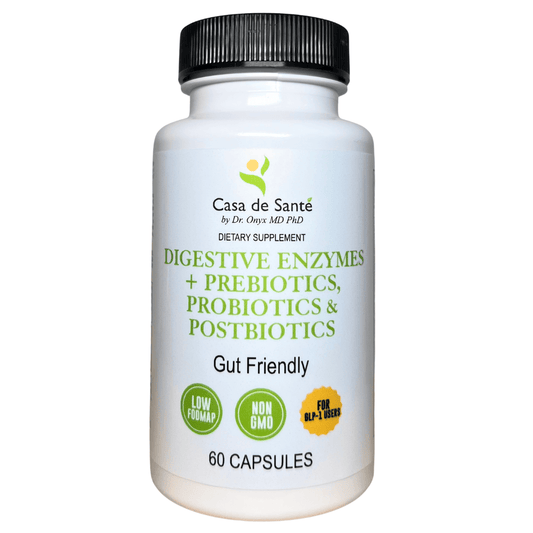
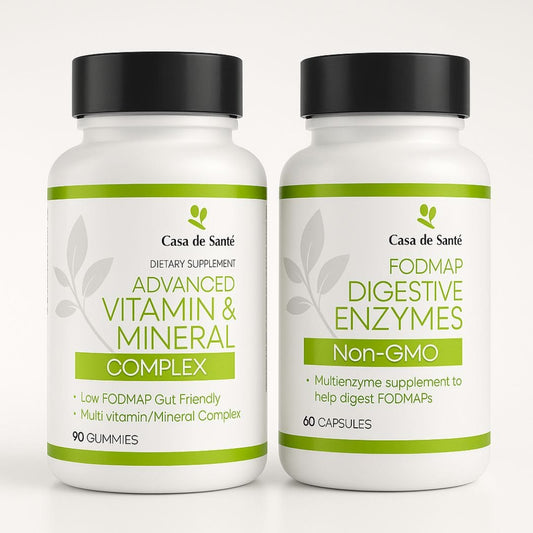
Water intake must be carefully monitored in consultation with your endocrine team, especially if kidney function is a concern. Alongside adequate hydration, incorporating targeted digestive aids can ease the burden on your upper GI tract. In my clinical practice, I often recommend a targeted digestive enzyme supplement like Casa de Sante FODMAP Digestive Enzymes for patients dealing with post-surgical enzyme insufficiency and sluggish transit. Please note: While these clean enzymes assist in breaking down complex carbohydrates and easing occasional post-meal bloating, they do not treat parathyroid cancer, correct hypercalcemia, or replace prescription endocrine therapies.
Integrating Targeted Support: Enzymes and Probiotics
Cancer treatments, surgical interventions, and drastic dietary shifts alter the delicate balance of your gut microbiome. Beneficial bacteria struggle when transit times slow down or when high-dose mineral supplements alter the intestinal pH. Restoring microbial harmony requires a gentle, multi-faceted approach.
When incorporating supportive supplements into an oncology recovery plan, purity and clinical formulation matter immensely. Many commercial supplements contain hidden onion or garlic powders (high-FODMAP fillers) that trigger severe gas in sensitive patients. Choosing certified low-FODMAP products ensures that your support supplements do not counteract your digestive relief efforts.
For patients experiencing ongoing microbial imbalance and sluggish bowel function, adding a practitioner-formulated probiotic can be transformative. A high-quality option such as Advanced Probiotics GI Support provides clinically studied strains designed to encourage regular bowel motility and strengthen the intestinal barrier. It is important to clarify that while probiotics support a healthy microbiome and improve comfortable digestion, they do not cure cancer, treat parathyroid disease, or reverse acute surgical complications.
If you are looking for a streamlined approach to digestive wellness during recovery, exploring curated solutions like Casa de Sante Bundles offers a cohesive set of practitioner-endorsed tools designed specifically for sensitive stomachs. These bundles provide practical dietary management support, though they do not replace personalized medical nutrition therapy or direct supervision from your oncology care team.
Frequently Asked Questions
Can a low FODMAP diet cure parathyroid cancer?
No. A low FODMAP diet is a dietary management tool designed to reduce fermentable carbohydrates that trigger bloating, gas, and erratic bowel movements. It does not treat, cure, or impact parathyroid cancer tumors. Medical treatments such as surgical resection and endocrine management overseen by specialists are essential for the cancer itself.
Why does hypercalcemia cause such severe constipation?
Elevated serum calcium levels decrease neuromuscular excitability within the enteric nervous system and smooth muscle cells of the colon. This physiological inhibition slows down normal peristaltic contractions, causing food and waste to move sluggishly through the intestinal tract.
How do I balance high calcium supplementation needs with digestive distress?
Post-surgical calcium replacement is crucial for managing hypocalcemia and hungry bone syndrome. To minimize digestive fallout, work with your endocrinologist and clinical dietitian to space out your doses, choose highly absorbable calcium formulations (such as calcium citrate when appropriate), increase your fluid intake as cleared by your medical team, and adopt a gut-gentle, low-FODMAP meal structure.
What is hungry bone syndrome and how does it affect digestion?
Hungry bone syndrome occurs when serum calcium and phosphorus drop rapidly following the removal of a hyperactive parathyroid tumor, as the bones rapidly absorb circulating minerals. While primarily an endocrine and skeletal phenomenon, the heavy calcium supplementation required to manage it frequently causes severe constipation, requiring targeted digestive support.
Should I work with a registered dietitian during parathyroid cancer recovery?
Yes. Navigating both oncological recovery, high-dose mineral requirements, and gastrointestinal sensitivities is complex. A registered dietitian specializing in gastrointestinal health and oncology can help you craft a safe, personalized eating plan that prevents nutritional deficiencies while minimizing abdominal distress.
Can probiotics help with gut issues after endocrine surgery?
Targeted probiotics can support a balanced gut microbiome and improve overall bowel comfort during recovery. However, it is vital to select pure, third-party-tested formulations that are free of hidden high-FODMAP additives, and you should always clear any new supplement with your oncology care team first.
Conclusion
Recovering from parathyroid cancer requires immense resilience, touching every aspect of your physical and emotional well-being. When gastrointestinal symptoms like constipation, nausea, and bloating compound the stress of endocrine surgery, having a clear dietary strategy makes all the difference. By understanding how calcium metabolism affects gut motility and implementing a structured low-FODMAP approach alongside your medical care team, you can protect your digestive health and support your body through healing. Always keep your oncology, endocrine, and nutrition specialists informed of any dietary or supplement changes you make.
Medical Disclaimer: This article is for educational and informational purposes only and does not constitute medical advice, diagnosis, or treatment. Dr. Onikepe Adegbola, MD PhD, and Casa de Sante do not provide medical services through this content. Always seek the advice of your oncologist, endocrinologist, primary care physician, or other qualified healthcare provider with any questions regarding a medical condition or treatment plan.