Low FODMAP Diet Gallbladder Cancer: Managing Digestion





- \n
- Post-surgical gastrointestinal distress after gallbladder cancer treatment frequently stems from fat malabsorption, altered bile delivery, and rapid fermentation in the colon. \n
- A standard low-fat eating plan reduces lipid loads, but a low fodmap diet gallbladder cancer protocol specifically targets gas, bloating, and osmotic diarrhea caused by poorly absorbed carbohydrates. \n
- Consuming 5 to 6 small, low-fat, low-FODMAP meals daily prevents overwhelming an altered biliary system. \n
- Targeted digestive enzymes and professional nutrition coordination are vital for protecting nutritional status during oncology recovery. \n
Last updated: May 2024 | Written by Dr. Onikepe Adegbola, MD PhD
\n\nPatients recovering from gallbladder cancer treatment—such as cholecystectomy or radical liver resection—frequently experience chronic diarrhea, fat malabsorption, and severe bloating. Combining a low-fat eating plan with a low fodmap diet gallbladder cancer protocol can significantly reduce gastrointestinal distress by addressing both bile acid malabsorption and fermentable carbohydrate intolerance. As a physician-scientist who has spent decades caring for patients with complex gastrointestinal conditions, I see firsthand how disruptive upper gastrointestinal surgery is to the gut. When the gallbladder is removed or bile ducts are altered due to malignancy, the fundamental mechanics of digestion shift overnight.
\n\nUnderstanding the Low FODMAP Diet Gallbladder Cancer Connection After Surgery
\nTo understand why a low fodmap diet gallbladder cancer approach helps post-surgical recovery, we must examine how the gallbladder normally functions. Under healthy conditions, the liver produces bile, which collects and concentrates in the gallbladder. When you consume a meal containing fat, the gallbladder contracts, releasing a concentrated bolus of bile into the small intestine to emulsify dietary fats and aid absorption.
\nWhen a patient undergoes a cholecystectomy or surgical resection for gallbladder cancer, that storage reservoir is gone. Bile drips continuously and dilutely into the small intestine instead of releasing in concentrated bursts. Without sufficient concentrated bile to break down fats efficiently, unabsorbed lipids pass into the colon. There, they irritate the colonic lining, causing bile acid diarrhea (BAD). Furthermore, unabsorbed fats bind to calcium and magnesium, saponifying them and leaving unchelated oxalates to be absorbed, which raises kidney stone risk.
\nSimultaneously, many patients experience secondary small intestinal bacterial overgrowth (SIBO) or altered gut motility following upper abdominal surgery. This is where fermentable oligo-, di-, mono-saccharides and polyols (FODMAPs)—which include certain sugars found in garlic, onions, wheat, and dairy—cause havoc. Bacteria in the gut ferment these undigested carbohydrates rapidly, producing excess hydrogen and methane gas. This leads to painful distension, cramping, and alternating bouts of diarrhea and constipation.
\n\nComparing Dietary Approaches: Low-Fat vs. Low FODMAP
\nPatients often ask me whether they should follow a low-fat diet or a low FODMAP diet after gallbladder surgery. The clinical reality is that these two dietary strategies target entirely different physiological mechanisms. You do not necessarily have to choose one exclusively; rather, combining elements of both yields the best clinical outcomes.
\n\n| Dietary Protocol | \nPrimary Target | \nMechanism of Action | \nBest For Post-Surgical Symptoms | \n
|---|---|---|---|
| Low-Fat Diet | \nLipids and Bile Acids | \nLimits dietary fat to prevent fat malabsorption and bile acid diarrhea. | \nSteatorrhea, urgent post-prandial diarrhea, greasy stools. | \n
| Low FODMAP Diet | \nFermentable Carbohydrates | \nRestricts short-chain carbohydrates that draw water into the gut and ferment rapidly. | \nBloating, abdominal distension, excessive gas, cramping. | \n
| Combined Approach | \nFats & FODMAPs Simultaneously | \nControls both osmotic load and lipid malabsorption concurrently. | \nComplex post-surgical distress, overlapping IBS symptoms, SIBO. | \n
A strictly low-fat diet protects against steatorrhea and cramping, but it frequently leaves patients eating bland, processed carbohydrates that are high in FODMAPs—triggering severe gas and bloating. Conversely, a strict low FODMAP diet might still include high-fat cheeses or rich oils that overwhelm a post-cholecystectomy digestive tract. Integrating both frameworks provides comprehensive protection.
\n\nImplementing a Low FODMAP Diet Gallbladder Cancer Strategy for Daily Relief
\nPutting these dietary principles into practice requires precision. When I guide patients through this protocol in my clinical practice, I emphasize structure, portion control, and meal frequency. Eating three large meals places an enormous demand on an altered biliary system. Instead, aim for 5 to 6 small meals distributed evenly throughout the day.
\nKeep individual fat intake to roughly 10 to 15 grams per meal, opting for lean proteins such as skinless chicken breast, white fish, or tofu, and healthy, easily digestible fats in small amounts. At the same time, eliminate high-FODMAP triggers like wheat, garlic, onions, high-fructose fruits, and cow's milk dairy.
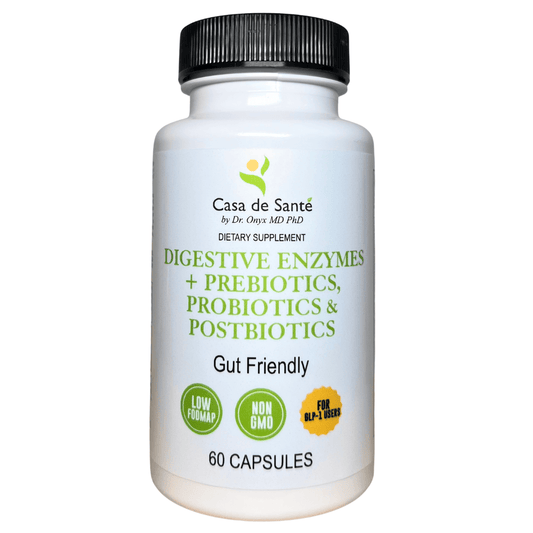
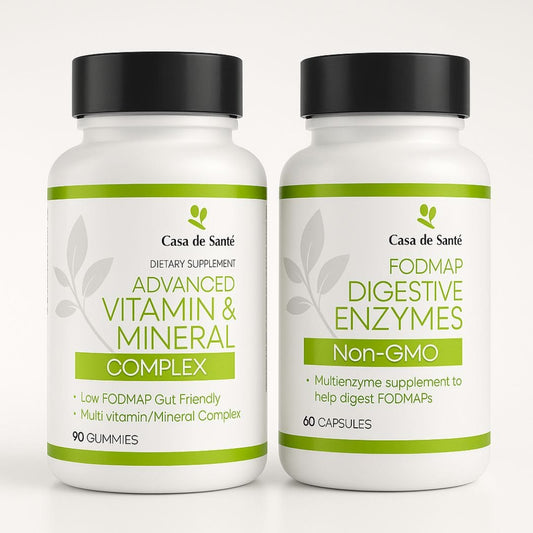
\nIn my clinical practice, I often recommend a targeted digestive enzyme supplement like Casa de Sante FODMAP Digestive Enzymes for patients dealing with carbohydrate intolerance and post-surgical enzyme deficits. These specialized enzymes help break down complex FODMAP carbohydrates in the gut. To be completely transparent, while these enzymes assist with food breakdown and symptom management, they do not cure underlying structural conditions or replace prescription pancreatic enzyme replacement therapy (PERT) if your oncology team has prescribed it for exocrine insufficiency.
\n\nManaging Microbiome Health and Bloating Post-Surgery
\nSurgical alteration of the biliary tree alters the antibacterial properties of bile. Bile acids naturally help control bacterial populations in the upper small intestine. When bile delivery is continuous and diluted, bacteria can migrate upward, leading to small intestinal bacterial overgrowth (SIBO). SIBO amplifies gas production, bloating, and nutrient malabsorption.
\nTo support a healthy microbial balance in the gut without exacerbating symptoms, introducing a clinically formulated probiotic can be transformative. For patients recovering from surgery, incorporating a gut-gentle supplement such as Advanced Probiotics GI Support can provide meaningful microbiome support. This specific probiotic blend is designed to promote a balanced gut flora and support gastrointestinal comfort. Please note that while probiotics support overall microbial health and immune function in the gut, they do not treat active bacterial infections or replace medical interventions prescribed by your oncologist.
\nCoordinating with an oncology dietitian is non-negotiable during this phase. Because both low-fat and low-FODMAP restrictions can inadvertently limit calorie and micronutrient intake, professional guidance ensures you maintain adequate weight, protein status, and fat-soluble vitamin levels (vitamins A, D, E, and K).
\n\nDetailed Nutritional Care and Targeted Support Bundles
\nManaging recovery after gallbladder cancer surgery involves more than just single supplements. Patients often benefit from a structured suite of tools that address digestion, microbiome support, and meal planning simultaneously. For patients looking for a coordinated regimen, using curated product combinations such as Casa de Sante Bundles offers an organized approach to daily gut health management. These bundles combine certified low-FODMAP pantry staples, digestive aids, and probiotics into a unified system. While these bundles provide excellent dietary support for sensitive digestive tracts, they are designed as adjunct nutritional tools and should be used alongside medical supervision from your oncology and gastroenterology care teams.
\n\nFrequently Asked Questions
\n\nWhy do I have chronic diarrhea after gallbladder removal for cancer?
\nWithout a gallbladder, bile drips continuously into your small intestine rather than releasing in concentrated bursts when you eat fat. This excess bile flows into the colon, irritating the lining and accelerating transit time, which causes bile acid diarrhea (BAD). Fat malabsorption compounds this issue.
\n\nCan a low FODMAP diet cure my post-surgical digestive symptoms?
\nA low FODMAP diet does not cure structural surgical changes or underlying disease, but it is highly effective at managing functional symptoms like bloating, gas, and abdominal distension by reducing the fermentation of poorly absorbed carbohydrates in the gut.
\n\nDo I need prescription pancreatic enzymes (PERT) after my surgery?
\nIf your surgery involved the pancreas or main bile ducts (such as a Whipple procedure or radical resection), your pancreas may not produce enough digestive enzymes. Your oncologist or gastroenterologist will evaluate your stool consistency and fat malabsorption to determine if prescription pancreatic enzyme replacement therapy is necessary.
\n\nHow do I balance low-fat and low FODMAP restrictions without losing weight?
\nBalancing both diets requires working with an oncology dietitian to select lean proteins, low-fat low-FODMAP grains like white rice or quinoa, and appropriate portion sizes of safe fats. Eating 5 to 6 small meals a day helps you consume adequate calories without overwhelming your digestive system.
\n\nWhen should I consult an oncology dietitian?
\nYou should consult an oncology dietitian as soon as you begin eating after surgery. Post-surgical nutrition requires precise adjustments to prevent malnutrition, vitamin deficiencies, and severe gastrointestinal distress while supporting your body's healing process.
\n\nHow do bile acid binders work for post-surgical diarrhea?
\nBile acid sequestrants (such as cholestyramine) are prescription medications that bind to excess bile acids in your digestive tract, preventing them from irritating the colon and reducing watery diarrhea caused by bile acid malabsorption.
\n\nConclusion
\nNavigating digestion after gallbladder cancer treatment requires patience, precision, and an understanding of how your gastrointestinal tract handles fats and carbohydrates. By combining a low-fat eating strategy with a low fodmap diet gallbladder cancer protocol, you can significantly minimize fat malabsorption, bloating, and diarrhea. Always partner closely with your oncology team and a registered dietitian to ensure your nutritional needs are fully met throughout your recovery.
\n\n