Low FODMAP Diet for Pheochromocytoma: A Doctor's Guide





If you are managing a rare neuroendocrine tumor that floods your system with stress hormones, your digestive tract is likely taking a severe hit. Can you safely use a low fodmap diet pheochromocytoma symptom management plan? Yes, implementing a temporary low FODMAP framework can significantly alleviate overlapping irritable bowel syndrome symptoms, constipation, and nausea driven by excess catecholamines. As a Johns Hopkins-trained physician-scientist, I see many patients struggling with complex endocrine disorders who also face debilitating gastrointestinal distress. Let us examine how targeted dietary changes support your body through pre-operative preparation and post-surgical recovery.
Last updated: October 2024 | By Dr. Onikepe Adegbola, MD PhD
Key Takeaways
- Endocrine-Gut Connection: Excess catecholamines from a pheochromocytoma severely slow gut motility, causing chronic constipation, nausea, and abdominal cramping.
- Symptom Tool: A low FODMAP diet does not treat the underlying tumor, but it provides powerful relief for secondary gastrointestinal distress and overlapping IBS symptoms.
- Pre-Operative Realities: Patients require strict pre-op alpha-blockade alongside high-salt and high-fluid intake, making customized dietary management essential.
- Post-Surgical Recovery: After adrenalectomy, blood pressure normalizes, and the gut undergoes a recalibration phase where gentle nutrition supports complete healing.
- Team Approach: Always coordinate dietary interventions with your endocrinologist, surgeon, and clinical dietitian.
Understanding Pheochromocytoma and Gastrointestinal Distress
To understand why your stomach feels unsettled, we must look at the endocrine system. A pheochromocytoma is a rare catecholamine-secreting tumor that typically develops in the chromaffin cells of the adrenal medulla. Epidemiological data indicates that pheochromocytomas occur in roughly 2 to 8 cases per million people each year. Approximately 10% to 20% of these tumors demonstrate malignant potential, spreading beyond the adrenal gland.
Whether benign or malignant, these tumors pump massive amounts of epinephrine and norepinephrine directly into your bloodstream. While most people associate these hormones with classic fight-or-flight signs like high blood pressure, sweating, and rapid heart rates, they also exert a profound influence on your gastrointestinal tract.
Your gut possesses its own intricate neural network known as the enteric nervous system. This network is densely populated with adrenergic receptors. When a pheochromocytoma floods your system with catecholamines, these receptors trigger intense vasoconstriction and inhibit normal peristalsis—the wave-like muscle contractions that move food through your digestive tract. The clinical result is often a sluggish bowel, delayed gastric emptying, stubborn constipation, early satiety, and persistent nausea.
When motility grinds to a near-halt, resident gut bacteria have extra time to ferment whatever material sits in the intestines. This excessive fermentation produces substantial gas, bloating, and visceral hypersensitivity. Many of my patients find themselves trapped in a cycle of unpredictable bowel habits that mimic severe irritable bowel syndrome.
Why a Low FODMAP Diet for Pheochromocytoma Symptom Relief Works
FODMAP is an acronym standing for Fermentable Oligosaccharides, Disaccharides, Monosaccharides, and Polyols. These are short-chain carbohydrates and sugar alcohols that resist complete digestion in the small intestine. In a healthy gut, they travel onward to the colon where bacteria ferment them. However, when an individual has altered gut motility or visceral hypersensitivity—such as the physiological state caused by a pheochromocytoma—this fermentation process leads to painful gas distension, osmotic fluid shifts, and cramping.
By temporarily adopting a low FODMAP framework, you remove these reactive carbohydrates from your daily intake. This reduction does not cure the neuroendocrine tumor, nor does it stop the adrenal gland from secreting catecholamines. Instead, it acts as a mechanical shield for your digestive lining. It minimizes the gas production and fluid load that compound the motility issues caused by circulating stress hormones.
In my clinical experience, patients who pair their endocrine treatments with a structured low FODMAP elimination phase report a dramatic drop in bloating, abdominal discomfort, and erratic bowel spikes. For more background on how elimination protocols support gut sensitivity, you can review our guide on understanding low FODMAP basics.
Navigating Pre-Operative Alpha-Blockade and High-Salt Needs
Surgical removal of the tumor via adrenalectomy is the primary curative treatment for a pheochromocytoma. However, surgeons and endocrinologists cannot simply operate the moment a diagnosis is confirmed. Manipulating a catecholamine-secreting tumor during surgery can trigger a catastrophic release of hormones, leading to life-threatening hypertensive crises.
To prevent this, patients must undergo pre-operative medical preparation lasting anywhere from 7 to 14 days minimum. This preparation relies on alpha-adrenergic receptor blockers, such as phenoxybenzamine or doxazosin. These medications block the vasoconstrictive effects of the tumor's hormones, allowing blood vessels to dilate and blood pressure to normalize.
There is a catch. When blood vessels suddenly dilate, blood volume often fails to match the new vascular capacity, leading to severe orthostatic hypotension (dangerous dizziness upon standing). To counteract this drop in blood pressure, medical teams instruct patients to consume a high-sodium diet and generous fluid intake—frequently prescribing 3 to 5 grams of sodium daily alongside at least 3 liters of water.
Balancing a high-salt, high-fluid regimen while adhering to a low FODMAP protocol requires careful meal planning. Many commercial high-sodium foods contain hidden triggers like garlic, onion, and wheat flour. Therefore, utilizing clean, low-FODMAP, sodium-friendly seasonings becomes paramount during this pre-surgical window.
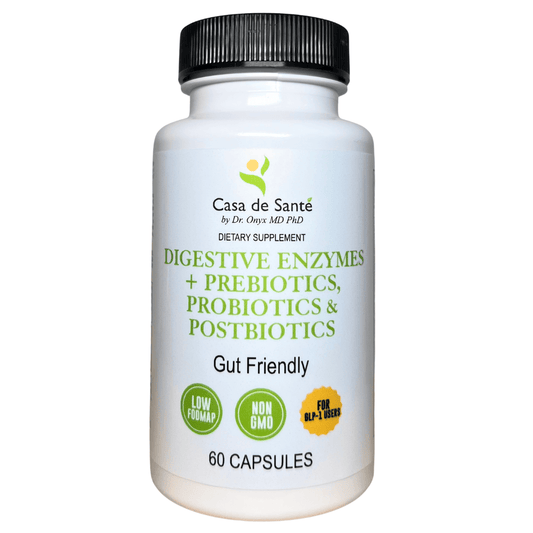
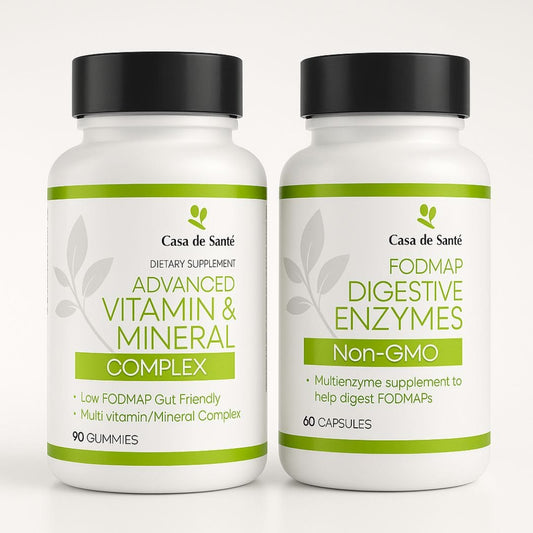
When managing dietary transitions during demanding medical protocols, supporting your digestive system with a targeted supplement can be helpful. For instance, I frequently recommend incorporating Casa de Sante FODMAP Digestive Enzymes for patients navigating complex dietary shifts. What it does: It supplies specific enzymes to help break down hard-to-digest carbohydrates, easing post-meal gas and bloating. What it does not do: It does not cure neuroendocrine tumors, nor does it replace the mandatory pre-operative alpha-blockade prescribed by your physician.
Implementing a Low FODMAP Diet for Pheochromocytoma Patients
Implementing a low FODMAP diet when you are already dealing with the cardiovascular and systemic stress of a pheochromocytoma requires a structured, three-phase approach:
- The Elimination Phase (2 to 6 Weeks): Restrict high-FODMAP foods entirely. Focus on safe proteins, low-FODMAP vegetables like carrots, cucumbers, and spinach, and safe grains like white rice and quinoa. Keep your fluid and sodium targets aligned with your endocrinologist's strict orders.
- The Reintroduction Phase (Systematic Testing): Once your surgical date approaches or passes and your digestive system stabilizes, systematically test individual FODMAP groups (such as lactose, fructose, or fructans) in 3-day blocks. This identifies your precise personal triggers without imposing lifelong dietary restrictions.
- The Personalization Phase: Adopt a long-term diet that includes only the specific FODMAPs that trigger your symptoms, maximizing your nutritional variety and dietary joy.
During the elimination and early recovery phases, maintaining a balanced microbiome is equally important. To support your intestinal barrier and beneficial bacteria, a gut-gentle probiotic can provide meaningful support. Many of my patients benefit from Advanced Probiotics GI Support. What it does: It delivers researched bacterial strains that reinforce intestinal barrier integrity and promote comfortable digestion. What it does not do: It is not a hormone regulator and will not stop your adrenal gland from overproducing catecholamines.
Post-Adrenalectomy Eating and Recovery
Once the adrenalectomy is complete, the surgical team successfully removes the source of the excess catecholamines. Over the subsequent days and weeks, your circulating hormone levels drop back to baseline. Blood pressure stabilizes, and the persistent vasoconstriction affecting your enteric nervous system begins to lift.
During this recovery period, your medical team will typically taper off your alpha-blockers and instruct you to gradually reduce your salt and fluid intake back to normal physiological levels. Your digestive tract will also undergo a recalibration phase. Peristalsis begins to normalize, though lingering bowel sensitivities or surgical site soreness can persist.
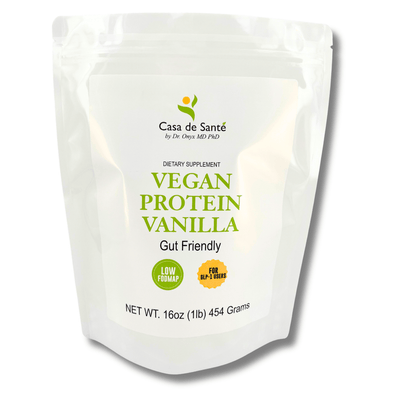
Post-adrenalectomy eating should center on nutrient-dense, easily digestible foods that do not strain a recovering gastrointestinal tract. Lean poultry, eggs, broths, well-cooked vegetables, and gentle grains help restore energy stores without provoking bloating. If you find meal preparation overwhelming during recovery, utilizing curated pantry solutions can take the stress out of cooking. I often suggest Casa de Sante Bundles for patients looking for pre-tested, certified gut-friendly staples. What it does: It provides a convenient assortment of low-FODMAP spice blends, proteins, and snacks that make safe eating effortless. What it does not do: It does not replace individualized surgical follow-up care or endocrinology appointments.
Comparison: Managing Nutrition Across the Pheochromocytoma Care Continuum
To help you visualize how your nutritional needs shift from diagnosis through surgery and into long-term recovery, review the comparison table below.
| Care Phase | Primary Physiological State | Sodium & Fluid Targets | Digestive & Dietary Focus |
|---|---|---|---|
| High catecholamines, slowed gut motility, severe constipation and nausea. | Standard to high, depending on blood pressure monitoring. | Gentle low FODMAP eating to curb bloating and visceral discomfort. | |
| Pre-Op Preparation (7-14 Days) | Alpha-blockade active, vasodilation, risk of orthostatic hypotension. | High salt (3-5g daily) and high fluids (3+ liters) strictly required. | Low FODMAP foods paired with safe, high-sodium flavorings. |
| Post-Adrenalectomy Recovery | Tumor removed, hormone levels dropping, gut motility recalibrating. | Tapering down from high salt back to normal baseline levels. | Soft, highly digestible foods, gradual reintroduction of trigger foods. |
| Long-Term Maintenance | Endocrine stability, normalized blood pressure, restored gut function. | Standard dietary recommendations based on individual health needs. | Personalized dietary pattern accommodating individual food tolerances. |
Frequently Asked Questions
1. Can a low FODMAP diet cure pheochromocytoma?
No. A low FODMAP diet is strictly a symptom-management tool for gastrointestinal distress, bloating, and overlapping IBS symptoms. A pheochromocytoma is a neuroendocrine tumor that requires specialized endocrinology care, medical alpha-blockade, and surgical removal via adrenalectomy for a definitive cure.
2. Why do pheochromocytoma patients experience constipation and nausea?
Excessive release of epinephrine and norepinephrine stimulates adrenergic receptors in the enteric nervous system. This causes vasoconstriction and inhibits normal peristalsis, slowing down digestive transit time, delaying gastric emptying, and leading to stubborn constipation and nausea.
3. How does pre-operative alpha-blockade affect digestion?
Alpha-blockers like phenoxybenzamine relax blood vessels to prevent dangerous blood pressure surges during surgery. Because these medications cause vasodilation, patients require high salt and fluid intakes to prevent dizziness. Managing this high-sodium requirement while eating a gut-gentle diet requires careful meal selection to avoid triggering gastrointestinal symptoms.
4. Do I need high sodium while eating low FODMAP?
You only require a high-sodium and high-fluid diet during the specific pre-operative window when your endocrine care team prescribes alpha-blockade to prevent orthostatic hypotension. Once surgery is complete, your doctor will advise you to taper your sodium intake back to normal baseline levels.
5. When can I reintroduce high FODMAP foods after adrenalectomy?
You can typically begin the systematic reintroduction phase once your surgical wounds have healed, your blood pressure has stabilized, and your baseline gastrointestinal symptoms have settled. Always discuss your timeline with your surgical team and a registered dietitian to ensure your body is ready.
6. Should I work with a specialist for my diet?
Yes. Managing a rare endocrine tumor alongside digestive issues is complex. You should always coordinate your dietary plan with your endocrinologist, endocrine surgeon, and a clinical dietitian who understands both neuroendocrine disorders and gastrointestinal sensitivities.
Conclusion
Navigating a pheochromocytoma diagnosis demands immense physical and emotional resilience. Between managing cardiovascular stability, preparing for surgery, and coping with hormone-driven gut symptoms, your body carries a heavy load. While a low FODMAP diet will not remove a tumor, it serves as an invaluable ally in calming your digestive tract, reducing bloating, and restoring comfort throughout your treatment journey. Always lean on your multidisciplinary medical team, honor your body's unique signals during pre-op prep and recovery, and prioritize gentle, evidence-based care every step of the way.
Medical Disclaimer: This article is for educational and informational purposes only and does not constitute medical advice, diagnosis, or treatment. Dr. Onikepe Adegbola, MD PhD, and Casa de Sante do not diagnose or treat medical conditions through this blog. Always consult your endocrinologist, surgeon, or primary care physician regarding any medical condition, surgical preparation, or dietary modifications.