Low FODMAP Diet Ewing Sarcoma: Managing Survivor GI Issues





Managing gastrointestinal distress after treatment for Ewing sarcoma requires a careful balance between gut rest and adequate nutrition. While a strict low fodmap diet ewing sarcoma protocol can temporarily relieve chronic bloating and diarrhea, it must be used as a short-term tool alongside an oncology dietitian. Healing requires prioritizing vital calories and protein over long-term dietary restriction.
Key Takeaways
- Chemotherapy and Radiation Impact: Intensive regimens like VDC/IE and pelvic radiation frequently damage the intestinal mucosa, leading to chronic malabsorption and motility issues.
- Temporary Application: The low FODMAP approach is strictly a short-term intervention to calm acute post-treatment bowel hypersensitivity, not a permanent eating plan.
- Nutrient Priority: Adolescents and young adults recovering from cancer need robust caloric and protein intake to support bone density, tissue repair, and overall growth.
- Clinical Guidance: Dietary changes should always be managed under the supervision of a clinical nutritionist or oncology dietitian to prevent nutritional deficiencies.
Understanding Gastrointestinal Complications After Ewing Sarcoma Treatment
Ewing sarcoma is a rare, aggressive bone and soft tissue cancer that predominantly strikes children, adolescents, and young adults. The standard treatment paradigm involves intensive multi-agent chemotherapy—most commonly alternating cycles of vincristine, doxorubicin, and cyclophosphamide (VDC) with ifosfamide and etoposide (IE)—frequently combined with local surgery or radiation therapy. While these interventions save lives, they exact a heavy toll on rapidly dividing normal tissues, particularly the gastrointestinal tract.
The intestinal mucosa has one of the highest cell turnover rates in the human body. Chemotherapy agents and ionizing radiation target this rapid replication, causing mucosal barrier injury, crypt hypoplasia, villous blunting, and increased intestinal permeability (often referred to as leaky gut). In the acute phase, patients experience severe mucositis, nausea, and enterocolitis. However, long after active treatment concludes, many survivors continue to suffer from chronic, IBS-like symptoms including persistent abdominal cramping, alternating bowel habits, excessive gas, and unpredictable urgency.
When evaluating these survivors in clinical practice, I find that their gastrointestinal tracts resemble those of patients with severe post-infectious irritable bowel syndrome. The enteric nervous system has been chemically or radiatively traumatized, leaving the gut hypersensitive to normal distension and chemical stimuli. This is where targeted dietary adjustments become relevant.
Implementing the Low FODMAP Diet Ewing Sarcoma Protocol Safely
To understand why a low fodmap diet ewing sarcoma framework helps alleviate chronic survivor symptoms, we must look at how the gut processes specific carbohydrates. FODMAPs stand for Fermentable Oligosaccharides, Disaccharides, Monosaccharides, and Polyols. These short-chain carbohydrates are poorly absorbed in the small intestine. In a healthy gut, they travel to the colon where resident bacteria ferment them, producing gas.
In a survivor with a damaged, hypersensitive bowel, however, the physiological consequences are magnified. Unabsorbed FODMAPs create an osmotic load, pulling excess water into the intestinal lumen, while rapid bacterial fermentation produces excessive gas. Combined with visceral hypersensitivity from prior chemotherapy and radiation, this results in painful bloating, distension, and diarrhea.
By temporarily restricting high-FODMAP foods—such as wheat, onions, garlic, certain dairy products containing lactose, and specific fruits like apples and pears—we reduce the osmotic and gas load on the bowel. This temporary relief allows the intestinal environment to stabilize. For a deeper look at how functional bowel protocols operate, you can review our guide on understanding chronic functional bowel disorders.
However, I must emphasize a critical clinical point: this protocol is diagnostic and therapeutic shorthand, not a cure. It should be applied in three distinct phases: restriction (2 to 6 weeks), systematic reintroduction, and personalized long-term integration. Prolonged restriction without reintroduction harms the gut microbiome by starving beneficial bacteria of necessary prebiotic fibers.
| Parameter | Short-Term Low FODMAP Protocol | Long-Term Strict Restriction |
|---|---|---|
| Primary Objective | Calm acute visceral hypersensitivity and reduce gas/bloating. | Often driven by unwarranted dietary fear or lack of guidance. |
| Duration | 2 to 6 weeks maximum before reintroducing food groups. | Months or years without clinical supervision. |
| Microbiome Impact | Minimal, as beneficial microbes recover during reintroduction. | Depletion of microbial diversity and short-chain fatty acids. |
| Nutritional Risk | Low, provided calories and alternative nutrients are maintained. | High risk of caloric deficit, micronutrient depletion, and weight loss. |
Why Long-Term Restriction Harms Ewing Sarcoma Survivors
Ewing sarcoma primarily develops in children, teenagers, and young adults. During this crucial developmental window, individuals are still building peak bone mass and reaching full physical maturity. Approximately 90% of adult bone mass is accrued by age 18 to 20. When a survivor undergoes intensive systemic therapy, their baseline bone density is already compromised by the disease and associated treatments like high-dose corticosteroids or methotrexate.
Imposing an unmonitored, restrictive diet for months or years can have devastating consequences. Eliminating entire food groups without reintroduction often leads to inadequate intake of calcium, vitamin D, iron, and zinc. Furthermore, growing adolescents have significantly elevated basal metabolic rates and caloric requirements. A diet overly restricted in fermentable carbohydrates can easily become an inadvertent low-calorie diet, leading to unintentional weight loss, muscle wasting (sarcopenia), and delayed physical recovery.
To learn more about foundational dietary adjustments that do not compromise nutritional status, read our overview on low FODMAP dietary principles.
In clinical practice, my primary goal for cancer survivors is to expand their dietary repertoire safely, not shrink it. We use the low FODMAP framework as a temporary diagnostic screen to identify specific personal triggers—such as excess fructose or fructans—while keeping all other nourishing foods in rotation.
Supporting Post-Treatment Digestion and Gut Recovery
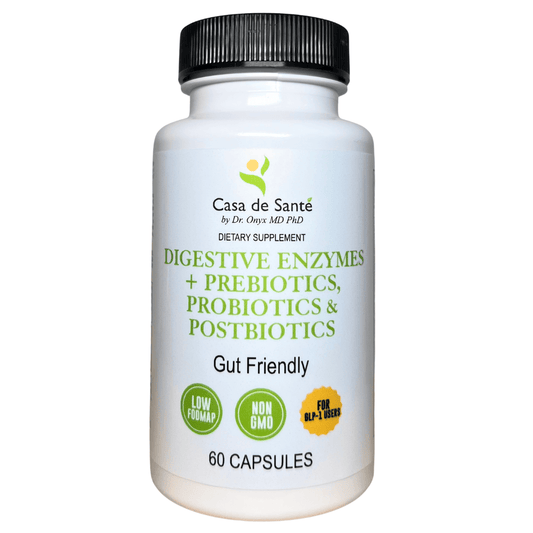
Managing survivor gut health requires a multi-pronged approach that extends beyond simple food elimination. Restoring mucosal integrity and supporting comfortable digestion often involves targeted supplementation. When patients struggle with occasional gas and bloating during the reintroduction phase, I frequently recommend incorporating a quality enzyme supplement. For instance, Casa de Sante FODMAP Digestive Enzymes can assist the body in breaking down complex carbohydrates and hard-to-digest sugars, reducing post-prandial discomfort without masking underlying pathology or replacing a balanced diet.
Additionally, the delicate balance of the gut microbiome is frequently disrupted by rounds of cytotoxic chemotherapy and broad-spectrum antibiotic prophylaxis administered during oncology treatments. Rebuilding a resilient microbial ecosystem is essential for long-term gastrointestinal comfort. A targeted, gut-gentle probiotic such as Advanced Probiotics GI Support can help populate the gut with beneficial strains, supporting epithelial barrier function and immune modulation.
For survivors looking to streamline their kitchen and supplement pantry with clinician-formulated solutions, exploring curated options like Casa de Sante Bundles provides a convenient way to access certified low FODMAP pantry staples, protein powders, and digestive aids designed specifically for sensitive systems.
Frequently Asked Questions
1. Can all Ewing sarcoma survivors safely try a low FODMAP diet?
While most survivors can safely trial a short-term reduction in high-FODMAP foods, those with active treatment toxicities, severe malnutrition, or a history of eating disorders should avoid unguided restrictions. Always consult your oncologist or an oncology dietitian before altering your diet post-treatment.
2. How long should the elimination phase last?
The strict elimination phase should last no longer than 2 to 6 weeks. If you experience no symptom improvement within this window, the low FODMAP approach is likely not the correct mechanism for your symptoms, and you should resume a normal diet while investigating other causes.
3. Does radiation enteritis go away completely?
Radiation enteritis can involve acute inflammation that resolves, but it can also cause chronic microscopic fibrosis and vascular changes in the bowel wall. This means some survivors experience lifelong bowel hypersensitivity that requires ongoing management rather than a permanent cure.
4. How do I ensure I get enough calories and protein during recovery?
Prioritize lean proteins, eggs, lactose-free dairy or fortified plant milks, and healthy fats like olive oil and avocado. Working with a registered dietitian ensures your daily caloric and macronutrient targets are met, preventing muscle wasting and supporting bone health.
5. Are digestive enzymes safe to take after cancer treatment?
Targeted digestive enzymes can be a helpful adjunct for breaking down complex carbohydrates and reducing occasional gas. However, they should be used as supportive tools alongside dietary modifications rather than a cure-all for severe malabsorption.
Conclusion
Navigating life after Ewing sarcoma is a profound physical and emotional milestone. When chronic gastrointestinal symptoms interfere with your daily routine, it is easy to feel overwhelmed by dietary rules. By understanding that a strict low FODMAP framework is strictly a short-term therapeutic tool rather than a permanent lifestyle, you can calm an irritated gut without sacrificing vital calories, protein, or bone-building nutrients. Always partner with your oncology team and a qualified clinical dietitian to create a sustainable nutrition plan that honors your body's unique recovery.
Medical Disclaimer: This article is for educational and informational purposes only and does not constitute professional medical advice, diagnosis, or treatment. Dr. Onikepe Adegbola, MD PhD, and Casa de Sante do not provide medical services through this blog. Always seek the advice of your physician, oncologist, or other qualified health provider with any questions you may have regarding a medical condition or treatment regimen.