Low FODMAP Diet, Appendix Cancer & Pseudomyxoma Peritonei





Recovering from cytoreductive surgery and hyperthermic intraperitoneal chemotherapy (HIPEC) for appendiceal tumors fundamentally alters your gastrointestinal tract. Adopting a low fodmap diet appendix cancer pseudomyxoma peritonei regimen helps control chronic diarrhea, abdominal distension, and early satiety by restricting fermentable carbohydrates that draw excess water into a surgically shortened bowel.
Key Takeaways
- Surgical Alterations: Cytoreductive surgery often involves bowel resections and peritonectomy, changing transit times, absorptive capacity, and bacterial populations.
- Osmotic Control: A structured low fodmap diet appendix cancer pseudomyxoma peritonei approach minimizes unabsorbed sugars that pull water into the bowel lumen, reducing post-op diarrhea.
- Healing Targets: Post-surgical tissue repair requires higher protein targets (typically 1.2 to 1.5 grams per kilogram of body weight daily) delivered across small, frequent meals.
- Dietary Distinctions: A low FODMAP diet focuses on fermentable short-chain carbohydrates, whereas a low-residue diet restricts dietary fiber to decrease stool bulk.
- Supportive Care: Clinical adjuncts like targeted digestive enzymes and probiotics can assist with residual GI discomfort when used under medical supervision.
Understanding Appendix Cancer and Pseudomyxoma Peritonei
When patients sit across from me in my clinic after receiving a diagnosis of appendiceal cancer, they are often reeling from complex pathology terms. Appendix cancer is relatively rare, arising most commonly from mucinous epithelial neoplasms. When these mucin-producing tumors rupture within the peritoneal cavity, they seed jelly-like mucin throughout the abdomen. This condition is known as pseudomyxoma peritonei (PMP), frequently referred to colloquially as "jelly belly."
The standard treatment protocol for PMP is aggressive: cytoreductive surgery (CRS) combined with hyperthermic intraperitoneal chemotherapy (HIPEC). During CRS, a surgical team removes visible tumor nodules, often performing partial colectomies, small bowel resections, omentectomies, and peritonectomies. Following tumor debulking, heated chemotherapy is circulated directly inside the abdominal cavity to eradicate microscopic disease.
While this life-saving procedure offers remarkable oncological control, it places enormous physiological stress on the digestive tract. Removing portions of the peritoneum, stomach lining, small intestine, and colon changes how food moves, how nutrients are absorbed, and how the enteric nervous system communicates with your brain.
Why Digestive Symptoms Persist Post-Treatment
Long after surgical incisions heal, many survivors struggle with persistent gastrointestinal dysfunction. Diarrhea, explosive bowel urgency, debilitating gas, cramping, and early satiety are common complaints in my practice. Understanding why these symptoms occur requires looking at the mechanics of gastrointestinal recovery.
First, bowel resections shorten the length of the gastrointestinal tract. The terminal ileum and the colon are primary sites for water absorption, electrolyte balance, and bile acid recycling. When segments of these organs are resected, transit time accelerates dramatically. Bile acids that are normally reabsorbed in the terminal ileum spill into the colon, causing chemical irritation and watery diarrhea known as bile acid malabsorption.
Second, surgical manipulation and HIPEC cause localized inflammation, adhesions, and altered gut motility. Adhesions can create micro-obstructions or dysmotility zones where gut bacteria stagnate, predisposing patients to small intestinal bacterial overgrowth (SIBO). When excess bacteria ferment food particles in the small intestine, patients experience severe bloating, gas, and pain against newly formed scar tissue.
Finally, early satiety—the feeling of fullness after eating only a few bites—frequently stems from physical restriction, loss of gastric compliance, or altered release of satiety hormones like peptide YY and ghrelin. When your stomach capacity is temporarily or permanently reduced, managing nutritional intake requires strategy rather than forcing large portions.
Low FODMAP Diet Appendix Cancer Pseudomyxoma Peritonei: Managing Post-Surgical Diarrhea
To mitigate these distressing symptoms, implementing a low fodmap diet appendix cancer pseudomyxoma peritonei recovery plan can be transformative. FODMAP stands for Fermentable Oligosaccharides, Disaccharides, Monosaccharides, and Polyols. These are specific types of short-chain carbohydrates and sugar alcohols found in many everyday foods.
In a healthy, intact digestive tract, these carbohydrates travel to the colon where gut bacteria ferment them. However, in a surgically altered bowel recovering from CRS and HIPEC, FODMAPs behave disruptively through two primary mechanisms:
- Osmotic Effect: Unabsorbed FODMAP molecules draw large volumes of water into the lumen of the small and large intestines. For someone with a shortened bowel or rapid transit time, this excess water directly triggers urgent, watery diarrhea.
- Producing Gas via Rapid Fermentation: Resident bacteria rapidly ferment these carbohydrates, generating hydrogen and methane gases. In an abdomen with postoperative adhesions, even normal amounts of gas create painful distension, stretching sensitive visceral nerves.
Temporarily restricting high-FODMAP foods—such as wheat, onions, garlic, certain stone fruits, legumes, and artificial sweeteners—removes this chemical and osmotic burden, allowing the postoperative mucosa time to settle.
The Role of the Low FODMAP Diet Appendix Cancer Pseudomyxoma Peritonei Protocol in Gut Healing
Embarking on dietary changes after cancer surgery must be done methodically. The clinical protocol for a low fodmap diet appendix cancer pseudomyxoma peritonei adaptation follows three distinct phases, ideally supervised by an experienced oncology registered dietitian:
- Phase 1: Restriction. Eliminate high-FODMAP foods for two to six weeks. During this window, you observe whether stool consistency improves, bloating decreases, and bowel urgency subsides.
- Phase 2: Reintroduction. Systematically test individual FODMAP subgroups (such as fructans, lactose, or sorbitol) one at a time. This step is critical because permanent restriction harms your long-term microbiome diversity.
- Phase 3: Personalization. Establish a long-term eating pattern that avoids only your specific trigger foods while maximizing nutritional variety.
In my clinical observations, patients who complete this structured framework regain confidence around eating, eliminating the fear of sudden digestive emergencies while away from home.
Low FODMAP vs. Low Residue Diet: What’s the Difference?
Patients are often confused by conflicting dietary advice received during hospital discharge. Medical teams frequently hand out instructions for a "low residue diet," while gut health specialists recommend a "low FODMAP diet." These are distinct nutritional approaches with different clinical goals.
| Feature | Low Residue Diet | Low FODMAP Diet |
|---|---|---|
| Primary Goal | Decrease stool volume and minimize physical mechanical irritation to healing bowel tissue. | Reduce chemical fermentation, osmotic fluid shifts, and gas production in the bowel lumen. |
| Fiber Content | Strictly low in total dietary fiber (limiting whole grains, raw vegetables, seeds, and skins). | Focuses on fermentability rather than fiber structure alone; some high-fiber foods are allowed if low in FODMAPs. |
| Target Audience | Patients immediately post-surgery, or those experiencing active bowel obstructions, strictures, or severe inflammation. | Patients with functional GI symptoms, chronic post-surgical diarrhea, bloating, and suspected SIBO. |
| Duration | Typically short-term acute phase until immediate surgical healing occurs. | Phase-based protocol (restriction, reintroduction, long-term tailored personalization). |
If you are in the immediate postoperative window recovering from CRS and HIPEC, a low-residue approach protects physical suture lines. Once acute surgical healing is confirmed by your surgical team, transitioning toward a low FODMAP framework helps resolve lingering functional symptoms like chronic diarrhea and gas.
Practical Nutrition: Small Frequent Meals and Protein Targets
Balancing gut rest with tissue healing requires precise nutritional mathematics. Post-surgical oncology patients cannot rely on three large meals a day. Early satiety and reduced absorptive surface areas make large volumes overwhelming.
Instead, aim for 5 to 6 small, nutrient-dense meals spaced evenly throughout the day. This keeps nutrient delivery steady without overstretching gastric remnants.
Protein is non-negotiable for recovery. Cytoreductive surgery and chemotherapy deplete lean body mass, and tissue regeneration requires substantial amino acid building blocks. I typically counsel my patients to target 1.2 to 1.5 grams of protein per kilogram of body weight per day, provided renal function is normal. Excellent low-FODMAP, easily digestible protein sources include:
- Skinless chicken breast and turkey
- Firm tofu (which is low FODMAP, whereas silken tofu is higher in oligosaccharides)
- Eggs cooked simply without heavy fats
- White fish like cod, tilapia, or salmon
- Lactose-free Greek yogurt or hard aged cheeses like cheddar and parmesan
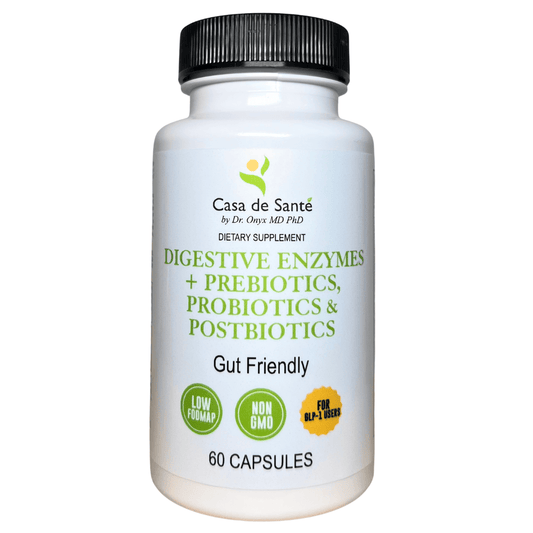
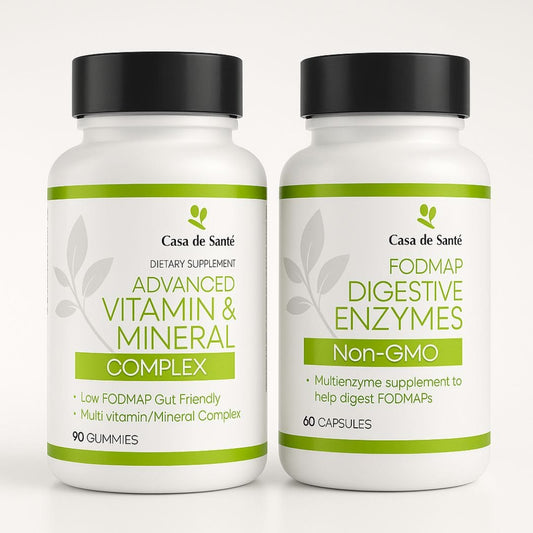
When digestion remains sluggish or enzymatic output is compromised by upper GI surgery, targeted supplementation can provide meaningful assistance. In my clinical practice, I often recommend a targeted digestive enzyme supplement like Casa de Sante FODMAP Digestive Enzymes for patients dealing with post-surgical carbohydrate intolerance. These specialized enzymes assist in breaking down complex sugars and hard-to-digest components, though they are designed to support your dietary efforts rather than act as a replacement for mindful eating.
Supporting the Microbiome and Gut Barrier After HIPEC
The administration of hyperthermic intraperitoneal chemotherapy and systemic antibiotics during major cancer treatment dramatically alters the human microbiome. Beneficial commensal bacteria are depleted, leaving an ecological vacuum that can be colonized by opportunistic pathogens.
Restoring a healthy microbial ecosystem after appendix cancer treatment requires patience. While prebiotics (which feed bacteria) must be carefully controlled during the restriction phase of a low FODMAP protocol, targeted probiotic strains can help reinforce mucosal barrier integrity and calm intestinal hypersensitivity.
For patients navigating protracted post-surgical dysbiosis, incorporating a physician-formulated probiotic such as Advanced Probiotics GI Support can help nurture a resilient microbial balance. Probiotics do not cure structural post-surgical challenges, but they help support the gut lining and immune function during the recovery timeline.
Many patients benefit from comprehensive nutritional toolkits that bundle digestive enzymes, gut-friendly protein powders, and supportive guides together. Utilizing curated resources like Casa de Sante Bundles provides a cohesive approach to managing everyday dietary adjustments without needing to source individual components separately.
Frequently Asked Questions
How soon after CRS and HIPEC can I start a low FODMAP diet?
You should wait until your surgical team clears you for oral intake and confirms that acute surgical healing is well underway. In the immediate postoperative hospital phase, a low-residue or clear liquid diet is typically required to protect suture lines. Once you transition home and experience chronic functional symptoms like persistent diarrhea or bloating, consult your oncology dietitian about introducing a low FODMAP protocol.
Will following a low FODMAP diet cause me to lose too much weight?
Weight loss is a common concern after appendix cancer surgery. Because the restriction phase eliminates many food items, patients risk inadvertent caloric and protein deficits. To prevent unwanted weight loss, work with a dietitian to incorporate calorie-dense, low-FODMAP fats (like olive oil and macadamia nuts) and hit your daily protein targets using lean meats, eggs, and lactose-free dairy.
Can SIBO develop after appendix cancer surgery?
Yes. Altered intestinal motility, surgical adhesions, and altered anatomical transit times increase the risk of small intestinal bacterial overgrowth (SIBO). If you experience severe upper abdominal bloating immediately after eating, hydrogen breath testing or a trial of targeted low-FODMAP strategies combined with medical management can help address bacterial overgrowth.
Is the low FODMAP diet meant to be followed forever?
No. The low FODMAP diet is a diagnostic and therapeutic elimination protocol, not a lifelong restriction. Staying on strict restriction long-term can reduce beneficial gut bacteria. The goal is to identify your unique triggers during the reintroduction phase so you can safely return to eating a diverse, nourishing diet.
How do I ensure I get enough protein while avoiding high-FODMAP foods?
Fortunately, many primary protein sources contain zero carbohydrates and therefore zero FODMAPs. Pure meats, poultry, fish, eggs, and firm tofu are naturally low FODMAP and provide the essential amino acids required for post-surgical tissue repair without triggering osmotic diarrhea.
Medical Disclaimer
This article is for informational and educational purposes only and does not constitute medical advice, diagnosis, or treatment. Dr. Onikepe Adegbola, MD PhD, and Casa de Sante do not provide direct medical care through this platform. Always consult your surgical oncologist, gastroenterologist, or clinical dietitian before making significant changes to your post-surgical diet or supplement regimen.