Managing GI Side Effects: The Role of the Low FODMAP Diet in Anal Cancer Care





Last updated: February 24, 2025 | Written by Dr. Onikepe Adegbola, MD PhD
Adopting a modified low fodmap diet anal cancer patients utilize during and after chemoradiation can significantly reduce debilitating diarrhea, painful rectal spasms, and severe gas. When pelvic radiation and chemotherapy inflame the delicate tissues of the rectum and lower colon, standard foods that ferment in the gut frequently trigger severe cramping and urgent bowel movements. By temporarily restricting these specific fermentable carbohydrates, patients can calm an irritated GI tract and protect their nutritional status during active cancer treatment.
As a physician-scientist trained at Johns Hopkins, I have spent years studying how the gastrointestinal tract responds to medical stress, inflammation, and aggressive treatments like pelvic radiation. Anal cancer therapy is lifesaving, but the side effects on the bowel can severely impact your daily life and recovery. In this article, we will examine the physiological mechanisms behind treatment-induced proctitis, how dietary modifications ease these symptoms, and how to safely navigate nutrition alongside your oncology team.
- Treatment Impact: Anal cancer chemoradiation (mitomycin/5-FU combined with pelvic radiation) frequently causes acute radiation proctitis, severe diarrhea, and painful stools.
- Dietary Relief: A modified low FODMAP approach minimizes gas production and osmotic water draw in an already inflamed colon.
- Fiber Strategy: Acute phases require minimizing insoluble fiber to prevent mechanical irritation, replacing it with targeted soluble fiber to bulk stools.
- Multidisciplinary Care: Dietary changes are supportive symptom-management tools and must be coordinated with your oncology dietitian; they are not a cure for cancer.
Understanding Anal Cancer Treatment and the Gut
To understand why your bowel feels so sensitive right now, we have to look at what happens during standard treatment for anal squamous cell carcinoma. The gold standard regimen typically combines external beam radiation therapy to the pelvis with concurrent chemotherapy, usually consisting of 5-fluorouracil (5-FU) and mitomycin C.
While this combination has high cure rates, the radiation field encompasses not only the anal canal and tumor site but also adjacent loops of the small bowel, the sigmoid colon, and the rectum. Radiation damages the rapidly dividing cells lining your intestinal tract. This condition, known as radiation enteritis or radiation proctitis, leads to mucosal inflammation, edema, ulceration, and altered motility.
Statistics show that over 70% to 80% of patients undergoing pelvic chemoradiation experience moderate to severe diarrhea, fecal urgency, tenesmus (the constant feeling that you need to pass stool), and painful bowel movements. When your rectal mucosa is raw and inflamed, even normal digestive processes can feel excruciating. This is where modifying your intake becomes essential for maintaining your quality of life and ensuring you can complete your cancer therapy without interruptions.
For a broader look at how systemic treatments impact digestive function, you can read our guide on gut health after chemotherapy.
How a Low FODMAP Diet Helps Manage Anal Cancer Symptoms
FODMAP is an acronym standing for Fermentable Oligosaccharides, Disaccharides, Monosaccharides, and Polyols. These are short-chain carbohydrates and sugar alcohols that are poorly absorbed in the small intestine. Normally, healthy gut bacteria ferment these molecules in the colon, producing gas. In a healthy person, this is a minor inconvenience at most.
However, when dealing with anal cancer chemoradiation, the equation changes completely:
- Osmotic Effect: Unabsorbed FODMAPs draw excess water into the intestinal lumen. When your colon is inflamed from radiation, this extra fluid directly exacerbates watery diarrhea.
- Bacterial Fermentation: As FODMAPs reach the large intestine, resident bacteria ferment them rapidly. This produces hydrogen and methane gas, causing painful bloating, distension, and increased pressure on an already sore, inflamed anal canal.
- Neuromuscular Irritation: Gas-induced distension triggers abnormal colonic contractions and spasms, worsening the intense rectal pain associated with proctitis.
By temporarily restricting high-FODMAP foods—such as onions, garlic, wheat, certain stone fruits, and dairy containing lactose—you reduce both the fluid load and the gas production in your lower GI tract. This directly translates to fewer emergency bathroom trips and less physical discomfort during bowel movements.
Comparing Dietary Approaches During Radiation Proctitis
Navigating nutrition during pelvic radiation requires a careful balance. Below is a clinical comparison of a standard diet versus a modified low FODMAP, low insoluble fiber approach tailored for anal cancer recovery.
| Dietary Parameter | Standard / Regular Diet | Modified Low FODMAP + Low Insoluble Fiber |
|---|---|---|
| Fermentable Carbs (FODMAPs) | High in onions, garlic, wheat, legumes, causing gas and distension. | Restricted. Minimizes osmotic draw and gas production in the colon. |
| Fiber Type | Mixed fiber, including high levels of rough, scratchy insoluble fiber. | Low insoluble fiber during acute flare; targeted soluble fiber for bulk. |
| Stool Consistency | Unpredictable, often watery or loose due to radiation-induced malabsorption. | More formed and cohesive, reducing burning and irritation. |
| Anal Pain / Tenesmus | High incidence of painful spasms, urgency, and raw friction. | Significantly reduced due to lower gas pressure and softer stools. |
Implementing a Low FODMAP Diet for Anal Cancer: Phase-by-Phase
When implementing dietary changes during cancer therapy, precision and gentle execution matter. You are not trying to restrict your calories or lose weight; you are trying to nourish your body while giving your bowel lining a chance to heal.
In my clinical practice, I guide patients through specific phases:
- The Acute Radiation Phase (Weeks 1 through 6 of treatment): During active chemoradiation, your tissues are actively breaking down. Alongside a low FODMAP framework, you must strictly limit insoluble fiber (found in raw vegetable skins, whole grains, nuts, and seeds). Insoluble fiber acts like sandpaper on inflamed rectal tissue. Instead, focus on easily digestible, soft foods like cooked rice, peeled and cooked carrots, skinless chicken breast, and eggs.
- The Soluble Fiber Integration Phase: While reducing roughage, you still need to form your stool so it passes smoothly without watery irritation. Introduce gentle soluble fibers such as cooked oats or regulated doses of acacia fiber. Soluble fiber dissolves in water, forming a gel-like substance that cushions the stool. For a deeper dive into this mechanic, review our article on soluble versus insoluble fiber.
- The Healing and Reintroduction Phase: Months after radiation concludes, your tissues will gradually heal. At this point, you can systematically reintroduce specific FODMAP groups under the guidance of a dietitian to determine your personal tolerance thresholds.
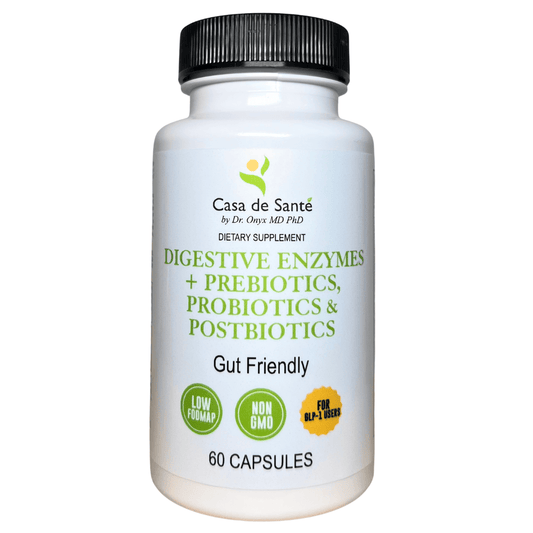
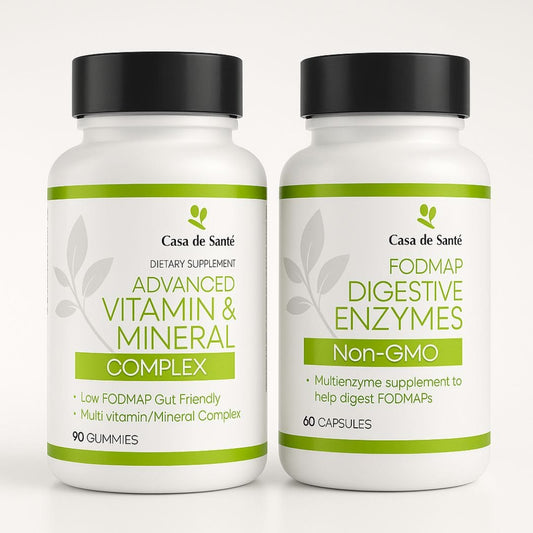
Sometimes, even with careful dietary restriction, the digestive system struggles to break down residual complex carbohydrates or maintain a balanced microbiome under the stress of radiation. In my clinical practice, I often recommend targeted digestive support. For patients experiencing persistent post-meal bloating and discomfort during treatment recovery, integrating Casa de Sante FODMAP Digestive Enzymes can help break down hard-to-digest carbohydrates before they reach the sensitive colon. Please note: While these specialized enzymes assist with macronutrient breakdown and reduce gas production, they do not treat or cure anal cancer, nor do they replace prescribed oncology medications.
Supportive Care: Hydration, Proctitis Management, and Gut Support
Dietary modification is only one pillar of comprehensive supportive care during anal cancer recovery. Managing bowel symptoms effectively requires a multifaceted approach that addresses hydration, topical comfort, and microbial balance.
Hydration and Electrolytes: Diarrhea causes rapid depletion of water and vital electrolytes like potassium and sodium. Aim to sip at least 2 to 3 liters of fluids daily, incorporating medical-grade oral rehydration solutions or bone broths rather than plain water alone, which can dilute your electrolyte balance further.
Sitz Baths and Topical Relief: Radiation proctitis often causes severe skin irritation and burning in the perianal region. Taking warm sitz baths for 10 to 15 minutes after bowel movements cleanses the area gently, relaxes the internal and external anal sphincters, and reduces painful spasms.
Microbiome Support: Pelvic radiation dramatically alters the gut microbiome, wiping out beneficial species and allowing opportunistic pathogens to thrive. To support microbial recovery during or after treatment, many patients benefit from a practitioner-formulated probiotic. I frequently suggest Advanced Probiotics GI Support to help encourage a healthy microbial balance in the gut. To be entirely transparent: this probiotic helps support healthy intestinal flora and digestive comfort, but it is not a treatment for cancer and will not reverse radiation-induced tissue damage on its own.
For patients looking for a comprehensive toolkit to manage ongoing digestive sensitivities at home, our curated Casa de Sante Bundles combine enzyme support, low FODMAP staples, and gut health aids into a single regimen. These bundles provide convenient, kitchen-friendly solutions for daily symptom management, though they are strictly supportive and should be used in tandem with your oncology care plan.
Frequently Asked Questions
1. Can a low FODMAP diet cure anal cancer?
No. A low FODMAP diet is strictly a symptom-management tool. It does not treat, cure, or impact the growth of anal cancer cells. Its sole medical purpose during cancer treatment is to reduce gas, bloating, osmotic fluid draw, and diarrhea caused by chemoradiation-induced proctitis and enteritis.
2. When should I start a low FODMAP diet during anal cancer treatment?
Many patients begin modifying their diet as soon as radiation-induced bowel symptoms—such as loose stools, cramping, or urgency—begin, typically around the second or third week of pelvic radiation. Always consult your medical oncologist or an oncology registered dietitian before making significant dietary changes.
3. Why does pelvic radiation cause diarrhea and painful stools?
External beam radiation delivered to the pelvis affects rapidly dividing healthy cells in the lining of the small and large intestines alongside the tumor cells. This causes inflammation (radiation proctitis/enteritis), impairing water absorption and nutrient uptake while making the delicate tissues of the anal canal extremely sensitive to mechanical friction and acidic stool.
4. What is the difference between soluble and insoluble fiber for proctitis?
Insoluble fiber (found in raw vegetable skins, seeds, and whole grains) does not dissolve in water and acts as mechanical roughage, which can severely irritate raw, inflamed rectal tissue. Soluble fiber (found in oats, peeled cooked squash, and acacia fiber) dissolves in water to form a gentle gel that bulks and softens the stool, easing painful bowel movements.
5. Do I need to stay on a strict low FODMAP diet forever?
No. The low FODMAP diet is designed as a temporary elimination and reintroduction protocol. Once your pelvic tissues have fully healed—typically several months after completing radiation therapy—you can work with a dietitian to systematically reintroduce higher-FODMAP foods to find your individual tolerance.
6. Should I work with an oncology dietitian?
Absolutely. Navigating cancer treatment places high demands on your nutritional status. An oncology registered dietitian can help you tailor a modified low FODMAP and low insoluble fiber plan that prevents unintended weight loss, maintains your protein intake, and supports your body through the healing process.
Conclusion
Undergoing treatment for anal cancer is physically and emotionally demanding. While chemoradiation is essential for targeting the cancer, managing the resulting gastrointestinal side effects is crucial for your comfort and ability to complete therapy. Implementing a modified low FODMAP diet, minimizing harsh insoluble fibers, prioritizing targeted soluble fiber, and supporting your gut microbiome with professional-grade tools like Casa de Sante FODMAP Digestive Enzymes and Advanced Probiotics GI Support can provide meaningful relief from diarrhea and proctitis. Always partner closely with your oncology team and a registered dietitian to ensure your nutrition supports both your gut and your ultimate recovery.