Understanding GLP-1 Under Eye Hollows: Causes and Solutions




GLP-1 under eye hollows are caused by rapid subcutaneous fat loss in the face, which occurs when medications like semaglutide or tirzepatide accelerate weight loss. As facial fat pads diminish, the skin beneath the eyes loses its structural support, creating a sunken or shadowed appearance.
In my clinical practice as a physician-scientist, patients frequently share their excitement about shedding stubborn weight while expressing surprise at unexpected cosmetic changes in the mirror. Weight loss medications like Ozempic, Wegovy, Mounjaro, and Zepbound have transformed metabolic health for millions. However, rapid fat loss does not discriminate between the abdomen and the face. When facial volume drops quickly, the delicate periorbital area—the region surrounding the eyes—shows the impact first. Skin that was previously stretched taut over underlying fat pads suddenly lacks internal support, leading to dark shadows, sunken contours, and pronounced tear troughs.
Key Takeaways
- Root Cause: GLP-1 under eye hollows stem from rapid depletion of superficial and deep facial fat pads during accelerated weight loss.
- Prevention: Slower medication titration, adequate protein intake (1.2 to 1.5 grams per kilogram of ideal body weight), and strict hydration help preserve lean tissue.
- Interventions: Options range from topical peptides and hydrating eye creams to hyaluronic acid fillers and autologous fat transfer.
- Gut Health Connection: Rapid weight loss frequently disrupts gastrointestinal motility. Supporting your digestive tract with targeted clinical tools can maintain systemic comfort during metabolic shifts.
What Causes GLP-1 Under Eye Hollows?
To understand why the eyes appear hollow during a course of GLP-1 receptor agonist therapy, we must examine facial anatomy. The human face contains distinct compartments of fat. Deep fat pads provide structural architecture, while superficial fat pads contribute to youthful contour and fullness. Under the eyes, the orbicularis oculi muscle and very thin skin sit directly over the bone of the eye socket (the orbit) and superficial fat depots.
When GLP-1 medications suppress appetite and improve insulin sensitivity, the body taps into stored fat for energy. Unfortunately, the face—particularly the periorbital and temple regions—often loses fat at a faster rate than other body parts. This phenomenon, colloquially termed "Ozempic face," is simply rapid facial lipoatrophy. Because the skin around the eyes is the thinnest on the human body (measuring roughly 0.5 millimeters compared to 2 millimeters elsewhere), any loss of underlying volume immediately translates to shadows and hollowness.
Furthermore, rapid weight loss outpaces the skin's natural ability to retract. Skin elasticity relies on collagen and elastin fibers. When fat volume vanishes over the course of eight to twelve weeks rather than twelve to eighteen months, the skin cannot shrink down proportionally. The resulting laxity compounds the hollow effect, casting deep shadows in the inner corners of the eyes.
Preventing GLP-1 Under Eye Hollows Through Protein and Titration
While you cannot entirely dictate where your body loses fat, you can influence the speed and composition of your weight loss. Controlling these variables protects facial volume and structural integrity.
First, talk to your prescribing physician about titration speed. Many clinical trials push patients up to the maximum dose of semaglutide or tirzepatide as quickly as possible to maximize scale victories. However, a slower, more conservative titration schedule gives your skin and underlying tissues time to adapt. If you experience severe facial hollowing, pausing your dose escalation or stepping back to a lower maintenance dose can slow fat loss and mitigate acute changes.
Second, prioritize daily protein consumption. Rapid weight loss often results in both fat and lean muscle mass depletion. To protect your structural proteins—including the collagen matrix supporting your skin—aim for a daily intake of 1.2 to 1.5 grams of protein per kilogram of ideal body weight. Incorporating lean poultry, fish, eggs, legumes, or high-quality protein sources ensures your body has the amino acids necessary to maintain tissue resilience.
Third, do not underestimate systemic hydration. GLP-1 medications suppress thirst cues alongside hunger signals, leading to chronic, low-grade dehydration. Dehydrated skin loses turgor and accentuates fine lines and hollows. Consuming at least 64 to 80 ounces of water daily, paired with proper electrolyte balance, keeps periorbital cells plump and resilient.
Comparing Under Eye Treatments: Fillers vs. Topical Skincare vs. Patient Waiting
If you are already experiencing periorbital hollowing, you have several clinical and aesthetic paths forward. Each approach carries distinct advantages and limitations.
To help you evaluate your choices, here is a direct comparison of the primary management strategies:
| Treatment Approach | Mechanism | Pros | Cons / Limitations |
|---|---|---|---|
| Topical Eye Creams & Serums | Topical application of peptides, hyaluronic acid, and retinoids to support skin barrier and surface hydration. | Non-invasive, affordable, supports surface skin texture and fine lines. | Cannot replace deep fat loss or structural volume; results are superficial. |
| Dermal Fillers (Hyaluronic Acid) | Precise injection of gel-like substance (e.g., Restylane) into the tear trough to restore missing volume. | Immediate results, highly customizable, restores youthful contour instantly. | Temporary (6–18 months), carries risks of bruising, swelling, or the Tyndall effect. Requires an expert injector. |
| Autologous Fat Transfer | Harvesting fat from another area of the body and grafting it into the periorbital hollows. | Permanent results, uses your own biological tissue, improves surrounding skin quality. | Surgical procedure with significant downtime, higher initial cost, variable fat survival rate. |
| Patient Waiting & Stabilization | Allowing weight to stabilize at your goal weight for 3–6 months without immediate intervention. | Zero cost, allows facial tissues to settle naturally as weight plateaus. | Requires patience; does not reverse volume loss if baseline facial fat is permanently gone. |
Topical treatments containing Matrixyl, copper peptides, and caffeine can temporarily tighten the area and reduce fluid retention, but they cannot replace lost fat pads. For lasting structural correction, dermatological procedures like hyaluronic acid tear trough fillers or autologous fat grafting are the gold standard. However, I always advise my patients to reach a stable weight maintenance phase before investing in permanent or semi-permanent facial procedures. Altering your face while your weight is still fluctuating creates moving targets for aesthetic practitioners.
Gut Health on GLP-1s: Supporting Your Digestive Tract Alongside Weight Loss
When managing metabolic treatments like GLP-1 receptor agonists, looking good on the outside requires feeling well on the inside. These medications work primarily by slowing gastric emptying—the rate at which food leaves your stomach and enters the small intestine. While this mechanism promotes satiety, it frequently triggers uncomfortable side effects such as bloating, nausea, sluggish digestion, and altered bowel habits.
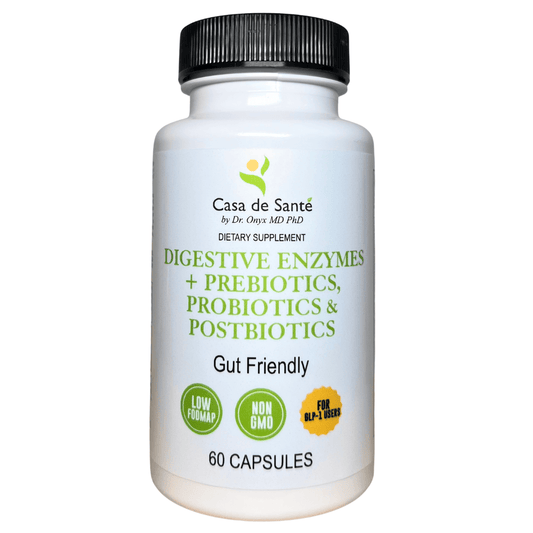
As a gut health expert, I see many patients focus exclusively on caloric restriction while neglecting their microbiome. A compromised gut environment can exacerbate systemic inflammation and make the physical transition of weight loss much harder on your body. Supporting your gastrointestinal lining and encouraging balanced motility is essential for overall vitality during your metabolic wellness journey. For individuals experiencing microbial imbalances or sluggish gut transit while on these therapies, incorporating a high-quality, targeted daily probiotic can be transformative. To support your intestinal flora without harsh stimulants, consider adding Advanced Probiotics GI Support to your routine. Please note: this product is formulated to support beneficial gut bacteria and promote a balanced microbiome, but it is not a weight loss pill, nor does it treat or reverse facial fat loss.
For more detailed insights on managing gastrointestinal side effects during metabolic therapies, read our guide on navigating GLP-1 side effects and the gut microbiome.
When to See a Dermatologist or Physician
Navigating cosmetic changes can feel overwhelming, but professional guidance simplifies the process. You should schedule a consultation with a board-certified dermatologist or plastic surgeon if your under eye hollows are accompanied by severe skin laxity, persistent irritation, or significant emotional distress. A qualified aesthetic physician can assess your skin thickness and determine whether you are a suitable candidate for non-surgical treatments.
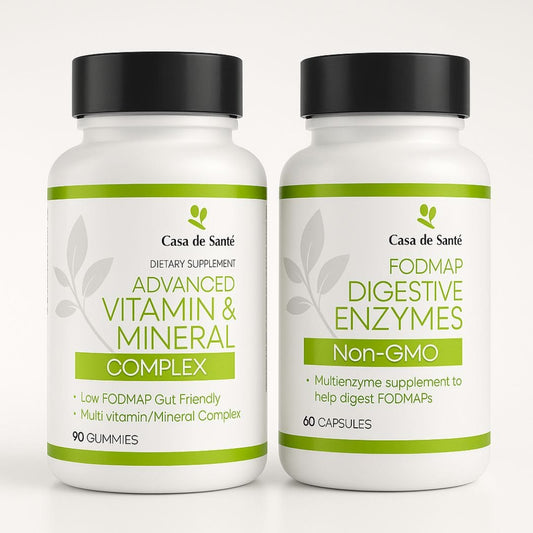
Simultaneously, if your weight loss journey is accompanied by chronic digestive distress, bloating, or irregular bowel function, partnering with a gastroenterologist or clinical nutrition expert is vital. Ensuring your digestive tract processes nutrients efficiently protects your lean muscle mass and overall nutritional status. In my clinical practice, I often recommend a targeted digestive enzyme supplement like Casa de Sante FODMAP Digestive Enzymes for patients dealing with post-meal heaviness and slow gastric transit. To be entirely clear: digestive enzymes are designed to assist the breakdown of food molecules and ease occasional bloating; they do not impact facial fat distribution or correct under eye hollows.
Frequently Asked Questions About GLP-1 Under Eye Hollows
Can under eye hollows from GLP-1s go away on their own?
In some cases, once your weight stabilizes and your body adjusts to its new set point, minor facial volume redistribution can soften the appearance of hollows. However, if deep fat pads are permanently lost, natural reversal is limited, and dermatological intervention may be necessary for full correction.
Do eye creams containing retinol or caffeine fix GLP-1 face?
No topical skincare product can replace lost subcutaneous fat. Retinoids stimulate collagen production and improve skin texture, while caffeine temporarily reduces puffiness, but neither can restore the structural volume lost during rapid weight reduction.
Should I stop taking my GLP-1 medication if I notice facial hollowing?
You should never discontinue a prescription medication without consulting your prescribing physician. If cosmetic changes are causing significant concern, discuss slower titration schedules or nutritional adjustments with your doctor instead of stopping therapy abruptly.
What role does protein intake play in preventing facial volume loss?
Consuming adequate protein (1.2 to 1.5 grams per kilogram of ideal body weight) helps preserve lean tissue throughout the body, supporting the structural integrity of your skin and preventing excessive muscle wasting during rapid fat reduction.
Are dermal fillers safe for treating GLP-1 under eye hollows?
When performed by an experienced, board-certified dermatologist or plastic surgeon using hyaluronic acid fillers, tear trough treatments are generally safe and yield immediate, natural-looking results. Always seek an expert injector familiar with periorbital anatomy to avoid complications like swelling or the Tyndall effect.
How does gut health relate to facial weight loss side effects?
While gut health does not directly cause facial fat loss, optimizing your digestion ensures that the nutrients, proteins, and vitamins you consume are efficiently absorbed to support skin health, cellular repair, and overall metabolic resilience. For comprehensive wellness support during your health journey, explore curated Casa de Sante Bundles, which combine physician-formulated gut health aids designed to ease digestive discomfort. Note that these bundles support gastrointestinal wellness and nutrient assimilation; they do not treat, cure, or reverse cosmetic facial changes.
Medical Disclaimer: This article is for informational and educational purposes only and does not constitute medical advice, diagnosis, or treatment. Dr. Onikepe Adegbola, MD PhD, and Casa de Sante do not endorse stopping or altering prescription medications without direct consultation with a qualified healthcare provider. Always consult your physician regarding any health conditions or medical treatments.