Understanding GLP 1 Sore Throat: Why It Happens and How to Find Relief





Last updated: February 2025 | By Dr. Onikepe Adegbola, MD PhD
If you are experiencing a persistent glp 1 sore throat, you are not alone, and it is almost certainly connected to your medication. A glp 1 sore throat is most frequently caused by silent acid reflux, or laryngopharyngeal reflux (LPR), triggered by the delayed gastric emptying that comes with medications like semaglutide and tirzepatide. As a physician-scientist, I see many patients who are surprised to find upper respiratory symptoms appearing alongside metabolic improvements. Let us look at why this happens and how you can protect your throat while continuing your health journey.
Key Takeaways
- Primary Cause: GLP-1 medications slow down stomach emptying, making stomach acid and pepsin more likely to creep up into the delicate tissues of the throat.
- LPR vs. GERD: Unlike classic heartburn, laryngopharyngeal reflux (LPR) often presents without chest pain, manifesting instead as hoarseness, throat clearing, and a sore throat.
- Actionable Relief: Avoid lying down for three hours after eating, eat smaller portions, elevate the head of your bed, and sip water consistently.
- Red Flags: Seek immediate medical attention if you experience high fever, severe difficulty swallowing, or unexplained weight loss beyond your target.
The Hidden Link Between GLP 1 Medications and Sore Throat
When patients start taking glucagon-like peptide-1 receptor agonists—such as Ozempic, Wegovy, Mounjaro, or Zepbound—they often focus on appetite suppression, blood sugar regulation, and weight management. However, these medications exert their systemic effects by fundamentally altering gastrointestinal physiology. One of the primary mechanisms of action is the slowing of gastric motility.
In clinical observations, GLP-1 receptor agonists can delay gastric emptying by 30% to upwards of 50%. Food remains in your stomach significantly longer than it normally would. This prolonged retention creates sustained internal pressure within the stomach. When that pressure overcomes the lower esophageal sphincter (and its upper counterpart), gastric contents, stomach acid, and digestive enzymes like pepsin can travel upward into the esophagus and reach the pharynx and larynx.
Your throat tissue is exceptionally delicate. It lacks the protective mucosal lining found in the stomach. Even microscopic amounts of acid reaching the pharynx can cause significant irritation, swelling, and a persistent scratchy sensation. For a deeper dive into how upper gastrointestinal shifts impact your overall well-being, you can read our related guide on managing gut health on GLP-1 medications.
Laryngopharyngeal Reflux (LPR): The Silent Culprit
Many patients tell me, "Doctor, I don't have heartburn, so how can my throat pain be related to acid?" This is where understanding laryngopharyngeal reflux (LPR) becomes essential.
Traditional gastroesophageal reflux disease (GERD) typically causes a burning sensation behind the breastbone. LPR, frequently dubbed "silent reflux," operates differently. During sleep or even during daily activities, small gas pockets or liquid droplets of stomach acid sneak past both esophageal sphincters and aerosolize against the voice box and throat. Because this often happens without classic heartburn symptoms, patients are frequently baffled by the sudden onset of a sore throat, excess mucus, chronic throat clearing, or a feeling of a lump in the throat (globus sensation).
Furthermore, GLP-1 medications can sometimes induce mild nausea or reduced fluid intake. When you are mildly dehydrated, your salivary glands produce less saliva. Saliva contains natural buffers and protective proteins that neutralize acid and soothe mucosal tissues. Without adequate hydration, your throat loses its primary defense against ascending gastric irritants.
Comparison: Reflux Sore Throat vs. Infection vs. Dryness
| Symptom Feature | GLP-1 Reflux / LPR | Viral / Bacterial Infection | Medication Dehydration |
|---|---|---|---|
| Onset | Gradual, often worse in the morning or after large meals | Rapid, appearing over 24 to 48 hours | Gradual, linked to low water intake |
| Accompanying Signs | Hoarseness, throat clearing, chronic cough, sour taste | Fever, body aches, swollen lymph nodes, chills | Sticky mouth, dry lips, dark urine |
| Swallowing Pain | Mild to moderate scratchiness | Sharp pain when swallowing food or liquids | Scratchiness relieved immediately by water |
| Response to Antacids | Improves over time with acid management | No change in symptoms | No change from antacids alone |
Practical Strategies to Manage and Prevent GLP 1 Sore Throat
Managing throat irritation caused by slowed digestion requires modifying how and when you eat, rather than just treating the symptom after it appears. Here are the core strategies I recommend in my clinical practice:
- Observe the Three-Hour Rule: Never lie down, recline, or go to sleep within three hours of finishing a meal or a heavy snack. Gravity is your best defense against upward acid movement.
- Optimize Meal Sizes: Because your stomach empties much more slowly, large portions will sit heavily and increase gastric pressure. Shift to eating four or five smaller, nutrient-dense mini-meals throughout the day.
- Elevate the Head of Your Bed: If morning throat soreness is your primary complaint, use bed risers or a wedge pillow to elevate your upper body by 6 to 8 inches. Simply stacking extra pillows under your head can actually increase intra-abdominal pressure and worsen reflux.
- Sip Water Consistently: Avoid chugging large volumes of water all at once, as this can distend a slow-emptying stomach. Instead, sip small amounts of water consistently throughout the day to keep your throat tissues hydrated and wash away residual pepsin.
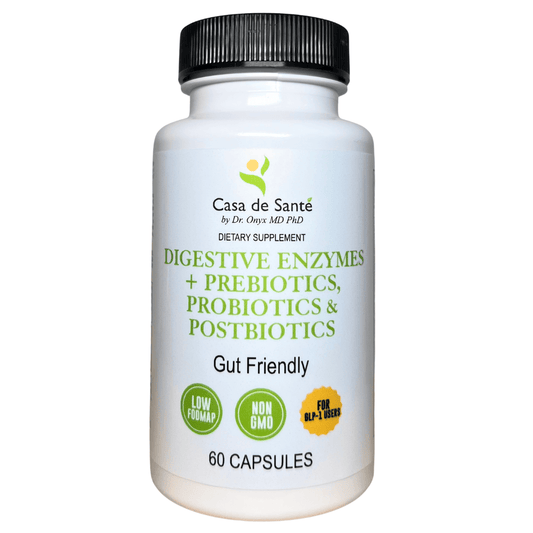
When food lingers in the stomach due to slowed motility, targeted enzyme support can help break down macronutrients more efficiently, reducing upper gastrointestinal pressure. In my clinical practice, I often recommend a targeted digestive enzyme supplement like Casa de Sante FODMAP Digestive Enzymes for patients dealing with post-meal bloating and reflux symptoms. Please note: while this supplement supports optimal macronutrient breakdown and eases digestive strain, it does not alter the underlying pharmacological action of your GLP-1 medication.
Supporting Your Gut Microbiome While on GLP 1 Therapy
Altered gastrointestinal motility does more than just cause reflux; it changes the environment where your gut microbiome lives. When transit time slows down, microbial populations in the small and large intestines shift. For some individuals, this results in increased gas production, bloating, and secondary digestive sensitivities that mimic or overlap with irritable bowel syndrome (IBS). You can learn more about managing these overlapping sensitivities by exploring our article on understanding IBS and gut motility patterns.
Maintaining a balanced gut microbiome while your digestive transit time is altered requires gentle, targeted support. A high-quality probiotic formulated for sensitive digestive tracts, such as Advanced Probiotics GI Support, can help foster microbial balance. It is important to be clear: this probiotic supports intestinal microbial diversity and gut barrier function, but it is not a cure for medication-induced gastroparesis or acid reflux.
When to Worry: Red Flag Symptoms You Should Never Ignore
While a mild sore throat is a common, manageable side effect of slowed gastric emptying, certain symptoms warrant prompt medical evaluation. Do not assume every upper respiratory discomfort is simply silent reflux. Contact your physician immediately if you experience:
- High Fever or Chills: Suggests an acute viral or bacterial infection, such as strep throat, rather than reflux.
- Severe Dysphagia: Inability to swallow your own saliva or sharp, debilitating pain when swallowing food.
- Persistent Vomiting: Inability to keep fluids down for more than 24 hours, which risks severe dehydration.
- Unexplained Weight Loss: Weight loss that exceeds safe, expected therapeutic parameters or occurs alongside severe abdominal pain.
For comprehensive, foundational digestive care during your metabolic health journey, combining gut-supportive products can be helpful. Many of my patients utilize physician-curated kits like Casa de Sante Bundles to streamline their daily routine. These bundles group together laboratory-tested, gut-friendly staples designed to soothe GI distress, though they are intended to complement—not replace—prescribed medical therapies.
Frequently Asked Questions
Can Ozempic or Wegovy directly damage the throat tissue?
No, the medication itself does not chemically burn the throat. The discomfort is caused indirectly. The active ingredients slow gastric emptying, which allows stomach acid and digestive enzymes to travel upward via reflux and irritate the delicate lining of the pharynx and larynx.
How long does a GLP-1-induced sore throat typically last?
For many patients, throat irritation fluctuates as the body adjusts to a new dosage of the medication. It often resolves or significantly improves within two to four weeks after stabilizing on a specific dose, provided lifestyle modifications such as smaller meals and head elevation are consistently implemented.
Can I take over-the-counter antacids or acid reducers with my GLP-1 medication?
Over-the-counter antacids, H2 blockers, or proton pump inhibitors (PPIs) are frequently recommended by physicians to manage acid-related symptoms. However, you should always consult your prescribing doctor before adding long-term acid suppressants, as they can further influence digestion and nutrient absorption.
Does vomiting from GLP-1 side effects cause a chronic sore throat?
Yes. Active vomiting exposes the esophageal lining and throat to highly concentrated stomach acid and mechanical strain. If you are experiencing frequent nausea or vomiting on your current dosage, speak to your physician about temporarily adjusting your dose or exploring anti-nausea strategies.
Are there specific foods I should avoid to prevent throat irritation?
Yes. High-fat meals, spicy foods, caffeine, chocolate, peppermint, and citrus fruits are known to relax the lower esophageal sphincter or stimulate excessive stomach acid production. Minimizing these trigger foods can greatly reduce the frequency of reflux-induced throat pain.
Conclusion
Experiencing a sore throat while taking a GLP-1 medication can be frustrating, but understanding the physiological mechanism—specifically delayed gastric emptying leading to silent reflux—gives you the power to take corrective action. By adjusting meal sizes, respecting the three-hour post-eating window, staying hydrated, and utilizing targeted, gut-friendly supports like digestive enzymes and probiotics, you can navigate your metabolic health journey with greater comfort. Always stay in close communication with your healthcare provider to tailor these strategies to your unique medical profile.
Medical Disclaimer: This article is for informational and educational purposes only and does not constitute medical advice, diagnosis, or treatment. Always consult with your physician or qualified healthcare provider regarding any questions or concerns about a medical condition or medication adjustment.