Understanding GLP-1 Puffy Face: Causes and Solutions




Waking up with a glp-1 puffy face after starting semaglutide or tirzepatide is usually caused by acute fluid and sodium shifts, erratic hydration habits, or sleep disruption rather than fat accumulation. While colloquial terms like "Ozempic face" typically describe fat and collagen loss from rapid weight reduction, facial puffiness is an entirely different physiologic phenomenon rooted in renal handling of sodium, lymphatic drainage, and capillary permeability.
Published by Dr. Onikepe Adegbola, MD PhD | Last updated on February 24, 2025
Key Takeaways
- Immediate Cause: Facial swelling on GLP-1 medications is typically driven by fluid retention, electrolyte fluctuations, and changes in lymphatic flow, not fat gain.
- The Contrast: "Ozempic face" refers to structural volume loss and skin laxity from rapid weight drop, whereas a puffy face represents acute water retention.
- Gut-Mediated Factors: Slowed gastric emptying alters how your body absorbs water and sodium, frequently triggering localized edema.
- Clinical Solutions: Targeted hydration protocols, adequate protein intake, and gut support can stabilize fluid distribution.
Why a GLP-1 Puffy Face Happens: Fluid, Sodium, and Gut Shifts
When patients sit across from me in clinic reporting sudden facial swelling after titrating up their dose of semaglutide or tirzepatide, my first step is to look beyond the scale. Incretin-based therapies do much more than suppress appetite; they interact with receptors throughout the central nervous system, gastrointestinal tract, and renal system.
The kidneys play a master regulatory role in fluid and electrolyte balance. GLP-1 receptor agonists can subtly alter natriuresis—the excretion of sodium in the urine. When you sharply reduce your food intake or alter your carbohydrate consumption, your body burns through glycogen stores. Each gram of glycogen holds onto approximately 3 to 4 grams of water. As those stores deplete, fluid is mobilized into the circulation.
Simultaneously, if your fluid intake drops because you simply do not feel thirsty, your body activates conservation mechanisms via the renin-angiotensin-aldosterone system (RAAS). Paradoxically, this survival response can cause localized water retention in areas with loose connective tissue, such as the periorbital region around the eyes and the cheeks. For more details on managing systemic reactions, refer to our comprehensive GLP-1 gut health guide.
GLP-1 Puffy Face vs. "Ozempic Face": Knowing the Difference
It is vital to distinguish between two completely different facial presentations associated with weight-loss medications. Patients often conflate them, yet their underlying biology and treatments are entirely separate.
| Feature | GLP-1 Puffy Face | "Ozempic Face" |
|---|---|---|
| Primary Cause | Acute fluid shifts, sodium imbalance, lymphatic congestion | Subcutaneous fat loss, loss of facial collagen and elastin |
| Onset | Rapid, often fluctuating day-to-day (especially after dose escalation) | Gradual, appearing over months of sustained weight loss |
| Physical Sensation | Tightness, pitting or non-pitting morning swelling, heavy eyelids | Hollow cheeks, prominent cheekbones, skin laxity |
| Reversibility | Quick; resolves with hydration, sodium balance, and lymphatic drainage | Permanent unless addressed with dermatologic procedures or weight stabilization |
Digestion, Satiety, and Fluid Balance
Because GLP-1 medications slow gastric emptying, food and liquids remain in the stomach for significantly longer periods. This delayed transit alters the rate at which nutrients and electrolytes cross the intestinal mucosal barrier. When digestion is sluggish, upper GI discomfort, bloating, and subtle shifts in systemic inflammation can occur.
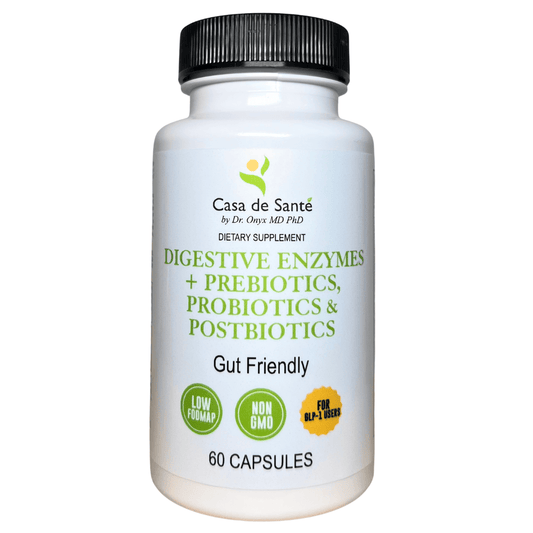
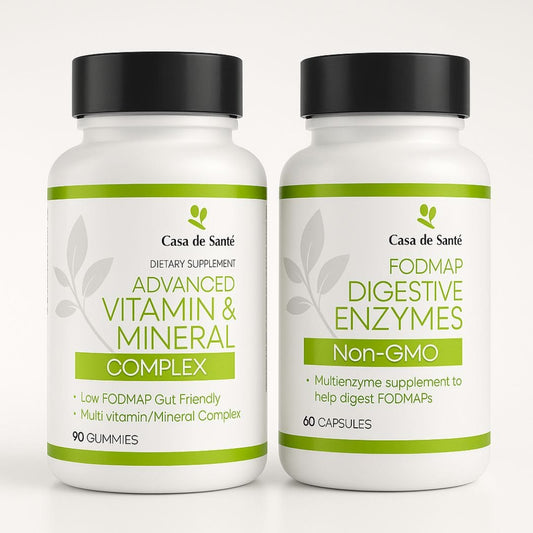
In my clinical practice, I often recommend a targeted digestive enzyme supplement like Casa de Sante FODMAP Digestive Enzymes for patients dealing with delayed gastric emptying and post-meal fullness. While these enzymes do not directly drain facial fluid, optimizing upper GI breakdown significantly reduces the gastrointestinal distress and fluid pooling frequently accompanying GLP-1 therapy.
Practical Strategies to Prevent and Treat GLP-1 Puffy Face
Mitigating morning facial swelling requires a targeted physiological approach rather than harsh cosmetic interventions. By stabilizing how your body handles water and electrolytes, you can minimize or eliminate this side effect.
- Consistent Hydration: Aim for 2.5 to 3 liters of water daily. Dehydration tricks the kidneys into retaining water, worsening morning puffiness.
- Stable Sodium Intake: Avoid erratic swings between extremely high-salt meals and zero-salt dieting. Consistent, moderate sodium intake prevents the body from triggering emergency water-retention hormones.
- Adequate Protein Consumption: Consume at least 1.2 to 1.5 grams of protein per kilogram of body weight daily. Dietary protein maintains plasma colloid osmotic pressure, keeping fluid inside your blood vessels rather than leaking into facial tissues.
- Nighttime Elevation: Sleep with the head of your bed elevated by 6 inches. Gravity naturally assists nocturnal lymphatic drainage from the head and neck, preventing fluid pooling around the eyes.
To support overall GI motility and barrier function while on these medications, incorporating a clinically formulated option like Advanced Probiotics GI Support is a strategy I frequently use with my patients. This does not cure facial edema overnight, but a balanced microbiome supports systemic inflammation pathways and gut-immune homeostasis.
When Facial Swelling Signals Something More Serious
While routine fluid retention is benign, it is critical to distinguish standard morning puffiness from acute allergic reactions. If facial swelling involves the lips, tongue, throat, or is accompanied by hives, skin rashes, or difficulty breathing, seek immediate emergency medical care. True angioedema is a rare but serious immune response to medication components and requires urgent evaluation.
For patients managing complex gastrointestinal side effects alongside metabolic changes, utilizing comprehensive care toolkits such as Casa de Sante Bundles provides a structured approach to dietary management and gut wellness. These bundles supply clean, tested formulations designed specifically for sensitive digestive systems without replacing essential medical therapies.
Frequently Asked Questions
Is a GLP-1 puffy face permanent?
No. Unlike structural fat loss, fluid-induced facial puffiness fluctuates and typically resolves as your body adapts to the medication or when you adjust hydration and sodium intake.
Why does my face look swollen only in the mornings after taking semaglutide?
Horizontal sleeping positions decrease lymphatic drainage from the head and neck. When combined with delayed gastric emptying and nocturnal fluid shifts from GLP-1 use, facial edema becomes prominent upon waking.
How does semaglutide or tirzepatide cause water retention?
These medications influence renal sodium handling and autonomic tone. When appetite drops sharply, erratic food and fluid intake can trick the kidneys into conserving water and sodium.
How can I tell the difference between "Ozempic face" and fluid retention?
"Ozempic face" involves a sunken, hollowing appearance from fat loss. A puffy face involves tight, swollen skin, periorbital edema, and changes that fluctuate day-to-day.
Should I stop taking my GLP-1 if my face is puffy?
Not usually. Mild facial puffiness is generally harmless. However, you should consult your prescribing physician to evaluate your dose, hydration status, and rule out rare allergic reactions.
Can gut health supplements help with GLP-1 side effects?
While supplements do not directly drain facial fluid, supporting upper and lower GI function with digestive enzymes and probiotics mitigates bloating, systemic inflammation, and erratic absorption.
Medical Disclaimer: This article is for informational purposes only and does not constitute medical advice, diagnosis, or treatment. Always seek the advice of your physician or other qualified health provider with any questions or concerns regarding a medical condition or prescription medication.