The Best Probiotic for IBS Bloating During Travel Season




The absolute best probiotic for IBS bloating during travel season is a strain-specific formulation containing Bifidobacterium infantis 35624, Lactobacillus plantarum 299v, or Saccharomyces boulardii, initiated two to four weeks before departure. As a physician-scientist, I see patients every single week whose predictable gut routines collapse the moment they board a plane, cross time zones, or check into a hotel. Travel introduces circadian disruption, changes in local water, altered dietary intake, and enteric nervous system activation that triggers severe abdominal distension, excessive flatulence, and painful cramping. Choosing the right targeted microbial support can protect your gut microbiome long before symptoms start.
Key Takeaways
- Timing is Everything: Start your chosen strain-specific probiotic 2 to 4 weeks before your trip to allow microbial colonization and barrier reinforcement.
- Strain Specificity Matters: Generic multi-strain formulas often lack clinical backing for irritable bowel syndrome. Look for researched strains like B. infantis 35624 or L. plantarum 299v.
- Check the Excipients: Always read ingredient labels to avoid hidden inulin or FOS (fructo-oligosaccharides), which act as rapid gas producers in an IBS-prone gut.
- Combine for Success: Pair your daily probiotic with targeted digestive enzymes to manage restaurant meals away from home.
Finding the Best Probiotic for IBS Bloating During Travel Season
When you have irritable bowel syndrome, your gut is already operating on a razor-thin margin of stability. The intestinal epithelial barrier is frequently more permeable, and visceral hypersensitivity means that normal amounts of gas production cause abnormal, intense pain. When you add travel to this physiological baseline, the stress axis activates.
The brain-gut axis is mediated by the vagus nerve. Flying, altered sleep schedules, and anxiety over itineraries release corticotropin-releasing factor (CRF). CRF alters gut motility, speeds up or slows down transit time, and shifts the balance of resident microflora within hours. This creates an environment where opportunistic bacteria flourish, producing hydrogen and methane gases that distend the abdominal wall.
Off-the-shelf, generic probiotics boasting fifty different strains and one hundred billion colony-forming units (CFUs) often fail during travel. In fact, many of these massive multi-strain blends cause worse bloating because they contain high concentrations of fermentable fibers as fillers. To protect your digestive tract, you must look beyond marketing hype and select targeted, clinically tested therapeutics.
Strain Specifics Matter: What Clinical Trials Tell Us
In gastroenterology research, we do not speak of probiotics as a monolith. Different species—and even different strains within the same species—behave entirely differently inside the human gastrointestinal tract. If you want to identify the best probiotic for IBS bloating during travel season, you must evaluate the clinical data behind specific isolates.
1. Bifidobacterium infantis 35624
This particular strain has undergone rigorous evaluation in randomized controlled trials involving patients with irritable bowel syndrome. B. infantis 35624 adheres strongly to intestinal mucosal cells, reinforcing tight junction proteins and reducing low-grade mucosal inflammation. Clinical observations show that it significantly reduces composite scores of abdominal pain, bloating, and bowel movement dysfunction.
2. Lactobacillus plantarum 299v
Widely studied in European clinical centers, L. plantarum 299v produces high amounts of lactic acid and hydrogen peroxide, competitively inhibiting gas-producing pathogens. More importantly, trials demonstrate that this strain decreases mucosal gas production and normalizes bowel frequency, making it an excellent companion for erratic travel diets.
3. Saccharomyces boulardii
Technically a beneficial yeast rather than a bacterium, S. boulardii is exceptionally hardy. Because it is a fungus, it is unaffected by antibacterial agents, which makes it uniquely valuable if you are traveling to regions with a high risk of traveler's diarrhea. It produces polyamines that support enterocyte maturation and brush-border enzyme activity.
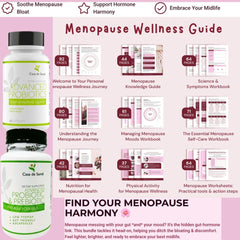
When choosing a high-quality supplement, look for products that guarantee potency through the expiration date rather than manufacturing date. Formulations like Casa de Sante Advanced Probiotics GI Support focus on delivering targeted, pure strains without the allergenic fillers that upset sensitive digestive systems. To be entirely transparent: this probiotic will help establish baseline microbial resilience and modulate immune activity in your gut, but it will not instantly neutralize a high-FODMAP meal eaten at an airport terminal.
Probiotics vs. Digestive Enzymes vs. Peppermint Oil for Travel
Patients frequently ask me whether they should pack probiotics, digestive enzymes, or enteric-coated peppermint oil for their upcoming trips. The truth is that these three interventions serve entirely different physiological mechanisms. They are not interchangeable; rather, they are complementary tools.
| Intervention | Primary Mechanism | Onset of Action | Best Used For |
|---|---|---|---|
| Targeted Probiotics | Modulates immune function, reinforces gut barrier, alters microbiome over time. | 2 to 4 weeks of consistent daily use | Long-term baseline stability and resilience against travel stress. |
| Digestive Enzymes | Breaks down complex carbohydrates, lactose, and fructans in the small intestine. | Immediate (taken with meals) | Preventing fermentation of trigger foods while dining out. |
| Peppermint Oil | Acts as a calcium channel blocker, relaxing smooth muscle in the colonic wall. | 30 to 60 minutes after ingestion | Acute cramping, spasms, and sudden post-meal distension. |
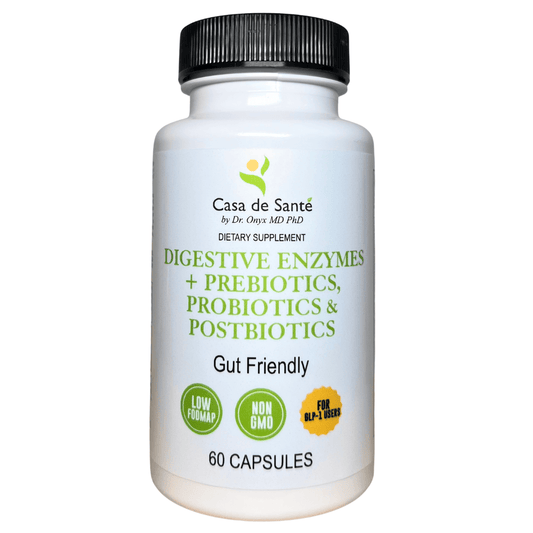
If you dine out at a restaurant while traveling, you cannot rely solely on a probiotic capsule taken that morning to protect you from hidden onions, garlic, or wheat. That is where targeted enzymatic support becomes essential. In my clinical practice, I often recommend a specialized digestive aid such as Casa de Sante FODMAP Digestive Enzymes. These broad-spectrum enzymes assist in breaking down difficult fermentable sugars before they reach the large intestine where resident microbes ferment them into gas and organic acids. Honest assessment: these enzymes are highly effective at neutralizing incidental FODMAP exposure during travel, but they cannot undo the systemic effects of eating an entirely high-FODMAP diet for an entire week.
Hidden Travel Triggers: Why You Must Avoid Inulin and FOS
One of the most common pitfalls I observe in clinical practice is patients purchasing a random probiotic at a pharmacy airport kiosk, only to experience severe, painful abdominal distension within hours of taking it. When we review the ingredient label, the culprit is almost always glaringly obvious: inulin or fructo-oligosaccharides (FOS).
Manufacturers frequently add prebiotics like inulin, chicory root extract, or FOS to probiotic supplements because these fibers act as food for the bacteria, keeping them alive on the shelf. However, for a person with irritable bowel syndrome, these short-chain carbohydrates are rapidly fermented by colonic bacteria. In a healthy gut, this fermentation causes minor, unnoticeable gas. In an IBS gut with visceral hypersensitivity and impaired motility, it causes immediate bloating, cramping, and severe discomfort.
When searching for the best probiotic for IBS bloating during travel season, always inspect the "Other Ingredients" section. Ensure the product is free of inulin, FOS, wheat starch, and artificial sugar alcohols like sorbitol or mannitol. Clean, hypoallergenic manufacturing standards are non-negotiable for sensitive digestive tracts.
Preparing Your Gut: A Step-by-Step Travel Protocol
Preparing your digestive system for a trip requires a structured, multi-week timeline. You cannot out-supplement a chaotic travel schedule if you ignore the foundational pillars of gut health.
- Initiate Microbial Support Early: Begin your targeted probiotic 30 days before departure. This window allows the beneficial strains to colonize mucosal niches and stabilize your gut barrier against the upcoming stressors of time zone changes and novel foods. For deeper guidance on managing your dietary intake on the road, review these low FODMAP travel tips.
- Audit Your Travel Pantry: Pack shelf-stable supplements that do not require refrigeration if you are flying across multiple time zones. Ensure your daily regimen includes both probiotic protection and enzyme coverage. Comprehensive kits like Casa de Sante Bundles offer an integrated approach by combining targeted probiotics and digestive enzymes into a single, cohesive travel routine.
- Prioritize Hydration and Electrolytes: Air travel causes significant fluid loss due to low cabin humidity. Dehydration slows colonic motility, concentrating stool and exacerbating gas pockets. Drink filtered water consistently throughout your flight.
- Protect Your Enteric Nervous System: Schedule downtime during your itinerary. High cortisol levels shut down digestive enzyme output and accelerate gut transit. Deep diaphragmatic breathing stimulates the vagus nerve, keeping your gastrointestinal tract calm.
Frequently Asked Questions
When should I start taking a probiotic before a trip?
You should start taking your targeted probiotic at least two to four weeks before your departure date. This timeframe gives the beneficial strains adequate opportunity to adhere to the intestinal epithelial lining and establish metabolic activity before you encounter travel-related stressors.
Can probiotics cause more bloating at first?
Yes, occasionally during the first few days of introducing a new bacterial strain, some individuals experience transient gas or mild changes in bowel habits as the microbiome shifts. If bloating is severe or persists past one week, the specific strain or added excipients may not be compatible with your unique gut microbiome.
Are refrigerated or shelf-stable probiotics better for travel?
Shelf-stable, freeze-dried probiotic capsules are generally superior for travel because they do not lose potency when exposed to ambient hotel or airplane temperatures. Modern manufacturing techniques ensure high viability without requiring constant refrigeration.
Should I continue my probiotic when I return home?
Yes. Maintaining your probiotic routine for at least two to four weeks after returning home helps your gut microbiome recover from post-travel dietary shifts, jet lag, and environmental changes, solidifying your long-term digestive stability.
Why do many commercial probiotics worsen my IBS symptoms?
Many commercial multi-strain probiotics include prebiotic fillers like inulin, chicory root, or FOS, or are formulated with high-FODMAP excipients. Furthermore, high bacterial counts of unresearched strains can overwhelm a sensitive, hypersensitive colon.
Can I take digestive enzymes and probiotics at the same time?
Absolutely. Probiotics work over weeks to support your gut lining and microbiome balance, while digestive enzymes work immediately inside the meal bolus to break down complex carbohydrates. Taking both provides comprehensive support while traveling.