The Best Probiotic for IBS Bloating After Eating Out





Finding the best probiotic for IBS bloating after eating out requires looking past generic multi-strain formulations to specific, clinically tested bacterial strains like Bifidobacterium infantis 35624 and Lactobacillus plantarum 299v. These targeted strains require at least four weeks of consistent daily supplementation to alter gut fermentation pathways, strengthen the intestinal barrier, and dampen visceral hypersensitivity. In my clinical practice, matching the precise bacterial strain to the symptom profile remains the single most effective strategy for managing unpredictable post-meal flare-ups.
Last updated: October 2023 | By Dr. Onikepe Adegbola, MD PhD
Key Takeaways
- Strain Specificity Matters: Generic store-brand probiotics often worsen IBS symptoms. Look for scientifically validated strains like Bifidobacterium infantis 35624 and Lactobacillus plantarum 299v.
- Avoid Inulin and FOS: Many commercial formulas include prebiotics such as inulin or fructooligosaccharides (FOS), which rapidly ferment in sensitive colons and trigger severe gas.
- Timeline is Critical: Probiotics do not work overnight. They require a minimum of 4 weeks of daily use to establish colonization and reduce gut reactivity.
- Targeted Interventions: Probiotics build long-term resilience, whereas digestive enzymes and enteric-coated peppermint oil offer acute, meal-specific relief for restaurant dining.
Dining out should be a joyful social experience, yet for millions of individuals living with irritable bowel syndrome (IBS), it triggers anxiety and physical misery. You order a seemingly safe meal, only to feel your abdomen distend within an hour of leaving the restaurant. Your clothes suddenly feel two sizes too tight, sharp cramps radiate across your lower abdomen, and trapped gas refuses to dissipate. Patients frequently ask me why a restaurant meal causes such dramatic distention compared to home-cooked food, and more importantly, how targeted supplementation can prevent it.
Why Restaurant Meals Trigger Severe IBS Flares
To understand why restaurant food is uniquely challenging for an irritable gut, we must examine how commercial kitchens operate. Restaurant dishes rely heavily on flavor bases containing concentrated garlic and onion powders. These ingredients are rich in fructans, a type of fermentable oligosaccharide that humans cannot fully digest. When these undigested carbohydrates reach your large intestine, resident bacteria ferment them rapidly, producing large volumes of hydrogen, methane, and carbon dioxide gases.
Furthermore, restaurant dishes often feature elevated fat levels. Dietary fat stimulates the gastrocolic reflex and slows gastric emptying. In a healthy gut, this process occurs smoothly. In an IBS gut characterized by visceral hypersensitivity and altered motility, delayed gastric emptying combined with rapid bacterial fermentation creates a trap. Gas accumulates, the intestinal wall stretches against hypersensitive nerve endings, and severe bloating ensues.
Clinical data indicates that up to 70 percent of individuals with IBS experience symptom exacerbation following restaurant meals due to these hidden triggers. Relying solely on dietary restriction at restaurants is exhausting and frequently fails because hidden ingredients lurk in sauces, dressings, and marinades. This reality highlights the need for biological defenses, starting with your baseline microbial ecosystem.
Choosing the Best Probiotic for IBS Bloating After Eating Out
When patients search for the best probiotic for IBS bloating after eating out, they often purchase the product with the highest colony-forming unit (CFU) count on the shelf. This approach is fundamentally flawed. Pouring fifty billion generic bacteria into an inflamed gut often increases gas production and worsens bloating.
Effective probiotic therapy depends entirely on strain specificity. Decades of gastroenterology research point to two standout strains:
- Bifidobacterium infantis 35624: This specific strain adheres to the intestinal mucosa and exerts anti-inflammatory effects. Clinical trials demonstrate that it significantly reduces composite scores of abdominal pain, bloating, and gas in IBS patients compared to placebo. It helps regulate the immune response within the gut wall, calming visceral hypersensitivity.
- Lactobacillus plantarum 299v: Proven to bind strongly to human intestinal cell lines, this strain competitively inhibits pathogenic bacteria and reduces gas production. Studies show it helps normalize bowel habits and decreases abdominal distension after meals.
Equally important is what your probiotic excludes. You must strictly avoid formulations containing inulin, chicory root, or FOS. While these prebiotics feed beneficial bacteria in healthy individuals, they act as fuel for rapid gas production in an IBS colon. For a deeper dive into how fermentable carbohydrates impact your system, read our guide on understanding FODMAPs and IBS.
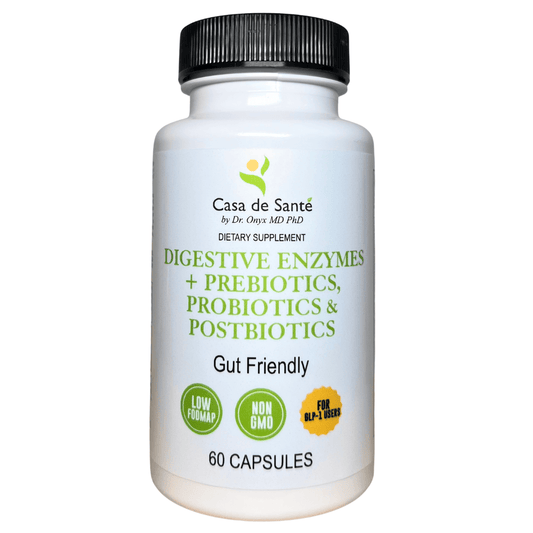
For patients seeking a daily baseline supplement that avoids fermentable fibers, I recommend Advanced Probiotics GI Support. It delivers high-potency, targeted strains without added prebiotics like inulin or FOS. It does not replace the need for dietary mindfulness, but it provides a reliable foundation for gut microbial balance over a consistent four-week trial period.
Comparing Probiotics, Digestive Enzymes, and Peppermint Oil
Patients often confuse daily supplements with acute interventions. Probiotics are not designed to rescue you mid-meal; they alter your baseline gut environment over weeks. To manage restaurant exposures effectively, you must understand how different botanical and enzymatic tools compare.
| Intervention | Mechanism of Action | Best Used For | Timeline to Effect |
|---|---|---|---|
| Targeted Probiotics | Modulates gut flora, dampens mucosal inflammation, reduces gas production. | Long-term baseline reduction of daily bloating and visceral hypersensitivity. | 3 to 4 weeks of daily use. |
| Digestive Enzymes | Breaks down complex carbohydrates (FODMAPs) before bacteria can ferment them. | Immediate protection against hidden onion, garlic, and dairy in restaurant meals. | Immediate (take with the first bite of food). |
| Peppermint Oil | Acts as an antispasmodic, relaxing smooth muscle tissue in the intestinal wall. | Calming acute cramping and post-meal spasms after eating out. | 30 to 60 minutes after ingestion. |
Acute Relief: Enzymes and Peppermint Oil for Restaurant Dinners
While establishing a daily probiotic routine protects your gut over the long term, dining out requires immediate tactical tools. When you cannot verify the ingredients in a restaurant sauce, digestive enzymes serve as your first line of defense. They break down complex disaccharides, polysaccharides, and FODMAPs into simple, absorbable sugars before your resident microbes have a chance to ferment them.
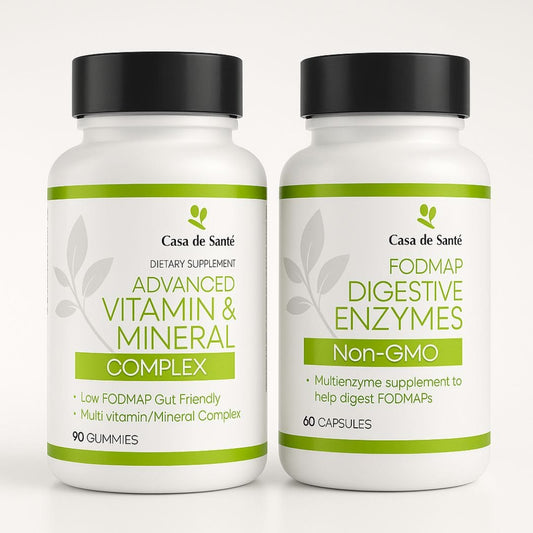
When dining out where hidden onion and garlic are unavoidable, pairing your meal with targeted enzymes can prevent acute distention. I often suggest Casa de Sante FODMAP Digestive Enzymes. This formulation is designed to break down hard-to-digest carbohydrates like lactose, fructans, and galactans. While it does not cure underlying gut dysbiosis, it acts as a protective shield during social meals.
If cramping and spasms occur despite your best efforts, enteric-coated peppermint oil provides reliable relief. Menthol acts as a natural calcium channel blocker in intestinal smooth muscle, halting painful spasms. Learn more about how this botanical works by reviewing our clinical overview on peppermint oil for IBS cramping.
Building Your Personal Protocol for Dining Out Safely
Managing post-eating IBS symptoms requires a structured, multi-layered approach rather than a single quick fix. In my clinical protocol, I advise patients to follow a clear daily and situational schedule:
- Daily Baseline: Take a targeted probiotic containing clinically validated strains every morning with water. Maintain this consistency for at least 30 days before evaluating its efficacy.
- Mealtime Preparation: Keep digestive enzymes in your bag or pocket. Swallow them immediately before your first bite of any restaurant meal where ingredient sourcing is uncertain.
- Symptom Management: Keep enteric-coated peppermint oil capsules on hand to manage sudden cramping or minor distention on the ride home.
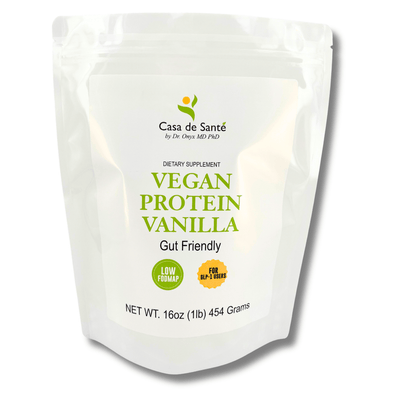
Patients frequently ask how to combine these strategies cohesively. For a complete approach that pairs baseline microbial support with acute mealtime defenses, options such as Casa de Sante Bundles offer curated combinations. These bundles streamline your supplement routine without promising a miracle cure—they simply provide the physiological tools your gut needs to handle restaurant exposures more comfortably.
Frequently Asked Questions
Can I just take any probiotic I buy at the grocery store for IBS bloating?
No. Most commercial grocery store probiotics contain generic strains formulated for general wellness rather than IBS. Many also include prebiotic fibers like inulin or FOS, which frequently worsen gas and bloating in sensitive individuals. Always look for strain-specific clinical data.
Why do some probiotics make my bloating worse after eating?
If a probiotic contains high CFU counts of unverified strains or includes fermentable prebiotic fillers, it can accelerate gas production in the colon. Additionally, introducing any new organism can cause temporary adjustment gas during the first week of use.
How long do I need to take a probiotic before I notice less restaurant-induced bloating?
Clinical trials indicate that targeted strains like Bifidobacterium infantis 35624 require a minimum of four weeks of continuous daily supplementation to colonize effectively and modulate visceral hypersensitivity. Do not expect immediate results from a probiotic taken sporadically.
Should I take a digestive enzyme or a probiotic before eating out?
They serve entirely different purposes. Take your probiotic daily as part of your morning routine to build long-term microbial resilience. Take a digestive enzyme immediately before your restaurant meal to break down hidden FODMAPs and prevent acute gas formation.
Are there specific food ingredients at restaurants that consistently trigger IBS bloating?
Yes. Fructans and GOS found in garlic and onion powders are the most common culprits. Excess dietary fat, high-fructose corn syrup, and artificial sugar alcohols (sorbitol, xylitol) found in restaurant desserts and sauces also frequently trigger severe bloating.
Can I take probiotics indefinitely, or do I need to cycle them?
For most individuals with chronic IBS, continuous daily use of a targeted strain is safe and necessary to maintain microbial shifts. If you discontinue the probiotic, your gut microbiome typically returns to its baseline state within a few weeks.
Medical Disclaimer: This article is for informational purposes only and does not constitute medical advice, diagnosis, or treatment. Always consult with a qualified healthcare provider before starting any new dietary supplement, probiotic, or enzyme regimen, especially if you have an underlying medical condition or are taking prescription medications.