The Best Digestive Enzyme for Ribs and Brisket: A Physician's Guide





Last updated: May 2024. By Dr. Onikepe Adegbola, MD PhD.
If you experience severe bloating, upper abdominal fullness, or cramping after eating heavy barbecue, the best digestive enzyme for ribs and brisket is a broad-spectrum formula featuring high-potency protease and lipase taken at the very first bite. These specific enzyme classes break down dense muscle proteins and high amounts of saturated animal fat before they overwhelm your natural pancreatic output.
- The Core Solution: A broad-spectrum digestive enzyme containing robust protease and lipase is essential for handling fatty, protein-dense smoked meats.
- Timing Matters: Enzymes must be ingested at the very first bite, not after discomfort starts, so they can mix thoroughly with the chyme.
- Mechanism vs. Antacids: Unlike antacids that suppress stomach acid, digestive enzymes actively supplement your body's natural breakdown capacity for fats and proteins.
- Clinical Caveats: Individuals with acute pancreatitis, active peptic ulcers, or severe gallbladder disease must consult a physician before using targeted enzyme therapy.
Why Barbecue Puts Such a Heavy Burden on Your Gut
As a physician-scientist trained at Johns Hopkins, I frequently evaluate patients who love smoked meats but suffer dearly for hours afterward. A standard half-pound serving of Texas-style brisket or St. Louis pork ribs can easily pack between 35 and 60 grams of fat, alongside a dense matrix of tightly bound muscle fibers and collagen. When you consume a meal of this magnitude, your stomach and pancreas must work overtime.
Your pancreas normally releases pancreatic lipase to split fats into absorbable fatty acids and proteolytic enzymes to break proteins into single amino acids and small peptides. However, the sheer density of slow-smoked barbecue overwhelms normal physiological capacity. Fat delays gastric emptying. It triggers a hormonal response that slows down motility, leaving that heavy meal sitting in your stomach for hours. This delay breeds fermentation, gas, and that uncomfortable rock-like sensation in your upper abdomen.
If you have underlying sensitivities, irritable bowel syndrome (IBS), or sluggish pancreatic output, eating barbecue without targeted support can ruin your evening. Finding the best digestive enzyme for ribs and brisket changes this physiological equation entirely.
What Makes the Best Digestive Enzyme for Ribs and Brisket?
Not all supplements are created equal. Walk down any supplement aisle, and you will find single-ingredient papaya enzymes or weak herbal blends that do little against a plate of smoked beef. To properly tackle heavy barbecue, a supplement must contain specific enzyme classes at clinical thresholds.
Here is what you need to look for on the supplement facts label:
- Protease (Fungal and Acid-Stable): Brisket and ribs are loaded with tough connective tissue and muscle protein. Acid-stable protease begins breaking down these peptide bonds right inside the acidic environment of the stomach before the food even reaches the small intestine. Look for potencies measured in HUT (Hemoglobin Unit Tyrosine base) exceeding 20,000 to 50,000 HUT per serving.
- Lipase: This is the workhorse for fat digestion. Lipase cleaves dietary triglycerides into monoglycerides and free fatty acids. Without sufficient lipase, the rendered fat in brisket coats other food particles, blocking access for other enzymes. Look for lipase measured in FIP or LU units.
- Fungal Alpha-Galactosidase and Cellulase: While meats do not contain fiber, barbecue is almost always served with dry rubs containing garlic, onion, and various spices rich in fermentable oligosaccharides. Adding targeted carbohydrate enzymes prevents the inevitable gas and bloating caused by barbecue rubs and side dishes.
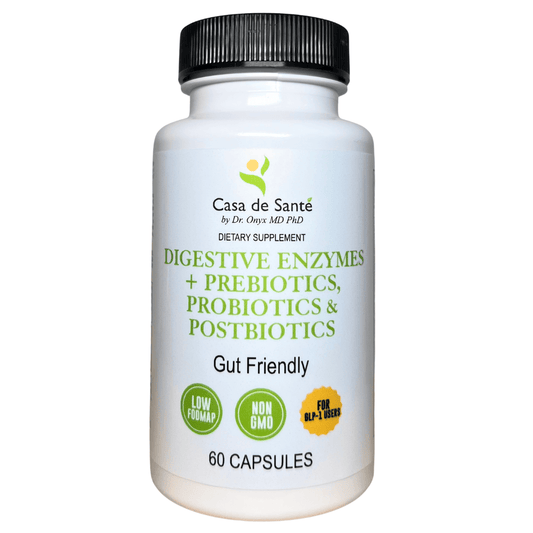
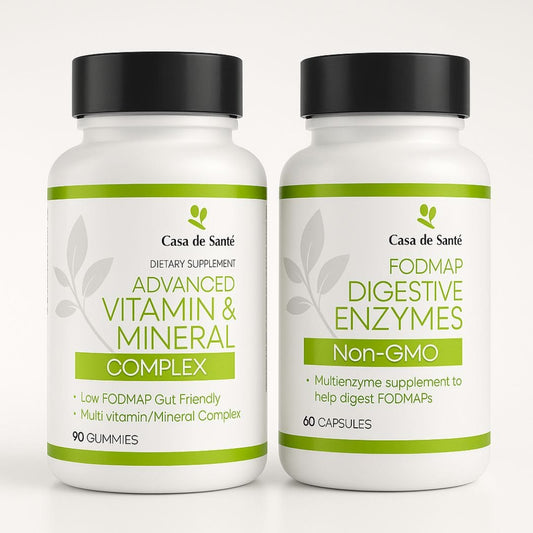
In my clinical practice, I often recommend a targeted formulation like Casa de Sante FODMAP Digestive Enzymes for patients who struggle to digest complex meals without experiencing post-meal distress. These enzymes assist in breaking down difficult macronutrients, though they are designed to support normal digestive function rather than treat underlying structural gastrointestinal diseases.
Enzyme Support vs. Other Digestive Aids: A Clinical Comparison
Patients often ask me whether they should take digestive enzymes, ox bile, antacids, or betaine HCl when preparing to eat a heavy meal. Each of these agents serves a distinct purpose, but they operate through entirely different physiological pathways.
| Aid Type | Primary Mechanism | Best Use Case | Clinical Limitations |
|---|---|---|---|
| Broad-Spectrum Digestive Enzymes | Supplements endogenous protease, lipase, and amylase to break down food macros. | Heavy, fatty, or complex meals like ribs, brisket, and large proteins. | Does not cure underlying medical conditions or replace lost pancreatic tissue. |
| Ox Bile Extract | Emulsifies fats directly, acting as a detergent to prep lipids for lipase action. | Individuals with gallbladder removal (cholecystectomy) or low bile output. | Can cause diarrhea if dosing is too high; unnecessary for people with normal gallbladder function. |
| Antacids / PPIs | Neutralizes gastric acid or shuts down acid pump production. | Acute acid reflux or diagnosed GERD. | Worsens indigestion of heavy meats by further lowering the stomach's ability to denature proteins. |
| Betaine HCl | Increases hydrochloric acid levels in the stomach. | Hypochlorhydria (low stomach acid) confirmed by clinical testing. | Can burn the esophageal lining or exacerbate gastritis if misused. |
When eating smoked meats, reaching for antacids is typically counterproductive. Meat digestion requires an acidic environment (pH 1.5 to 3.5) to activate pepsin and efficiently denature muscle proteins. Suppressing acid while eating a pound of brisket guarantees prolonged stagnation. Instead, utilizing the best digestive enzyme for ribs and brisket allows your body to process the fats and proteins in an optimal environment without shutting down crucial stomach acid.
Practical Portion Tips and Timing for Smoked Meats
Enzymes are powerful biochemical tools, but they are not magic shields that allow unlimited consumption without consequence. To protect your gastrointestinal tract while enjoying gourmet barbecue, combine smart supplementation with behavioral strategies.
- Time the Dosage Perfectly: Take your broad-spectrum enzyme supplement 0 to 5 minutes before your first bite. This ensures that the capsules dissolve right as the food enters the stomach, allowing the enzymes to intimately mix with the incoming bolus of meat and fat. Taking them 30 minutes after you finish eating drastically reduces their efficacy.
- Moderate Your Portion Sizes: Even with high-potency lipase, your digestive tract has finite processing speeds. Aim for a sensible portion of 4 to 6 ounces of brisket or ribs rather than a whole pound. Pair your meat with easily digestible, low-FODMAP sides rather than heavy, cream-based or high-onion salads.
- Hydrate Strategically: Sip room-temperature water or herbal tea during your meal. Avoid chugging massive quantities of ice-cold sugary beverages, which can temporarily lower gastric temperature and dilute enzymatic activity.
To support your overall microbiome resilience during heavier dietary days, maintaining daily gut health routines is paramount. For long-term gut support, many of my patients incorporate Advanced Probiotics GI Support into their morning regimen. These targeted strains help maintain a balanced intestinal barrier, though they work synergistically alongside lifestyle habits rather than acting as an immediate remedy for isolated heavy meals.
Who Should Avoid Digestive Enzymes?
While over-the-counter digestive enzymes are remarkably safe for the general population, certain medical contexts require professional oversight. You should consult a gastroenterologist or primary care physician before taking high-potency protease or lipase supplements if you fall into any of the following categories:
- Active Peptic Ulcer Disease: Protease enzymes break down protein tissue. If you have an active gastric or duodenal ulcer, concentrated proteolytic enzymes can irritate the exposed lesion and cause pain.
- Acute or Chronic Pancreatitis: If your pancreas is actively inflamed, introducing exogenous enzymes requires strict medical management to avoid compounding glandular stress.
- Known Allergies to Aspergillus: Many commercial enzymes are derived from fungal cultures like Aspergillus niger or Aspergillus oryzae. If you have a known mold sensitivity or fungal allergy, look for plant-derived or microbial alternatives.
For individuals managing complex overlap syndromes like IBS alongside unpredictable food triggers, taking a comprehensive, structured approach yields the best outcomes. Exploring curated care packages like Casa de Sante Bundles can provide a multi-faceted toolkit for ongoing dietary management, combining enzymes, prebiotics, and low-FODMAP pantry staples to keep your digestive system calm.
Frequently Asked Questions
1. When exactly should I take my digestive enzyme when eating brisket?
You should take your digestive enzyme capsule right at the first bite of your meal, or up to 5 minutes before eating. This ensures that the enzymes dissolve and disperse evenly throughout the food mass as it enters the stomach.
2. Can digestive enzymes replace my gallbladder if it has been removed?
No. Digestive enzymes supplement protein, fat, and carbohydrate breakdown, but they do not replace bile acids produced by the liver and stored in the gallbladder. Individuals without a gallbladder often benefit from combining broad-spectrum enzymes with ox bile extracts, provided they discuss this with their physician.
3. Will taking enzymes for heavy meals cause my pancreas to stop working?
There is no clinical evidence showing that taking supplemental digestive enzymes causes the pancreas to become "lazy" or stop producing its own enzymes. Pancreatic output is regulated by hormonal and neural signals tied to the food entering your small intestine.
4. Why do I still feel bloated even after taking a cheap enzyme supplement?
Many inexpensive over-the-counter enzymes lack sufficient units of lipase and acid-stable protease, or they are destroyed by stomach acid before they can act. Furthermore, barbecue rubs often contain high amounts of garlic and onion powder, which require targeted alpha-galactosidase enzymes to prevent gas formation.
5. Are enzymes safe to use every day?
Yes, high-quality digestive enzymes derived from fungal or plant sources are generally safe for daily use with meals, especially for individuals with chronic functional GI disorders, exocrine insufficiency, or food sensitivities.
Medical Disclaimer: This article is for informational and educational purposes only and does not constitute medical advice, diagnosis, or treatment. Dr. Onikepe Adegbola, MD PhD, and Casa de Sante do not diagnose or treat medical conditions through this blog. Always consult your physician or qualified healthcare provider regarding any questions about a medical condition or dietary supplement regimen.