The Best Digestive Enzyme for Burnt Ends and Pulled Pork





Last updated: May 2024 | Written by Dr. Onikepe Adegbola, MD PhD
Finding the best digestive enzyme for burnt ends and pulled pork comes down to choosing a broad-spectrum formula containing high-potency proteases, lipases, and amylases taken right at the first bite. Barbecue is notoriously hard on the gut due to dense animal proteins, rendered fats, and hidden high-FODMAP ingredients like garlic and onion in sweet sauces. When you sit down to a plate of slow-smoked brisket burnt ends and molasses-glazed pulled pork, your gastrointestinal tract faces a massive biochemical challenge.
Key Takeaways
- The Core Need: Heavy barbecue requires a broad-spectrum enzyme containing protease (for meat proteins), lipase (for rendered fats), and amylase (for starches and rubs).
- Timing Matters: Enzymes must be ingested with the very first bite of food to mix effectively with chyme in the stomach.
- The Hidden FODMAP Trap: Popular regional barbecue sauces frequently contain high fructose corn syrup, garlic puree, and onion powder, triggering bloating in sensitive individuals.
- Beyond Antacids: Neutralizing stomach acid with antacids often worsens barbecue digestion because stomach acid is required to activate pepsin and signal pancreatic enzyme release.
The Physiology of a Barbecue Feast
As a physician-scientist, patients frequently ask me why a meal that brings so much joy can lead to hours of abdominal distension, gas, and discomfort. The answer lies in human digestive physiology. Pulled pork is derived from the pork shoulder, a cut packed with connective tissue, collagen, and intramuscular fat. Burnt ends are caramelized cubes cut from the point end of a smoked beef brisket—a masterpiece of charred fat and protein.
When you consume 30 to 50 grams of fat and protein in a single sitting, your stomach must slow its emptying rate to process the caloric load. This physiological response is called the enterogastric reflex. Fats stimulate the release of cholecystokinin (CCK), a hormone that signals the gallbladder to contract and release bile acids while commanding the pancreas to secrete digestive enzymes. However, if your endogenous enzyme output is stretched thin by aging, chronic stress, low-grade gut inflammation, or irritable bowel syndrome (IBS), your pancreas struggles to keep up.
Unerringly, undigested proteins and fats pass into the large intestine. There, resident bacteria ferment the macronutrients, producing excess hydrogen, methane, and hydrogen sulfide gases. The result is the classic post-barbecue misery: cramping, sulfurous burps, and severe bloating.
Why You Need the Best Digestive Enzyme for Burnt Ends and Pulled Pork
To prevent this downstream fermentation, you need exogenous support. Searching for the best digestive enzyme for burnt ends and pulled pork requires looking past single-ingredient supplements like lactase or papain. You need a multi-action approach that mirrors your body's natural digestive secretions.
Here is what the three primary enzymes in a quality supplement accomplish during a heavy meal:
- Proteases: These specialized catalysts break down complex peptide bonds in tough meats like brisket and pork shoulder, converting long-chain proteins into absorbable amino acids and small peptides. Without adequate protease activity, large protein structures reach the colon intact, fueling putrefactive bacteria.
- Lipases: Lipase is the workhorse for high-fat barbecue. It cleaves triglycerides into free fatty acids and monoglycerides. When fat digestion is incomplete, unabsorbed lipids coat the stool, leading to steatorrhea, urgent bowel movements, and cramping.
- Amylases and Carbohydrases: Sweet barbecue rubs often feature brown sugar, honey, and starches. Furthermore, if you pair your meat with white bread, corn, or baked beans, amylase steps in to break complex carbohydrates down into simple sugars before they can ferment.
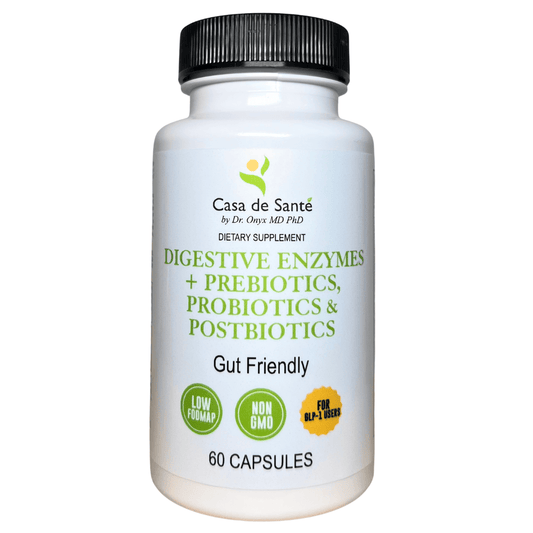
In my clinical practice, I often guide patients toward targeted support when managing heavy meals. For everyday digestive resilience against complex proteins and fats, incorporating a specialized formulation such as Casa de Sante FODMAP Digestive Enzymes helps bridge the gap between weak endogenous output and demanding culinary choices. Please note: while this supplement efficiently assists in breaking down common dietary triggers, proteins, and fats, it does not cure underlying structural gastrointestinal diseases or grant immunity to overeating.
The Hidden FODMAP Trap in Regional Barbecue Sauces
Even if your pancreas produces pristine amounts of lipase and protease, you might still experience severe bloating after a barbecue meal due to sauce ingredients. Traditional barbecue sauces are flavor bombs loaded with high-FODMAP ingredients.
Garlic and onion powder are staples in almost every commercial rub and regional sauce style, from Kansas City sweet to Texas mop sauce. These aromatics contain fructans—oligosaccharides that humans lack the enzymes to break down in the small intestine. When fructans meet colonic bacteria, rapid fermentation occurs.
Furthermore, many commercial sauces replace cane sugar with high fructose corn syrup (HFCS). Fructose malabsorption is remarkably common, affecting up to forty percent of adults. When excess fructose enters the small bowel without adequate transport proteins, it pulls water into the lumen and feeds gas-producing microbes.
If you are managing IBS or a sensitive gut, pairing your protein with a low-FODMAP lifestyle approach is essential. For further reading on managing these triggers, explore our detailed guide on navigating the low FODMAP diet.
Comparing Digestive Support Options
Patients often confuse digestive enzymes with other over-the-counter gastrointestinal remedies. Choosing the wrong tool for heavy barbecue can worsen symptoms. The matrix below contrasts digestive enzymes with other common interventions.
| Intervention Type | Primary Mechanism | Best Used For | Clinical Limitations |
|---|---|---|---|
| Broad-Spectrum Digestive Enzymes | Supplements missing proteins, fats, carbs, and FODMAP-breaking enzymes. | Heavy, fatty, high-protein meals like barbecue, steaks, and holiday feasts. | Must be taken right at the first bite; does not stop overeating consequences. |
| Ox Bile Supplements | Adds exogenous bile salts to emulsify dietary fats. | Individuals with gallbladder removal (cholecystectomy) or low bile acid output. | Can cause diarrhea or burning if used without true fat malabsorption. |
| Antacids (Calcium Carbonate / PPIs) | Neutralizes stomach acid or suppresses acid production. | Acute acid reflux, heartburn, or GERD flare-ups. | Impairs protein digestion and downregulates pancreatic enzyme release. |
| Lactase Enzyme | Breaks down lactose sugar into glucose and galactose. | Dairy consumption (mac and cheese or creamy sides at a BBQ joint). | Useless for meat, fats, and non-dairy FODMAPs. |
As the table demonstrates, if your primary issue with pulled pork and burnt ends is the heavy protein and fat load combined with hidden sauce ingredients, antacids are counterproductive. Suppressing stomach acid starves your digestive cascade of the low pH required to activate pepsin, leaving heavy meats to sit fermenting in the stomach.
The Importance of Gut Microbiome Resilience
While enzymes handle the immediate chemical breakdown of your meal, your long-term digestive resilience depends heavily on the health of your resident microbiome. Chronic exposure to processed sugars, heavy fats, and artificial additives can alter microbial ratios, tipping the balance toward inflammatory species.
To support sustained gut health and reinforce the intestinal barrier against occasional dietary indiscretions, daily microbiome maintenance is valuable. Incorporating a research-backed probiotic can help foster a resilient internal environment. For ongoing maintenance, a clinical-grade option like Advanced Probiotics GI Support supplies targeted strains designed to support epithelial integrity and immune function in the gut. Please note: this probiotic supports overall microbial balance and barrier function, but it does not act as an immediate antidote or enzyme replacement for a high-fat meal.
Practical Strategies for Enjoying Barbecue Comfortably
Taking enzymes is only one piece of the puzzle. Combining biochemical support with mindful eating strategies ensures your body handles rich foods smoothly. Follow these concrete guidelines during your next cookout:
- Time Your Dose Precisely: Take your broad-spectrum enzyme capsule 0 to 5 minutes before your first bite of burnt ends or pulled pork. Taking enzymes halfway through a meal means the food has already entered the duodenum unassisted.
- Control the Portion Ratio: Keep your serving sizes sensible. Aim for a 4 to 6-ounce portion of meat rather than a full pound. Pair it with low-FODMAP, fiber-balanced sides like steamed green beans or roasted carrots instead of heavy coleslaw made with high-FODMAP onion-laced dressing.
- Opt for Vinegar-Based Sauces: If you have a choice of regional sauces, select Carolina-style vinegar and pepper sauces or mustard-based sauces over thick Kansas City tomato-molasses sauces, which are packed with high-fructose corn syrup and garlic.
- Pace Your Eating: Chewing thoroughly is an underrated digestive tool. Mechanical mastication mixes food with salivary amylase and signals the vagus nerve to prepare the stomach for acid and enzyme release.
- Hydrate Wisely: Avoid drinking large volumes of ice-cold water or soda during the meal, as excess liquid can dilute gastric juices and enzymes. Sip warm water or herbal tea instead.
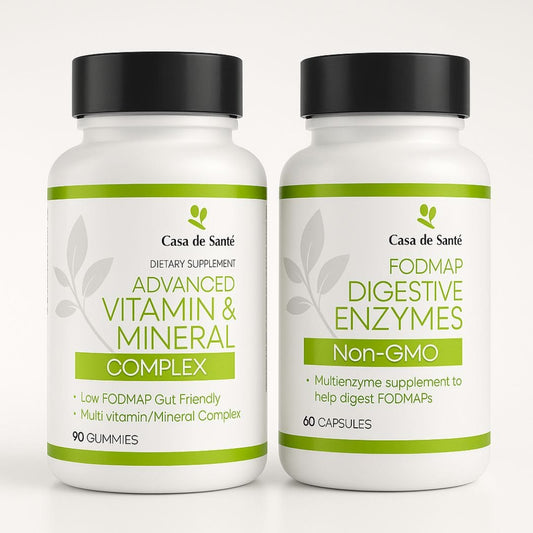
For individuals looking to build a comprehensive kitchen and supplement routine that addresses multiple facets of digestive wellness—from enzyme support to low-FODMAP pantry staples—utilizing curated therapeutic systems can simplify management. You can examine options within our structured Casa de Sante Bundles. Please note: these bundles provide supportive tools for dietary management, but they do not replace medical evaluation for chronic gastrointestinal disorders.
Frequently Asked Questions
1. Can I take standard lactase if my pulled pork is served with mac and cheese?
Lactase will assist with the dairy in the macaroni and cheese, but it will have zero effect on the pork shoulder or barbecue sauce. If you struggle with both dairy and heavy meats, you need a broad-spectrum enzyme blend that includes protease, lipase, and amylase alongside lactase.
2. Why do burnt ends cause more reflux than lean chicken breast?
Burnt ends consist of brisket point meat, which has a very high fat content and is often heavily caramelized with sugary rubs. High fat content delays gastric emptying, keeping food in the stomach longer and increasing intra-gastric pressure, which relaxes the lower esophageal sphincter and causes acid reflux.
3. Should I take my digestive enzyme before or after eating barbecue?
Enzymes must be taken immediately before or right at the first bite of food. This ensures the enzymes mix thoroughly with the bolus of food as it enters the stomach, allowing them to work effectively throughout the digestive tract.
4. Can digestive enzymes help prevent the next-day brain fog and fatigue from heavy meals?
Yes, incomplete protein and fat digestion can trigger low-grade immune activation and systemic inflammation from gut-derived endotoxins, often manifesting as post-prandial fatigue or brain fog. By ensuring complete breakdown and absorption of nutrients, enzymes reduce this burden on the immune and metabolic systems.
5. Are enzyme supplements safe to use every time I eat rich foods?
For most healthy individuals, high-quality, broad-spectrum digestive enzyme supplements are safe for regular use when consuming heavy or trigger meals. However, if you rely on them continuously for every single meal without relief, consult a gastroenterologist to investigate underlying conditions like exocrine pancreatic insufficiency (EPI).
6. Do barbecue rubs with garlic and onion require a special enzyme?
Standard animal-protein enzymes do not break down fructans found in garlic and onion. If you are sensitive to FODMAPs, look for a comprehensive enzyme blend that includes specialized microbial enzymes like alpha-galactosidase to assist with fermentable carbohydrates.
Conclusion
Savoring slow-smoked barbecue should not require paying a heavy physiological price later in the evening. By understanding the biochemistry of how your body processes high-fat meats, dense proteins, and hidden FODMAP sauces, you can take proactive control of your gut health. Choosing a broad-spectrum enzyme taken precisely at the first bite transforms how you experience rich meals like burnt ends and pulled pork. Listen to your body, practice mindful pacing, and support your digestive tract with targeted, science-backed solutions.
Medical Disclaimer: This article is for informational and educational purposes only and does not constitute medical advice. Dr. Onikepe Adegbola, MD PhD is a physician-scientist, not your personal physician. The information provided here is not intended to diagnose, treat, cure, or prevent any disease. Always consult with a qualified gastroenterologist or healthcare provider before starting any new supplement regimen or making significant dietary changes, especially if you have chronic gastrointestinal conditions such as IBS, IBD, or exocrine pancreatic insufficiency.