GLP-1 Temple Hollowing: Causes, Prevention, and Treatments





GLP-1 temple hollowing is a noticeable loss of subcutaneous fat in the temporal region caused by rapid overall weight loss from medications like semaglutide and tirzepatide. Because fat cells throughout the body shrink quickly when caloric intake drops precipitously, the temples—where fat deposits are naturally thin—exhibit this volume loss early and prominently.
As a physician-scientist trained at Johns Hopkins, I spend a significant portion of my clinical practice helping patients manage the physical changes that accompany metabolic improvements. While losing excess visceral and subcutaneous fat dramatically lowers cardiovascular and metabolic risk, aesthetic side effects like facial wasting can be distressing. Patients often come to my clinic asking why their face looks gaunt or older after starting a GLP-1 receptor agonist. Understanding the physiological mechanism behind this phenomenon allows us to address it proactively through targeted nutrition, slower titration schedules, and appropriate dermatological interventions.
Key Takeaways
- Root Cause: GLP-1 temple hollowing stems from rapid systemic fat loss and the unique anatomy of the superficial temporal fat pad.
- Prevention Strategies: Slower drug titration, higher protein consumption (1.2–1.5g/kg), and resistance training help preserve lean mass and facial volume.
- Treatment Choices: Options range from patience and weight stabilization to hyaluronic acid fillers and autologous fat grafting.
- Gut Health Connection: Slower gastric emptying on GLP-1s requires thoughtful nutritional support to ensure adequate protein absorption.
Understanding GLP-1 Temple Hollowing and Facial Fat Loss
To understand why weight loss medications alter facial contours, we must examine human fat distribution. Adipose tissue is not uniform across the body. We store fat in different compartments—deep visceral fat, superficial subcutaneous fat, and specialized facial fat pads. The face relies on distinct fat compartments for structural support and youthful contouring. These include the malar fat pads, buccal fat pads, and the superficial temporal fat pad.
When you take a GLP-1 receptor agonist, your appetite decreases significantly due to central nervous system signaling in the hypothalamus and delayed gastric emptying in the gut. This creates a caloric deficit. The body responds by mobilizing stored triglycerides from adipocytes across all fat depots for energy. Unfortunately, the body does not spot-reduce fat. It draws from the face just as readily as it draws from the abdomen or thighs.
The Anatomy of the Temporal Fossa
The temporal region—the area on the side of the head between the forehead and the ear—features very thin skin overlying the temporalis muscle and the superficial temporal fat pad. In younger individuals or those with a higher body mass index, this fat pad provides a smooth, convex transition from the cheek up to the hairline.
When systemic fat stores deplete rapidly, the superficial temporal fat pad shrinks. Because the overlying skin and temporal fascia have limited immediate elastic rebound—especially in adults over the age of forty—the overlying tissues sink inward. This creates a hollow, concave depression known clinically as temporal wasting or temple hollowing. For a broader look at how these medications influence systemic physiology, you can read our overview on navigating GLP-1 side effects and gut health.
Why Rapid Weight Loss Changes Facial Volume
Natural, gradual weight loss over several years allows skin and soft tissues time to adapt to changing volumes. Conversely, medications like semaglutide and tirzepatide can induce weight loss of 15% to 20% or more of total body weight within six to nine months. This accelerated timeline outpaces the skin's ability to undergo collagen remodeling and cellular adaptation.
Furthermore, dermal fibroblasts—the cells responsible for producing collagen and elastin—experience decreased mechanical stretch as subcutaneous volume drops. The combination of rapid adipocyte shrinkage and reduced dermal support makes glp-1 temple hollowing a frequent topic of discussion in modern endocrinology and dermatology clinics.
Preventing and Managing GLP-1 Temple Hollowing
While you cannot completely control where your body loses fat, you can influence the rate of loss and the preservation of supporting tissues. Proactive management begins before or immediately after starting a GLP-1 prescription.
Protein Targets to Protect Lean Tissue
One of the most common pitfalls I observe in clinical practice is inadequate protein intake among patients on weight loss injections. When appetite is suppressed, patients often eat very small meals, inadvertently dropping their daily protein intake below functional thresholds. This leads to the breakdown of not just adipose tissue, but also skeletal muscle and structural proteins.
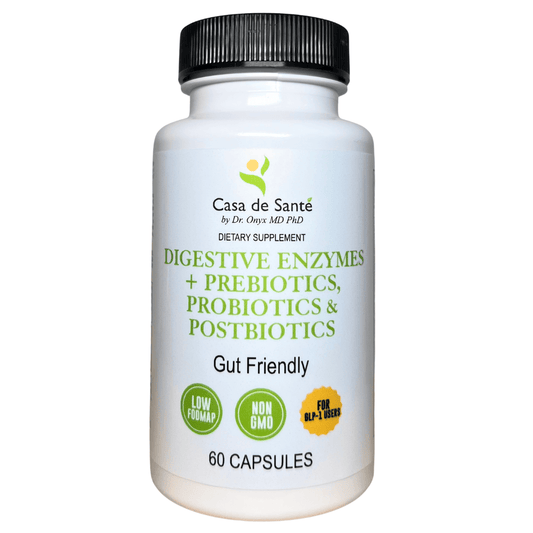
To protect lean tissue and support skin integrity, I recommend aiming for 1.2 to 1.5 grams of protein per kilogram of ideal body weight daily. Lean proteins, bone broths, and easily digestible amino acids provide the essential building blocks for collagen synthesis and tissue maintenance. If digestive discomfort limits your food choices, incorporating a gentle supplement such as Casa de Sante FODMAP Digestive Enzymes can assist in breaking down complex proteins and carbohydrates when gastric motility slows down. Please note: while this enzyme blend supports digestive efficiency and reduces bloating, it does not directly prevent or reverse facial fat loss.
Slower Medication Titration Schedules
Standard prescribing guidelines for GLP-1 medications often suggest increasing the dose every four weeks. However, many patients experience severe appetite suppression and rapid weight loss on the lowest therapeutic doses. If you are prone to facial wasting or rapid weight loss, discuss a modified, slower titration schedule with your prescribing physician. Staying on a lower dose for a longer duration allows your metabolism, skin elasticity, and facial fat pads to adapt more gradually.
Resistance Training and Whole-Body Composition
Dietary modification alone is insufficient for optimal body composition. Incorporating progressive resistance training two to four times per week signals the body to retain muscle mass. While weight training does not rebuild temporal fat pads directly, it improves overall metabolic health, enhances systemic nutrient partitioning, and supports a more athletic, toned physique that balances out facial changes.
Comparing Aesthetic Interventions: Fillers, Waiting, and Fat Grafting
If you have already developed temple hollowing, lifestyle modifications will not restore lost adipose volume. At this stage, aesthetic medical interventions or conservative waiting are the primary paths forward.
| Approach | Mechanism | Duration / Longevity | Primary Considerations |
|---|---|---|---|
| Weight Stabilization & Waiting | Allowing skin and collagen to adapt after weight plateaus. | Permanent (if weight remains stable). | Non-invasive; requires patience; does not restore lost fat. |
| Hyaluronic Acid / Biostimulatory Fillers | Injecting dermal fillers or collagen stimulators (e.g., poly-L-lactic acid) into the temporal fossa. | 12 to 24 months depending on product used. | Immediate results; requires maintenance; must be performed by an experienced injector due to nearby vascular structures. |
| Autologous Fat Grafting | Harvesting fat from another body area and transplanting it into the temples. | Semi-permanent to permanent. | Surgical procedure; higher initial cost and downtime; natural biological material. |
When patients ask me which path to choose, I advise evaluating their personal timeline and goals. If weight loss is ongoing, investing in expensive fillers is often premature because continued weight loss will alter facial contours further. It is usually best to wait until your weight stabilizes for at least three to six months before seeking permanent or semi-permanent aesthetic corrections.
Gastrointestinal Health, Nutrient Absorption, and GLP-1 Support
The mechanism that makes GLP-1 receptor agonists effective for weight loss—slowing gastric emptying and altering gut motility—frequently creates gastrointestinal hurdles. Many of my patients struggle with bloating, early satiety, and indigestion, which in turn makes consuming adequate micronutrients and proteins exceptionally difficult.
Supporting your gut microbiome during this metabolic transition is paramount. In my clinical practice, I often recommend a targeted probiotic formulation such as Casa de Sante Advanced Probiotics GI Support to help maintain microbial balance and support gastrointestinal comfort while on weight loss pharmacotherapy. To be clear: advanced probiotics support gut microbiota diversity and digestive comfort, but they do not treat, prevent, or reverse facial fat loss or temple hollowing.
For additional reading on managing digestive symptoms during weight loss, explore our guide on managing nausea and bloating on weight management protocols.
Comprehensive Care Bundles for Gut Health
Navigating the intersection of metabolic therapy, dietary adjustments, and gastrointestinal side effects requires a structured approach. When patients require multi-system support for both motility and microbiome health, I often point them toward curated options such as Casa de Sante Bundles, which combine digestive enzymes, low FODMAP proteins, and specialized probiotics into a cohesive regimen.
Please note that these bundles are designed exclusively to optimize gastrointestinal function, ease bloating, and support comfortable digestion. They do not alter fat distribution, replace lost facial volume, or mitigate temple hollowing.
When to See a Physician
While glp-1 temple hollowing is primarily a cosmetic and structural side effect of rapid weight reduction, you should consult your healthcare provider if you experience any of the following red flags:
- Unintentional, continuous weight loss exceeding safe clinical thresholds (e.g., losing more than 2% of total body weight per week without stabilization).
- Severe abdominal pain, persistent vomiting, or inability to tolerate oral fluids, which may indicate gastroparesis or bowel obstruction.
- Rapid, asymmetrical facial changes accompanied by neurological symptoms, muscle weakness, or skin lesions.
- Extreme fatigue, dizziness, or laboratory signs of severe malnutrition or electrolyte imbalance.
Frequently Asked Questions
Can glp-1 temple hollowing be reversed naturally without fillers?
Once subcutaneous fat cells in the temporal fat pad shrink or disappear, natural restoration of that exact volume is rare, even with weight stabilization. However, stabilizing your weight, consuming adequate protein, and allowing collagen remodeling can soften the appearance over time. If a fully restored contour is desired, dermatological fillers or fat grafting are typically necessary.
Do lower doses of semaglutide or tirzepatide prevent facial wasting?
Lower doses reduce the velocity of weight loss. By slowing down the rate at which you lose weight, you give your skin and facial tissues more time to adapt, which often minimizes the severity of facial wasting compared to rapid, high-dose drops.
Does chewing gum or exercising facial muscles help refill the temples?
No. Temple hollowing is caused by the loss of subcutaneous fat and thinning of the superficial temporal fat pad, not atrophy of the temporalis muscle. While chewing exercises strengthen the jaw muscles, they do not add fat volume to the temporal fossa.
When does facial hollowing typically appear during GLP-1 treatment?
Most patients begin to notice temporal and cheek volume loss around month three to six, corresponding with the period of steepest weight loss velocity. Once weight loss plateaus, facial changes generally stabilize as well.
Are certain people more prone to temple hollowing than others?
Yes. Individuals with naturally thinner skin, low baseline body fat percentages, ectomorphic body types, or advanced age (where natural dermal collagen and facial fat pads are already declining) are significantly more susceptible to pronounced facial wasting.
Conclusion
Experiencing glp-1 temple hollowing can be an unexpected and frustrating part of an otherwise successful metabolic health journey. By understanding the underlying biology of fat redistribution, prioritizing protein intake, advocating for thoughtful medication titration, and working with qualified medical professionals, you can navigate these physical changes safely and effectively.
Medical Disclaimer: This article is for informational and educational purposes only and does not constitute medical advice, diagnosis, or treatment. Dr. Onikepe Adegbola, MD PhD, and Casa de Sante do not provide individual medical diagnoses through this blog. Always consult your primary care physician, endocrinologist, or qualified healthcare provider regarding any questions about prescription medications, weight loss protocols, or aesthetic procedures.