GLP 1 Swollen Tongue: Causes, Risks, and When to Worry






Experiencing a glp 1 swollen tongue is an uncommon but alarming symptom that requires immediate clinical evaluation to rule out severe allergic reactions like angioedema. While serious hypersensitivity reactions demand emergency medical care, other potential causes include severe dehydration, dry mouth from slowed gastric motility, or glossitis stemming from micronutrient deficiencies such as vitamin B12 and iron. As a physician-scientist who regularly works with patients on incretin mimetics, I want to unpack why this happens, what your body is telling you, and how to address it safely.
Key Takeaways
- Direct Reality: A glp 1 swollen tongue is rare and can range from a medical emergency (angioedema) to a manageable nutritional or hydration issue.
- Red Flags: Difficulty breathing, throat tightness, or rapid swelling mean you must call emergency services immediately.
- Nutritional Impact: Significantly reduced food intake on GLP-1s can trigger B12, folate, or iron deficiencies, causing tongue inflammation (glossitis).
- Hydration Matters: Reduced saliva production and dry mouth are common side effects that alter oral tissue health.
Last updated: October 24, 2023 | By Dr. Onikepe Adegbola, MD PhD
Understanding GLP-1 Medications and Oral Health
Glucagon-like peptide-1 receptor agonists, commonly prescribed for type 2 diabetes and chronic weight management, have transformed metabolic medicine. Medications such as semaglutide and tirzepatide work by mimicking natural hormones that regulate blood sugar, slow gastric emptying, and signal fullness to the brain. However, altering fundamental metabolic and gastrointestinal pathways frequently produces downstream effects throughout the body.
While patients and clinicians discuss gastrointestinal side effects like nausea, delayed gastric emptying, and constipation regularly, oral symptoms receive far less attention. When a patient reports a glp 1 swollen tongue, we must look beyond standard digestive complaints and evaluate systemic immune responses, local mucosal changes, and shifts in dietary intake.
Why You Might Experience a GLP 1 Swollen Tongue
Tongue swelling is not listed as a frequent side effect in standard clinical trial data for GLP-1 receptor agonists, but clinical reports indicate several distinct physiological pathways that can lead to this symptom. Let us examine the three primary categories of tongue swelling associated with these medications.
1. Allergic Reactions and Angioedema
Any injectable medication carries a baseline risk of hypersensitivity. Angioedema involves rapid swelling of the deep layers of skin, subcutaneous tissue, mucous membranes, and submucosal tissues. While rare with GLP-1 therapies, localized allergic reactions can manifest in the lips, tongue, and throat.
If tongue swelling occurs within minutes to hours of taking your weekly injection, or if it is accompanied by hives, itching, or facial swelling, treat it as an acute medical emergency. Immune-mediated reactions require immediate discontinuation of the medication and professional intervention.
2. Xerostomia (Dry Mouth) and Dehydration
GLP-1 medications significantly suppress appetite and thirst cues. Many patients inadvertently enter a state of chronic mild dehydration because they simply forget to drink adequate fluids. Furthermore, autonomic changes induced by these drugs can alter salivary gland secretion.
Saliva protects oral tissues, maintains pH balance, and prevents bacterial overgrowth. When salivary flow drops, the tongue and oral mucosa become dry, irritated, and susceptible to minor micro-traumas from eating or speaking. This irritation can mimic or contribute to localized swelling and discomfort.
3. Nutritional Deficiencies and Glossitis
Because incretin mimetics drastically reduce caloric intake, patients often consume a fraction of the nutrients they previously ingested. Over time, restricted dietary intake can lead to subclinical or overt deficiencies in key micronutrients, particularly vitamin B12, folate, iron, and zinc.
The tongue features a rapid cellular turnover rate, making its tissues exceptionally sensitive to nutritional shortfalls. When B12 or iron levels drop, the tongue can develop glossitis—an inflammation characterized by a smooth, red, swollen, and sometimes painful surface. If you are eating significantly less food, your micronutrient intake drops proportionally unless you prioritize nutrient-dense options.
Comparison of Causes for Tongue Swelling on GLP-1s
| Cause | Key Symptoms | Urgency Level | Recommended Action |
|---|---|---|---|
| Angioedema | Rapid swelling of tongue, lips, throat; difficulty breathing. | EMERGENCY | Call 911 or go to the nearest emergency room immediately. |
| Glossitis (Nutritional) | Smooth, red, swollen tongue; sore patches; fatigue. | Moderate | Consult your physician for blood work (B12, iron) and dietary adjustments. |
| Dehydration & Dry Mouth | Sticky mouth, thirst, mild tongue puffiness, cracked lips. | Low to Moderate | Increase fluid and electrolyte intake; check with your doctor. |
Practical Strategies for Hydration and Nutrition on GLP-1s
Managing oral and gastrointestinal symptoms while on weight-loss or diabetes injections requires a deliberate approach to what you put in your body. Because your stomach empties much more slowly, the volume of food you can comfortably process at one time is drastically reduced. Every bite must count.
Hydration is your first line of defense against dry mouth and oral irritation. Keep a water bottle nearby throughout the day, but avoid drinking large quantities during meals, as this can exacerbate the heavy, overly full feeling caused by delayed gastric emptying. Sip water slowly between meals.
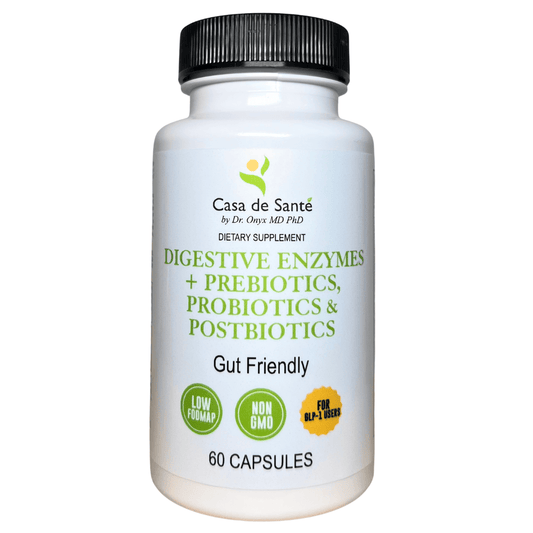
When dealing with smaller meal sizes, ensuring adequate digestion becomes paramount. In my clinical practice, I often recommend a targeted enzyme supplement like Casa de Sante FODMAP Digestive Enzymes for patients dealing with post-meal bloating and digestive sluggishness. Please note: While digestive enzymes assist the body in breaking down macronutrients and reduce GI distress when food sits in the stomach longer, they do not treat or prevent allergic angioedema or systemic tongue swelling.
Supporting Your Gut Microbiome and Digestive Comfort
Dietary shifts triggered by GLP-1 medications alter not just your stomach, but your entire gastrointestinal ecosystem. When fiber and food intake drop sharply, the gut microbiome shifts, which can indirectly influence systemic inflammation and mucosal health throughout the body, including the oral cavity.
To support balanced microbial populations during medication adjustments, incorporating a gut-friendly regimen is often beneficial. For patients seeking microbial resilience, a supplement such as Advanced Probiotics GI Support can help maintain a healthy gut barrier and support overall digestive wellness. It is important to understand that while probiotics foster a healthy microbial environment, they are not pharmaceutical treatments and will not resolve an acute allergic reaction or sudden immune-mediated tongue swelling.
For more insights on managing gastrointestinal changes during therapy, read our guide on managing GLP-1 digestive side effects.
Comprehensive Gut Support for Incretin Users
Navigating the nutritional and digestive demands of incretin therapies requires a multi-pronged strategy. Eating smaller, nutrient-dense meals while protecting against micronutrient gaps helps prevent conditions like glossitis and oral mucosal atrophy.
For patients looking for an organized approach to dietary wellness, utilizing curated collections such as Casa de Sante Bundles provides a convenient way to access physician-formulated digestive enzymes, low FODMAP proteins, and gut-soothing tools in one place. These bundles are designed to support overall gastrointestinal comfort and dietary tolerance during metabolic shifts. They are nutritional support tools and do not replace medical evaluation, emergency care, or prescription medications.
When to Seek Urgent Medical Attention
Let me be entirely clear: if your glp 1 swollen tongue is accompanied by any of the following red flags, drop what you are doing and seek emergency medical care immediately:
- Difficulty breathing or shortness of breath
- A feeling of tightness, constriction, or swelling in the throat
- Swelling of the lips, uvula, or entire face
- Hives, widespread itching, or a rash
- Dizziness, lightheadedness, or a sudden drop in blood pressure
If none of these emergency symptoms are present, but your tongue remains swollen, sore, or persistently dry, schedule an appointment with your primary care physician or endocrinologist. They can run blood tests to check your vitamin B12, folate, and iron panels, and evaluate whether your current medication dosage needs adjustment.
Frequently Asked Questions
1. Can semaglutide directly cause a swollen tongue?
While direct tongue swelling is rare, any medication can trigger rare hypersensitivity reactions like angioedema. Additionally, indirect factors such as severe dehydration, dry mouth, or nutritional deficiencies resulting from reduced food intake can cause tongue inflammation and swelling.
2. What is glossitis, and how is it related to GLP-1 medications?
Glossitis is inflammation of the tongue that makes it swollen, smooth, and red. On GLP-1 medications, patients often eat much less food, which can lead to deficiencies in vitamin B12, iron, and folate. These micronutrients are vital for maintaining oral mucosal tissue, and their absence frequently triggers glossitis.
3. How can I tell the difference between dry mouth and a serious allergic reaction?
Dry mouth (xerostomia) feels like a sticky, dry sensation with mild puffiness or irritation from lack of saliva, and it improves with hydration. A serious allergic reaction (angioedema) involves rapid, pronounced swelling of the tongue, lips, or throat, often accompanied by breathing difficulties, throat tightness, and hives.
4. Should I stop taking my GLP-1 medication if my tongue swells?
If you experience any signs of a severe allergic reaction or angioedema, you must stop the medication and seek emergency care immediately. If the swelling is mild and not accompanied by breathing issues, contact your prescribing physician before making any changes to your dosage.
5. Can digestive enzymes help with oral side effects from GLP-1s?
Digestive enzymes help break down food and ease the sensation of prolonged fullness and sluggish digestion caused by slowed gastric emptying. However, they do not treat or prevent allergic reactions, angioedema, or nutritional glossitis. They are strictly for upper gastrointestinal comfort.
6. What blood tests should my doctor run if my tongue is swollen and sore?
Your physician will likely evaluate a complete blood count (CBC) along with serum levels of vitamin B12, folate, ferritin, and iron to rule out nutritional deficiencies causing mucosal breakdown.
Medical Disclaimer: This article is for informational purposes only and does not constitute medical advice, diagnosis, or treatment. Dr. Onikepe Adegbola, MD PhD, and Casa de Sante do not provide individual medical diagnoses through blog content. Always consult your physician or qualified healthcare provider regarding any questions about a medical condition, medication changes, or emergency symptoms.