GLP 1 Peeling Skin: Causes, Barrier Repair & Expert Solutions




Last updated: February 24, 2025 | By Dr. Onikepe Adegbola, MD PhD
Experiencing glp 1 peeling skin typically stems from systemic dehydration, reduced dietary fat and protein intake, and rapid subcutaneous fat loss that disrupts your skin's natural moisture barrier. When you take medications like semaglutide or tirzepatide, suppressed appetite and altered thirst cues directly impact skin hydration, lipid production, and cellular turnover.
Key Takeaways
- Root Causes: GLP-1 medications slow gastric emptying and blunt thirst, leading to severe dehydration, lower fat intake, and micronutrient deficits.
- Barrier Repair: Combat flaking by prioritizing ceramide-rich moisturizers, hitting targeted fluid intake (2.5 to 3 liters daily), and consuming adequate dietary protein.
- Topical Selection: Ceramides rebuild the lipid matrix, urea draws moisture into dry layers, and lactic acid gently exfoliates dead surface cells.
- Medical Red Flags: Widespread blistering, severe itching, or systemic rashes require immediate medical evaluation to rule out drug hypersensitivity.
Understanding GLP-1 Peeling Skin: Why Your Complexion Changes
As a physician-scientist, I see many patients celebrating significant metabolic milestones on GLP-1 receptor agonists. Yet, a frequent and distressing complaint in my clinic involves dermatological changes. Patients often ask me why their face, hands, or shins are suddenly shedding layers like a snake. The phenomenon of glp 1 peeling skin is not a direct chemical reaction from the drug molecule itself on your epidermis. Instead, it is a downstream systemic consequence of how these medications alter your physiology.
GLP-1 receptor agonists work by mimicking natural incretin hormones. They slow gastric emptying, signal satiety to the brain, and stabilize blood glucose. However, these mechanisms drastically alter your eating and drinking habits. When food intake drops by 30 to 50 percent overnight, your intake of essential fatty acids, fat-soluble vitamins, and structural amino acids plummets. Your skin reflects your internal nutritional landscape.
The Physiology of Rapid Weight Loss and Skin Dehydration
Skin is your body's largest organ, and it relies heavily on a constant supply of water and micro-nutrients to maintain cellular turnover. When you take a GLP-1 medication, your hypothalamus often experiences a dulling of thirst signals. Many of my patients report forgetting to drink water entirely for hours at a time. This mild, chronic dehydration decreases transepidermal water delivery.
Furthermore, rapid subcutaneous fat loss alters skin tension and micro-circulation. As fat cells shrink beneath the dermis, the skin must retract. Without sufficient collagen synthesis and hydration, the stratum corneum—the outermost layer of the epidermis—lacks the flexibility to adapt. The result is micro-fissuring, tightness, and visible peeling.
Macronutrient Shifts: How Protein and Fat Deficits Dry Out Skin
Your skin barrier relies on a specialized mortar of ceramides, cholesterol, and free fatty acids holding skin cells together like bricks. If your diet lacks dietary fats due to early satiety and nausea, your body lacks the raw materials to synthesize these protective lipids.
Simultaneously, inadequate protein intake limits the production of keratohyalin and filaggrin, proteins essential for moisture retention in the outer skin layers. To read more about how systemic changes interact with your digestive tract, check out our guide on managing GLP-1 side effects.
Repairing Your Skin Barrier: Ceramide Moisturizers, Hydration Targets, and Nutrition
Reversing glp 1 peeling skin requires a multi-pronged approach that addresses both internal hydration and external barrier protection. You cannot simply lotion your way out of a systemic nutritional deficit, nor can you hydrate solely by drinking plain water if your electrolyte balance is off.
In my clinical practice, I advise patients to establish strict daily targets. Aim for at least 2.5 to 3 liters of fluids daily, incorporating mineral-rich broths or electrolyte solutions to ensure cellular uptake rather than immediate renal excretion. Pair this with a deliberate focus on healthy fats—such as extra virgin olive oil, avocado, and wild-caught salmon—to supply essential omega-3 fatty acids that dampen systemic inflammation and support skin lipid synthesis.
Protein Intake for Structural Skin Integrity
Protein malnutrition is one of the most under-recognized triggers for dermatological breakdown during rapid weight loss. You need roughly 1.2 to 1.5 grams of protein per kilogram of ideal body weight to maintain skin elasticity and repair micro-damage.
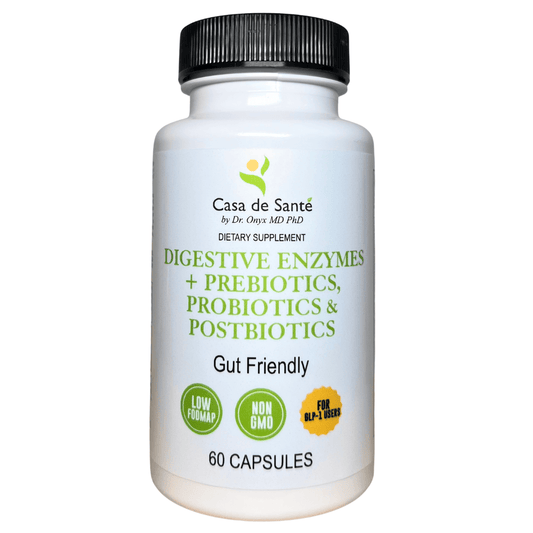
However, eating enough protein can be exceptionally difficult when your stomach empties at a snail's pace. This is where targeted digestive support becomes useful. In my practice, I often recommend a targeted digestive enzyme supplement like Casa de Sante FODMAP Digestive Enzymes for patients dealing with post-meal heaviness and slow breakdown. Please note: while this enzyme blend assists with protein and carbohydrate breakdown when your GI tract is sluggish, it is a digestive aid and will not directly moisturize your skin or replace topical dermatological treatments.
Comparing Topical Treatments: Urea vs. Ceramide vs. Lactic Acid
When selecting over-the-counter topicals to manage flaking skin, understanding the distinct mechanism of each active ingredient prevents further irritation. Here is a clinical comparison of the three most effective agents for compromised skin barriers:
| Ingredient | Primary Mechanism | Best For | Limitations |
|---|---|---|---|
| Ceramides | Replenishes intercellular lipid matrix, repairing the skin's physical protective barrier. | Compromised, cracked, and severely dry skin; suitable for daily use. | Does not actively exfoliate heavy dead skin buildup on its own. |
| Urea | Acts as a humectant to draw moisture deep into the skin while softening stubborn keratotic scaling. | Thick, scaly patches on shins, elbows, and heels. | Concentrations above 10% can sting raw or inflamed facial skin. |
| Lactic Acid | An alpha-hydroxy acid that breaks down the bonds between dead surface skin cells to encourage gentle shedding. | Dull, flaky texture needing chemical exfoliation without mechanical scrubbing. | Can disrupt a raw skin barrier if over-applied on sensitive GLP-1 skin. |
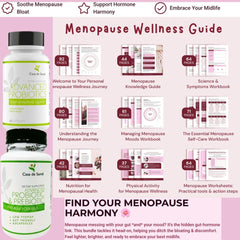
To support your overall wellness journey while managing these physical transitions, ensuring a balanced gut microbiome is vital. Many of my patients find that supporting their gastrointestinal lining helps reduce systemic inflammatory responses. For comprehensive gut support, a supplement like Advanced Probiotics GI Support can help nurture a healthy gut microbiome often disrupted by altered dietary intake. Please note: this probiotic supports digestive health and microbiome balance, but it is not a pharmaceutical treatment and will not reverse dermatological peeling or skin allergies.
Red Flags: When Peeling Signals an Allergy or Serious Dermatological Reaction
While mild flaking and skin dryness are common, rolling with the assumption that all peeling is harmless can lead to missed medical diagnoses. You must differentiate between routine dehydration flaking and an adverse drug eruption or contact dermatitis.
Consult a board-certified dermatologist or your prescribing physician immediately if you notice any of the following warning signs:
- Widespread Blistering: Peeling accompanied by fluid-filled blisters, particularly around the mouth, eyes, or mucous membranes.
- Intense Pruritus and Hives: Severe, unrelenting itching or raised red welts that suggest a drug hypersensitivity reaction.
- Fever and Joint Pain: Systemic symptoms appearing alongside skin shedding, which can point toward severe systemic drug reactions.
- Open Fissures and Infection: Cracking skin that bleeds, oozes, or develops honey-colored crusts indicating secondary bacterial infection.
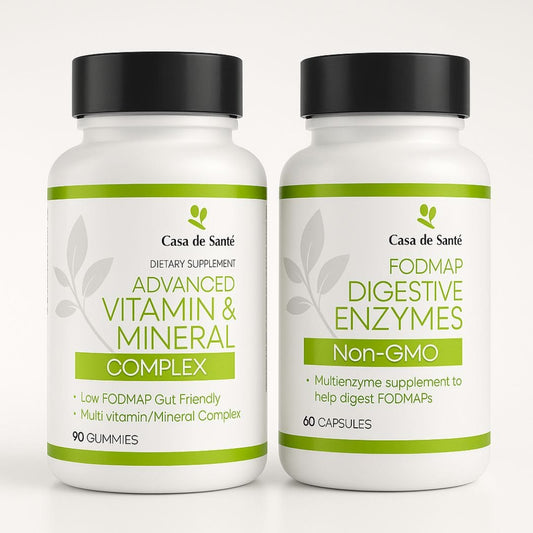
For individuals looking for an integrated approach to managing multiple sensitivities and digestive shifts while on metabolic therapies, exploring curated wellness kits can be helpful. A collection like Casa de Sante Bundles brings together targeted digestive supports for streamlined daily routines. Please note: these bundles are designed to support digestive health and comfort, and they do not diagnose, treat, cure, or prevent skin diseases or medical conditions.
Frequently Asked Questions
1. Can semaglutide or tirzepatide directly cause skin peeling?
No, GLP-1 receptor agonists do not chemically damage skin cells. Peeling is an indirect side effect caused by rapid subcutaneous fat loss, reduced dietary fat and protein intake, and systemic dehydration that compromises the skin's moisture barrier.
2. How much water should I drink to prevent glp 1 peeling skin?
Most adults benefit from 2.5 to 3 liters of fluids daily. Because GLP-1 medications can blunt natural thirst cues, you may need to set scheduled reminders to drink water and incorporate electrolytes to ensure proper cellular hydration.
3. Can digestive issues from GLP-1s affect my skin health?
Yes. Slowed gastric emptying often leads to reduced food intake, low dietary fat consumption, and micronutrient malabsorption. Because your skin relies on dietary lipids and proteins to build its protective barrier, poor nutrition quickly manifests as dryness and flaking.
4. Should I stop taking my GLP-1 medication if my skin starts peeling?
You should never stop your prescription medication without consulting your physician. Mild skin peeling can almost always be managed with increased hydration, proper nutrition, and ceramide-based moisturizers.
5. Which topical ingredient is best for flaky skin during weight loss?
Ceramides are the gold standard because they repair the lipid matrix holding skin cells together. If you have thick, stubborn scaling on your body, a low-percentage urea cream can help soften and hydrate the area simultaneously.
6. When does peeling transition from a mild side effect to a medical emergency?
If your skin peeling is accompanied by blistering, severe burning, systemic fever, joint pain, or signs of infection like oozing and pus, you must seek immediate medical attention to rule out a severe allergic reaction or drug eruption.
Medical Disclaimer: This article is for informational and educational purposes only. It does not constitute medical advice, diagnosis, or treatment. Always consult with a qualified physician or healthcare provider regarding any questions about prescription medications, weight loss side effects, or dermatological conditions.