GLP 1 Metallic Taste: Causes and Solutions from a Doctor





Last Updated: May 15, 2024 | By Dr. Onikepe Adegbola, MD PhD
A persistent metallic taste, clinically known as dysgeusia, is a well-documented side effect reported by patients taking GLP-1 receptor agonists like semaglutide and tirzepatide. This altered sensation of taste is frequently linked to medication-induced dry mouth, mild acid reflux, micronutrient fluctuations, or early metabolic shifts such as ketosis.
Key Takeaways
- Direct Cause: GLP-1 medications alter taste buds through mechanisms involving reduced saliva flow, acid reflux, and metabolic shifts.
- Common Triggers: Xerostomia (dry mouth), low-grade ketosis from rapid fat mobilization, and minor zinc or iron absorption changes.
- Practical Fixes: Increase systemic hydration, use citrus-infused oral rinses, switch to plastic utensils, and evaluate trace mineral intake.
- Timeline: Symptoms typically peak during dose escalations and resolve within 2 to 4 weeks of stabilization.
Decoding the GLP 1 Metallic Taste Phenomenon
When patients sit across from me in my clinic complaining that everything they eat tastes like copper, pennies, or tin foil, they are often surprised to learn they are not alone. As a physician-scientist, I pay close attention to unexpected sensory side effects from modern therapeutics. GLP-1 receptor agonists—such as Ozempic, Wegovy, Mounjaro, and Zepbound—have transformed metabolic health, but they also introduce distinct upper gastrointestinal and neurological sensations.
Dysgeusia is the medical term for a distortion of the sense of taste. While less common than nausea or early satiety, a glp 1 metallic taste can significantly impact daily nutrition. If water tastes metallic or your favorite morning coffee tastes like a handful of old coins, your tongue is reacting to biochemical shifts happening deeper in your digestive and nervous systems.
Biological Mechanisms: Why GLP-1 Medications Alter Taste
To fix a problem, we must first understand its origins. GLP-1 receptors are distributed not only in the pancreas and brain but also throughout the gastrointestinal tract and oral cavity. When you inject or ingest these peptides, several physiological changes occur simultaneously:
1. Salivary Gland Suppression and Xerostomia
GLP-1 medications slow gastric emptying and modulate autonomic nervous system output. This can temporarily reduce the production of saliva, leading to dry mouth (xerostomia). Saliva is more than just moisture; it is a complex biochemical fluid containing enzymes, proteins, and minerals that protect taste receptor cells (gustatory cells). When salivary flow drops by even 20% to 30%, the chemical balance on your tongue shifts, leaving behind a bitter or metallic coating.
2. Low-Grade Acid Reflux and Laryngopharyngeal Reflux (LPR)
Because these medications relax the lower esophageal sphincter and delay stomach emptying, micro-reflux events happen more often than you might realize. Even without classic heartburn symptoms, microscopic amounts of gastric acid and digestive enzymes can travel up the esophagus and reach the back of the throat. Stomach acid has a distinct, acidic, metallic profile that lingers on the taste buds, particularly overnight or first thing in the morning.
3. Metabolic Shifts and Ketosis
GLP-1 therapies promote significant fat loss by suppressing appetite and improving insulin sensitivity. In the first 4 to 8 weeks of therapy, patients frequently enter a state of mild nutritional ketosis as their bodies mobilize stored adipose tissue for energy. The release of ketone bodies, specifically acetone and beta-hydroxybutyrate, alters breath composition and saliva chemistry, frequently producing a metallic or sweet-chemical taste.
4. Trace Mineral Fluctuations (Zinc and Iron)
Zinc is an indispensable cofactor for carbonic anhydrase VI, an enzyme synthesized in parotid salivary glands that is directly responsible for the health and maturation of taste buds. Rapid dietary intake reductions on GLP-1s can lead to inadequate zinc and iron status, directly triggering dysgeusia.
Comparison Table: Root Causes of GLP 1 Metallic Taste
| Root Cause | Primary Mechanism | Associated Symptoms | Typical Onset |
|---|---|---|---|
| Xerostomia (Dry Mouth) | Reduced salivary gland output and autonomic modulation | Sticky mouth, thick saliva, constant thirst | 1-3 days post-injection |
| Silent Reflux (LPR) | Delayed gastric emptying and lower esophageal relaxation | Throat clearing, mild hoarseness, sour taste | Anytime, worse post-meals or lying down |
| Nutritional Ketosis | Rapid adipose mobilization and fat oxidation | Fruity or metallic breath, rapid weight drop | Weeks 1-4 of titration |
| Zinc/Iron Depletion | Reduced total food volume and altered mineral absorption | Blunted taste, brittle nails, slow recovery | Months 2-6 of chronic therapy |
Clinical Timeline: How Long Does It Last?
Most patients want to know if this metallic annoyance is permanent. The short answer is no. In clinical practice, the timeline for a glp 1 metallic taste typically follows your titration schedule:
- Dose Escalation Weeks: Symptoms usually peak within 48 to 72 hours following a dose increase (for instance, stepping up from 0.25 mg to 0.5 mg semaglutide).
- Stabilization Window: Once your body adapts to a specific dose over 2 to 4 weeks, the metallic sensation generally fades or resolves entirely.
- Chronic Persistence: If dysgeusia persists beyond 8 weeks without dose changes, it often points to an underlying nutritional deficiency or chronic subclinical reflux requiring targeted intervention.
For more insights into managing gastrointestinal adaptations during metabolic therapy, read our guide on managing nausea and bloating on GLP-1 medications.
Practical Strategies to Manage and Mitigate GLP 1 Metallic Taste
You do not have to simply endure a metallic mouth while working toward your metabolic health goals. Several evidence-based, practical adjustments can neutralize the taste buds and restore normal oral chemistry:
Optimize Oral Hydration and Saliva Flow
Drink a minimum of 64 to 80 ounces of water daily. Adding a squeeze of fresh lemon or lime juice stimulates the parotid glands, increasing salivary flow and naturally washing away lingering metallic compounds. If plain water tastes metallic, infuse it with cucumber, mint, or berries.
Switch to Non-Metallic Utensils
Stainless steel or silver forks and spoons can react chemically with altered saliva or acidic compounds in the mouth, exacerbating the metallic taste. Temporarily switching to bamboo, ceramic, or plastic utensils can eliminate this electrochemical reaction during meals.
Targeted Digestive Support
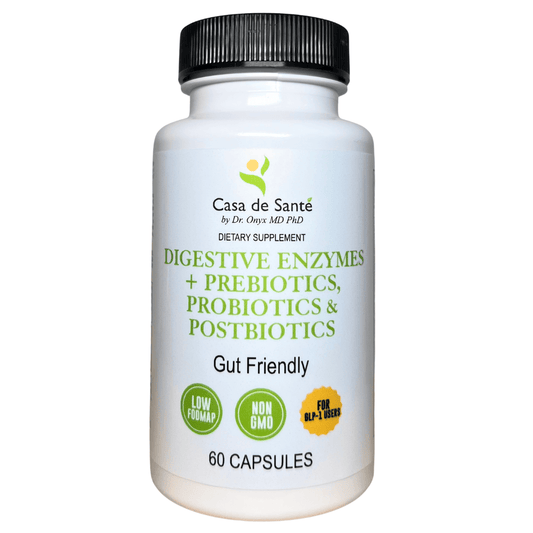
Because slow gastric emptying is a primary driver of upper GI side effects, supporting your digestive tract can prevent the micro-reflux that contributes to oral dysgeusia. In my clinical practice, I often recommend a targeted digestive enzyme supplement like Casa de Sante FODMAP Digestive Enzymes for patients dealing with post-meal heaviness and altered digestion. Please note: while digestive enzymes assist with breaking down macronutrients and easing upper GI sluggishness, they do not directly alter the systemic binding affinity of GLP-1 receptor agonists.
Check Your Zinc and Trace Minerals
Ask your physician to check your serum zinc and ferritin levels. If dietary intake is low due to reduced appetite, a whole-food-based trace mineral supplement or targeted zinc picolinate can restore gustatory cell function.
Supporting Your Microbiome and Gut Comfort
Metabolic medications alter the gut environment, changing transit times and shifting the microbial balance. Keeping your lower GI tract calm and well-populated with beneficial bacteria supports overall gastrointestinal tolerance during weight management.
For those on GLP-1 medications experiencing digestive discomfort and irregular transit, a gut-gentle supplement such as Advanced Probiotics GI Support can provide meaningful relief by reinforcing the intestinal barrier and promoting a balanced microbiome. To be transparent: probiotics support gut microbiome diversity and barrier function, but they are not a standalone cure for medication-induced dysgeusia.
You can learn more about how microbial balance affects digestion in our detailed review on gut microbiome shifts during weight loss.
Comprehensive Care: Bundles for Metabolic and Gut Health
Addressing multi-system side effects requires a coordinated approach. Combining targeted enzymes, microbiome support, and low-FODMAP dietary principles can dramatically improve your quality of life while on peptide therapy.
Patients looking for a complete regimen often benefit from curated solutions such as Casa de Sante Bundles, which combine digestive aids and gut-supportive formulations into a seamless daily routine. These bundles are designed to support overall digestive wellness and nutritional comfort; they do not replace prescribed medical therapies or alter the fundamental pharmacokinetics of your medications.
Frequently Asked Questions
Can GLP-1 medications permanently damage my taste buds?
No. Dysgeusia caused by semaglutide or tirzepatide is a functional, reversible side effect. Your taste receptor cells turn over approximately every 10 to 14 days. Once the medication is stabilized, adjusted, or discontinued, normal taste sensation consistently returns.
Why does water taste like metal when taking Ozempic?
Water has a neutral pH and lacks strong flavor profiles, making it uniquely susceptible to tasting metallic when your saliva composition is altered by dry mouth or low-grade acid reflux. Adding electrolytes, a splash of lemon, or changing your drinking vessel usually resolves this.
Should I stop taking my GLP-1 if I experience a metallic taste?
You should never alter or discontinue prescribed medications without consulting your prescribing physician. Most side effects like metallic taste are manageable with hydration, oral rinses, and dietary adjustments during the adaptation phase.
Does a metallic taste mean I am losing weight faster?
Not necessarily. While ketosis from rapid fat mobilization can contribute to a metallic taste, dysgeusia is primarily driven by local factors like xerostomia and minor reflux rather than being a direct indicator of fat-burning speed.
What foods help mask a metallic taste in the mouth?
Tart, acidic, and strongly flavored foods—such as citrus fruits, vinegar-based dressings, pickles, and cinnamon-spiced items—tend to temporarily override and mask metallic taste receptors on the tongue.
Can zinc supplements cure GLP-1 dysgeusia?
If your metallic taste is driven by a secondary zinc deficiency caused by reduced food intake, targeted zinc supplementation can help. However, if it stems primarily from dry mouth or acid reflux, zinc alone may provide limited relief.
Conclusion
Experiencing a glp 1 metallic taste can be an unsettling and bizarre side effect, but it is typically a temporary hurdle on the path to improved metabolic health. By understanding the underlying biological mechanisms—ranging from dry mouth and micro-reflux to early ketosis—you can take proactive steps to protect your comfort and nutrition. Prioritize hydration, evaluate your trace minerals, and support your digestive tract with targeted, physician-backed tools to make your wellness journey smoother.
Medical Disclaimer: This article is for informational and educational purposes only and does not constitute medical advice, diagnosis, or treatment. Dr. Onikepe Adegbola, MD PhD, and Casa de Sante do not provide individual medical diagnoses through these articles. Always consult your primary care physician or endocrinologist before starting, stopping, or modifying any prescription medication or health supplement.