GLP-1 Loose Belly Skin: Why It Happens and How to Fix It




Last updated: February 24, 2025 | Written by Dr. Onikepe Adegbola, MD PhD
GLP-1 loose belly skin occurs when rapid fat loss outpaces the skin’s ability to retract, largely due to diminished dermal collagen and the loss of underlying supportive muscle mass from medications like semaglutide and tirzepatide. As a physician-scientist who has guided many patients through significant metabolic transformations, I see this physical side effect frequently in clinical practice. When you drop twenty, fifty, or one hundred pounds in a matter of months, your skin envelope does not always shrink at the same speed. Understanding the biological mechanisms behind this laxity allows us to build targeted protocols that support skin integrity, protect lean mass, and manage the broader gastrointestinal shifts that happen along the way.
Key Takeaways
- The Core Cause: Rapid adipose loss combined with reduced skin elasticity and muscle wasting creates loose abdominal skin after GLP-1 therapy.
- Nutritional Defense: Consuming 1.2 to 1.6 grams of protein per kilogram of body weight helps preserve underlying muscle mass.
- Targeted Training: Progressive resistance training prevents the "skinny fat" phenotype and fills out the dermal frame.
- Gut Health Synergy: GLP-1 medications slow gastric motility, making targeted digestive support essential for optimal nutrient absorption.
Understanding GLP-1 Loose Belly Skin After Rapid Weight Loss
To understand why GLP-1 loose belly skin happens, we have to look at the structural architecture of human skin. The dermis relies on a dense network of collagen fibers and elastin proteins. These proteins give skin its tensile strength and the ability to snap back after being stretched. During chronic obesity, the skin remains expanded over years, stretching these protein matrices past their optimal elastic limits. The dermal blood supply changes, and cellular turnover shifts.
When you begin taking a GLP-1 receptor agonist such as semaglutide (Wegovy, Ozempic) or tirzepatide (Zepbound, Mounjaro), your appetite drops sharply. Caloric intake plummets, and fat stores mobilize at an unprecedented rate. Fat cells shrink in volume rapidly. If the rate of fat loss vastly outpaces the biological synthesis of new collagen and elastin, the skin loses its internal stuffing. The result is a deflated, folded appearance across the lower abdomen.
Age and genetics also play defining roles. As we age, fibroblast activity—the cellular process responsible for producing new collagen—slows down significantly. A twenty-five-year-old taking a GLP-1 medication will generally experience better skin retraction than a fifty-five-year-old due to higher baseline dermal elasticity. However, regardless of age, proactive medical and nutritional management changes the final outcome.
Physiological Factors Behind Semaglutide and Tirzepatide Skin Laxity
Beyond skin elasticity, a major driver of abdominal sagging during rapid weight loss is the unintended loss of skeletal muscle. In many clinical trials evaluating GLP-1 medications, participants lose a mixture of fat mass and lean mass. If protein intake drops too low and resistance training is absent, up to forty percent of total weight lost can be muscle tissue.
Muscle functions as the internal scaffolding of the human body. When you lose visceral and subcutaneous fat from the abdomen, you need underlying muscle volume to fill out the skin envelope. Without that muscular foundation, the skin has nothing to drape over, accentuating the appearance of loose folds.
Furthermore, rapid weight loss impacts hydration status. GLP-1 medications can cause early satiety that unintentionally leads to chronic mild dehydration. Water is bound inside dermal hyaluronic acid and extracellular matrix proteins. When you are dehydrated, skin turgor drops, making laxity more pronounced.
Clinical Strategies to Support Skin Elasticity and Muscle Mass
Mitigating GLP-1 loose belly skin requires an intentional, multi-pronged physiological approach. You cannot completely stop skin laxity if you lose a massive amount of weight quickly, but you can significantly improve the firmness and resilience of the remaining tissue.
First, prioritize dietary protein. I advise my patients to consume between 1.2 and 1.6 grams of protein per kilogram of body weight daily while on GLP-1 therapy. This intake provides the essential amino acids—particularly proline, lysine, and glycine—required for collagen synthesis and muscle preservation. Because GLP-1 medications slow gastric motility and cause early fullness, hitting protein goals can be difficult. This is where strategic supplementation helps.
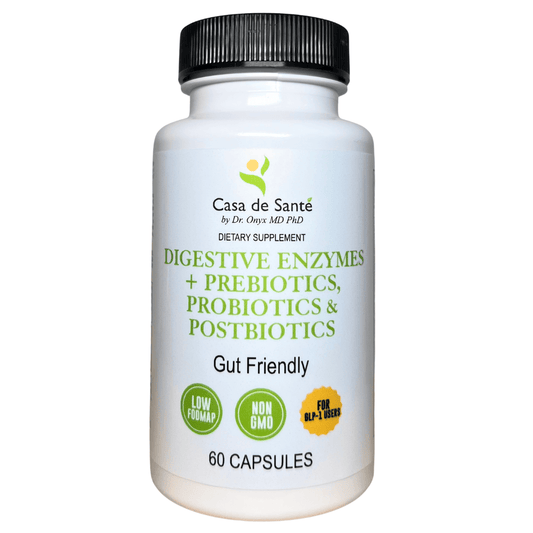
In my clinical practice, I often recommend a targeted digestive enzyme supplement like Casa de Sante FODMAP Digestive Enzymes for patients dealing with post-meal heaviness and slow gut motility. These enzymes assist in breaking down macronutrients, ensuring your body actually absorbs the amino acids necessary for tissue repair, though they do not directly tighten loose skin or replace medical treatment.
Second, implement progressive resistance training at least three to four times per week. Lifting weights signals the body to retain lean tissue and stimulates myofibrillar hypertrophy. Filling out the abdominal wall and oblique muscles creates a firmer base beneath the skin.
Third, support your microbiome and gastrointestinal comfort. GLP-1 therapy frequently alters bowel habits, leading to bloating, constipation, or irregular digestion. When the gut is inflamed or sluggish, systemic nutrient utilization suffers.
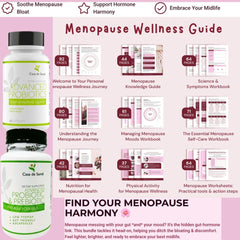
Supporting the gut microbiome during significant weight fluctuations is equally vital. For those managing bloating and altered bowel habits on semaglutide, a gut-gentle supplement such as Advanced Probiotics GI Support can help stabilize the intestinal barrier. While this product supports overall gastrointestinal comfort and regularity, it is not a weight loss pill and will not independently resolve skin laxity.
For patients seeking a comprehensive dietary framework that combines digestive relief with gut barrier support, exploring Casa de Sante Bundles provides a practical, structured approach to daily wellness. These curated packages offer nutritional aids for sensitive stomachs, keeping your digestive tract calm while you focus on rebuilding lean tissue.
Comparison of Approaches for Managing Abdominal Skin Laxity
Evaluating your options for managing post-weight-loss changes requires balancing time, cost, invasiveness, and biological limits. Here is how standard interventions compare:
| Approach | Primary Mechanism | Expected Benefit | Limitations |
|---|---|---|---|
| Dietary Protein & Lifting | Preserves lean mass and builds underlying muscle scaffold | Fills out frame; improves overall body composition | Will not eliminate severe, redundant skin folds |
| Collagen & Micronutrients | Supplies raw amino acids for fibroblast activity | Supports dermal hydration and mild elasticity | Modest impact on significant structural sagging |
| Non-Invasive Radiofrequency | Thermal energy stimulates local collagen contraction | Mild skin tightening for mild laxity | Requires multiple sessions; expensive; variable results |
| Surgical Abdominoplasty | Direct surgical excision of redundant skin and muscle repair | Definitive removal of loose belly skin | Invasive; requires downtime; leaves permanent scars |
Managing Your Gut Health While Addressing GLP-1 Side Effects
The intersection of GLP-1 therapy, rapid weight loss, and gastrointestinal health is complex. Because these medications work in part by slowing gastric emptying—the rate at which food leaves the stomach—many patients experience nausea, delayed digestion, and abdominal distension. When digestion is impaired, getting the necessary vitamins (like Vitamin C, which is essential for collagen synthesis) becomes a challenge.
Hydration is another pillar often overlooked. Drinking at least 64 to 80 ounces of water daily keeps skin cells plump and supports the lymphatic system, which drains metabolic waste during fat breakdown. Pair this hydration with mineral-rich foods or electrolyte supplementation to maintain cellular turgor.
If you experience persistent bloating or irregular motility while scaling your protein intake to fight loose skin, look at your fiber and FODMAP intake. Many high-protein foods or meal replacements can trigger severe IBS-like symptoms in individuals with sensitive digestive tracts. Working with clean, gut-friendly nutrition protocols ensures that your body receives building blocks without triggering painful GI distress.
Long-Term Management and Surgical Interventions
For individuals who have lost one hundred pounds or more, conservative measures like lifting weights, eating adequate protein, and applying topical treatments will reach their biological limit. Skin that has been chronically stretched to accommodate massive adipose tissue often loses its intrinsic recoil capacity entirely.
When redundant skin folds cause physical discomfort, chafing, hygiene issues, or psychological distress, surgical intervention becomes a valid medical consideration. Procedures such as a standard abdominoplasty (tummy tuck) or a panniculectomy remove excess skin and tighten the underlying rectus abdominis muscles, which frequently separate during weight gain and pregnancy.
Deciding on surgery requires a thorough consultation with a board-certified plastic surgeon. You should typically wait until your weight has stabilized for at least three to six months at a healthy maintenance level before undergoing body contouring procedures. Rushing into surgery while actively losing weight on a GLP-1 medication can compromise the final aesthetic outcome if further weight reduction occurs.
Frequently Asked Questions
Will GLP-1 loose belly skin eventually tighten on its own?
Minor skin laxity can improve over 12 to 24 months as the skin undergoes natural remodeling, especially in younger individuals with high baseline elasticity. However, moderate to severe laxity from rapid massive weight loss rarely snaps back completely without targeted muscle building or surgical correction.
How much protein do I need to prevent muscle loss while on semaglutide?
I recommend a daily target of 1.2 to 1.6 grams of protein per kilogram of body weight for most adults using GLP-1 medications. This intake protects lean muscle mass, which acts as the structural support beneath your abdominal skin.
Can collagen supplements reverse severe skin sagging after weight loss?
Hydrolyzed collagen supplements provide amino acids like proline and glycine that support fibroblast activity and skin hydration. While they improve overall skin quality and minor elasticity, they cannot reverse severe structural skin sagging caused by massive fat loss.
At what point should I consider surgical removal of excess abdominal skin?
Surgery is typically considered when weight has been stable for at least three to six months and the loose skin causes functional problems such as chronic chafing, rashes, or persistent physical discomfort that does not respond to exercise.
Why do GLP-1 medications cause bloating and digestive distress alongside weight loss?
GLP-1 receptor agonists slow down gastric emptying and alter gut motility. This delayed transit time can lead to a buildup of gas, altered bacterial fermentation in the gut, and feelings of heavy post-meal fullness.
Does resistance training actually help fill out loose skin?
Yes. Progressive resistance training builds skeletal muscle mass beneath the dermis. Increasing the volume of your abdominal and core muscles creates a firmer internal frame, reducing the hollow, deflated appearance of loose belly skin.
Medical Disclaimer: This article is for informational and educational purposes only and does not constitute medical advice, diagnosis, or treatment. Always consult with your physician, gastroenterologist, or qualified healthcare provider regarding any questions about GLP-1 medications, weight management, or underlying medical conditions.