GLP-1 Dry Scalp: Causes, Treatments, and Gut Health Links





Experiencing a glp 1 dry scalp is a frequent, unexpected side effect for patients taking medications like semaglutide or tirzepatide. This dry, flaky condition is primarily driven by systemic dehydration, reduced dietary fat intake, and shifts in micronutrient absorption that affect skin barrier function. By understanding how GLP-1 receptor agonists alter your appetite, digestion, and fluid balance, you can take targeted steps to restore moisture to your scalp without stopping your medication.
Key Takeaways
- GLP-1 Impact on Thirst: Medications like Ozempic, Wegovy, and Mounjaro suppress appetite and thirst cues, frequently leading to sub-clinical dehydration that dries out the scalp.
- Nutrient Depletion: Drastic caloric drops often mean lower intakes of essential fatty acids (EFAs) and micronutrients like zinc, which are vital for skin barrier repair and sebum production.
- Differential Diagnosis: A dry scalp differs significantly from dandruff (seborrheic dermatitis) or scalp psoriasis; misdiagnosing the root cause can worsen irritation.
- Gut-Skin Axis Support: Supporting your gut microbiome and digestion with targeted enzymes can optimize nutrient uptake during significant metabolic shifts and weight loss.
The Biological Link Between GLP-1 Medications and a Dry Scalp
When patients begin taking GLP-1 receptor agonists, the primary goal is often effective metabolic regulation and weight loss. Many individuals achieve substantial weight reductions of 15% to 20% of their total body weight over several months. However, this rapid metabolic shift alters multiple physiological systems simultaneously. The hypothalamus, which regulates hunger and thirst, receives potent signals from these medications, frequently blunting the sensation of thirst alongside appetite.
Your scalp has a high metabolic rate and relies heavily on a steady supply of moisture, lipids, and micronutrients to maintain the stratum corneum—the outermost layer of skin. When fluid intake drops and food volume decreases by 40% to 50%, the skin and scalp are among the first tissues to show signs of nutritional and hydration deficits. Recognizing why a glp 1 dry scalp occurs is the first step toward effective remediation.
Dehydration and Reduced Fluid Intake
Water is the fundamental transport medium for cellular hydration. On GLP-1 medications, delayed gastric emptying creates prolonged feelings of fullness, which often discourages drinking adequate fluids throughout the day. When daily water intake falls below physiological requirements, blood volume decreases, and the body preferentially directs moisture toward vital internal organs. The skin and scalp experience reduced microcirculation and decreased moisture retention, resulting in tightness, itching, and dry flaking.
Shifts in Dietary Fat and Essential Fatty Acid Absorption
Essential fatty acids, particularly omega-3 and omega-6 polyunsaturated fats, cannot be synthesized by the human body; they must be ingested. These fats are building blocks for sebum, the natural oil produced by sebaceous glands that coats and protects the scalp.
When appetite suppression leads to a dramatic drop in daily caloric intake, fat consumption frequently plummets. Without sufficient dietary lipids, sebum production declines sharply. The scalp loses its natural lipid barrier, allowing moisture to evaporate rapidly and leaving the skin vulnerable to irritation and scaling.
Micronutrient Depletions: Zinc and B Vitamins
Eating significantly smaller food portions reduces your intake of key micronutrients. Zinc is a critical trace mineral required for cellular proliferation, protein synthesis, and immune function within hair follicles and sebaceous glands. A relative zinc deficiency—common during rapid weight loss phases—directly impairs the skin’s ability to repair itself. Similarly, deficiencies in B-complex vitamins, particularly biotin (B7) and niacin (B3), can exacerbate dryness and flaking across the entire cutaneous surface.
Recognizing Your Symptoms: Dry Scalp vs. Dandruff vs. Psoriasis
Patients often assume that any white flakes falling onto their shoulders signal standard dandruff. However, treating a glp 1 dry scalp with harsh anti-dandruff shampoos can strip away what little natural oil remains, worsening the problem. To treat your scalp correctly, you must understand how dry scalp compares to other common dermatological conditions.
| Condition | Primary Cause | Flake Appearance | Itch Level | Scalp Appearance |
|---|---|---|---|---|
| GLP-1 Dry Scalp | Dehydration, low fat intake, zinc depletion | Small, dry, white, powdery flakes | Mild to moderate | Tight, dry skin without greasy patches |
| Dandruff (Seborrheic Dermatitis) | Malassezia yeast overgrowth, excess sebum | Larger, oily, yellowish scales | Moderate to intense | Red, irritated, greasy patches |
| Scalp Psoriasis | Autoimmune inflammation, rapid cell turnover | Thick, silvery-white scales over red plaques | Intense burning or itching | Raised, red, distinct plaques with sharp borders |
If your flaking began coincidentally with your GLP-1 injections and lacks the greasy, erythematous patches characteristic of seborrheic dermatitis, you are likely dealing with a moisture- and nutrient-deficit dryness rather than classic dandruff.
The Overlap Between GLP-1 Dry Scalp and Hair Shedding
Many individuals noticing scalp flaking also observe increased hair shedding in their hairbrush or shower drain. This shedding is typically a form of telogen effluvium—a temporary hair cycle disruption triggered by rapid weight loss and metabolic stress. When the body undergoes rapid changes, hair follicles prematurely enter the resting phase.
While the shedding itself is driven by the shock of weight loss, a concurrent dry scalp makes the skin more brittle and less hospitable for healthy hair growth. Addressing hydration and scalp nourishment helps support the scalp environment during this transitional phase. For a deeper look at how metabolic therapies influence hair health, read our guide on GLP-1 Hair Loss and Gut Health Insights.
Practical Strategies to Treat and Prevent GLP-1 Dry Scalp
Managing skin and scalp side effects while on metabolic therapy requires a targeted, gentle approach. You do not need to abandon your medication to achieve relief. Implementing consistent lifestyle and nutritional adjustments can restore balance to your skin barrier.
- Intentionally Track Fluid Intake: Aim for 2.5 to 3 liters of water daily. Because thirst cues are blunted, use a timed water bottle or phone reminders to sip fluids steadily throughout the day.
- Incorporate Healthy Dietary Fats: Even with a reduced appetite, prioritize nutrient-dense fats. Add extra virgin olive oil, avocados, walnuts, chia seeds, and wild-caught salmon to your meals. If whole foods are challenging to consume in large quantities, discuss safe essential fatty acid supplementation with your physician.
- Prioritize Zinc-Rich Foods: Include lean beef, pumpkin seeds, lentils, and poultry in small, manageable portions to support cellular turnover in the skin.
- Switch to Gentle, Sulfate-Free Cleansers: Avoid harsh clarifying or medicated shampoos unless explicitly diagnosed with seborrheic dermatitis. Choose moisturizing, fragrance-free shampoos containing ingredients like hyaluronic acid, glycerin, or ceramides.
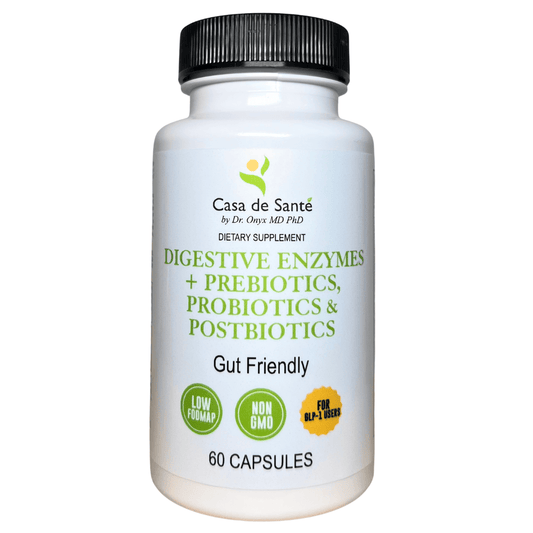
Furthermore, when you are consuming smaller volumes of food, ensuring your body actually absorbs the nutrients you do ingest is paramount. In my clinical practice, I often recommend a targeted digestive enzyme supplement like Casa de Sante FODMAP Digestive Enzymes for patients dealing with nutrient assimilation challenges during metabolic shifts. These enzymes support the breakdown of macronutrients, though they do not replace a balanced diet or treat underlying dermatological diseases.
Additionally, gut microbiome health directly influences skin barrier integrity via the gut-skin axis. For patients on GLP-1 medications experiencing digestive discomfort and skin dryness, a gut-supportive formula like Casa de Sante Advanced Probiotics GI Support helps maintain microbial balance. While probiotics support gastrointestinal wellness and immune function, they are designed to complement—not substitute for—medical treatments for skin conditions.
If you are navigating multiple gastrointestinal side effects alongside nutritional gaps, exploring curated options such as Casa de Sante Bundles can provide a structured toolkit. These bundles combine enzyme support and microbiome care to assist your digestive system, while individual medical needs for hair and scalp health should always be reviewed with a qualified physician. For additional strategies on managing gastrointestinal changes, explore our detailed resource on Managing GLP-1 Gastrointestinal Side Effects.
Frequently Asked Questions
Will my glp 1 dry scalp resolve on its own once my weight stabilizes?
Often, yes. Once your weight stabilizes and your metabolic rate adapts to the medication, your fluid intake and dietary patterns tend to normalize. However, actively addressing hydration and essential fatty acid intake will accelerate recovery and alleviate discomfort in the interim.
Can I use regular anti-dandruff shampoo for a GLP-1 dry scalp?
It is generally not recommended. Standard anti-dandruff shampoos contain active antifungal ingredients like zinc pyrithione, selenium sulfide, or ketoconazole designed to strip excess oil and yeast. If your scalp is dry due to a lack of sebum and dehydration, these shampoos will exacerbate irritation and peeling.
How does reduced food intake on semaglutide cause scalp flaking?
Eating 40% to 50% fewer calories drastically lowers your intake of essential fatty acids, zinc, biotin, and water. Without these critical components, your scalp’s sebaceous glands produce less oil, compromising the skin barrier and leading to tightness and dry flaking.
Should I stop taking my GLP-1 medication if I develop severe skin dryness?
Never stop prescribed medications without consulting your prescribing physician. Most side effects related to skin and scalp dryness can be managed effectively with targeted lifestyle modifications, gentle topical care, and optimized nutrition.
Are certain GLP-1 medications more likely to cause scalp and skin issues?
All GLP-1 receptor agonists—including semaglutide, tirzepatide, and liraglutide—suppress appetite and alter thirst signaling to varying degrees. Consequently, skin and scalp dryness functions as a shared class effect rather than being isolated to a single brand.
Medical Disclaimer: This article is for informational purposes only and does not constitute medical advice, diagnosis, or treatment. Always consult your physician or qualified healthcare provider before starting any new supplement regimen or altering your prescribed medical treatment plan.