GLP 1 Dark Circles Under Eyes: Why It Happens & What To Do




When patients notice glp 1 dark circles under eyes after starting semaglutide or tirzepatide, they are usually seeing the combined result of rapid subcutaneous facial fat loss—often discussed as "Ozempic face"—and medication-induced dehydration. As the delicate fat pads beneath the eyes shrink, shadows deepen, making underlying blood vessels and structural hollows far more visible than before.
Key Takeaways
- Rapid Fat Loss: GLP-1 medications accelerate weight loss, reducing orbital fat pads that naturally cushion and support the under-eye area.
- Dehydration & Blood Flow: Appetite suppression frequently leads to inadequate fluid and nutrient intake, causing skin dullness and pronounced vascular pooling.
- Nutritional Deficiencies: Low iron stores (ferritin) contribute directly to skin pallor and darkened peri-orbital shadows.
- Targeted Solutions: While eye creams offer temporary surface hydration, structural volume loss typically requires professional interventions like fillers or fat grafting, paired with meticulous internal health support.
Understanding GLP 1 Dark Circles Under Eyes and Facial Volume Loss
In my clinical practice, patients frequently schedule consultations expressing surprise at how quickly their facial appearance changes after initiating incretin-based therapies. While achieving metabolic health and losing excess weight bring immense cardiovascular and metabolic benefits, the face often shows these shifts first.
The skin around our eyes is the thinnest on the entire human body—measuring roughly 0.5 millimeters in thickness compared to 2 millimeters elsewhere. Beneath this paper-thin dermal layer lie specific anatomical structures: the orbicularis oculi muscle, superficial vascular networks, and deep orbital fat compartments. When GLP-1 receptor agonists suppress appetite and prompt accelerated systemic fat mobilization, the body does not discriminate between visceral fat and protective subcutaneous facial fat.
The Anatomy of the Peri-Orbital Area
As the superficial and deep fat pads in the upper midface and lower eyelids diminish, the skin loses its underlying scaffolding. This deflation creates a literal hollow—clinically termed the tear trough deformity. When light hits this newly formed depression, it casts a natural shadow. Furthermore, because the skin is so thin, the dark bluish-purple hue of the underlying orbicularis oculi muscle and superficial capillaries becomes glaringly apparent.
This anatomical shift explains why traditional topical treatments often fall short. A cream applied to the skin surface cannot replace lost adipose tissue or repair a structural hollow.
Dehydration, Nutritional Deficiencies, and Iron (Ferritin)
Another major driver of under-eye darkening during GLP-1 therapy is altered fluid and nutrient intake. These medications slow gastric emptying and powerfully suppress hunger signals. Consequently, many individuals inadvertently slip into mild, chronic dehydration and restrictive eating patterns.
When daily water intake drops, blood volume decreases and skin turgor suffers. The skin becomes translucent, accentuating the pooling of deoxygenated blood in the peri-orbital venous plexus. Additionally, restricted dietary intake often precipitates micronutrient shortages. Low dietary intake of iron, Vitamin B12, and folate can trigger anemia or suboptimal iron stores.
During clinical evaluations, I regularly check serum ferritin levels in patients presenting with new-onset fatigue and dark circles. Ferritin reflects your body's iron storage protein. When ferritin drops below optimal clinical thresholds (typically under 30 ng/mL, though optimal ranges for hair and skin often sit higher), tissue oxygenation declines, resulting in pronounced pallor and darkening beneath the eyes.
Comparing Treatments: Eye Creams, Dermal Fillers, and Lifestyle Interventions
Patients often ask me which over-the-counter products or clinical procedures will reverse these changes. To clarify your options, let us examine how different approaches measure up against GLP-1 induced peri-orbital changes.
| Treatment Category | Mechanism of Action | What It Actually Does | Limitations & Considerations |
|---|---|---|---|
| Active Eye Creams (Caffeine, Vitamin C, Retinol) | Caffeine vasoconstricts surface capillaries; Vitamin C brightens pigment; retinol stimulates collagen synthesis over months. | Temporarily reduces puffiness, brightens surface hyperpigmentation, and improves mild dermal texture. | Cannot restore lost deep fat pads or eliminate structural tear trough shadows. |
| Hyaluronic Acid Dermal Fillers | Directly injects gel-like biocompatible substance into the tear trough sub-orbicularis space to lift skin. | Immediately restores lost volume, flattens hollows, and eliminates shadow casting. | Requires professional administration; carries risks of swelling, the Tyndall effect, or migration; temporary (9–18 months). |
| Targeted Nutrition & Hydration | Replenishes systemic fluids, electrolytes, and essential micronutrients like iron and B-complex vitamins. | Improves overall skin turgor, reduces capillary pooling, and corrects underlying anemia-related pallor. | Will not mechanically refill a severe fat-pad deficit; requires consistent daily discipline. |
If you are experiencing broader gastrointestinal adjustments while taking these medications, you may find helpful insights in our detailed guide on managing GLP-1 gastrointestinal side effects.
The Gut-Skin Connection: How GLP 1 Medications Impact Nutrient Absorption
As a physician specializing in gastroenterology, I always examine the gut-skin axis. GLP-1 receptor agonists work partly by delaying gastric emptying—the rate at which food leaves your stomach and enters the small intestine. While this mechanism promotes satiety and stable blood glucose control, it also fundamentally alters normal gastrointestinal transit and digestive efficiency.
When digestion slows significantly, many patients experience post-meal heaviness, early satiety, bloating, and altered nutrient assimilation. If your gut is struggling to efficiently break down and absorb fats, proteins, fat-soluble vitamins, and minerals, your systemic health—and subsequently your skin—reflects that internal friction.
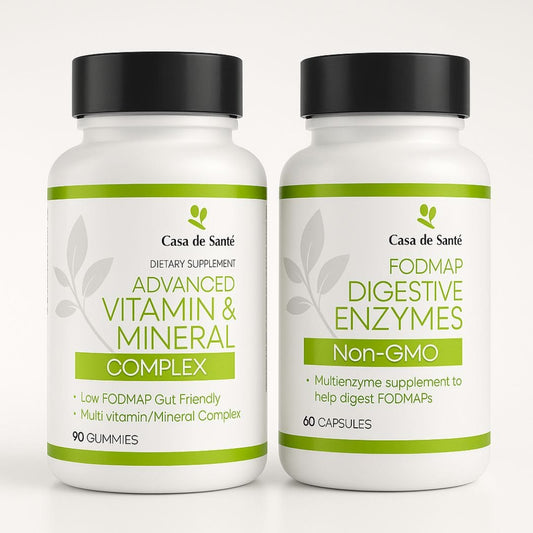
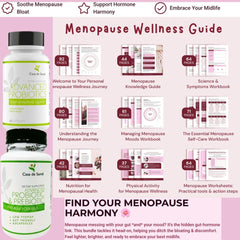
To support your digestive tract through these physiological shifts, targeted clinical support can make a substantial difference. For instance, in my clinical practice, I often recommend a specialized enzyme supplement like Casa de Sante FODMAP Digestive Enzymes for patients dealing with post-meal bloating and sluggish digestion. What this product does: It provides targeted digestive enzymes that assist in breaking down macronutrients, easing the heavy, stuffed sensation often caused by delayed gastric emptying. What this product does not do: It does not cure dark circles under the eyes, nor does it reverse facial fat loss or replace lost dermal volume.
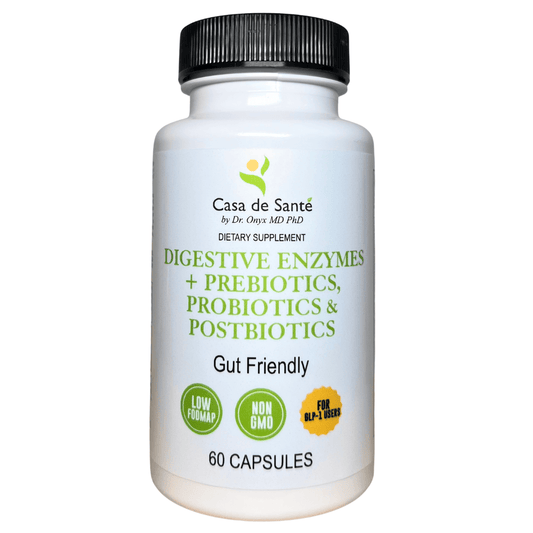
Similarly, maintaining a balanced microbiome during periods of altered gut transit is vital. For internal microbial support, a practitioner-formulated supplement like Advanced Probiotics GI Support can help maintain a healthy intestinal environment. What this product does: It supplies beneficial bacterial strains designed to support overall gastrointestinal comfort and regularity. What this product does not do: It does not restore facial fat pads or eliminate structural peri-orbital shadows.
Practical Advice: Sleep, Hydration, and Micronutrients
Addressing GLP 1 dark circles under eyes requires a multi-pronged strategy that prioritizes internal physiological health alongside external skin care.
- Check Your Ferritin and Iron Panel: Ask your primary care physician to run a complete iron panel, including serum ferritin and total iron-binding capacity. If deficiencies exist, correct them under medical supervision.
- Optimize Electrolyte and Fluid Intake: Do not rely solely on plain water if your appetite is suppressed. Add balanced electrolytes to ensure cellular hydration and prevent the translucent, hollowed skin appearance associated with mild dehydration.
- Prioritize Restorative Sleep: Sleep deprivation triggers cortisol spikes and blood vessel dilation beneath the thin eye skin. Elevating your head slightly with an extra pillow at night can also prevent fluid pooling in the peri-orbital tissues by encouraging natural lymphatic drainage.
- Support Your Microbiome: Managing digestive friction can ease the systemic burden of slowed gut motility. For individuals seeking a cohesive toolkit for gastrointestinal comfort, utilizing structured options like Casa de Sante Bundles provides a reliable approach. What this product does: It offers a curated combination of gut-health essentials designed to support digestive harmony during metabolic changes. What this product does not do: It does not alter systemic fat distribution or act as a cosmetic filler for under-eye hollows.
For additional strategies on managing dietary comfort while on these medications, read our article on navigating bloating on semaglutide.
Frequently Asked Questions
Can stopping my GLP-1 medication make under-eye circles go away?
Stopping the medication may allow some individuals to regain a portion of their overall body weight over time, which can subtly fill out facial volume. However, relying on medication cessation solely for cosmetic reasons is rarely practical or advisable if the drug is medically necessary for metabolic health. Most patients prefer to address under-eye hollows through targeted dermatologic or lifestyle measures while maintaining their metabolic gains.
Why do my eyes look sunken so quickly after starting semaglutide?
The subcutaneous fat pads located directly beneath the eyes and in the upper cheeks are among the most metabolically active and sensitive fat stores in the face. When weight loss accelerates rapidly—often dropping several pounds a week in the initial phases—these delicate fat compartments deflate faster than the overlying skin can contract, creating an immediate sunken appearance.
Should I check my iron levels if I notice sudden dark circles?
Yes. Appetite suppression on GLP-1 medications frequently leads to reduced dietary intake of iron-rich foods. Low iron stores, measured via serum ferritin, reduce oxygen delivery to tissues and cause noticeable skin pallor, which instantly makes underlying blue and purple blood vessels stand out more prominently.
Do eye creams with caffeine actually fix volume loss?
Caffeine-infused eye creams provide a temporary cosmetic benefit by constricting superficial blood vessels and reducing puffiness. However, they cannot restore lost subcutaneous fat or rebuild structural hollows caused by rapid weight loss. They work best as temporary surface treatments rather than structural solutions.
How does gut health influence the appearance of my skin on GLP-1s?
GLP-1 medications slow down gastrointestinal transit, which can cause bloating, altered nutrient absorption, and digestive friction. When your gut struggles to efficiently absorb essential vitamins, minerals, and hydration, your skin often manifests this internal stress through dullness, dryness, and increased sensitivity.
Medical Disclaimer: This article is for informational and educational purposes only and does not constitute medical advice, diagnosis, or treatment. Always consult with your physician, endocrinologist, or qualified healthcare provider regarding any questions about prescription medications, weight management programs, or underlying medical conditions.