Finding the Best Probiotic for IBS Bloating After BBQ





Last Updated: October 2023 | By Dr. Onikepe Adegbola, MD, PhD (Johns Hopkins-trained physician-scientist)
Finding the best probiotic for ibs bloating after bbq requires looking beyond generic drugstore brands to targeted, strain-specific options like Bifidobacterium infantis 35624 and Lactobacillus plantarum 299v, taken with daily consistency. When rich, smoky barbecue meets a sensitive gut, the resulting distension and trapped gas demand a mechanical understanding of how FODMAPs and high-fat meals interact with your microbiome. Unlike quick fixes, true relief relies on choosing FODMAP-safe formulations free of inulin and FOS, while strategically comparing probiotics against digestive enzymes, peppermint oil, and simethicone.
Key Takeaways
- Strain Specificity Matters: For post-BBQ IBS flare-ups, look for clinically studied strains like B. infantis 35624 or L. plantarum 299v rather than random multi-strain blends.
- Avoid Inulin and FOS: Cheap prebiotics tucked into low-quality supplements can amplify gas and bloating after consuming heavy, onion- and garlic-laden foods.
- Enzymes vs. Probiotics: Digestive enzymes target immediate food breakdown, while targeted probiotics build long-term microbial resilience and barrier function.
- Consistency is Essential: Probiotics function through sustained colonization and mucosal modulation; they do not act as an overnight rescue pill.
Why Barbecue Wreeks Havoc on Sensitive Guts
In my clinical practice, patients often look forward to summer cookouts with excitement, only to spend the evening curled up in abdominal pain. To understand why barbecue triggers such intense gastrointestinal distress, we have to examine the physiological intersection of high-fat meals, spices, and fermentable carbohydrates.
Traditional barbecue features slow-smoked meats that are naturally rich in fat. Dietary fats slow down gastric emptying by triggering the release of hormones like cholecystokinin (CCK). This slows the transit time through your digestive tract. When food lingers in the stomach and small intestine longer than usual, it creates an environment ripe for fermentation.
Compounding the issue are the seasonings and sauces. Most commercial dry rubs, marinades, and barbecue sauces rely heavily on garlic powder, onion powder, high-fructose corn syrup, and molasses. These ingredients are packed with short-chain carbohydrates known as FODMAPs (Fermentable Oligosaccharides, Disaccharides, Monosaccharides, and Polyols). For an individual with Irritable Bowel Syndrome (IBS), these FODMAPs reach the large intestine unabsorbed. There, resident bacteria ferment them rapidly, producing large volumes of hydrogen, methane, and carbon dioxide gases. The result is painful abdominal distension, excessive flatulence, and cramping.
Finding the Best Probiotic for IBS Bloating After BBQ
When searching for the best probiotic for ibs bloating after bbq, you will quickly notice that the supplement aisle is flooded with chaotic options boasting 50 billion or 100 billion CFUs (colony-forming units) with ten different bacterial species. In gastroenterology, more is rarely better. A shotgun approach to microbiome supplementation can actually worsen gas production if the strains ferment poorly tolerated carbohydrates in your colon.
Clinical science points us toward specific strains with robust human trial data:
- Bifidobacterium infantis 35624: This strain has been extensively studied for its ability to adhere to the intestinal mucosa, reinforce the gut barrier, and significantly reduce abdominal pain, bloating, and gas in IBS patients.
- Lactobacillus plantarum 299v: Known for its strong adhesive properties in the human gut, this strain helps regulate gas production, modulates visceral hypersensitivity, and supports normal bowel frequency.
Equally important is what your probiotic does not contain. Many mass-market probiotics include prebiotics like inulin, chicory root, or FOS (fructooligosaccharides) to feed the bacteria in the bottle. If you have just consumed a plate of brisket brushed with garlic-infused sauce, adding inulin to your system acts like pouring fuel on a fire. You want a clean, pure probiotic formula.
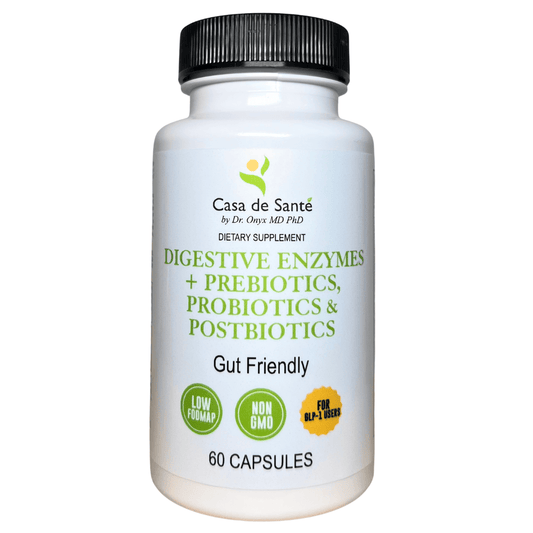
For patients seeking a targeted approach, I often recommend Advanced Probiotics GI Support. This formulation provides clinically validated strains tailored for sensitive digestive systems without gas-inducing prebiotic fillers. What it does: It delivers beneficial bacteria that help modulate gut flora and strengthen the intestinal lining over time. What it doesn't do: It is not an emergency antidote that will neutralize a heavy meal within twenty minutes of ingestion.
Probiotic vs. Enzyme vs. Peppermint Oil vs. Simethicone
When preparing for or recovering from a heavy meal, patients often ask how probiotics stack up against other popular gut health aids. Each intervention operates via an entirely different physiological mechanism. Understanding these differences allows you to build an effective toolkit.
| Intervention | Primary Mechanism | Best Used For | Limitation |
|---|---|---|---|
| Targeted Probiotics | Modulates long-term microbiome composition and mucosal barrier function. | Daily baseline gut health and reducing chronic IBS symptoms. | Requires weeks of daily consistency to show full benefit. |
| Digestive Enzymes | Hydrolyzes complex carbohydrates, proteins, and fats during digestion. | Pre-emptively breaking down hard-to-digest foods like garlic, onion, and beans. | Does not alter underlying microbiome balance or heal gut lining. |
| Peppermint Oil | Acts as a natural calcium channel blocker, relaxing intestinal smooth muscle. | Quickly easing acute abdominal cramping and spasms. | May cause heartburn in individuals prone to acid reflux. |
| Simethicone | Lowers the surface tension of gas bubbles, causing them to coalesce. | Helping trapped gas pass more easily post-meal. | Addresses physical gas bubbles only; does not stop gas generation. |
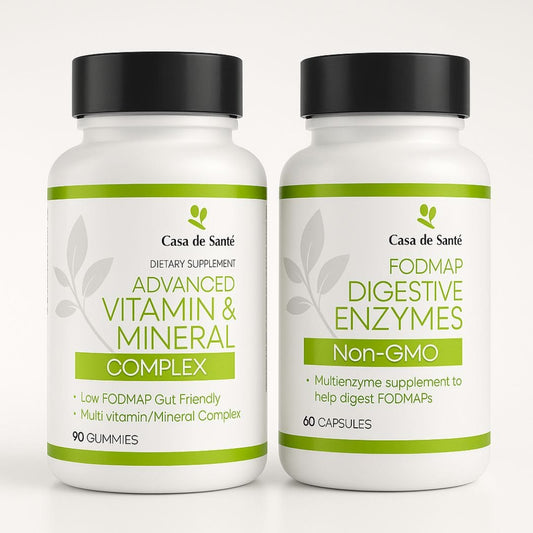
If you anticipate eating foods that contain hidden oligosaccharides or lactose, combining digestive support is often necessary. For immediate mealtime assistance, I suggest utilizing Casa de Sante FODMAP Digestive Enzymes. What it does: It supplies specific enzymes—such as alpha-galactosidase and lactase—to break down complex sugars before gut bacteria can ferment them. What it doesn't do: It does not permanently change your resident microbial populations or serve as a standalone treatment for chronic gastrointestinal dysbiosis.
Crafting a Sustainable Prevention Strategy
Managing post-meal distension requires a two-pronged approach: immediate tactical mitigation during social events, and long-term internal reinforcement. Relying solely on emergency pills after a flare-up leaves your digestive tract vulnerable week after week.
Building microbial resilience starts with establishing a steady routine. Taking your strain-specific probiotic every morning establishes a stable population of beneficial microbes that crowd out gas-producing opportunists. Pairing this with mindful eating habits—such as chewing thoroughly to jumpstart salivary amylase and eating smaller portions of high-fat meats—allows your migrating motor complex to function efficiently.
For individuals managing persistent sensitivities across multiple dietary triggers, utilizing comprehensive wellness kits can streamline your routine. A curated option like Casa de Sante Bundles brings together targeted probiotics and specialized digestive enzymes in one coordinated system. What it does: It provides a dual-action approach, supporting both immediate food digestion and long-term gut microbiome health. What it doesn't do: It does not grant metabolic immunity to unlimited quantities of high-FODMAP, high-fat trigger foods.
Frequently Asked Questions
Can I take a probiotic right before eating barbecue to stop bloating?
No. Probiotics are living microorganisms that require time to colonize and interact with your intestinal lining. Taking a probiotic capsule immediately before a meal will not prevent acute fermentation of garlic, onions, or high-fat meats. For immediate mealtime protection, digestive enzymes are far more appropriate.
Why do commercial probiotics sometimes make my bloating worse?
Many commercial multi-strain probiotics include generic prebiotics like inulin, fructooligosaccharides (FOS), or chicory root. If your gut is already prone to rapid fermentation after eating barbecue, introducing these fermentable fibers feeds the gas-producing bacteria in your colon, worsening distension and cramps.
Are digestive enzymes better than probiotics for immediate post-meal gas?
Yes. Digestive enzymes work chemically in your gastrointestinal lumen to break down complex carbohydrates and fats as you digest your food. Probiotics work biologically over weeks and months to shape your microbiome and strengthen your intestinal barrier. They serve completely different roles.
How long does it take for strain-specific probiotics to reduce IBS symptoms?
Clinical trials on strains like Bifidobacterium infantis 35624 and Lactobacillus plantarum 299v typically demonstrate measurable improvements in abdominal pain, gas, and bloating after two to four weeks of consistent daily supplementation.
Why does barbecue meat specifically trigger my IBS?
Barbecue triggers IBS through a combination of factors. The high fat content delays gastric emptying, keeping food in your upper GI tract longer. Simultaneously, the rubs and sauces almost universally contain high-FODMAP aromatics like garlic and onion powder, which ferment rapidly in the colon.
Medical Disclaimer: This article is for informational purposes only and does not constitute medical advice, diagnosis, or treatment. Dr. Onikepe Adegbola, MD, PhD, and Casa de Sante recommend consulting with a qualified gastroenterologist or healthcare provider before beginning any new supplement regimen or making significant dietary changes.