Best Probiotic for IBS Bloating After Thanksgiving: Expert Guide




If you want to prevent severe abdominal distension after your holiday meal, strain-specific supplements taken weeks in advance provide the most reliable relief. Finding the best probiotic for IBS bloating after Thanksgiving requires understanding how specific bacterial strains interact with heavy, high-FODMAP holiday foods. As a physician-scientist, I see patients struggle every November with severe cramps, gas, and distension because their gut microbiomes cannot handle the sudden surge of garlic, onions, rich dairy, and wheat.
Last updated: November 2024 | Written by Dr. Onikepe Adegbola, MD PhD (Johns Hopkins-trained physician-scientist and founder of Casa de Sante)
Key Takeaways
- Strain Specificity Matters: Generic multi-strain probiotics will not stop holiday bloating. You need clinically proven strains like Bifidobacterium infantis 35624 or Lactobacillus plantarum 299v.
- Start Early: Begin taking your targeted probiotic 2 to 4 weeks before Thanksgiving to colonize the gut and modulate mucosal immunity.
- Avoid Inulin and FOS: Many standard store-bought probiotics contain prebiotic fibers like inulin or FOS that actively trigger gas and pain in IBS patients.
- Know Your Tools: Probiotics alter gut flora over weeks, digestive enzymes break down immediate meal triggers, and peppermint oil relaxes smooth muscle spasms.
Why Thanksgiving Triggers Severe IBS Bloating
Thanksgiving dinner is a biochemical storm for an irritable bowel. Traditional dishes are loaded with ingredients that ferment rapidly in the colon. Onions and garlic, staples in stuffing, gravy, and casseroles, are rich in fructans—oligosaccharides that humans lack the enzymes to break down. When these undigested carbohydrates reach the large intestine, resident bacteria ferment them instantly, producing copious amounts of hydrogen, methane, and hydrogen sulfide gases.
Furthermore, the sheer fat content of holiday meals delays gastric emptying. Fats trigger the release of cholecystokinin (CCK), a hormone that slows down digestive transit. Food sits longer in the stomach and upper small intestine, giving gas-producing microbes more time to proliferate. For individuals with visceral hypersensitivity—a hallmark of irritable bowel syndrome—even normal amounts of gas distension register in the brain as intense pain, cramping, and severe bloating.
To understand the broader context of how fermentable carbohydrates impact your digestive tract, read our guide on understanding FODMAP basics and IBS triggers.
Choosing the Best Probiotic for IBS Bloating After Thanksgiving
Most commercial probiotics are marketed with impressive colony-forming unit (CFU) counts, often boasting 50 billion or 100 billion CFUs from ten different generic strains. In clinical gastroenterology, high CFU counts do not equate to better clinical outcomes for irritable bowel syndrome. Efficacy is entirely strain-specific.
If your goal is to survive the holiday season without looking six months pregnant by dessert time, you must look for three specific strains backed by robust clinical trials:
- Bifidobacterium infantis 35624: This specific strain has extensive clinical backing showing its ability to normalize bowel habits, reduce abdominal pain, and decrease gas production. It adheres to the intestinal mucosa and reinforces the gut barrier against inflammatory stimuli.
- Lactobacillus plantarum 299v: Proven in human trials to reduce flatulence and abdominal distension in IBS patients. It binds strongly to intestinal epithelial cells, crowding out gas-producing pathogens and improving overall mucosal function.
- Saccharomyces boulardii: While technically a beneficial yeast rather than a bacterium, this microorganism is exceptionally helpful if holiday travel or dietary indiscretions tend to trigger infectious-like diarrhea or antibiotic-associated dysbiosis.
Timing is everything. You cannot swallow a probiotic capsule on Thanksgiving morning and expect it to neutralize a plateful of stuffing and mashed potatoes. Probiotics require time to establish metabolic activity and alter the local luminal environment. You must begin supplementation two to four weeks prior to the holiday to build sufficient microbial resilience.
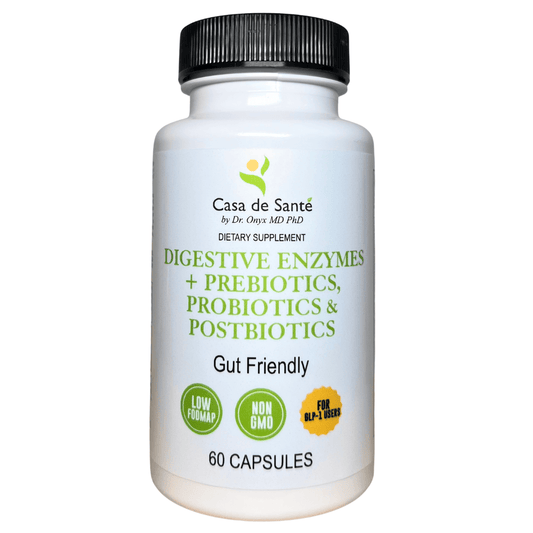
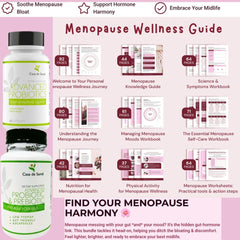
To support your microbiome during high-stress holiday periods, consider incorporating a clinically formulated option like Advanced Probiotics GI Support. What this product does: it supplies targeted, shelf-stable, clinically documented bacterial strains that promote mucosal health and discourage gas-producing dysbiosis. What this product does not do: it is not a magic shield that allows you to consume unlimited high-FODMAP triggers without consequence, nor does it replace a foundation of mindful eating.
Probiotic vs. Enzyme vs. Peppermint Oil: Which Works Best?
Patients often ask me which supplement they should pack for holiday dinners. The truth is that probiotics, digestive enzymes, and peppermint oil serve entirely different physiological functions. Using the wrong one at the wrong time leaves you unprotected.
| Supplement Type | Primary Mechanism | Best Used For | Timeline |
|---|---|---|---|
| Targeted Probiotics | Modulates gut flora, reinforces epithelial barrier, lowers gas production | Long-term resilience against chronic IBS bloating and distension | Start 2-4 weeks before the event |
| Digestive Enzymes | Breaks down complex carbohydrates, lactose, and proteins before fermentation | Immediate meals containing hidden FODMAPs, dairy, or gluten | Taken immediately before eating |
| Peppermint Oil | Acts as a calcium channel blocker to relax intestinal smooth muscle | Acute cramping, spasms, and sudden post-meal abdominal pain | Taken at the onset of symptoms |
When you consume a meal featuring complex holiday carbohydrates, enzymes act as chemical scissors, chopping up large molecules so your body absorbs them before gut bacteria can ferment them. If you are dining out or cannot control every ingredient in your host's dishes, taking targeted enzyme support provides an immediate safeguard.
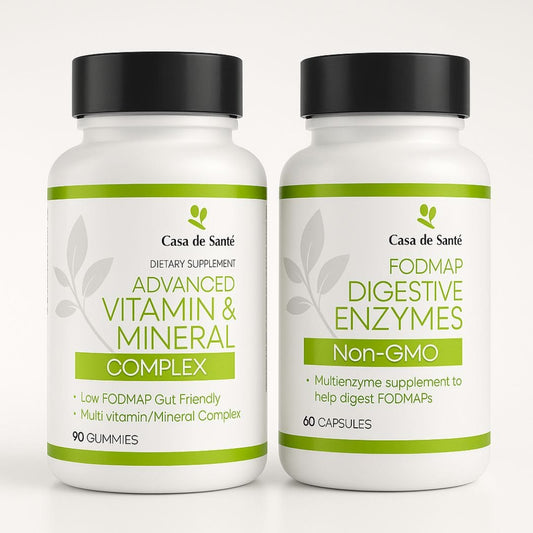
In my clinical practice, I often recommend pairing long-term microbial support with immediate enzymatic protection. For instance, using Casa de Sante FODMAP Digestive Enzymes right before your holiday meal helps break down difficult oligosaccharides, disaccharides, and monosaccharides. What these enzymes do: they supply targeted catalytic proteins like alpha-galactosidase and lactase to dismantle fermentable sugars on contact. What these enzymes do not do: they do not cure chronic small intestinal bacterial overgrowth (SIBO) or repair long-term dysbiosis.
Why You Must Avoid Inulin and FOS in Holiday Supplements
One of the most common pitfalls I see patients fall into during the holiday season is purchasing generic probiotic gummies or capsules off supermarket shelves without reading the ingredient fine print. Walk down any supplement aisle, and you will find formulas containing inulin, FOS (fructooligosaccharides), chicory root, or apple pectin.
Manufacturers add these ingredients because they are prebiotics—substances that feed beneficial bacteria. However, for someone with irritable bowel syndrome or SIBO, feeding bacteria indiscriminately is the last thing you want to do. Inulin and FOS are rapidly fermentable short-chain carbohydrates. When an IBS patient swallows a probiotic capsule packed with inulin alongside a Thanksgiving dinner rich in garlic and onions, the gas production multiplies exponentially. The result is agonizing bloating, explosive flatulence, and severe abdominal cramping.
Always inspect the other ingredients list. Look for formulations explicitly certified as low-FODMAP and free from added prebiotic fibers, sugar alcohols, and artificial fillers that exacerbate gastrointestinal distress.
Managing IBS Bloating After Thanksgiving with Targeted Probiotics
Preparing your digestive tract for a major holiday feast requires a systematic approach. You cannot rely on last-minute remedies alone. By establishing a structured protocol weeks before Thanksgiving, you give your gastrointestinal tract the biological machinery it needs to withstand rich, complex foods.
Start your chosen single-strain or clinically validated multi-strain probiotic—such as those containing Bifidobacterium infantis—at least twenty-one days prior to the holiday. Maintain consistent daily dosing at the same time each morning. As the holiday approaches, review your menu strategy. If you are attending a gathering where you cannot control the preparation methods, assume that garlic powder and onion powder are present in every savory dish.
On the day of the feast, take your digestive enzyme supplement right before your first bite. Chew your food slowly, as mechanical breakdown in the mouth initiates salivary amylase secretion and reduces the workload on your stomach and small intestine. Avoid carbonated beverages and excessive alcohol, both of which irritate the gastric mucosa and increase visceral hypersensitivity.
For more actionable strategies on navigating seasonal gatherings without triggering digestive distress, review our comprehensive low-FODMAP holiday survival guide.
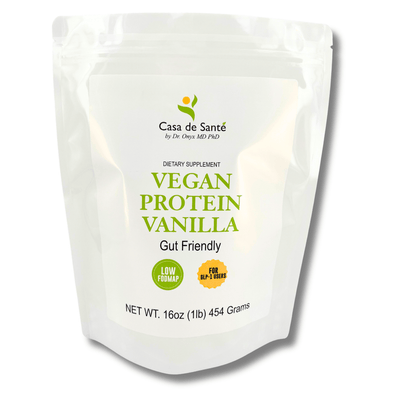
To simplify your holiday prep with physician-formulated options, exploring curated therapeutic combinations can be extremely helpful. For example, utilizing Casa de Sante Bundles provides a coordinated approach to gut health. What these bundles do: they combine targeted low-FODMAP proteins, digestive enzymes, and gut-soothing formulas into an integrated routine. What these bundles do not do: they do not replace medical evaluation for severe, undiagnosed gastrointestinal pathology.
Frequently Asked Questions
When should I start taking a probiotic before Thanksgiving?
You should start taking a clinically validated, strain-specific probiotic at least 2 to 4 weeks before Thanksgiving. Microorganisms need time to colonize the mucosal lining and exert immunomodulatory effects. Starting the day before the meal will not prevent holiday bloating.
Can digestive enzymes replace probiotics for IBS bloating?
No. Digestive enzymes and probiotics serve entirely different functions. Enzymes work immediately during a meal to break down specific food molecules like lactose, fructose, and fructans before bacteria can ferment them. Probiotics work over weeks to reshape your resident microbiome and strengthen the intestinal barrier. Combining both yields the best results during heavy holidays.
Why do store-bought probiotics make my bloating worse?
Many commercial probiotics contain prebiotic fibers such as inulin, FOS (fructooligosaccharides), or chicory root as fillers. For individuals with IBS or SIBO, these fermentable fibers feed gas-producing bacteria instantly, worsening abdominal distension and pain. Always check the other ingredients list for hidden FODMAPs.
What is the difference between B. infantis and generic multi-strain probiotics?
Generic multi-strain probiotics often throw together dozens of bacterial species with high CFU counts that have never been tested together in human clinical trials. Specific strains like Bifidobacterium infantis 35624 have undergone rigorous gold-standard clinical trials demonstrating proven efficacy in reducing abdominal pain, gas, and bloating in IBS patients.
Should I stop eating high-FODMAP foods entirely on Thanksgiving?
Strict elimination is rarely realistic or necessary during holiday celebrations. Instead of total restriction, use targeted digestive enzymes right before your meal to assist with the breakdown of hidden FODMAPs, and practice portion moderation with rich, high-fat, or heavily seasoned dishes.
Medical Disclaimer
Disclaimer: This article is for informational purposes only and does not constitute medical advice. The content shared here is not intended to diagnose, treat, cure, or prevent any disease. Always consult with a qualified gastroenterologist, physician, or healthcare provider before starting any new supplement regimen, dietary modification, or medical treatment, especially if you have diagnosed irritable bowel syndrome, small intestinal bacterial overgrowth, or other gastrointestinal disorders.