Best Probiotic for IBS Bloating After Holiday Meals




Last updated: October 24, 2024 | By Dr. Onikepe Adegbola, MD PhD (Johns Hopkins-trained physician-scientist)
When searching for the best probiotic for IBS bloating after holiday meals, you need specific, clinically tested bacterial strains like Bifidobacterium infantis 35624 or Lactobacillus plantarum 299v, taken consistently two to four weeks before heavy eating starts. Holiday feasts pack hidden fructans, excess dairy, and high-fat dishes that paralyze sensitive gastrointestinal tracts. Generic, multi-strain store brands often fail or worsen symptoms, especially if they contain fermentable fibers like inulin. Understanding how targeted microbial strains, digestive enzymes, and strategic preparation intersect is the only reliable way to protect your gut during the festive season.
Key Takeaways
- Strain Specificity is Non-Negotiable: Generic probiotics with random strains often increase gas production. Look for Bifidobacterium infantis 35624 or Lactobacillus plantarum 299v.
- The Pre-Holiday Window: Start your targeted probiotic protocol 2 to 4 weeks before holiday gatherings to allow mucosal colonization and immune priming.
- Avoid Inulin and FOS: Many commercial probiotics add inulin or fructooligosaccharides (FOS) as prebiotics. For irritable bowel syndrome (IBS) sufferers, these fermentable carbohydrates trigger immediate bloating and distension.
- Probiotics vs. Enzymes: Probiotics build long-term microbial resilience, while digestive enzymes break down specific food substrates on immediate contact.
Why Holiday Meals Trigger Severe IBS Bloating
As a physician-scientist, patients frequently ask me why their digestion completely breaks down between November and January. The answer lies in the intersection of neurogastroenterology and dietary biochemistry. Holiday meals deviate significantly from standard daily intake. They feature concentrated doses of high-FODMAP ingredients, massive amounts of saturated fats, and rapid eating patterns.
Consider a traditional holiday dinner. The stuffing contains onions, garlic, and wheat—all rich in fructans and excess fermentable oligosaccharides. The gravy is thickened with wheat flour and loaded with dairy fats. The side dishes contain hidden garlic powder and high-fructose corn syrup.
When these ingredients enter an irritable gut, two major physiological events occur:
- Delayed Gastric Emptying: High fat content signals the duodenum to release cholecystokinin, slowing down stomach motility. Food sits longer, fermenting and producing upper abdominal pressure.
- Colonic Fermentation and Osmotic Shifts: Undigested fructans and lactose reach the large intestine. Resident bacteria ferment these substrates within hours, producing hydrogen and methane gases. Simultaneously, osmotic pull draws water into the intestinal lumen, causing severe distension, visceral hypersensitivity, and the classic painful holiday belly distension.
If your enteric nervous system is already hypersensitive—as is the case in IBS—even minor gas accumulation triggers painful spasms and visible bloating. To read more about how dietary triggers interact with gut sensitivity, review our guide on understanding IBS triggers.
The Best Probiotic for IBS Bloating After Holiday Meals: Strain-Specific Science
Not all probiotics work the same way. In gastroenterology research, we look at probiotics through a strain-specific lens. Probiotic efficacy does not cross over from species to species, nor from strain to strain. A strain is identified by its genus, species, and alphanumeric code—such as Bifidobacterium infantis 35624.
When evaluating the best probiotic for IBS bloating after holiday meals, two strains stand out in peer-reviewed clinical literature:
1. Bifidobacterium infantis 35624
This specific strain has undergone rigorous clinical testing in randomized controlled trials involving IBS patients. It adheres strongly to intestinal epithelial cells and reinforces the gut mucosal barrier. More importantly, it modulates the immune response in the gut wall, reducing systemic low-grade inflammation and dampening visceral hypersensitivity. Clinical data shows that patients taking this strain experience significant reductions in abdominal pain, gas, and bloating compared to placebo groups.
2. Lactobacillus plantarum 299v
Another powerhouse strain for irritable bowels, Lactobacillus plantarum 299v produces high amounts of short-chain fatty acids (SCFAs) like butyrate, which nourish colonocytes. It competitively inhibits gas-producing pathobionts in the gut lumen and helps normalize bowel motility. Studies demonstrate its capacity to reduce flatulence and abdominal distension, making it exceptionally useful during high-calorie, heavy-carbohydrate holiday meals.
The Danger of Inulin and FOS in Holiday Probiotics
Many over-the-counter multi-strain probiotics contain prebiotics like inulin, chicory root, or fructooligosaccharides (FOS) to feed the bacteria. While healthy guts tolerate these fibers well, an IBS gut reacts violently. Inulin is a rapid fermenter. Adding an inulin-based probiotic before a heavy holiday dinner introduces fuel directly to the fire, guaranteeing severe bloating and gas. Always check the inactive ingredient list and choose clean, allergen-free formulations.
Comparing Probiotics vs. Digestive Enzymes vs. Peppermint Oil
Patients often confuse gut supplements, using them interchangeably when they serve entirely different physiological functions. To manage holiday flare-ups effectively, you must understand how probiotics compare to enzymes and botanical agents.
| Supplement Type | Primary Mechanism | Onset of Action | Best Used For |
|---|---|---|---|
|
Targeted Probiotics ( e.g., B. infantis 35624) |
Modulates gut flora, reinforces mucosal barrier, reduces visceral hypersensitivity. | Chronic (requires 2-4 weeks of daily use). | Long-term resilience against dietary triggers and microbiome imbalances. |
|
Digestive Enzymes ( e.g., Alpha-galactosidase, lactase) |
Breaks down complex carbohydrates, proteins, and fats on immediate contact in the GI tract. | Immediate (take with the first bite of food). | Real-time digestion of FODMAPs, dairy, and heavy fats during feasts. |
|
Peppermint Oil ( Enteric-coated) |
Acts as a natural calcium channel blocker, relaxing smooth muscle in the intestinal wall. | Fast (30 to 60 minutes after onset). | Acute cramping, spasms, and sudden post-meal abdominal pain. |
For a comprehensive approach to dietary management, exploring low FODMAP diet basics can also help you identify which foods require enzymatic assistance versus strict avoidance.
Timing Your Defense: Why You Must Start 2 to 4 Weeks Before
A common mistake is swallowing a probiotic capsule the morning of Thanksgiving or Christmas dinner and expecting immediate relief. Probiotics are living microorganisms. They require time to transit the stomach acid, reach the small and large intestines, compete with resident microbes, and establish temporary colonization or epithelial binding.
When you start taking a targeted probiotic two to four weeks before the holiday season begins, you achieve three clinical objectives:
- Epithelial Priming: The bacteria establish a secure foothold on the intestinal mucosa, forming a protective shield against opportunistic pathogens and inflammatory triggers.
- Enzyme Upregulation: Established beneficial microbes begin optimizing the local metabolic environment, improving short-chain fatty acid production before heavy dietary stress hits.
- Nervous System Stabilization: Reducing gut-wall inflammation takes time. Daily consumption allows the enteric nervous system to down-regulate pain signaling before you consume high-fat, high-sugar holiday foods.
Integrating the Best Probiotic for IBS Bloating After Holiday Meals Into Your Routine
In my clinical practice, I emphasize precision and purity over shotgun supplementation. When building a seasonal gut protocol, selecting a clean, high-potency formula is essential.
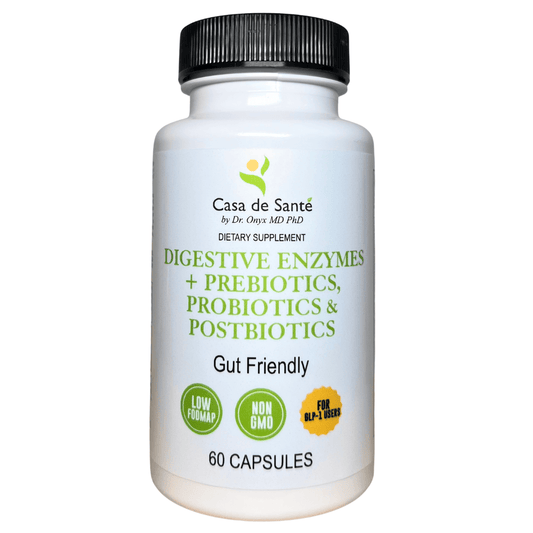
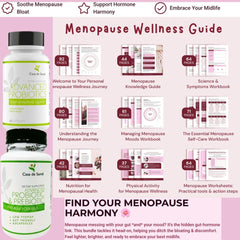
To support your microbiome ahead of heavy meals, a clinically targeted formulation like Advanced Probiotics GI Support delivers high-purity, shelf-stable beneficial strains without irritating prebiotics, fillers, or common allergens. What it does: It provides targeted microbial support designed to reinforce the gut barrier and support healthy digestion over time. What it does not do: It is not a magic shield that allows unlimited consumption of high-FODMAP triggers without any physiological consequence; dietary awareness remains necessary.
Consistency is paramount. Take your probiotic at the same time every day—preferably with a light meal or glass of water—weeks before the holiday calendar fills up.
Beyond Probiotics: Enzymatic Support and Strategic Bundles
While probiotics establish long-term microbial resilience, they cannot single-handedly dismantle every complex carbohydrate or heavy fat present in a holiday feast. That requires direct enzymatic intervention.
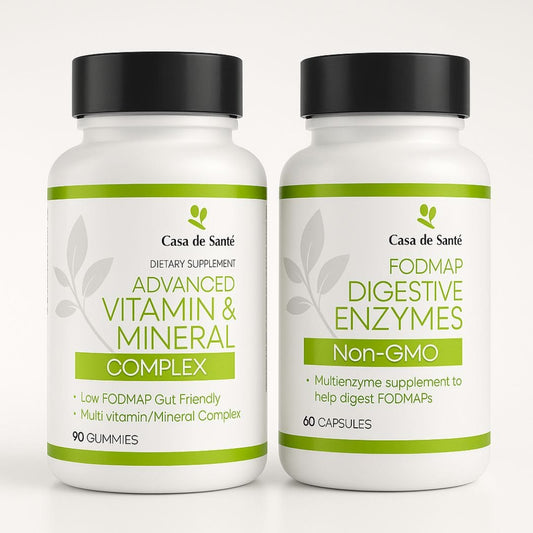
When eating foods containing hidden garlic, onions, wheat, or dairy, pairing your routine with a targeted enzyme supplement changes the digestive outcome. In clinical practice, I often recommend a dedicated enzyme blend like Casa de Sante FODMAP Digestive Enzymes for patients dealing with complex food reactions. What it does: It supplies specific enzymes—such as alpha-galactosidase, lactase, and Xylose isomerase—to break down hard-to-digest short-chain carbohydrates before they reach colonic bacteria. What it does not do: It does not permanently alter your underlying microbiome or cure chronic gut dysbiosis; it acts purely as a digestive aid.
For complete seasonal preparation, combining probiotic resilience with enzymatic protection ensures that both the microbial environment and the immediate digestive process are covered. Utilizing comprehensive kits such as Casa de Sante Bundles allows individuals to access multi-action support protocols tailored for sensitive digestive systems.
Frequently Asked Questions
1. Can I take a probiotic the morning of a holiday dinner to stop bloating?
No. Probiotics require weeks of consistent daily intake to colonize, adhere to the mucosal lining, and modulate immune and inflammatory pathways. Taking a probiotic on the morning of a heavy meal will not prevent acute post-meal bloating. For immediate post-meal support, digestive enzymes or enteric-coated peppermint oil are far more effective.
2. Why do generic probiotics make my IBS bloating worse?
Many generic, multi-strain store brands include high CFU counts of broad-spectrum bacteria that may over-ferment in an irritable colon. Furthermore, many commercial formulas add inulin, chicory root, or FOS as prebiotics. In IBS patients, these rapidly fermentable fibers feed gas-producing bacteria, worsening distension and cramping.
3. Are prebiotics like inulin safe for someone with IBS?
Generally, no. Inulin and fructooligosaccharides (FOS) fall under the "O" (Oligosaccharides) in the FODMAP acronym. In individuals with irritable bowel syndrome, these short-chain carbohydrates ferment rapidly in the large intestine, producing excess gas, osmotic fluid shifts, and severe abdominal pain.
4. Should I combine digestive enzymes with my probiotic during the holidays?
Yes. Probiotics and digestive enzymes operate via entirely different mechanisms. Probiotics build long-term gut resilience, while digestive enzymes work on contact to break down specific food molecules like lactose, fructans, and complex fats during the meal. Combining them provides a dual-action defense.
5. How do I know if my bloating is IBS or simple overeating?
Simple overeating causes temporary upper abdominal fullness that resolves as the stomach empties. IBS bloating involves lower abdominal distension, visible swelling (often referred to as "food baby"), excessive gas, altered bowel habits (diarrhea, constipation, or alternating patterns), and visceral pain triggered even by moderate food volumes.
6. Can probiotics prevent holiday constipation as well as bloating?
Yes. Certain targeted strains help modulate colonic motility and short-chain fatty acid production, which stimulates normal peristalsis. However, adequate hydration and fiber management tailored to your personal tolerance level remain critical components of preventing holiday constipation.
Conclusion
Navigating the holiday season with irritable bowel syndrome does not require fasting or missing out on family traditions. By understanding the physiological mechanisms behind holiday bloating, avoiding gut-irritating prebiotics like inulin, and choosing clinically validated strains such as Bifidobacterium infantis 35624 or Lactobacillus plantarum 299v two to four weeks in advance, you can prepare your digestive tract for success. Pair your long-term probiotic routine with immediate enzymatic support when consuming complex holiday dishes, and you will protect your gut health all season long.
Medical Disclaimer: This article is for informational purposes only and does not constitute medical advice. The content is not intended to be a substitute for professional medical diagnosis, treatment, or advice. Always seek the advice of your physician or other qualified health provider with any questions you may have regarding a medical condition.