Best Digestive Enzyme for Smoked Turkey: A Doctor's Guide





Last updated: October 24, 2023. Written by Dr. Onikepe Adegbola, MD PhD.
If you experience bloating, heavy stomach pain, or gas after eating smoked turkey, you need a broad-spectrum digestive enzyme containing high-potency protease and lipase taken at the very first bite. Smoked turkey presents unique hurdles for your gastrointestinal tract due to its dense protein structures altered by curing and smoking, high fat content in dark meat, and frequently hidden high-FODMAP additives like garlic and onion powders used in standard brines and dry rubs.
As a physician-scientist trained at Johns Hopkins, patients often walk into my clinic holding their abdomen after holiday dinners or weekend barbecues, wondering why a lean protein source leaves them feeling like they swallowed a brick. The answer lies in the intersection of food science, enzyme kinetics, and gastrointestinal physiology.
Key Takeaways
- Targeted Enzymes: Look for a formula rich in protease to break down dense smoked proteins and lipase to handle dietary fats.
- Timing is Everything: Digestive enzymes must be swallowed with the very first bite of food, not after symptoms begin.
- Hidden FODMAPs: Commercial smoked turkey rubs and brines almost always contain garlic and onion powder, triggering IBS symptoms.
- Enzymes vs. Alternatives: Unlike antacids or simethicone, digestive enzymes actively assist in breaking down food molecules rather than just masking acid or trapping gas bubbles.
Why Smoked Turkey Triggers Digestive Distress
To understand why you need the best digestive enzyme for smoked turkey, you must first understand what happens to poultry during the smoking process. When raw turkey is subjected to low-temperature wood smoke over several hours, several chemical transformations occur. The heat and smoke denature the muscle proteins, causing them to unfold and cross-link. This cross-linking creates tougher peptide bonds that require more robust enzymatic activity from your stomach and pancreas to hydrolyze.
Furthermore, turkey is not a uniform meat. Breast meat is lean, but dark meat contains significantly more intramuscular fat. When combined with butter-based basting liquids or oil-heavy rubs, your pancreas must secrete large amounts of lipase to break down these triglycerides. If your exocrine pancreatic function is even slightly compromised—due to stress, aging, or underlying irritable bowel syndrome (IBS)—this fat load remains partially undigested, leading to delayed gastric emptying, nausea, and upper abdominal fullness.
The Chemistry of Smoking and Digestion
Smoking draws moisture out of meat, concentrating its macro-nutrients. A standard three-ounce portion of smoked turkey delivers a dense concentration of amino acids bound tightly within dehydrated muscle fibers. Your gastric pepsin and hydrochloric acid must work much harder to penetrate this tightly packed matrix compared to a moist, water-rich roasted turkey breast.
When these proteins enter the small intestine prematurely or only partially broken down, resident colonic bacteria ferment the leftover fragments. This bacterial fermentation produces excessive hydrogen, methane, and hydrogen sulfide gases. The result is the classic painful bloating and foul gas many people experience hours after eating smoked meats.
Hidden High-FODMAP Culprits in Rubs and Brines
Protein and fat are only part of the equation. Almost every commercial smoked turkey recipe relies on a wet brine or dry rub packed with garlic powder and onion powder. These seasonings contain fructans, which are short-chain carbohydrates (FODMAPs) that humans cannot digest due to a lack of the necessary intestinal enzymes.
For individuals with sensitive guts or IBS, these fructans draw water into the lumen of the small intestine via osmosis and travel rapidly to the colon, where fermentation causes distension and visceral hypersensitivity. Therefore, finding an effective digestive aid requires addressing both the meat macromolecules and the hidden fermentable carbohydrates.
Finding the Best Digestive Enzyme for Smoked Turkey
When evaluating enzyme supplements, ingredient transparency and potency matter immensely. A generic supplement will not suffice when tackling a complex meal like smoked turkey. You need an intentional formulation.
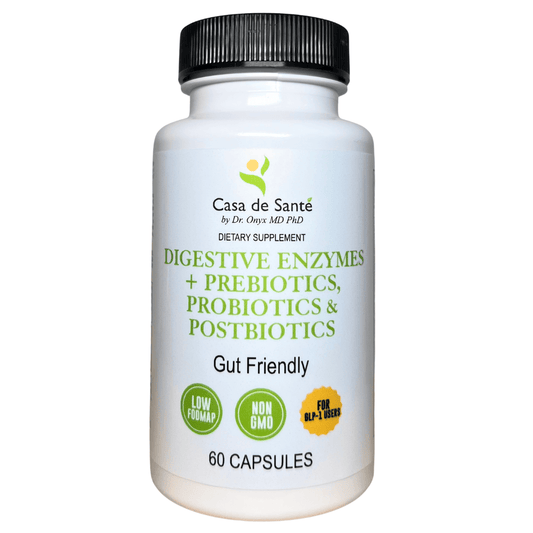
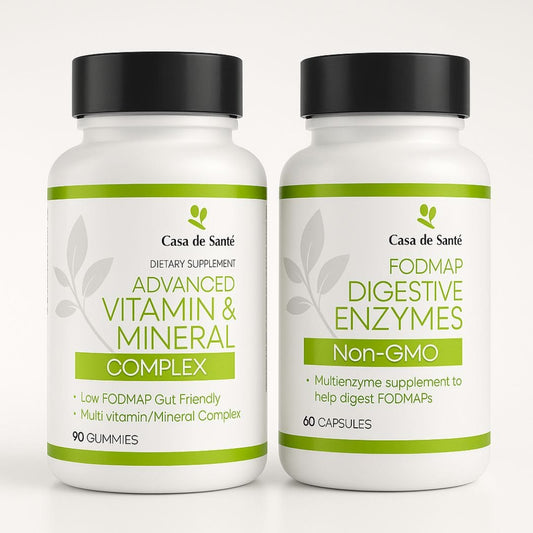
In my clinical practice, I often recommend a targeted digestive enzyme supplement like Casa de Sante FODMAP Digestive Enzymes for patients dealing with post-meal bloating and food sensitivities. This specific formulation is designed to target both the structural components of heavy proteins and fats, alongside enzymes that address hard-to-digest carbohydrates.
The Essential Role of Protease and Lipase
Protease enzymes come in different pH varieties, including acid stable proteases that begin working immediately in the stomach's acidic environment. This is critical for smoked turkey, as breaking down the tough peptide bonds before the food leaves the stomach prevents downstream digestive bottlenecks.
Lipase works in the alkaline environment of the small intestine, cleaving dietary fats into absorbable free fatty acids and glycerol. Pairing a high-activity protease with a potent lipase ensures that both the dense protein fibers of the turkey and any accompanying oils or fats are neutralized efficiently.
Comparing Digestive Supports: Enzymes, Ox Bile, Antacids, and Simethicone
Patients frequently ask me whether they should take an antacid, simethicone, ox bile, or digestive enzymes for heavy meals. Each of these compounds serves a completely different physiological purpose.
| Category | Primary Mechanism | Best Used For | Limitations for Smoked Turkey |
|---|---|---|---|
| Digestive Enzymes | Hydrolyzes proteins, fats, and complex carbohydrates into absorbable units. | Preventing bloating, gas, and heaviness from heavy meals. | Must be taken at the start of the meal; does not neutralize existing acid. |
| Ox Bile | Emulsifies fats to assist lipase activity in fat digestion. | Individuals with gallbladder removal or severe fat malabsorption. | Does nothing for smoked proteins or garlic/onion FODMAPs. |
| Antacids | Neutralizes gastric hydrochloric acid chemically. | Acute acid reflux, heartburn, and sour stomach. | Lowers stomach acid needed to activate natural pepsin and digest proteins. |
| Simethicone | Coalesces small gas bubbles in the GI tract into larger ones for easier passage. | Relieving active pressure and trapped gas after bloating occurs. | Treats only the symptom (gas), not the root cause (undigested food). |
As the table demonstrates, relying on an antacid for smoked turkey is often counterproductive. Smothering your stomach acid impairs your body's innate ability to break down tough meat proteins. Instead, supporting your natural digestive secretions with targeted enzymes represents a more physiologically sound approach.
Portion Tips and Practical Strategies for Smoked Meats
Even with the best digestive enzyme for smoked turkey, physiological limits exist. Your gastrointestinal tract can only process a finite amount of food at one time. Here are concrete clinical strategies to protect your gut during meals featuring smoked poultry:
- Keep Portions Controlled: Aim for a serving size of 3 to 4 ounces of smoked turkey. This provides roughly 25 to 30 grams of protein without overwhelming your pancreatic enzyme output.
- Chew Meticulously: Mechanical digestion is the first step of the digestive cascade. Chewing each bite 20 to 30 times mixes saliva (which contains amylase and lingual lipase) thoroughly into the food, easing the chemical burden on your stomach.
- Pair with Soluble Fiber: Balance smoked meats with cooked, low-FODMAP vegetables such as carrots, zucchini, or green beans to promote steady gastric emptying.
- Hydrate Wisely: Drink room-temperature water between bites rather than large quantities of ice-cold beverages, which can temporarily constrict gastric blood vessels and slow down digestive enzyme activity.
For patients looking to maintain long-term gut resilience and microbiome health, supporting overall digestive wellness is paramount. Incorporating targeted supportive formulas can make a profound difference in daily comfort. Many patients find great value in exploring curated wellness packages, such as Casa de Sante Bundles, which combine digestive support with gut-friendly staples designed by medical professionals.
Frequently Asked Questions
When exactly should I take my digestive enzyme?
You should take your digestive enzyme capsule right at the very first bite of your meal. This ensures the enzymes mix thoroughly with the food as it enters the stomach, allowing them to initiate the breakdown of proteins and fats immediately.
Can I take enzymes if I have IBS or SIBO?
Yes. In fact, individuals with irritable bowel syndrome or small intestinal bacterial overgrowth often benefit significantly from digestive enzymes. By ensuring that food is fully broken down in the upper GI tract, you reduce the amount of undigested debris that reaches colonic bacteria, thereby minimizing gas production.
Why does smoked turkey cause more bloating than roasted turkey?
Smoking dehydrates the meat and alters the protein structure through cross-linking, making the muscle fibers much harder for gastric acids to penetrate. Additionally, smoked turkey preparation almost universally incorporates heavy rubs containing garlic and onion powders, which are high in FODMAPs.
Are antacids a good substitute for digestive enzymes for meat?
No. Antacids neutralize stomach acid, which actually impairs protein digestion because gastric acid is required to activate pepsin. If you feel heavy after eating meat, you need more enzymatic breakdown, not less stomach acid.
How do I handle hidden garlic and onion in holiday brines?
If you cannot control how the turkey is prepared, taking a broad-spectrum digestive enzyme that includes specialized enzymes for carbohydrates and fructans can help mitigate the gastrointestinal impact of hidden garlic and onion powders.
Medical Disclaimer
Disclaimer: This article is for informational purposes only and does not constitute medical advice. The content is not intended to be a substitute for professional medical diagnosis, treatment, or advice. Always seek the advice of your physician or other qualified health provider with any questions you may have regarding a medical condition.