Best Digestive Enzyme for Smoked Sausage and Hot Links





Last updated: May 2024 | Medically reviewed by Dr. Onikepe Adegbola, MD PhD
The best digestive enzyme for smoked sausage and hot links is a broad-spectrum formulation featuring high concentrations of lipase and protease taken right at the first bite. Because smoked sausages and hot links pack dense animal fats, coarse proteins, and hidden high-FODMAP flavorings like garlic and onion powder, targeted enzymatic support is essential to prevent bloating, gas, and cramping.
- Fat and Protein Load: Smoked sausages and hot links often contain up to 40% to 50% fat by weight, requiring powerful lipase enzymes for proper breakdown.
- The First Bite Rule: Digestive enzymes must be swallowed with the first mouthful of food so they can mix thoroughly with the chyme before gastric emptying begins.
- Hidden Triggers: Beyond the meat, casings and spice rubs frequently harbor garlic and onion powder, which trigger irritable bowel syndrome (IBS) symptoms in sensitive individuals.
- Enzymes vs. Antacids: Antacids neutralize stomach acid, which actually impairs protein digestion. Digestive enzymes actively assist biochemical breakdown without shutting down acid production.
Few culinary experiences match the rich, smoky satisfaction of a well-charred hot link or a traditional smoked sausage. Yet, for many of my patients, enjoying this meal comes with a predictable, uncomfortable aftermath: stubborn upper abdominal heaviness, delayed gastric emptying, sulfurous burps, and painful gas hours later. When patients ask me for clinical advice on enjoying heavier meals without paying for it physically later, we look closely at upper gastrointestinal biochemistry.
To understand why standard digestion fails with heavy meats, we have to look at what happens inside your stomach and small intestine when you consume cured, smoked, and spiced meats.
Why Smoked Sausage and Hot Links Trigger Digestive Distress
Meat digestion is a multi-step physiological process. When you eat a standard steak, your stomach relies on hydrochloric acid (HCl) and the enzyme pepsin to denature muscle proteins. However, smoked sausage and hot links present a distinct physiological challenge due to how they are manufactured and seasoned.
First, consider the fat content. Traditional hot links and smoked pork sausages frequently derive half of their caloric value from fat. Fats are hydrophobic—they do not mix easily with the watery environment of your digestive tract. When a bolus of high-fat food enters the duodenum, your gallbladder must release bile acids to emulsify the fat droplets, and your pancreas must secrete lipase to break triglycerides down into absorbable free fatty acids and monoglycerides.
When you consume a heavy serving of sausage, your endogenous pancreatic enzyme output can easily become overwhelmed. The result? Unabsorbed fats travel further down the GI tract, where resident colonic bacteria ferment them. This fermentation produces excess gas, volatile fatty acids, and osmotic shifts that cause urgent diarrhea or painful cramping.
Second, consider the protein matrix. Sausages are often made from finely ground or emulsified meat mixed with sodium, nitrates, and binding agents. This dense protein structure requires robust protease activity. If your body lacks sufficient protease output at that exact moment, larger peptide chains pass undigested into the colon, promoting putrefactive bacterial overgrowth and uncomfortable bloating.
Finding the Best Digestive Enzyme for Smoked Sausage and Hot Links
When selecting the best digestive enzyme for smoked sausage and hot links, you must check the ingredient label for specific enzymatic profiles. A generic multienzyme blend will not suffice if it lacks potency where heavy meats demand it most.
Here are the key enzymatic components required for heavy sausage meals:
- High-Potency Lipase: Measured in FIP or LU units, lipase is non-negotiable for breaking down the dense triglycerides found in pork, beef, and casing fats. Adequate lipase prevents the greasy, floating stools characteristic of fat malabsorption.
- Broad-Spectrum Proteases: Protease enzymes operating across varying pH levels ensure that animal proteins are cleanly hydrolyzed into individual amino acids, preventing the putrefaction that leads to foul-smelling gas.
- Alpha-Galactosidase and Specialized Carbohydrases: Because hot links are heavily seasoned with garlic, onion, and sometimes mustard seed or filler starches, targeted carbohydrate enzymes are necessary to break down complex oligosaccharides before they reach fermenting gut microbes.
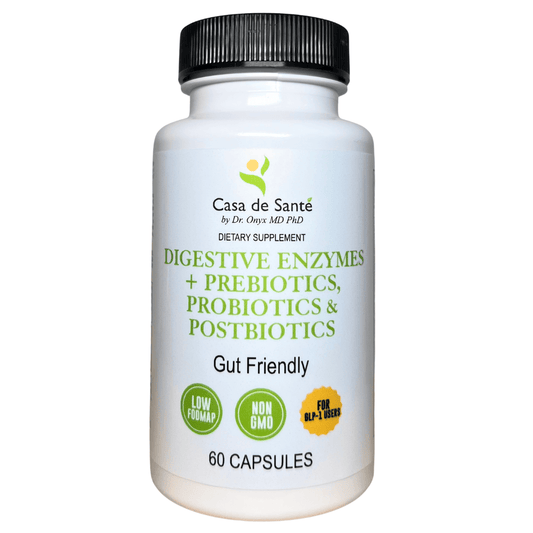
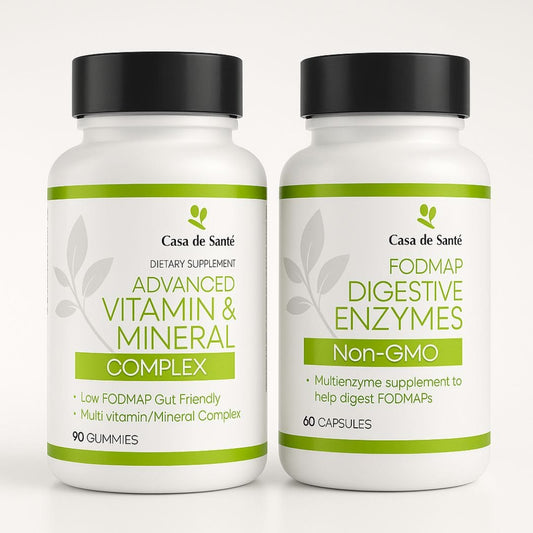
In my clinical practice, I frequently recommend targeted enzyme support for patients who struggle with heavy, fatty, or spiced foods. For a clinically formulated option designed to handle complex meals, many of my patients benefit from Casa de Sante FODMAP Digestive Enzymes, which combine targeted proteases and lipases with specific enzymes to address hidden seasoning triggers.
Enzyme vs. Ox Bile vs. Antacid vs. Simethicone: What Works Best?
Walk down any pharmacy aisle, and you will find dozens of products claiming to cure post-meal misery. To make an informed choice, let us compare how different interventions actually affect the digestion of heavy, spiced meats.
| Intervention | Primary Mechanism | Best Used For | Clinical Limitation |
|---|---|---|---|
| Broad-Spectrum Digestive Enzymes | Hydrolyzes fats, proteins, and complex carbohydrates into absorbable units. | Heavy, fatty, and complex meals like smoked sausage and hot links. | Does not alter baseline organ function; must be taken with food. |
| Ox Bile Supplements | Emulsifies dietary fats to assist lipase activity. | Individuals with gallbladder removal (cholecystectomy) or low bile output. | Can cause loose stools or diarrhea if fat intake is low. |
| Antacids / PPIs | Neutralizes or suppresses gastric acid production. | Acute acid reflux or peptic ulcer disease flare-ups. | Worsens meat digestion by reducing the acid needed for protein breakdown. |
| Simethicone | Coalesces gas bubbles in the GI tract for easier passage. | Symptomatic relief of trapped gas and pressure. | Symptom mask only; does not address the root cause of maldigestion. |
As the comparison shows, antacids are often counterproductive when eating heavy animal proteins. Suppressing stomach acid prevents pepsin activation, meaning your stomach struggles even more to break down dense sausage meat. Digestive enzymes, by contrast, work cooperatively with your natural biology to accelerate breakdown before food leaves the stomach.
Why the Best Digestive Enzyme for Smoked Sausage and Hot Links Needs FODMAP Support
Many people assume their discomfort after eating hot links is purely about the fat content. In my clinical experience, the seasoning blend plays an equally disruptive role. Authentic hot links and artisanal smoked sausages are rarely seasoned with salt and pepper alone. They typically rely heavily on garlic powder, onion powder, paprika, and sometimes high-fructose corn syrup or honey in the curing glaze.
Garlic and onion contain high levels of fructans—oligosaccharides belonging to the FODMAP family. Human small intestines lack the specific enzyme (fructidase) required to break down fructans. When these molecules reach the large intestine intact, gut bacteria ferment them rapidly, drawing water into the lumen and producing large volumes of hydrogen and methane gas.
This is why taking a standard animal-derived pancreatin supplement often falls short. You may digest the fat and protein perfectly, yet still experience severe abdominal distension and gas from the garlic and onion powder baked into the sausage casing. A truly comprehensive approach requires targeted support that addresses both macronutrients and fermentable carbohydrates.
For individuals whose GI tracts react poorly to these hidden spice additives, incorporating a supportive daily gut regimen can also build resilience over time. For ongoing microbial balance, many clinicians suggest a reliable daily option like Advanced Probiotics GI Support to help stabilize the gut microbiome against dietary insults.
Practical Portions and Clinical Strategies for Heavy Meats
Enzymes are powerful clinical tools, but they work best when paired with sound nutritional strategies. If you love smoked sausage and hot links but hate the digestive fallout, apply these evidence-based guidelines:
- Time It Right: Take your digestive enzyme capsule right at the first bite of your meal. If you take it twenty minutes after finishing, the food has already begun leaving the stomach, missing the optimal window for enzymatic mixing.
- Watch the Portion Size: A standard single serving of sausage is approximately 2 to 3 ounces (roughly 55 to 85 grams). Consuming a half-pound of high-fat hot links in one sitting overwhelms even robust digestive capacities. Scale your portion to your personal tolerance threshold.
- Mind the Temperature and Hydration: Drinking ice-cold beverages with a high-fat meal can temporarily lower core gastric temperature and slow enzymatic reaction rates. Opt for room-temperature water or warm herbal tea instead.
- Evaluate Overall Gut Health: Frequent, severe intolerance to standard foods often points to underlying imbalances, such as small intestinal bacterial overgrowth (SIBO) or low pancreatic output. If digestive distress is chronic rather than occasional, professional evaluation is warranted.
For those looking to streamline their digestive wellness toolkit with physician-formulated options, exploring curated selections like Casa de Sante Bundles offers a structured way to combine targeted enzyme support with foundational gut health aids.
Frequently Asked Questions
1. Can I take digestive enzymes if I already take prescription acid reflux medication?
Yes. In fact, because proton pump inhibitors (PPIs) lower stomach acid and can impair natural protein digestion, digestive enzymes are frequently recommended by physicians to help compensate for reduced gastric acidity during heavy meals.
2. Should I take the enzyme before, during, or after eating smoked sausage?
You should take your digestive enzyme right at the first bite of your meal. This ensures the enzymes mix thoroughly with the food as it enters the stomach and duodenum, allowing them to act on the fats and proteins in real-time.
3. Why do hot links cause more gas than a plain grilled chicken breast?
Hot links combine a high fat percentage with coarse proteins, artificial or natural casings, and concentrated seasoning powders like garlic and onion. The combination of heavy fats, dense proteins, and high-FODMAP fructans creates multiple distinct pathways for fermentation and gas production.
4. Will digestive enzymes cure my irritable bowel syndrome (IBS)?
No. Digestive enzymes are designed to assist in the mechanical and chemical breakdown of specific foods during digestion; they do not cure underlying medical conditions like IBS, SIBO, or inflammatory bowel disease. They are symptomatic management tools used to improve dietary tolerance.
5. Are plant-based enzymes as effective as animal-derived pancreatin for heavy fats?
Modern microbial-derived fungal and plant enzymes (such as Aspergillus-derived lipase and protease) can be engineered to function across a wider pH range than animal pancreatin. High-potency microbial lipase is exceptionally effective at breaking down dietary triglycerides in the acidic stomach environment before reaching the small intestine.
6. What should I do if digestive enzymes do not relieve my post-meal bloating?
If targeted enzymes do not alleviate your symptoms, the root cause may extend beyond simple enzyme insufficiency. Conditions such as carbohydrate malabsorption, bile acid malabsorption, or small intestinal bacterial overgrowth (SIBO) require specialized diagnostic testing and clinical management from a healthcare professional.
Medical Disclaimer: This article is for informational purposes only and does not constitute medical advice. The content is not intended to be a substitute for professional medical diagnosis, treatment, or advice. Always seek the advice of your physician or other qualified health provider with any questions you may have regarding a medical condition. Dr. Onikepe Adegbola, MD PhD and Casa de Sante disclaim any liability for decisions made based on this content.