Best Digestive Enzyme for Smoked Ham: A Doctor’s Guide





If you experience bloating, cramping, or severe discomfort after eating holiday meals, finding the best digestive enzyme for smoked ham is likely at the top of your mind. To put it simply, the most effective support is a broad-spectrum digestive enzyme containing high concentrations of protease and lipase, taken precisely at the first bite of food. Smoked ham presents a unique physiological challenge to your gastrointestinal tract due to its dense protein structures, high sodium content, heavy fat matrix, and often hidden sugars in the glaze. As a physician-scientist, I see patients struggle with rich, cured meats every holiday season. Let us examine why this happens and how targeted supplementation helps restore digestive comfort.
Key Takeaways
- Direct Answer: Use a broad-spectrum enzyme containing protease (for dense smoked proteins) and lipase (for animal fats) taken right at the first bite.
- Hidden Triggers: Smoked hams frequently use high-fructose corn syrup, honey, garlic, or onion glazes that trigger gas, pain, and bloating in sensitive individuals.
- Pharmacological Comparison: Digestive enzymes break down food molecules, whereas antacids only neutralize stomach acid and simethicone merely merges gas bubbles.
- Dosage & Timing: Taking 1 to 2 capsules immediately before your meal ensures the enzymes mix thoroughly with the chyme in the upper stomach.
Why Smoked Ham Disrupts Digestion
To understand why you might need the best digestive enzyme for smoked ham, we must first look at the food itself. Smoked ham is not ordinary meat. The curing, salting, and smoking processes chemically alter the muscle proteins (actin and myosin) through protein denaturation and cross-linking. When proteins undergo heavy curing and smoking, their physical structure becomes tightly bound and rigid. Your stomach acid (hydrochloric acid) and natural pepsin have to work overtime to unravel these compacted peptide chains.
Furthermore, standard portions of smoked ham contain significant amounts of purines, sodium, and intramuscular fat. A typical 3-ounce serving of traditional cured ham can contain anywhere from 8 to 15 grams of total fat, depending on the cut. If your pancreas is sluggish in producing sufficient lipase, or if your gastric acid output drops due to age or stress, these fats pass into the small intestine undigested. There, colonic bacteria ferment the remnants, producing excess hydrogen, methane, and hydrogen sulfide gases.
For individuals managing irritable bowel syndrome (IBS) or general digestive sluggishness, this combination of dense protein, heavy lipids, and chemical preservatives creates a recipe for prolonged upper abdominal fullness and painful cramping. For a deeper look at managing lipid-heavy meals, you can read our guide on navigating high-fat meals with IBS.
The Sweet and Savory Trap: Glazes and FODMAPs
Another major reason ham causes distress is the exterior preparation. Traditional holiday hams are almost always coated in sweet glazes. Commercial recipes frequently rely on honey, maple syrup, brown sugar, or high-fructose corn syrup (HFCS). These sweeteners introduce a high load of excess fructose, which many people struggle to absorb efficiently in the small intestine.
In addition, sweet and savory rubs often contain garlic powder and onion powder. These ingredients are rich in fructans—fermentable oligosaccharides that belong to the FODMAP family. When fructans and unabsorbed sugars reach the large intestine, osmotic draw pulls water into the lumen while resident bacteria rapidly ferment the sugars. The result is acute distention, sharp gas pains, and urgent trips to the restroom. If you follow a restrictive diet, pairing your meal with insights from our low FODMAP diet foundation guide can prevent these compounding triggers.
What Makes the Best Digestive Enzyme for Smoked Ham?
When selecting the best digestive enzyme for smoked ham, you must look beyond basic papain or bromelain blends. Cured and smoked meats require a precise, multi-enzyme profile to address every macronutrient present on your plate.
First, you need a potent dose of protease (both acid-stable protease and neutral bacterial protease). Protease breaks down the tightly bound peptide bonds in smoked proteins. Acid-stable protease begins working immediately in the stomach, mirroring the natural action of pepsin before the food even reaches the small intestine.
Second, you need high units of lipase. Because smoked ham carries a substantial lipid load, supplemental lipase ensures that triglycerides are efficiently cleaved into free fatty acids and monoglycerides, preventing the greasy, heavy sensation that sits in your upper abdomen for hours after eating.
Third, look for formulas containing alpha-galactosidase and invertase if your ham features a sweet or allium-based glaze. Alpha-galactosidase specifically cleaves the complex bonds in fructans found in garlic and onion rubs, stopping gas before it starts.
| Enzyme Component | Target Nutrient | Primary Benefit for Smoked Ham |
|---|---|---|
| Acid-Stable Protease | Dense Cured Proteins | Begins protein breakdown in the stomach; prevents heavy upper abdominal stagnation. |
| Lipase | Animal Fats & Lipids | Cleaves triglycerides; eliminates greasy post-meal sluggishness and nausea. |
| Alpha-Galactosidase | Fructans (Garlic/Onion) | Breaks down complex carbohydrates from savory glazes and rubs to prevent flatulence. |
| Invertase / Lactase | Sugars & Disaccharides | Assists in breaking down honey, brown sugar, or dairy-based side dishes accompanying the meal. |
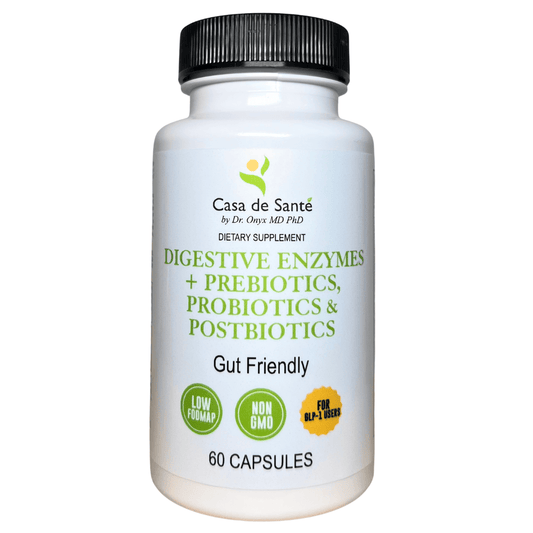
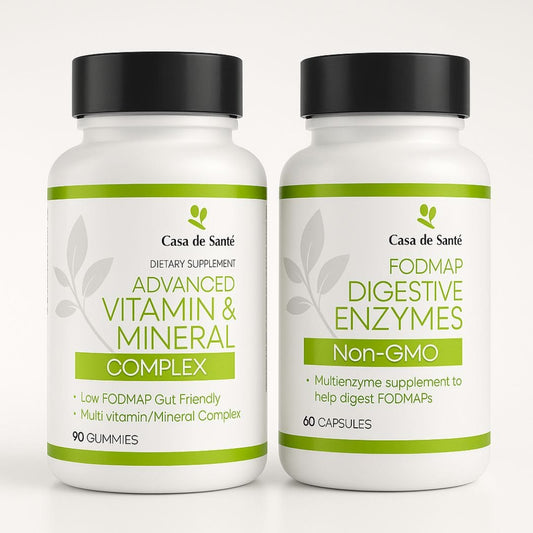
In my clinical practice, I often recommend a targeted digestive enzyme supplement like Casa de Sante FODMAP Digestive Enzymes for patients dealing with complex holiday meals. These specialized capsules provide a comprehensive matrix of targeted enzymes designed to support the breakdown of difficult proteins, lipids, and hidden FODMAPs without disrupting your natural physiology. Please note that while these enzymes significantly reduce post-meal distress, they are not a cure for underlying structural gastrointestinal diseases and do not replace the necessity of mindful eating habits.
Comparing Digestive Support Options: Enzymes vs. Ox Bile vs. Antacids vs. Simethicone
Patients frequently ask me whether they should take an enzyme, an antacid, or an anti-gas medication when eating rich foods like ham. Each category serves a fundamentally different pharmacological purpose in the gastrointestinal tract.
- Digestive Enzymes: These are catalytic proteins that actively break down macronutrients (proteins, fats, carbohydrates) into smaller, absorbable molecules. They address the root cause of indigestion—incomplete enzymatic hydrolysis.
- Ox Bile Extracts: Ox bile supplements assist individuals who have had their gallbladder removed or suffer from severe bile acid insufficiency. While helpful for pure fat malabsorption, they do not break down proteins or complex carbohydrates.
- Antacids (Calcium Carbonate / Omeprazole): Antacids simply neutralize existing stomach acid or suppress acid production. Taking an antacid for smoked ham often backfires; reducing stomach acid can impair protein digestion further, since pepsin requires an acidic environment to function.
- Simethicone: Simethicone is an anti-foaming agent that merges smaller gas bubbles into larger ones so they can pass more easily. It does not digest food or prevent gas creation; it merely manages symptoms after gas has already formed.
For heavy, protein-and-fat-dense meals like smoked ham, digestive enzymes remain the superior choice because they target the food molecules directly at the site of entry.
Smart Portion Tips and Practical Strategies for Smoked Meats
Even with the best digestive enzyme for smoked ham, physiological limits still apply. Combining smart supplementation with strategic eating habits guarantees the best clinical outcome.
- Watch Your Portion Size: Limit your initial serving to 3 to 4 ounces of smoked ham. This provides roughly 20 to 25 grams of high-quality protein without overwhelming your pancreatic enzyme output.
- Time Your Supplementation Accurately: Take 1 to 2 capsules of your enzyme supplement with the very first bite of food. Taking them midway through the meal or afterward drastically reduces their efficacy, as they must mix thoroughly with the bolus of food in the stomach.
- Pair with Low-FODMAP Sides: Balance the salty, heavy profile of the meat with steamed greens, roasted carrots, or quinoa rather than garlic-heavy mashed potatoes or high-fructose sweet potato casseroles.
- Chew Thoroughly: Mechanical digestion is your body's first line of defense. Chewing each bite 20 to 30 times increases the surface area exposed to both your natural gastric juices and your supplemental enzymes.
For long-term resilience against occasional dietary indiscretions, maintaining a healthy gut microbiome is essential. Incorporating a reliable daily synbiotic or probiotic, such as Casa de Sante Advanced Probiotics GI Support, helps nourish beneficial bacteria that assist with secondary fermentation pathways. Probiotics do not digest your food for you, but they do support a balanced intestinal ecosystem capable of handling occasional dietary shifts.
If you are managing multiple holiday triggers, exploring curated options like Casa de Sante Bundles can provide a structured approach to gut wellness by combining targeted enzyme formulas with microbiome support.
Frequently Asked Questions
Why does smoked ham cause sulfur burps or foul-smelling gas?
Smoked ham is rich in sulfur-containing amino acids (such as methionine and cysteine) and preservatives like nitrites. When these proteins are not fully digested in the stomach and small intestine, they reach the colon where anaerobic bacteria break them down via putrefaction. This releases hydrogen sulfide gas, which causes characteristic sulfur burps and odorous gas.
Can I take digestive enzymes after I finish eating if I forgot to take them before?
Taking enzymes immediately after a meal provides minimal benefit. Digestive enzymes work best when they are swallowed at the very first bite so they can mix evenly with the incoming food as it enters the stomach. If you forget, taking them within 10 to 15 minutes post-meal may offer slight assistance, but efficacy drops significantly.
Are traditional holiday hams high in FODMAPs?
The ham meat itself is a pure protein and contains zero FODMAPs. However, the commercial glazes, rubs, and marinades almost always contain high amounts of garlic powder, onion powder, honey, or high-fructose corn syrup, making the finished dish high in both fructans and excess fructose.
How do I know if I need protease or lipase more?
If you experience sharp upper abdominal fullness, acid reflux, or a heavy brick-like sensation after eating meat, you likely need more protease. If you experience nausea, floating or greasy stools, and prolonged sluggishness after fatty foods, your system requires higher amounts of lipase. A broad-spectrum formula provides both.
Will digestive enzymes interfere with my prescription medications?
Standard over-the-counter and clinical-grade digestive enzymes derived from fungal or microbial sources generally do not interfere with most prescription medications. However, if you take pancreatic enzyme replacement therapy (PERT) for diagnosed exocrine pancreatic insufficiency, or if you take diabetes medications, consult your prescribing physician before adding new supplements.
What is the ideal dosage of digestive enzymes for a heavy meat meal?
Most clinical-grade enzyme supplements recommend taking 1 to 2 capsules right at the start of the meal. If the meal is exceptionally large, high in fat, and heavy on cured meats, taking 2 capsules ensures an adequate concentration of active enzyme units to handle the workload.
Medical Disclaimer: This article is for informational purposes only and does not constitute medical advice, diagnosis, or treatment. Dr. Onikepe Adegbola, MD PhD, and Casa de Sante do not provide medical diagnoses through this content. Always consult your physician or qualified healthcare provider regarding any questions or concerns about a medical condition or dietary changes.