Best Digestive Enzyme for Pulled Pork: A Doctor's Guide





Finding the best digestive enzyme for pulled pork comes down to targeting two heavy macronutrients: protein and fat, alongside hidden fermentable carbohydrates. The best digestive enzyme for pulled pork is a broad-spectrum supplement containing high-potency lipase and protease taken right at the first bite. As a physician-scientist, I see many patients struggle with severe post-meal bloating, cramping, and sluggish digestion after enjoying a plate of slow-cooked barbecue. Pulled pork is delicious, but its combination of dense muscle fibers, high intramuscular fat content, and ubiquitous garlic-and-onion-based sauces creates a formidable challenge for your gastrointestinal tract.
Key Takeaways
- Macronutrient Load: Pulled pork is high in protein and fat, requiring targeted protease and lipase enzymes for proper breakdown.
- Hidden Triggers: Commercial barbecue rubs and sauces often contain garlic, onion, and high fructose corn syrup (HFCS), which trigger gas and bloating.
- Timing Matters: Enzymes must be ingested at the exact first bite of food to mix adequately with chyme.
- Enzymes vs. Antacids: Digestive enzymes support actual food breakdown, whereas antacids impair protein digestion by raising stomach pH.
Choosing the Best Digestive Enzyme for Pulled Pork: Lipase and Protease
When you sit down to a generous plate of pulled pork, your stomach and pancreas face a massive biochemical workload. A typical 6-ounce serving of pork shoulder contains roughly 35 grams of protein and 20 to 30 grams of fat. If your endogenous enzyme production falls short—due to stress, aging, or gastrointestinal sensitivity—those macronutrients linger in your digestive tract.
Proteins are long chains of amino acids held together by peptide bonds. Without sufficient protease activity, these chains remain intact longer, demanding more hydrochloric acid and causing a heavy, leaden sensation in the upper abdomen. Meanwhile, fats enter the duodenum as large triglyceride droplets. Lipase enzymes are required to hydrolyze these triglycerides into absorbable free fatty acids and monoglycerides. When fat digestion is incomplete, unabsorbed lipids travel down the GI tract, where they can cause osmotic shifts, loose stools, and uncomfortable cramping.
To prevent these symptoms, look for an enzyme formulation rich in fungal and microbial proteases that function across varying pH levels, paired with high-activity lipase units (measured in FIP or LU).
Hidden Triggers in Barbecue: Garlic, Onion, and HFCS
Macronutrients are only half the battle. The true culprit behind the sulfurous gas and painful distention many people experience after barbecue is the seasoning. Traditional pulled pork recipes rely heavily on dry rubs and finishing sauces packed with garlic powder, onion powder, and high fructose corn sweetener (HFCS).
Garlic and onion contain fructans—oligosaccharides composed of fructose molecules linked together. Human small intestines lack the specific enzyme (invertase or fructanase, though humans produce sucrase-isomaltase which handles sucrose) required to cleave the beta-2,1 fructosyl-fructose bond in fructans. Consequently, these carbohydrates pass undigested into the colon, where resident bacteria ferment them rapidly. This fermentation produces hydrogen, methane, and carbon dioxide gases.
Furthermore, HFCS floods the small intestine with free fructose and glucose. If your intestinal fructose transport mechanisms become saturated, unabsorbed fructose contributes to osmotic water influx and further bacterial fermentation. Selecting an enzyme blend that includes alpha-galactosidase and targeted carbohydrate-active enzymes can significantly reduce this fermentative load.
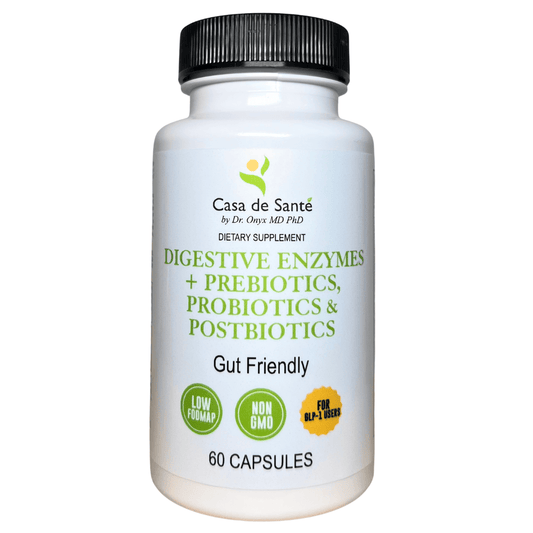
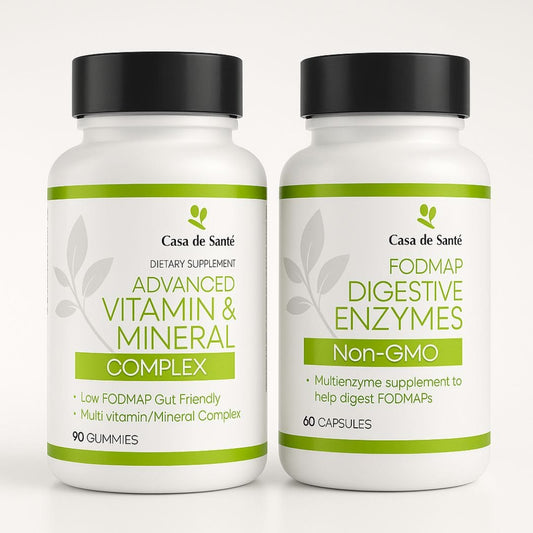
In my clinical practice, I often recommend targeted support for patients with sensitive digestion. A reliable option is Casa de Sante FODMAP Digestive Enzymes. This formula is designed to assist the breakdown of proteins, fats, carbohydrates, and specific fermentable carbohydrates like fructans found in barbecue sauces. Please note that while these enzymes help optimize digestion, they are not a medical cure for underlying gastrointestinal diseases or an excuse to overconsume trigger foods in massive quantities.
Enzyme vs. Ox Bile vs. Antacid vs. Simethicone: Which Works Best?
Patients often ask me whether they should pop an antacid, reach for simethicone, or use ox bile when heavy meals cause distress. Each of these agents serves a distinct physiological purpose, but only digestive enzymes address the root cause of macronutrient maldigestion.
| Supplement Type | Primary Mechanism | Best Used For | Clinical Limitation |
|---|---|---|---|
| Digestive Enzymes | Hydrolyzes proteins, fats, carbs, and FODMAPs. | Preventing post-meal bloating from heavy meals like pulled pork. | Does not cure chronic malabsorption disorders on its own. |
| Ox Bile | Emulsifies dietary fats to aid lipase action. | Individuals with gallbladder removal (cholecystectomy) or low bile salt output. | Unnecessary for people with normal gallbladder function; can cause diarrhea if overused. |
| Antacids | Neutralizes gastric hydrochloric acid. | Acute acid reflux or heartburn symptoms. | Impairs protein digestion and pepsin activation by raising stomach pH above 3.0. |
| Simethicone | Coalesces small gas bubbles into larger ones for easier passage. | Relieving trapped gas pressure *after* it has already formed. | Does nothing to prevent food from fermenting or digesting poorly in the first place. |
How to Select the Best Digestive Enzyme for Pulled Pork
When evaluating over-the-counter options, read supplement labels with a critical eye. A quality enzyme supplement designed for heavy, rich meals should feature a multi-enzyme matrix:
- Protease: Measured in HUT (Hemoglobin Unit Tyrosine base) or SP units. Look for broad pH stability so the enzyme remains active in both the acidic stomach and alkaline small intestine.
- Lipase: Measured in FIP, LU, or HUT units. Essential for breaking down the rich fats inherent in pork shoulder and ribs.
- Alpha-Galactosidase: Essential for targeting the alpha-linked galactosides found in garlic and onion seasonings.
- Lactase and Cellulase: Helpful auxiliary enzymes that break down dairy additives (often found in creamy coleslaw sides) and plant fiber cell walls.
Timing is clinical law here. You must ingest your enzyme capsules precisely at the first bite of food. If you take them halfway through the meal or thirty minutes afterward, the food has already passed out of the gastric mixing zone, rendering the enzyme supplementation largely ineffective.
For individuals dealing with chronic post-prandial bloating and irregular bowel patterns, supporting the gut microbiome is equally essential. I frequently suggest incorporating Advanced Probiotics GI Support into a daily wellness routine. These targeted strains promote microbial balance in the gut. Keep in mind that probiotics work over weeks to support internal ecology; they are not immediate day-of-event quick fixes for a heavy barbecue meal.
Practical Portion and Lifestyle Tips for Barbecue Lovers
Supplements work best when paired with sound physiological habits. Even with the highest-grade enzyme support, physiological limits exist regarding how much food your upper gastrointestinal tract can process efficiently in a single sitting.
- Moderate Your Portion Size: Aim for a 3 to 4-ounce serving of pulled pork rather than a massive 12-ounce mountain. This keeps the total fat and protein load within normal gastric emptying thresholds (typically 40 to 90 minutes depending on fat content).
- Chew Thoroughly: Mechanical mastication mixes food with salivary amylase and initiates the cephalic phase of digestion, signaling your stomach and pancreas to release their endogenous secretions.
- Mind Your Liquids: Avoid chugging large volumes of ice-cold beverages during your meal. Extreme cold can temporarily lower gastric temperature, which may slow enzymatic reaction rates.
- Balance Your Plate: Pair your pulled pork with low-FODMAP, easily digestible side dishes rather than high-fat, high-onion potato salads or heavy wheat buns.
Patients looking for a comprehensive approach to daily digestive health often benefit from curated solutions. The Casa de Sante Bundles pair targeted digestive enzymes with microbiome-supportive supplements to address both acute meal challenges and baseline gut wellness. These bundles do not replace strict medical elimination diets for severe clinical conditions like celiac disease or inflammatory bowel disease, but they offer strong supportive care for everyday digestive comfort.
Frequently Asked Questions
1. When exactly should I take my digestive enzyme for pulled pork?
You should take your digestive enzyme capsules right at the very first bite of your meal. This ensures the enzymes mix thoroughly with the food as it enters the stomach, allowing them to initiate macronutrient breakdown immediately.
2. Can I take an antacid instead of a digestive enzyme for barbecue heartburn?
Antacids neutralize stomach acid, which can provide quick relief for burning sensations, but they impair your body's natural ability to digest protein. If your discomfort stems from delayed gastric emptying and heavy fat or protein loads, a digestive enzyme is a much more physiologically appropriate choice.
3. Why does pulled pork cause bloating even when I eat small portions?
If you experience bloating from small portions, the culprit is often not the meat itself, but the garlic powder, onion powder, or high fructose corn syrup in the barbecue sauce. These high-FODMAP ingredients ferment rapidly in the large intestine, producing excess gas.
4. Do I need ox bile if I don't have a gallbladder?
If you have had your gallbladder removed, your liver continuously drips bile into your small intestine rather than releasing concentrated bursts during fatty meals. An ox bile supplement can help emulsify heavy fats like those in pulled pork, preventing greasy stools and fat malabsorption.
5. Are digestive enzymes safe to use every day?
High-quality, professional-grade digestive enzymes are generally safe for daily use with heavy or trigger meals. However, if you rely on them for every single snack or experience constant, unexplained abdominal pain, you should consult a gastroenterologist to rule out underlying conditions like small intestinal bacterial overgrowth (SIBO) or pancreatic insufficiency.
6. How do garlic and onion powders affect my digestion?
Garlic and onion powders contain concentrated fructans, which are short-chain carbohydrates that humans cannot break down enzymatically. They pass into the colon unabsorbed, drawing water and feeding gas-producing bacteria, which leads to cramping and distention.
Medical Disclaimer: This article is for informational and educational purposes only and does not constitute medical advice. Dr. Onikepe Adegbola, MD PhD, is a physician-scientist, not your personal physician. Always consult with a qualified gastroenterologist or healthcare provider before starting any new dietary supplement, especially if you manage chronic gastrointestinal conditions such as IBS, IBD, or severe food intolerances.